

Northern Thailand, Chiang Mai & Bangkok – Travel Planning:
The tour through northern Thailand was planned for eight days. From Beijing, we flew via Bangkok to Chiang Mai, a five-hour flight.
After a six-day stay in Chiang Mai, we flew back to Bangkok and after two nights continued via Macau back to Beijing.
Thailand is summery warm all year round. From April to October is the rainy season and significantly more precipitation is to be expected. The air can be cloudy in March as many farmers burn the straw in the fields.
Arrival in Chiang Mai:
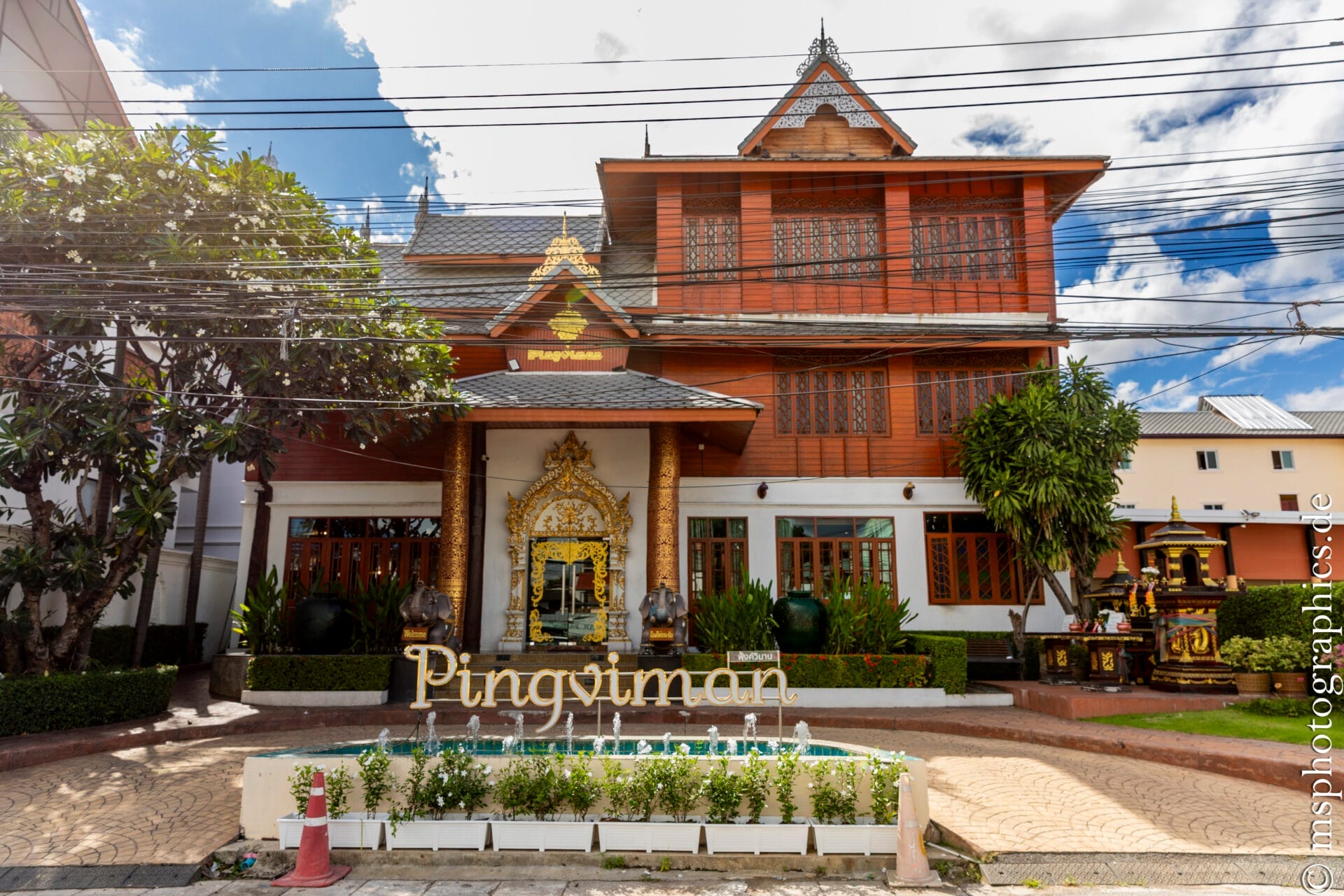
For our stay in Chiang Mai, we booked the Pingviman Hotel for six nights.
The Pingviman Hotel in Chiang Mai is a charming mid-range hotel located in the old town area. It is ideal for travelers who want to combine comfort with authentic, local flair.
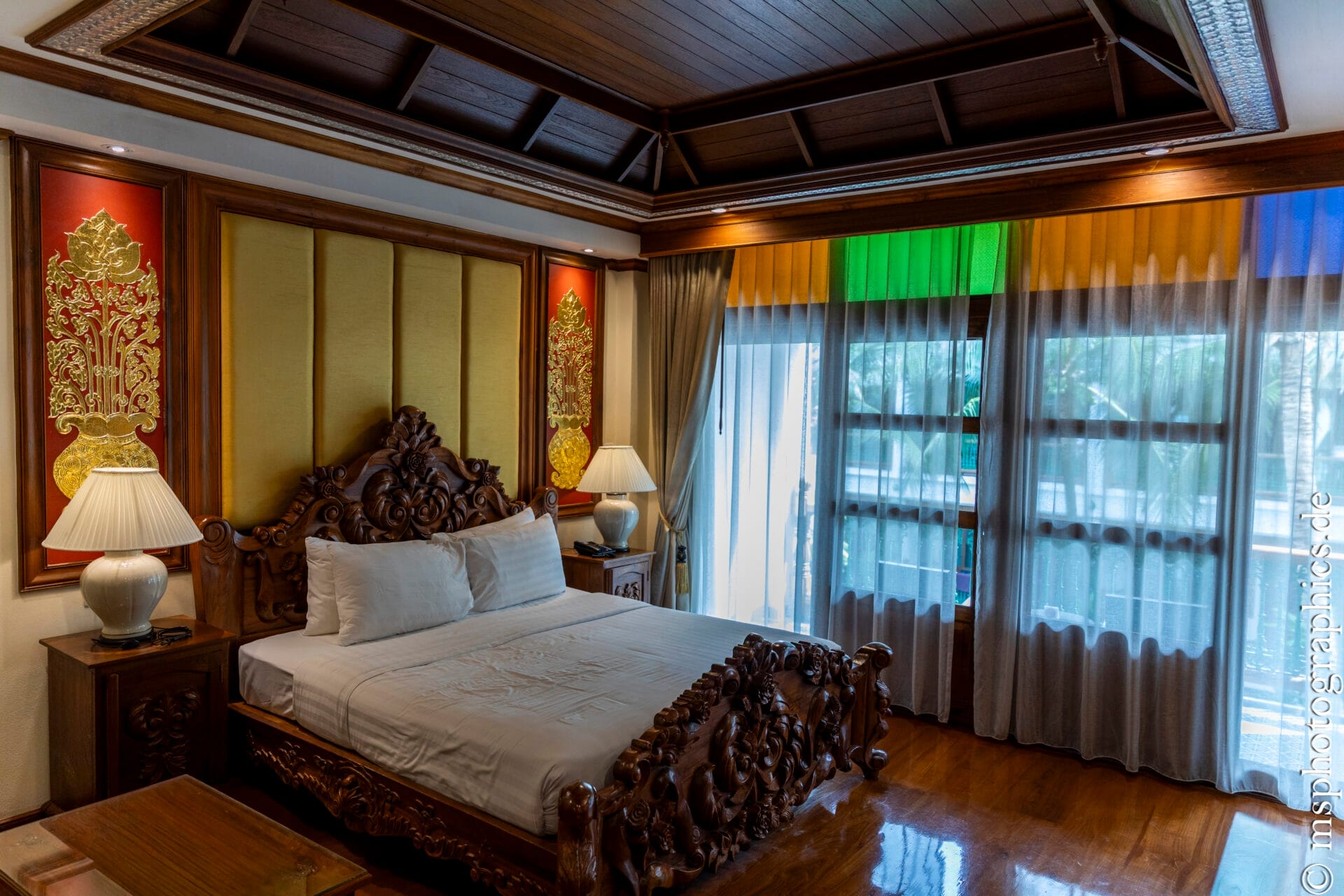
The rooms are furnished in a traditional Thai style, with intricately carved wooden furniture. This creates a cozy and regional atmosphere.
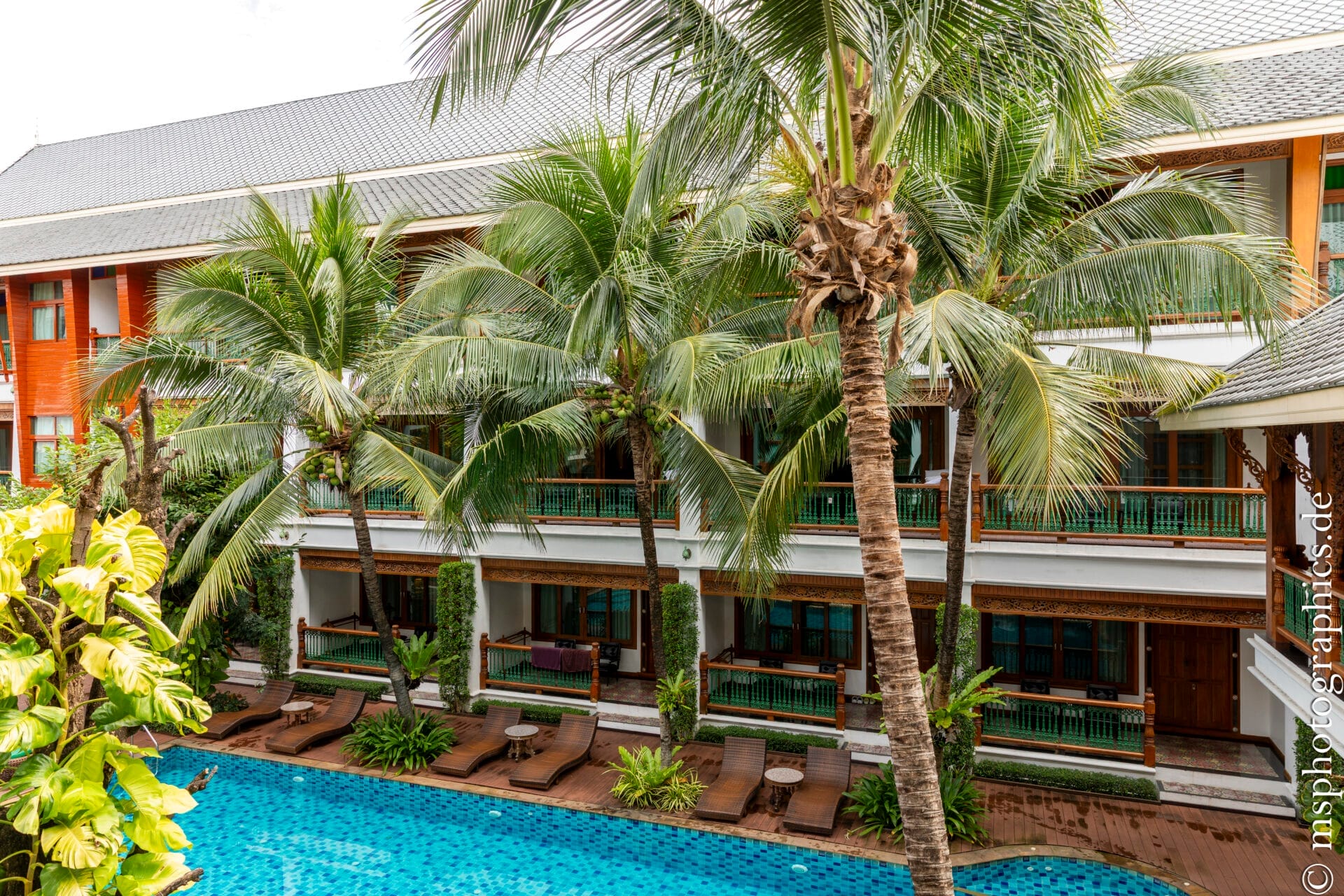
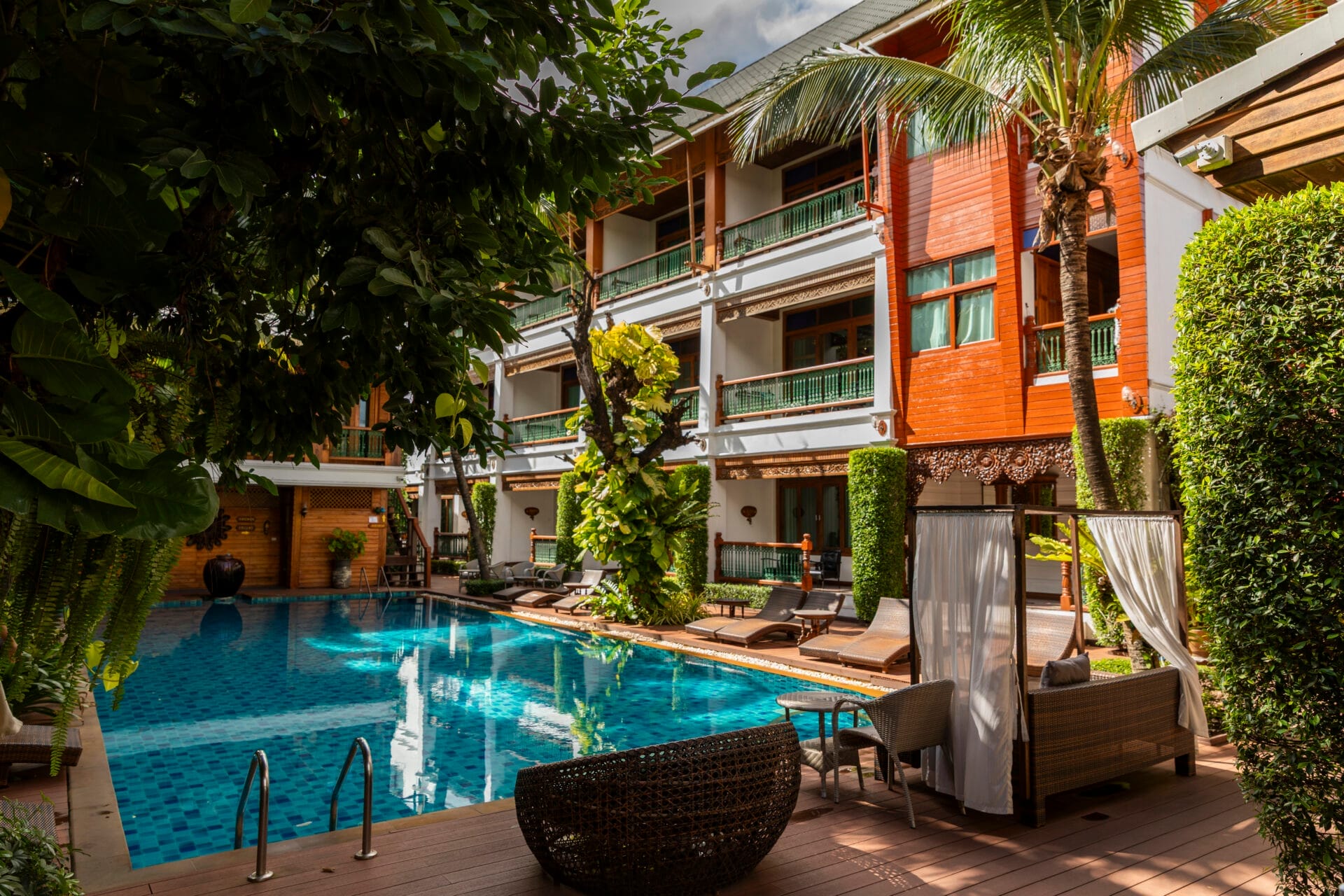
In the courtyard there is a lovely outdoor pool, perfect for relaxing after an excursion.
The hotel also offers a fitness room, laundry service, 24-hour reception, and tour/concierge service. This is extremely convenient for exploring the city and the surrounding area.
The hotel's own Pingpirom Restaurant offers Thai and international dishes, as well as a snack bar and bar by the pool.
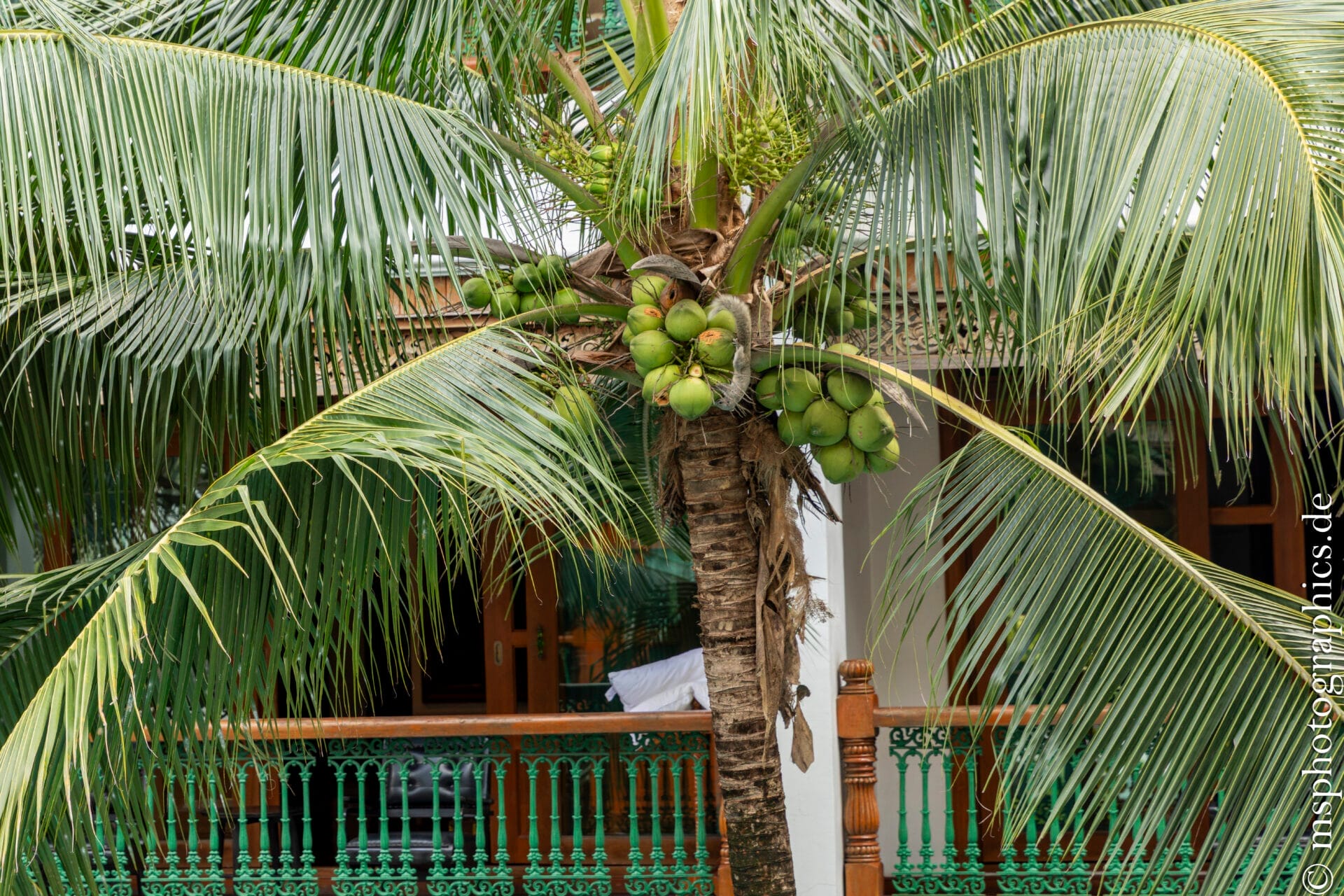

Exploring the old city of Chiang Mai:
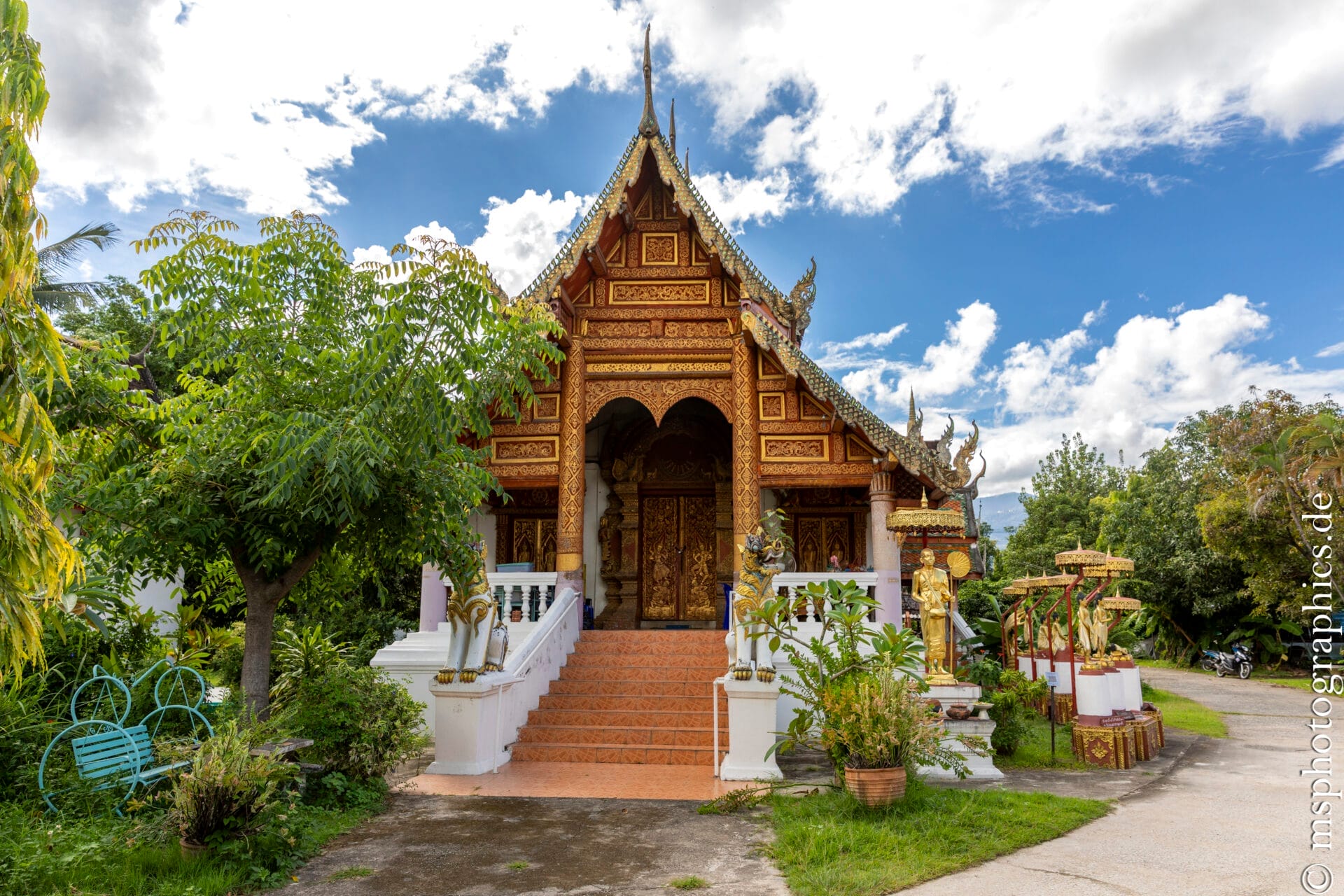
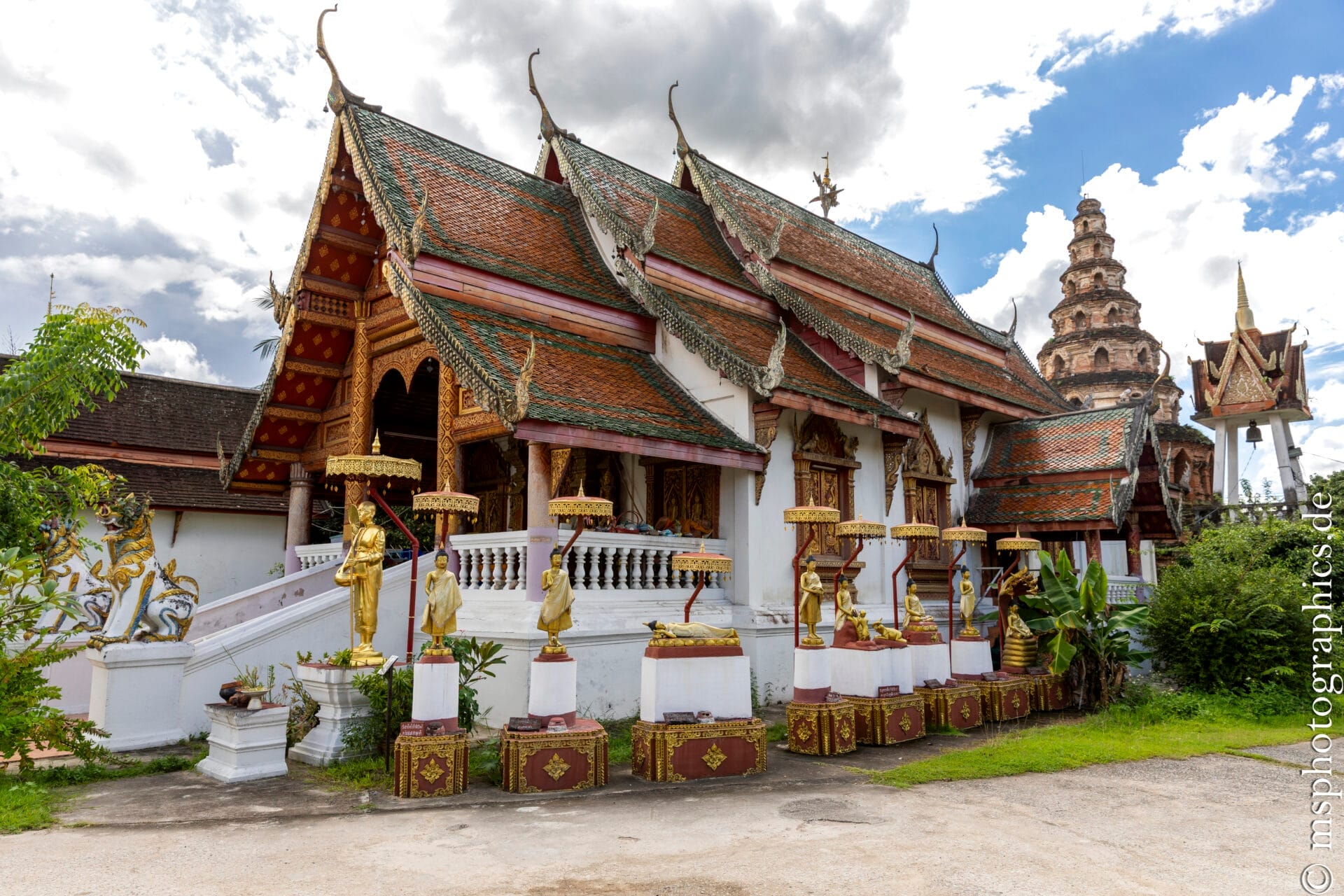
Phuak Hong temple is located in the southwest of Chiang Mai's old city. It lies not far from the city wall and close to Buak Had Park. The temple is relatively small and rather inconspicuous, but that's precisely what makes it such a charming destination.
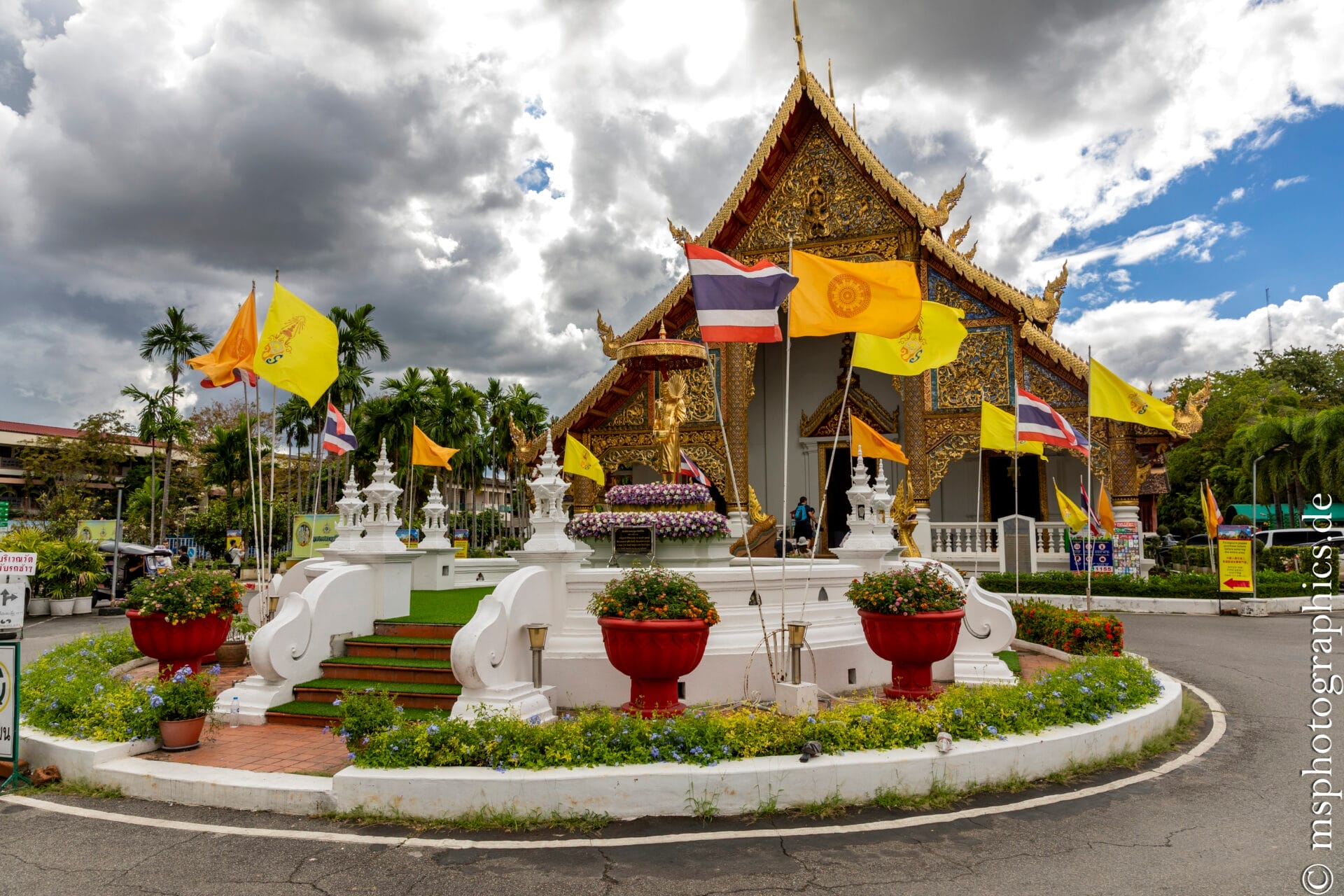
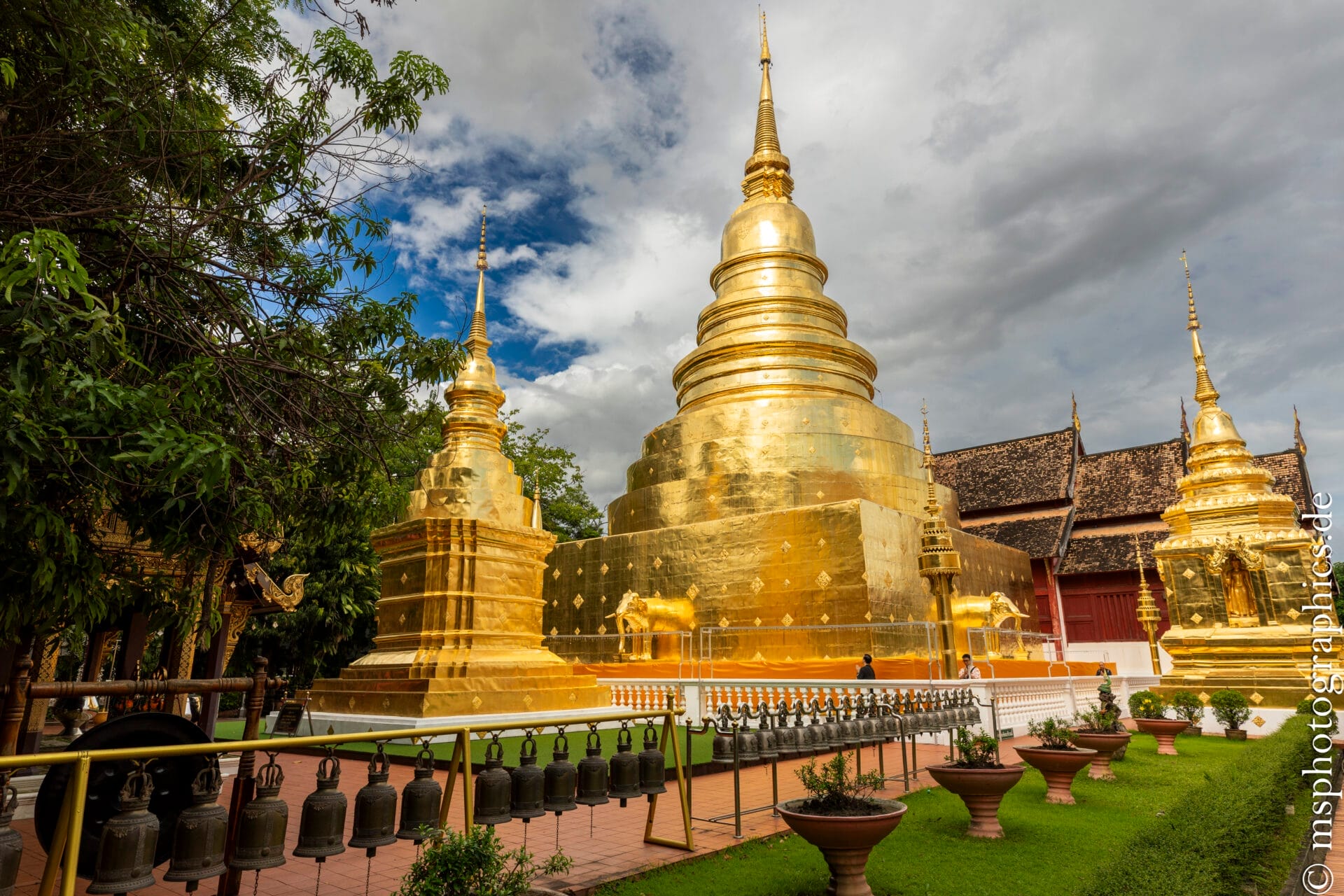
The Wat Phra Singh Temple is located in the west of Chiang Mai's old city, within the ancient city walls. It is easily accessible and centrally located. It is one of the most important temples in the region and was built in 1345 during the reign of King Phayu of the Mangrai dynasty.
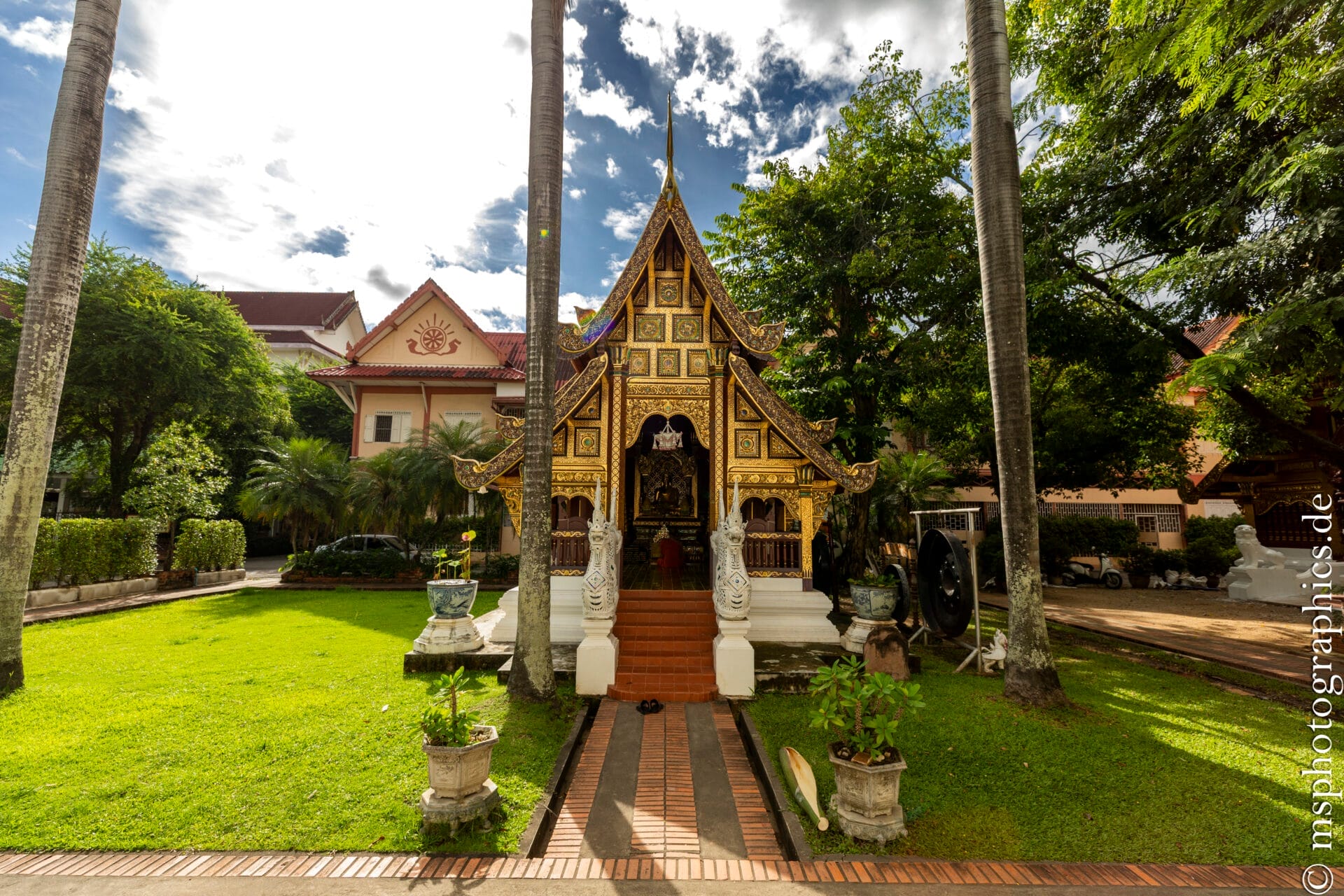
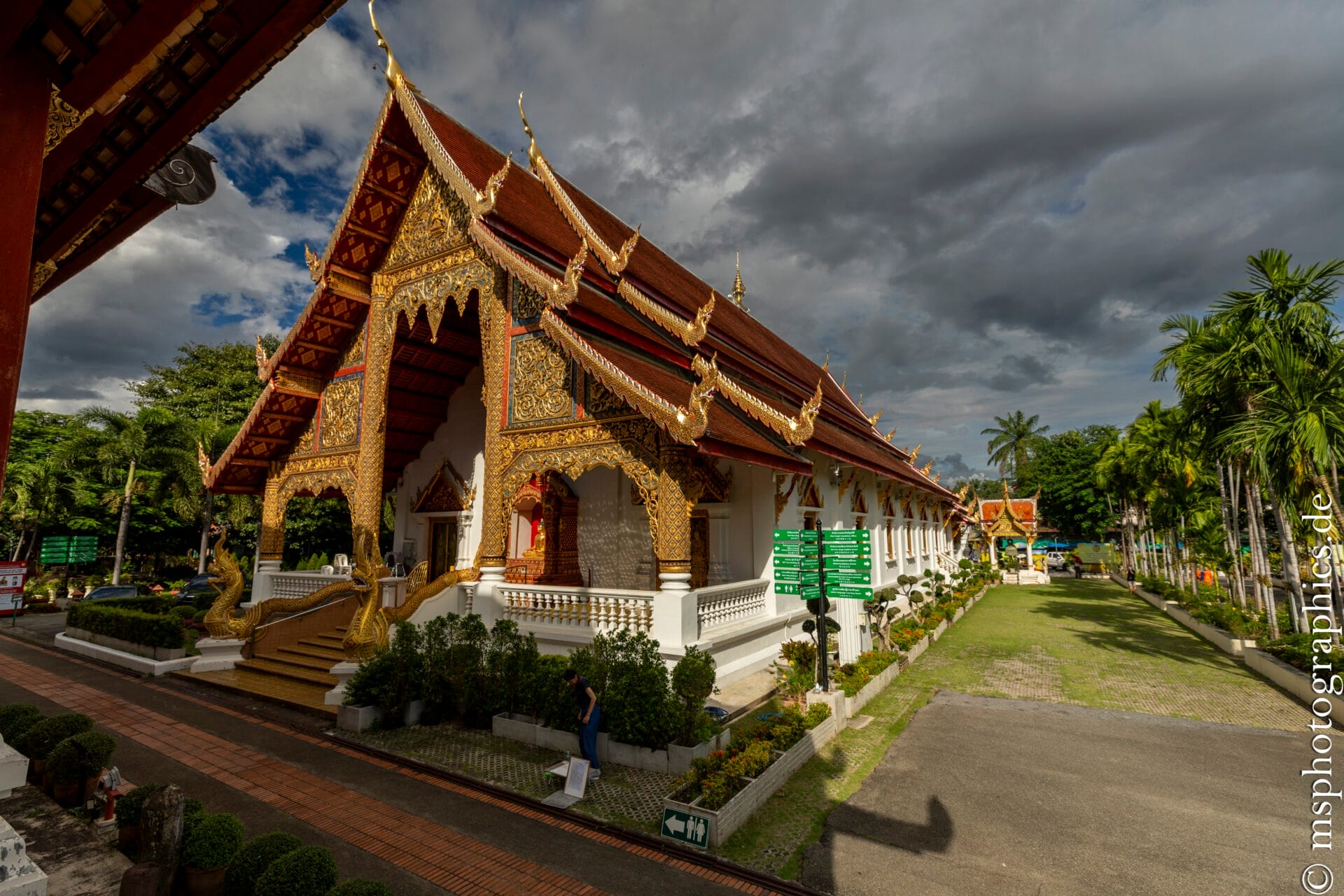
For visitors, the temple offers not only a religious atmosphere, but also an impressive insight into the 800-year-old architecture, art and tradition of northern Thailand.
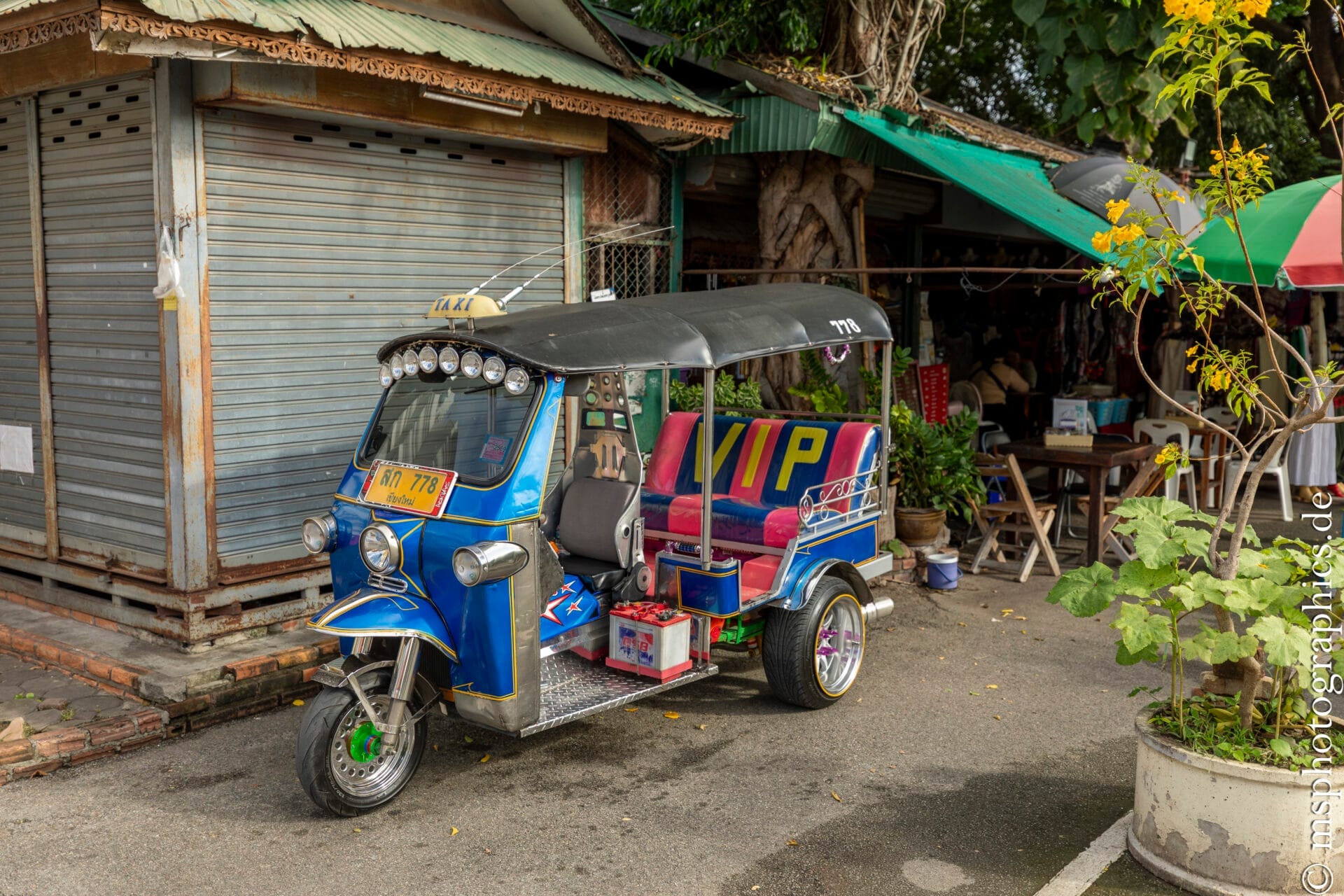
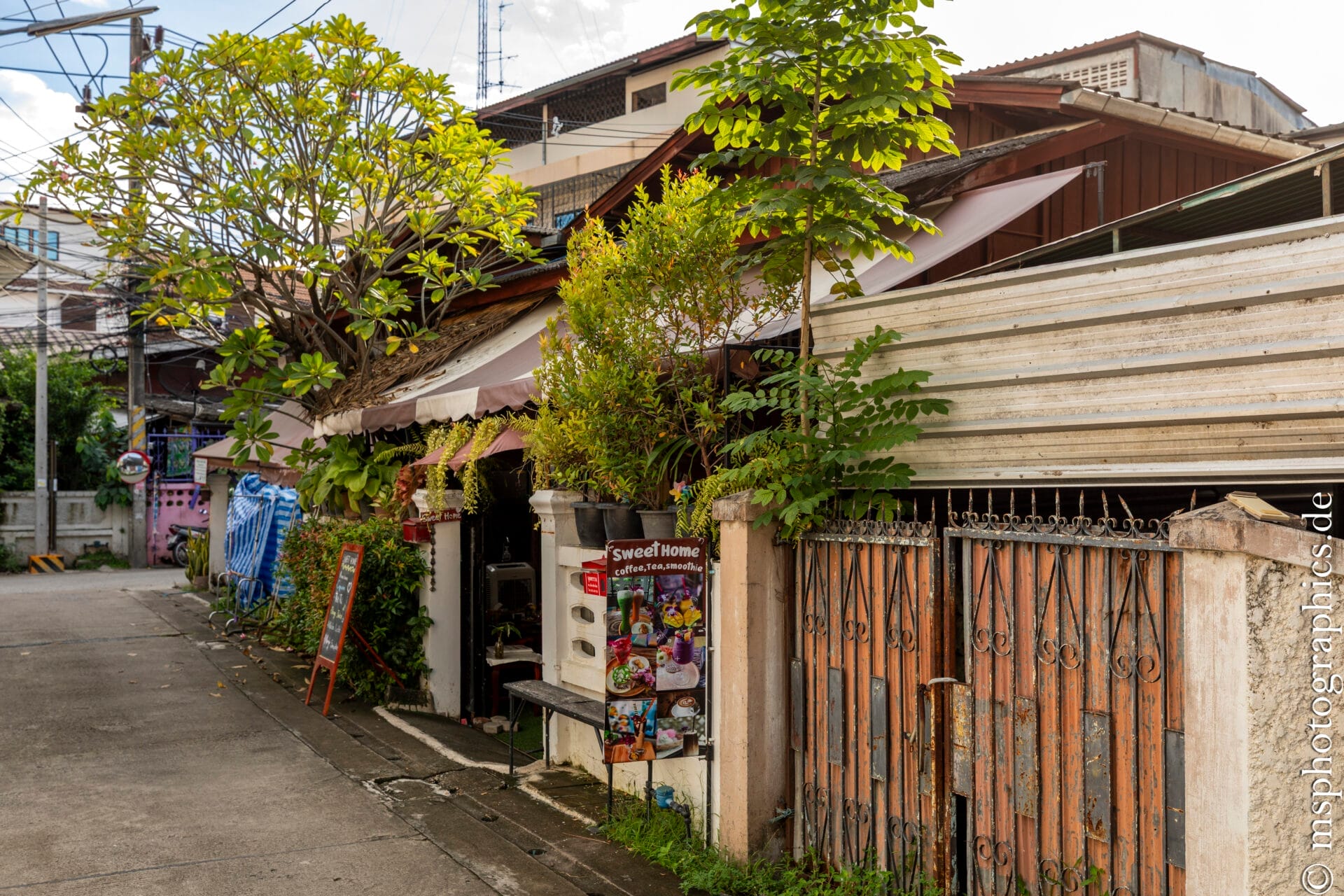
Tuk-tuks are as much a part of Chiang Mai's cityscape as temples and night markets. These three-wheeled, motorized vehicles are not only a practical means of transport, but have long since become a cultural symbol of the city.
A tuk- tuk is an open, small, three-wheeled taxi with a loud engine noise, hence the name. In Chiang Mai, the vehicles are usually brightly painted, often with personal decorations by the drivers. They offer space for two to a maximum of three passengers.
Tuk-tuks are ideal for short and medium distances, especially within the old town. You can even reach the cafes in the narrow streets of the old town.
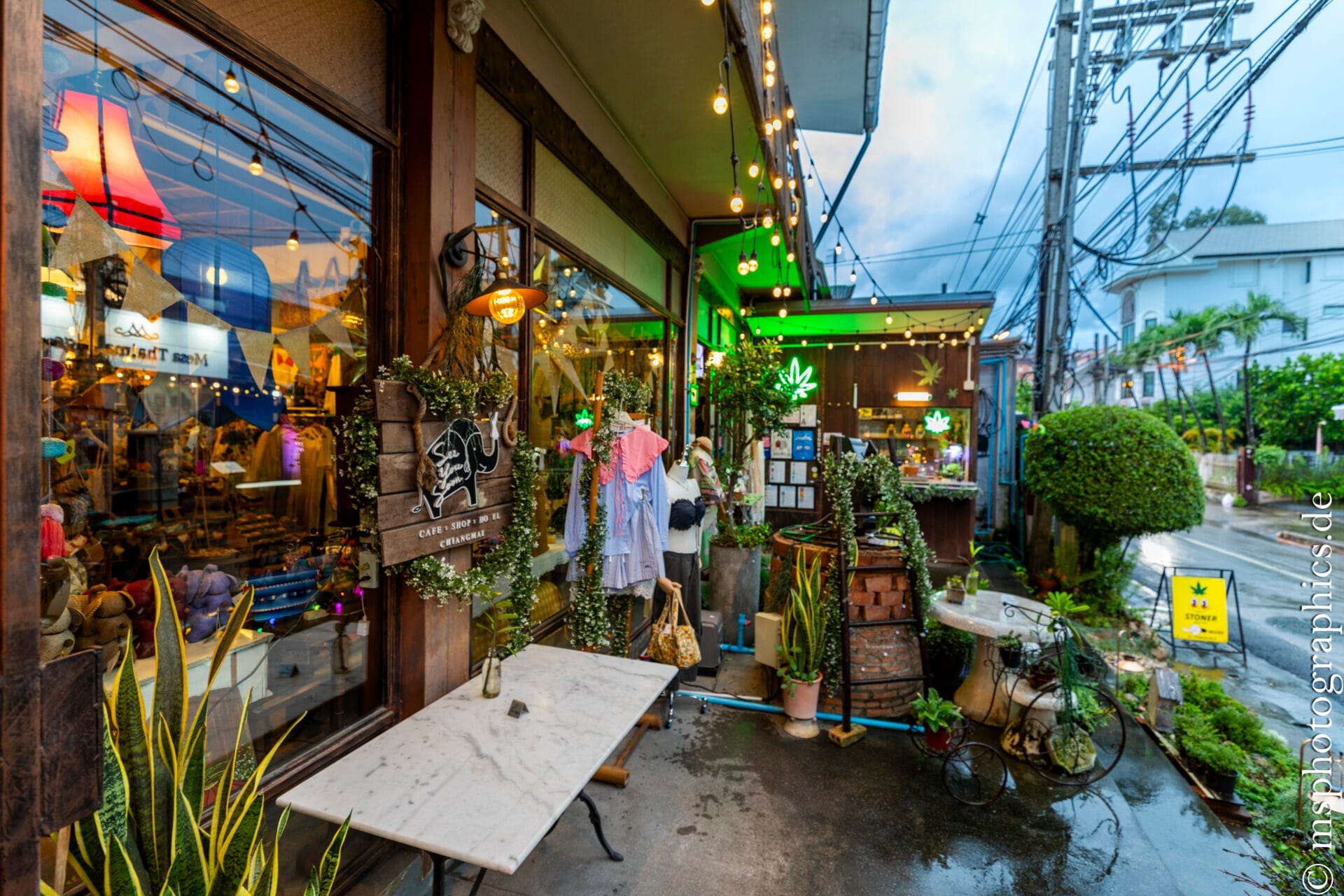
Even at the beginning of October, it is still the rainy season in Thailand, so a tropical downpour is simply part of the experience.
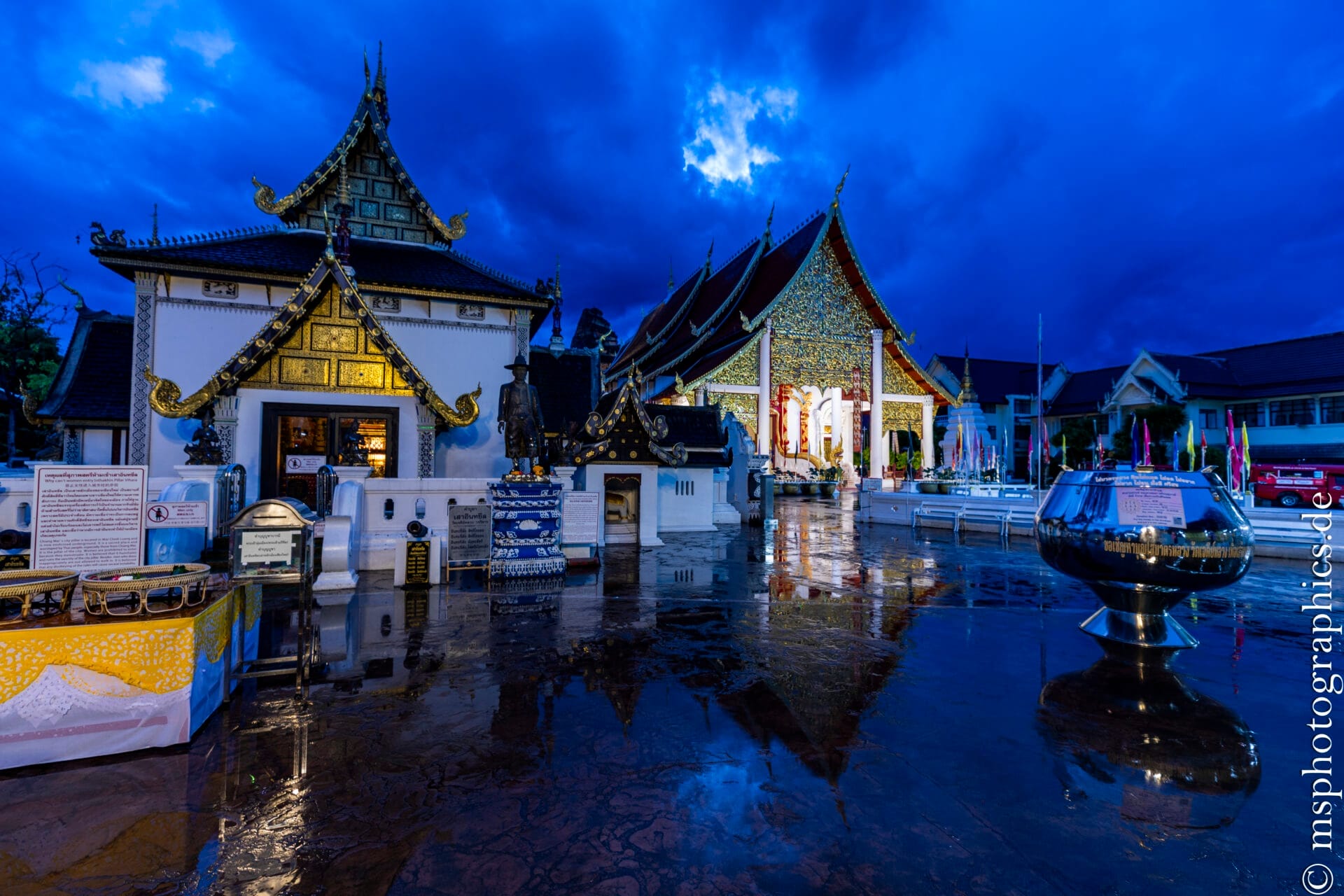

Especially at dusk, the dark rain clouds create a spectacular atmosphere.
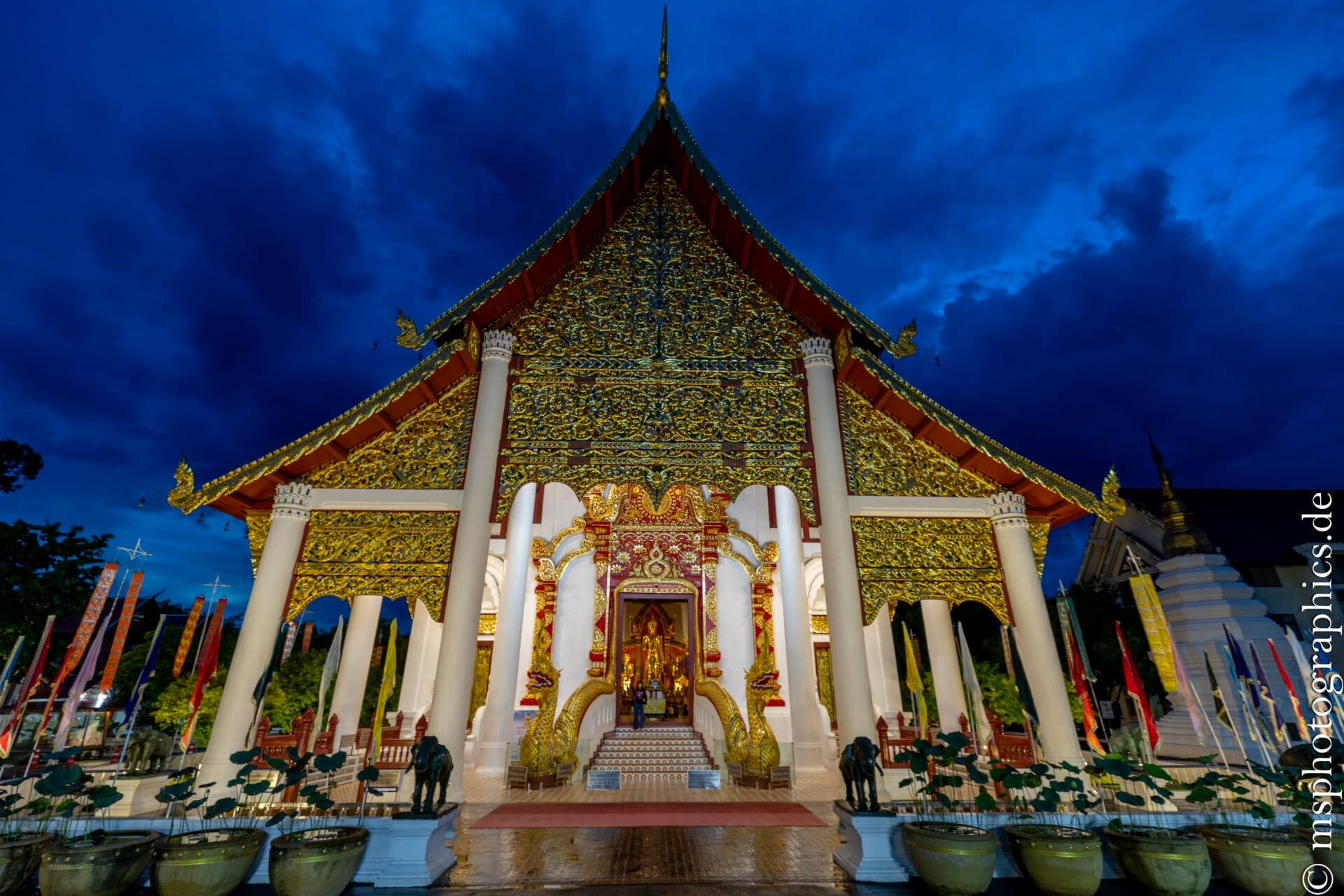
Wat Chedi Luang is located in the center of Chiang Mai's old city and is one of the most important and impressive temple complexes in the city.
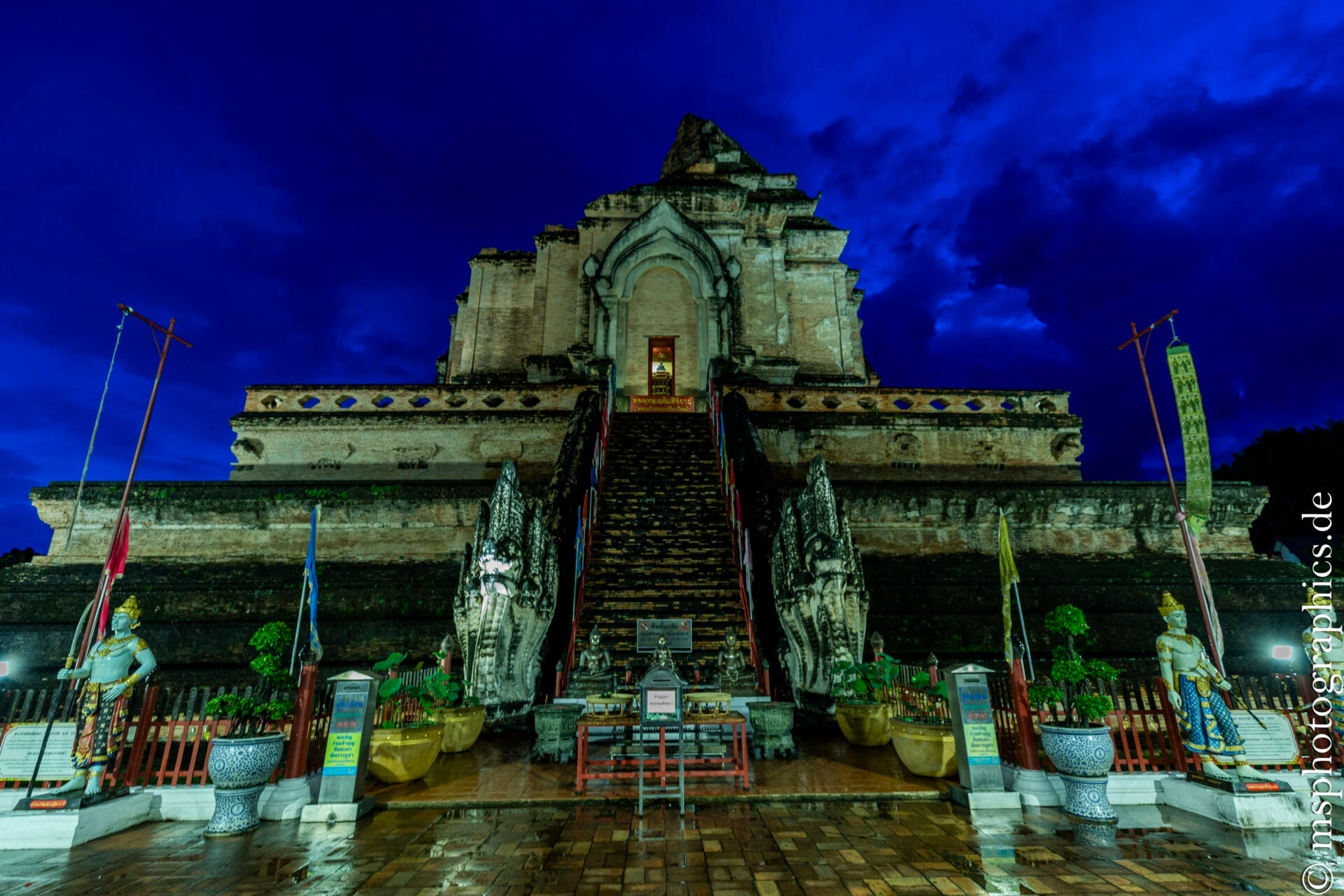
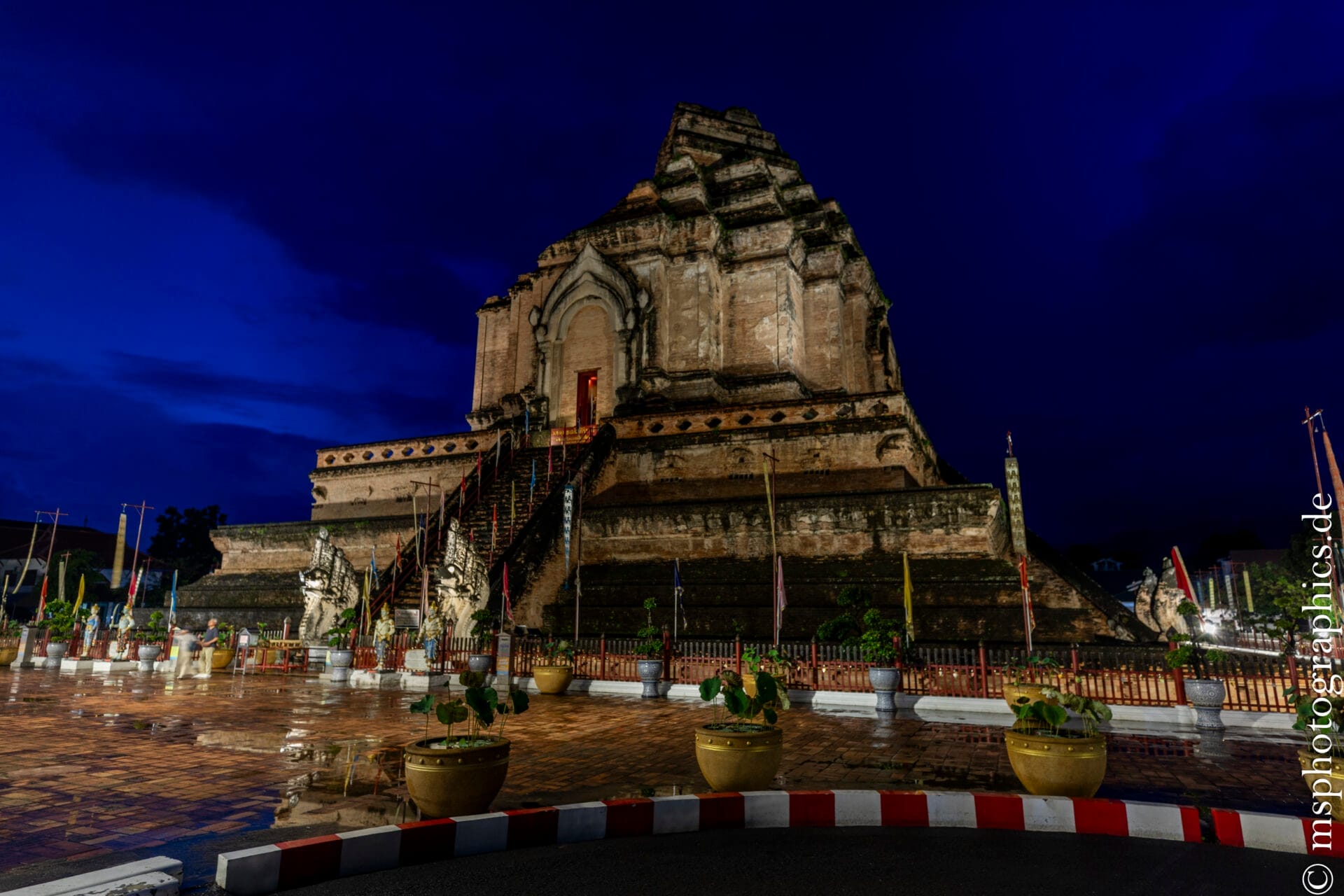
A visit in the evening is particularly atmospheric. When illuminated, the venerable temple complex appears impressive, serene, and dignified.
Wat Phra That Doi Suthep – The mountain temple above Chiang Mai:
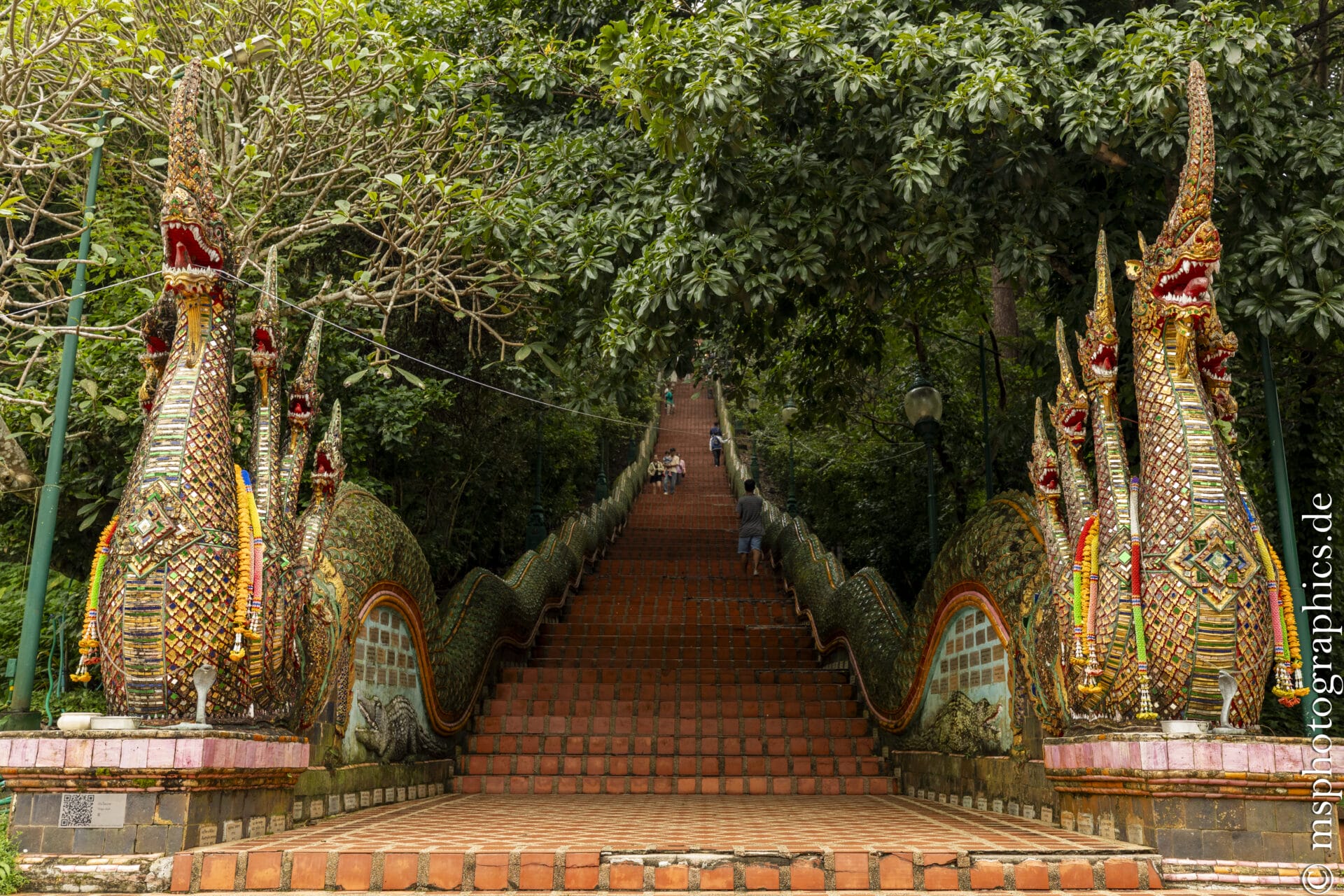

Wat Phra That Doi Suthep is located on Doi Suthep mountain, about 15 kilometers west of the center of Chiang Mai, at an altitude of around 1,070 meters.
Access is via a famous staircase with approximately 306 steps, flanked by intricately carved Naga serpents. A truly iconic sight and one of the most photographed locations in Northern Thailand.


It is considered one of the holiest temples in northern Thailand and is a central location for pilgrims, tourists, and worshippers. Many Thais say that anyone who hasn't seen Doi Suthep hasn't truly known Chiang Mai.
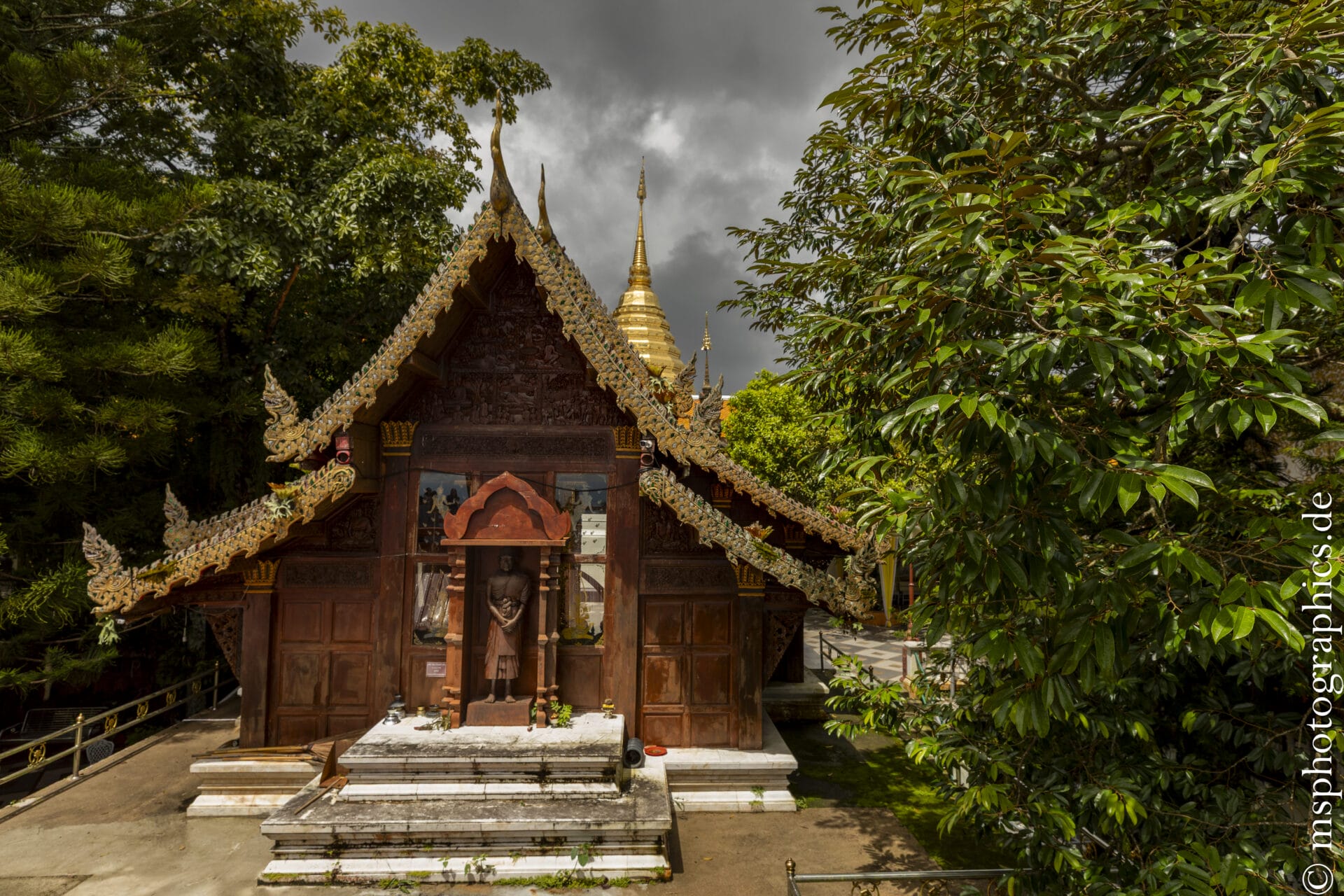
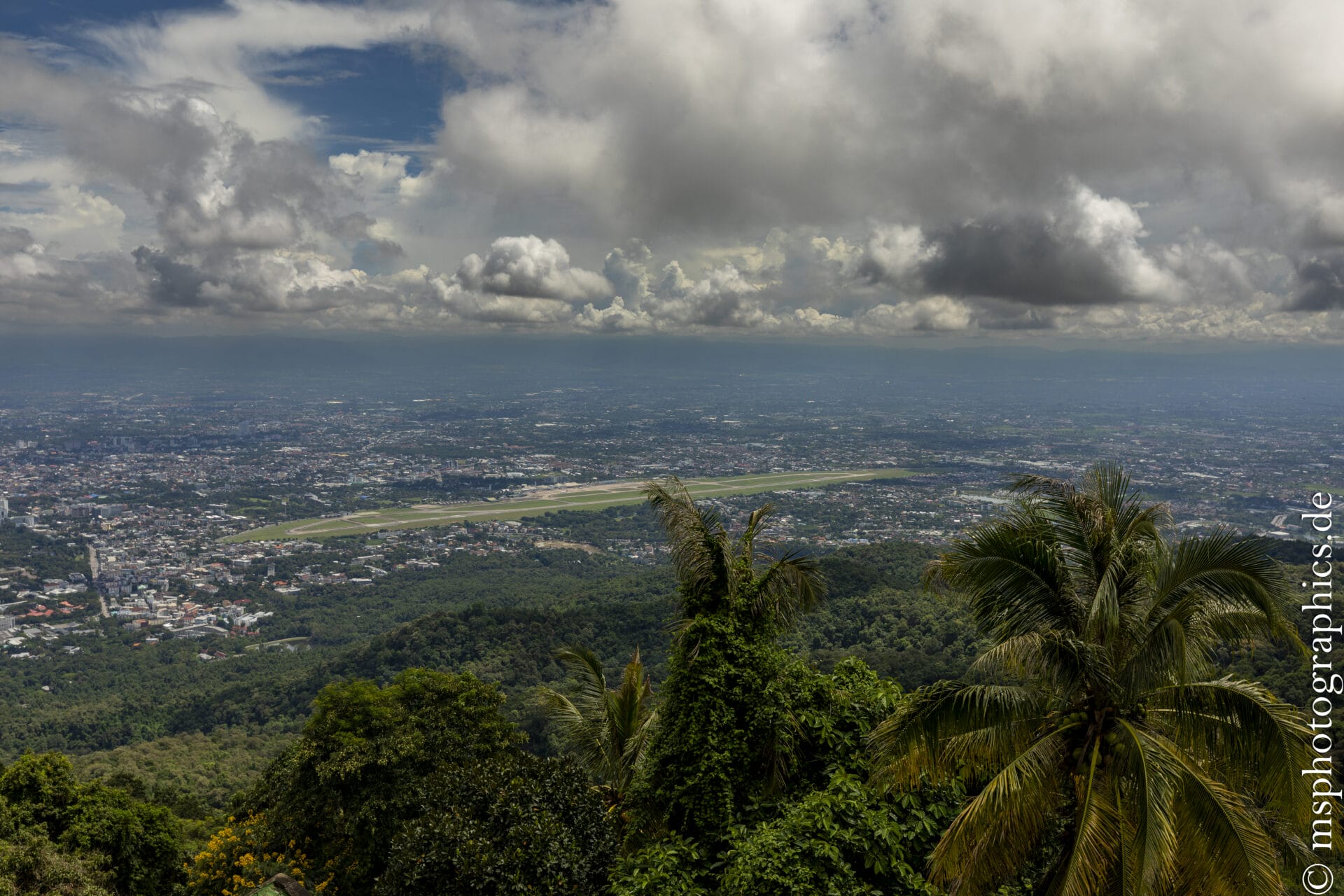
For those who don't want to climb the stairs on foot, there's a small funicular railway that makes the ascent easier. Ideal for early mornings or in extreme tropical heat.
Around the temple are shrines, smaller pavilions and viewpoints from which, on a clear day, one can enjoy an impressive view over Chiang Mai and the surrounding area.
Back in the center of Chiang Mai:
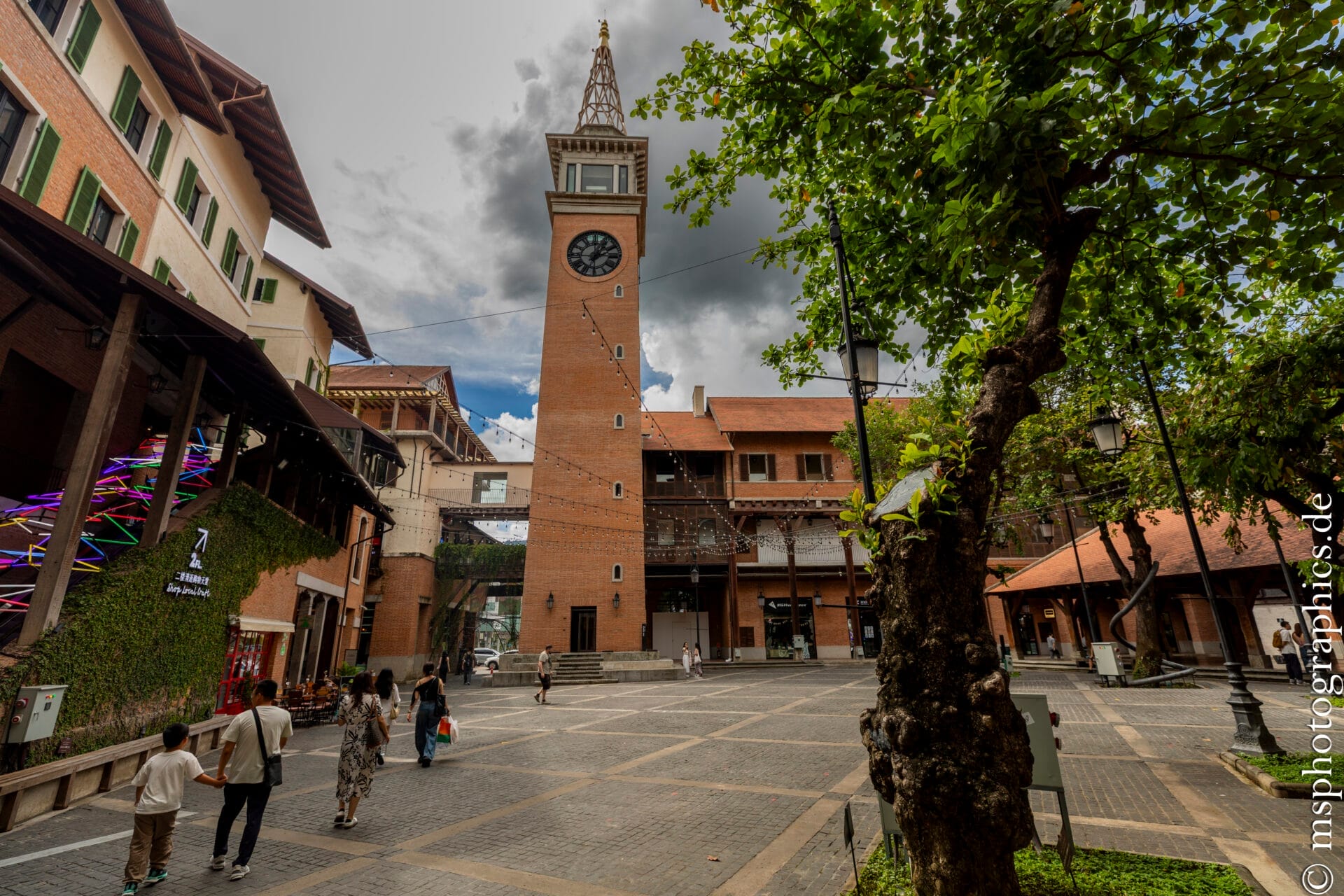

Chiang Mai's city center also has its modern side. The arcades are home to numerous restaurants and souvenir shops where you can find some great bargains.
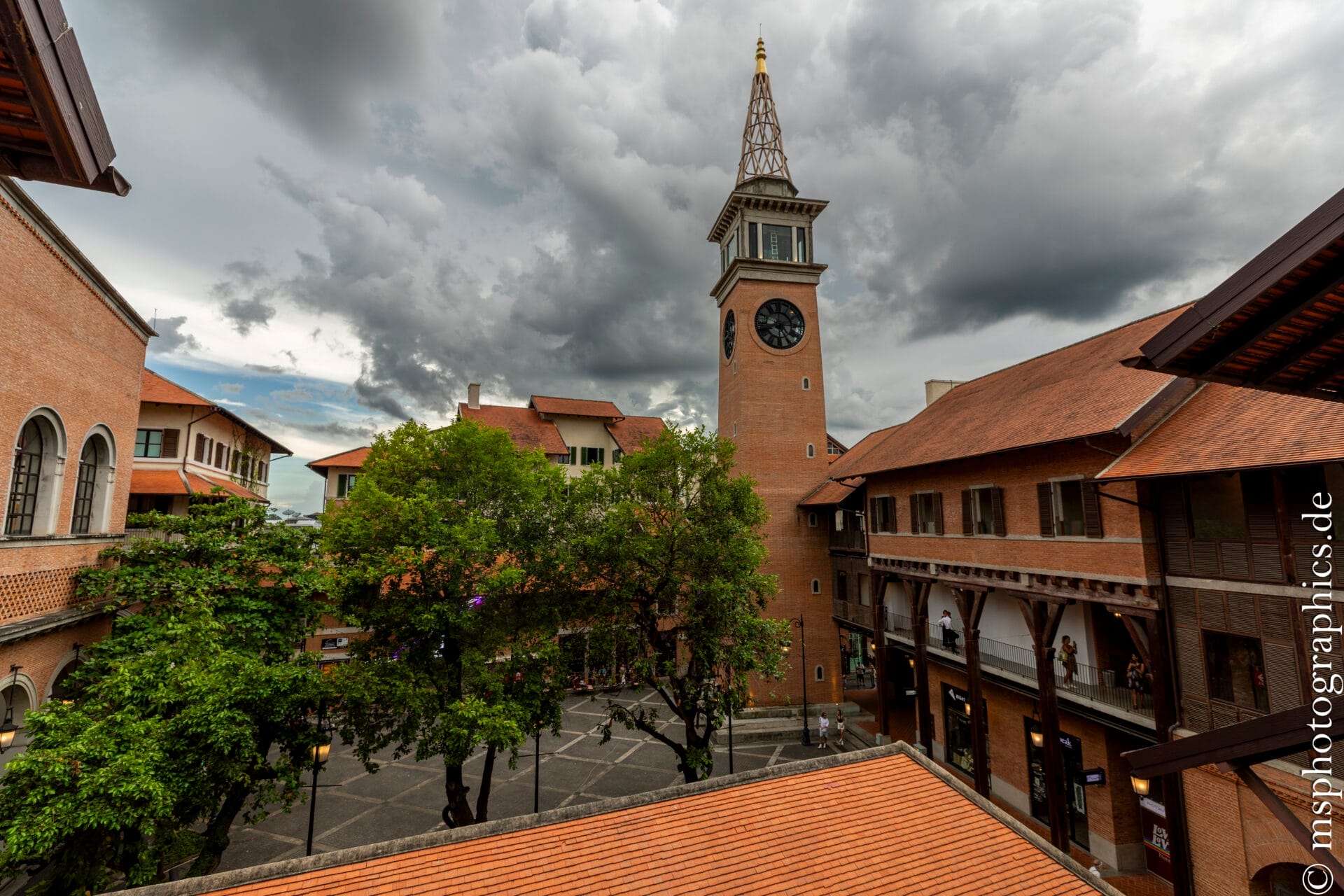

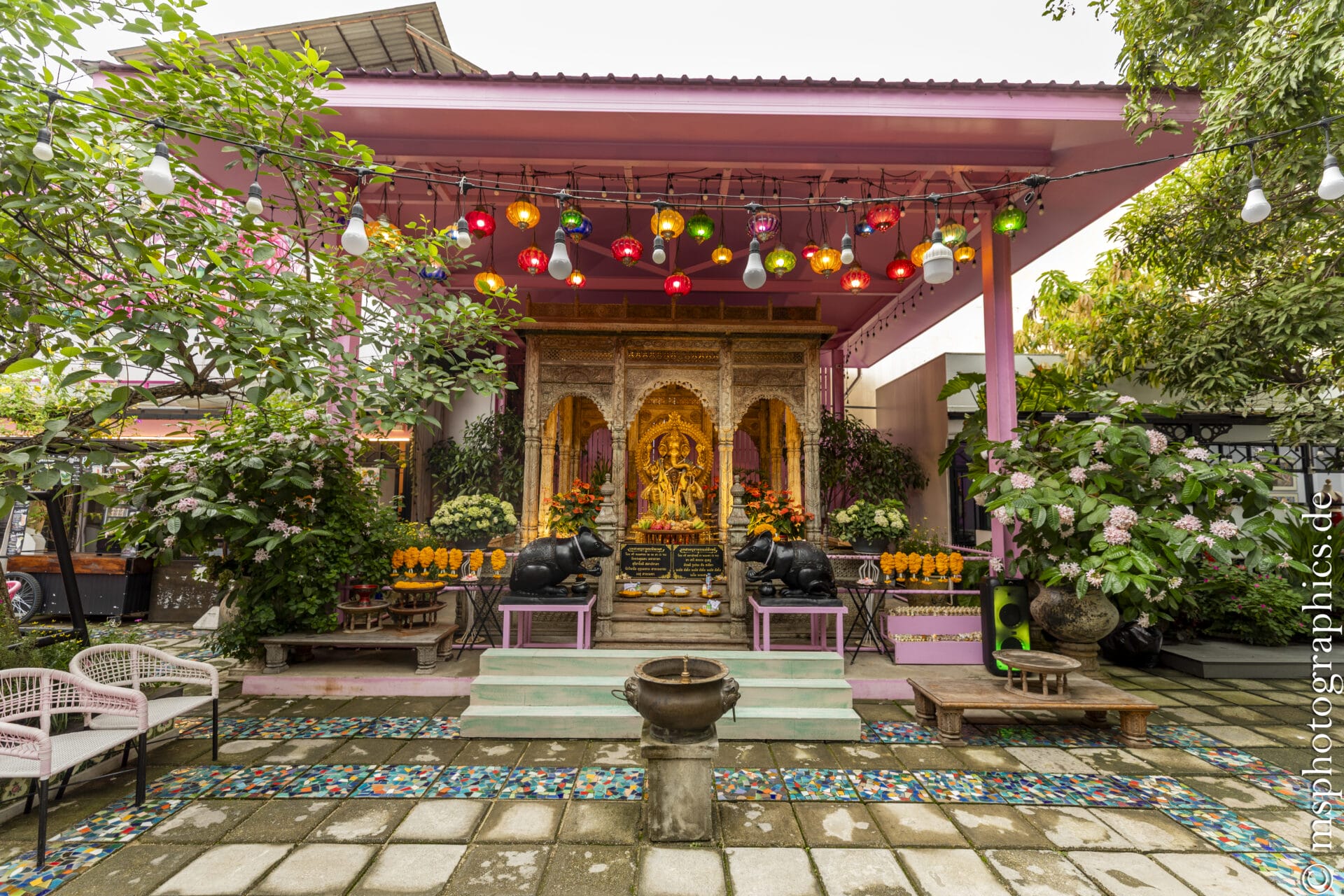
In the courtyard of the arcade, we found what was probably the most bizarre temple of our trip.
The Doi Inthanon National Park:

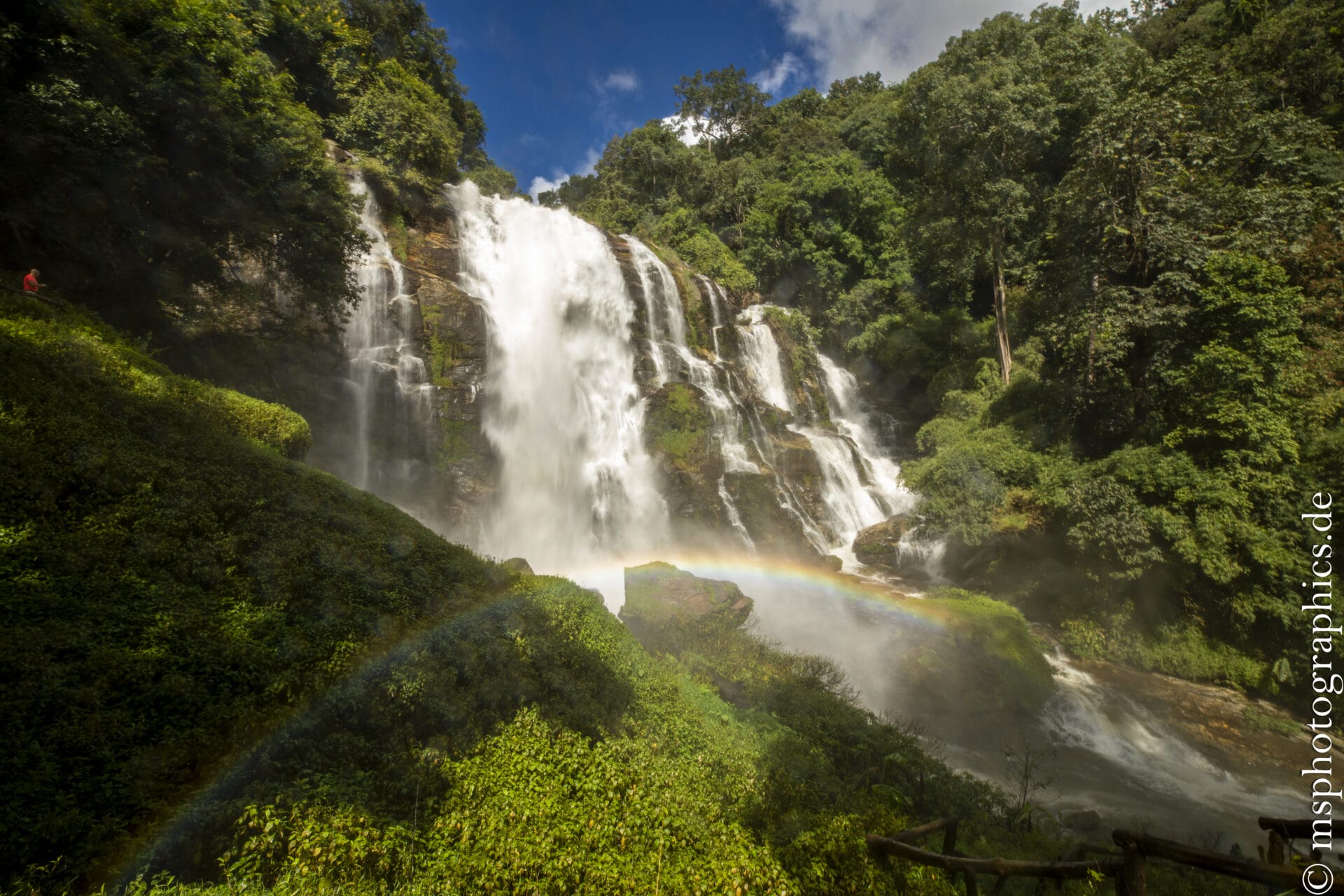
First stop on our day trip through the Doi Inthanon National Park, with a visit to Thailand's highest mountain, the Wachirathan Waterfall, is a must-see. Wachirathan is particularly impressive due to the sheer volume of water. The water cascades down the rocks in several stages, creating a spectacular effect during the rainy season.
The wild, rushing waterfall, nestled in lush greenery, provides an intense nature experience and offers a welcome refreshment after a drive or hike.
A visit is particularly worthwhile after rainfall or during the wet season when the waterfall is flowing at full strength.
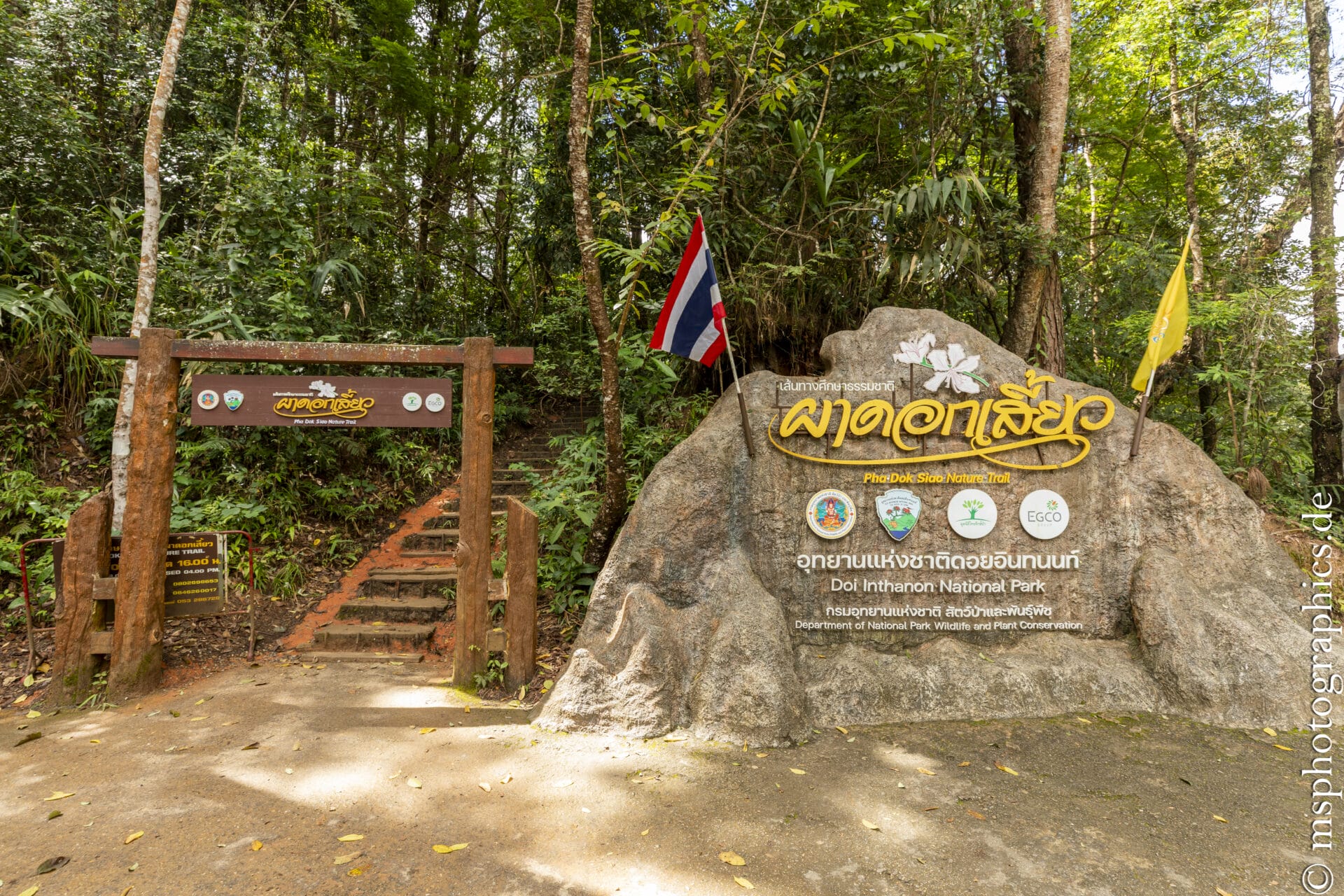
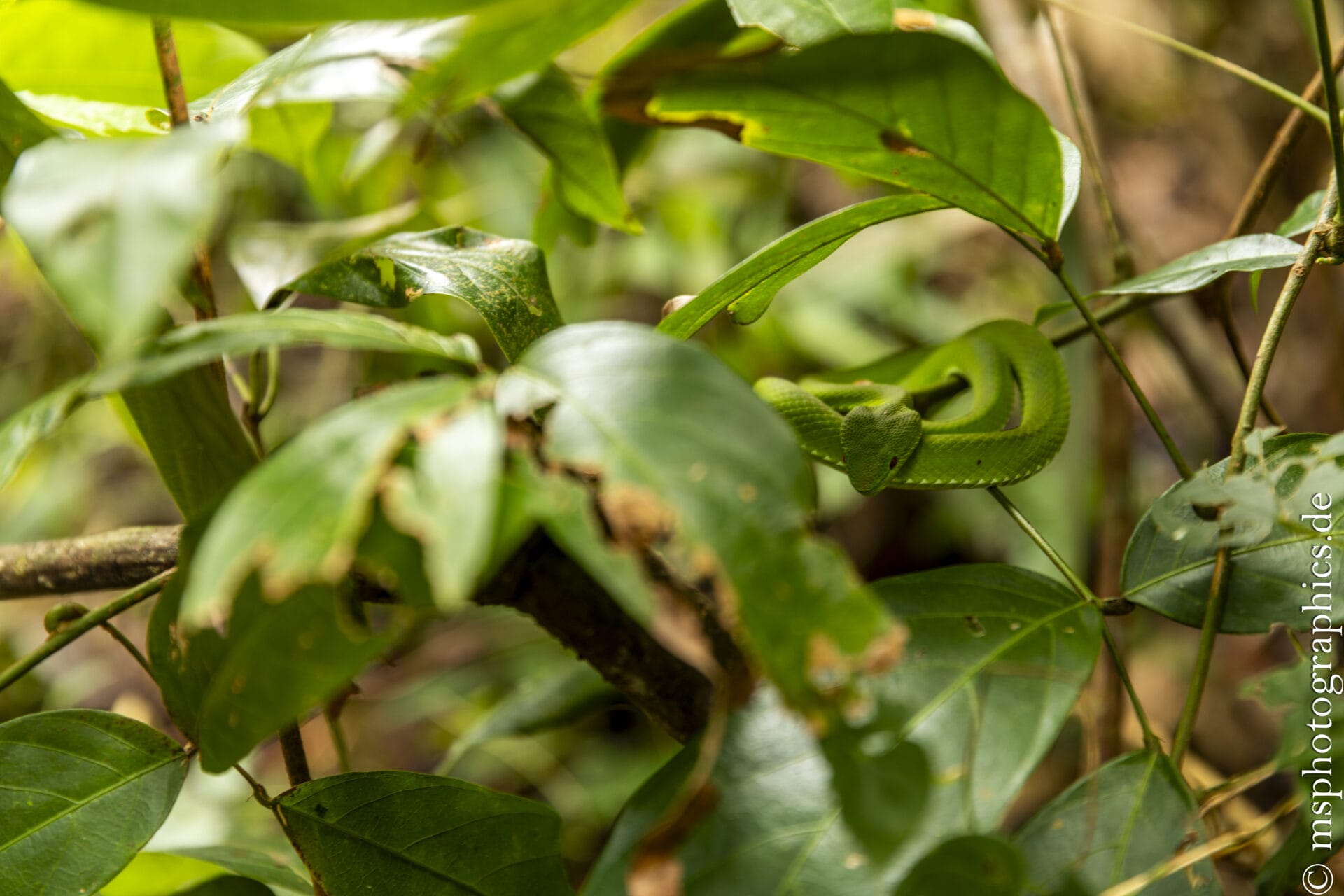
A jungle hike in Doi Inthanon National Park, home to Thailand's highest mountain range, is one of the most impressive natural experiences around Chiang Mai. Known for its dense mountain rainforests, roaring waterfalls, and pleasantly cooler climate, the park offers hikers a diverse landscape brimming with tropical variety.
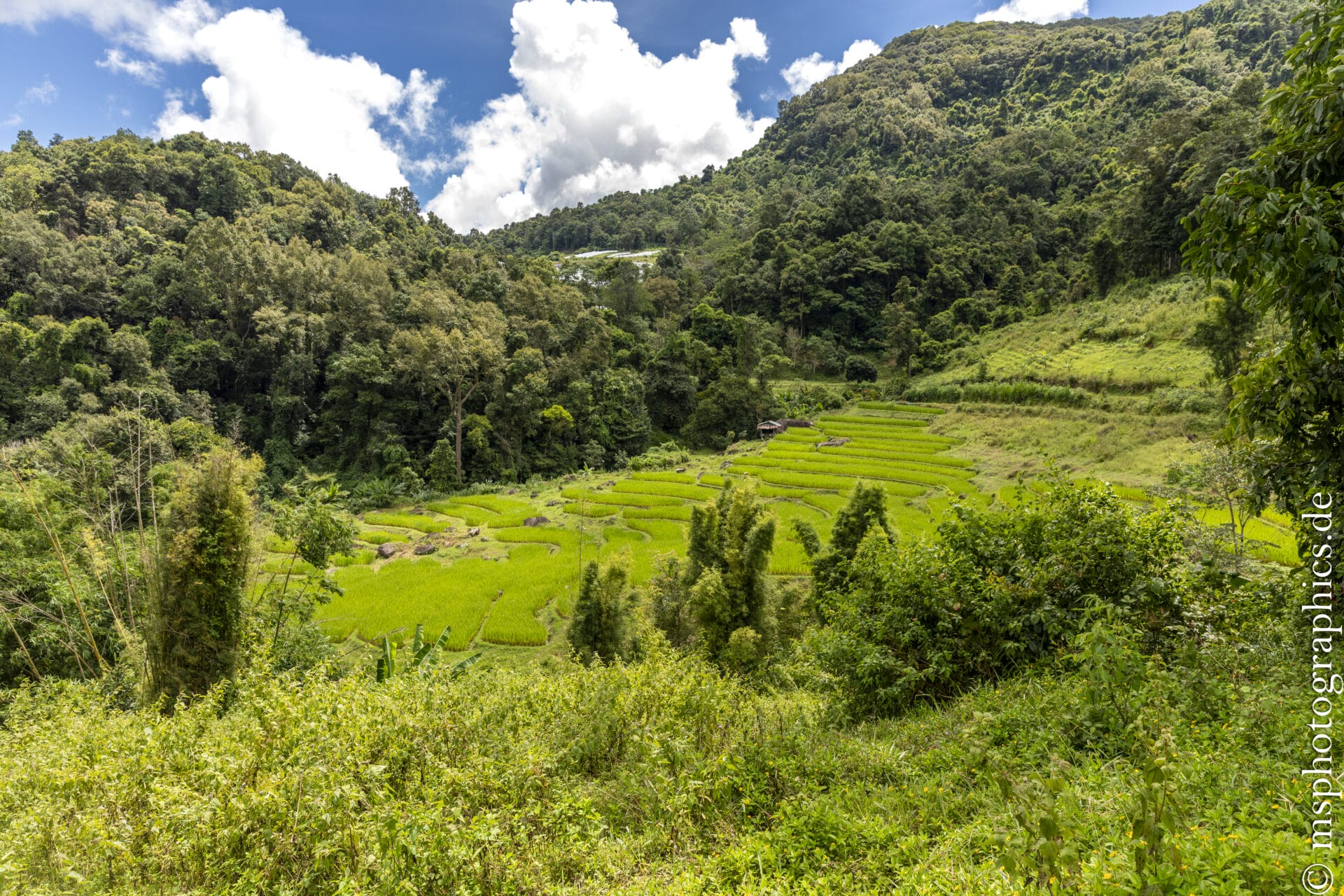
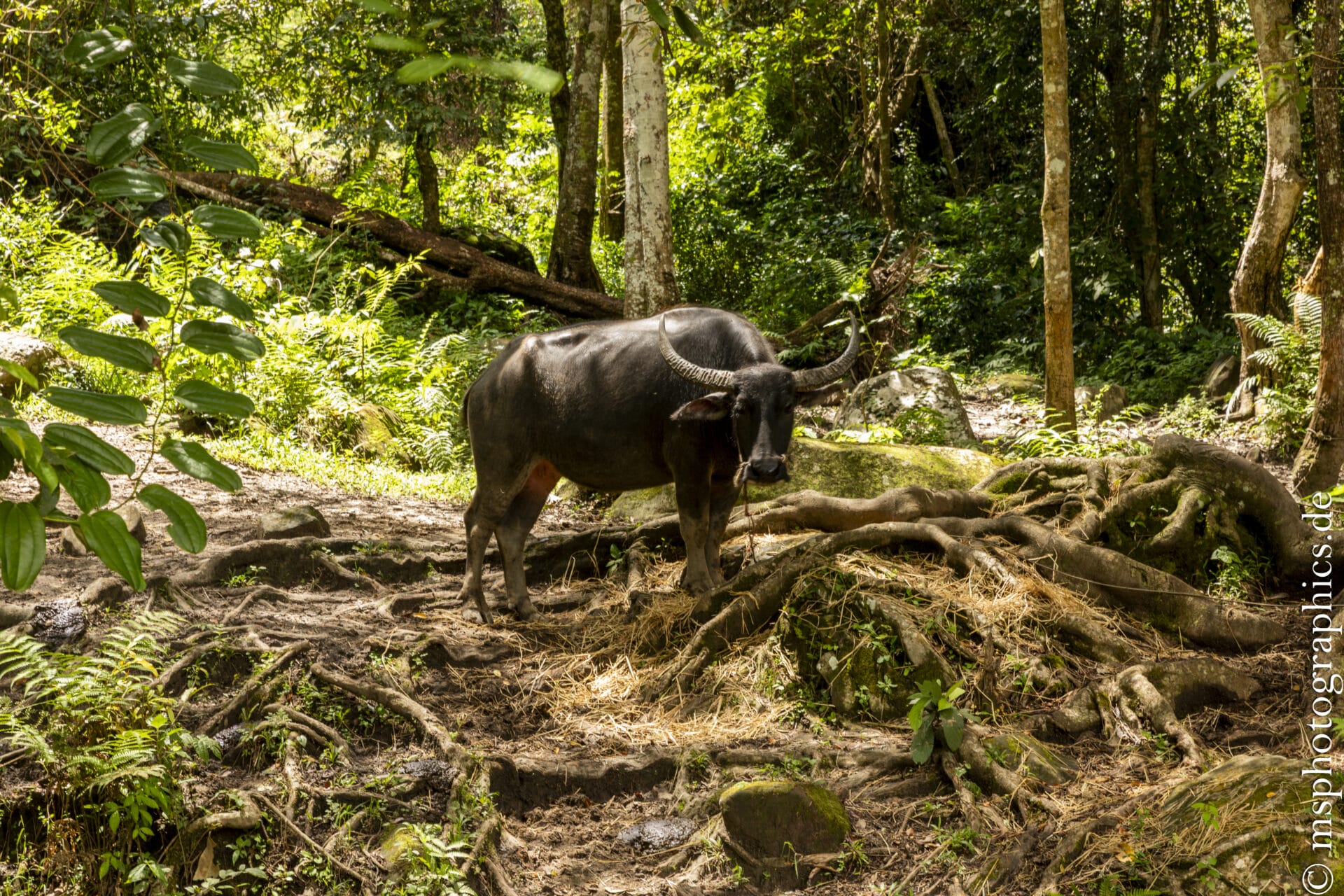
Guided hikes with local Karen or Hmong guides offer insights into the culture of the hill tribes and impart knowledge about the plants, animals, and ecosystems of the national park. Depending on the route, the difficulty level varies from leisurely strolls to treks lasting several hours. Many trails lead along small rivers or to viewpoints overlooking the verdant, forested mountains.
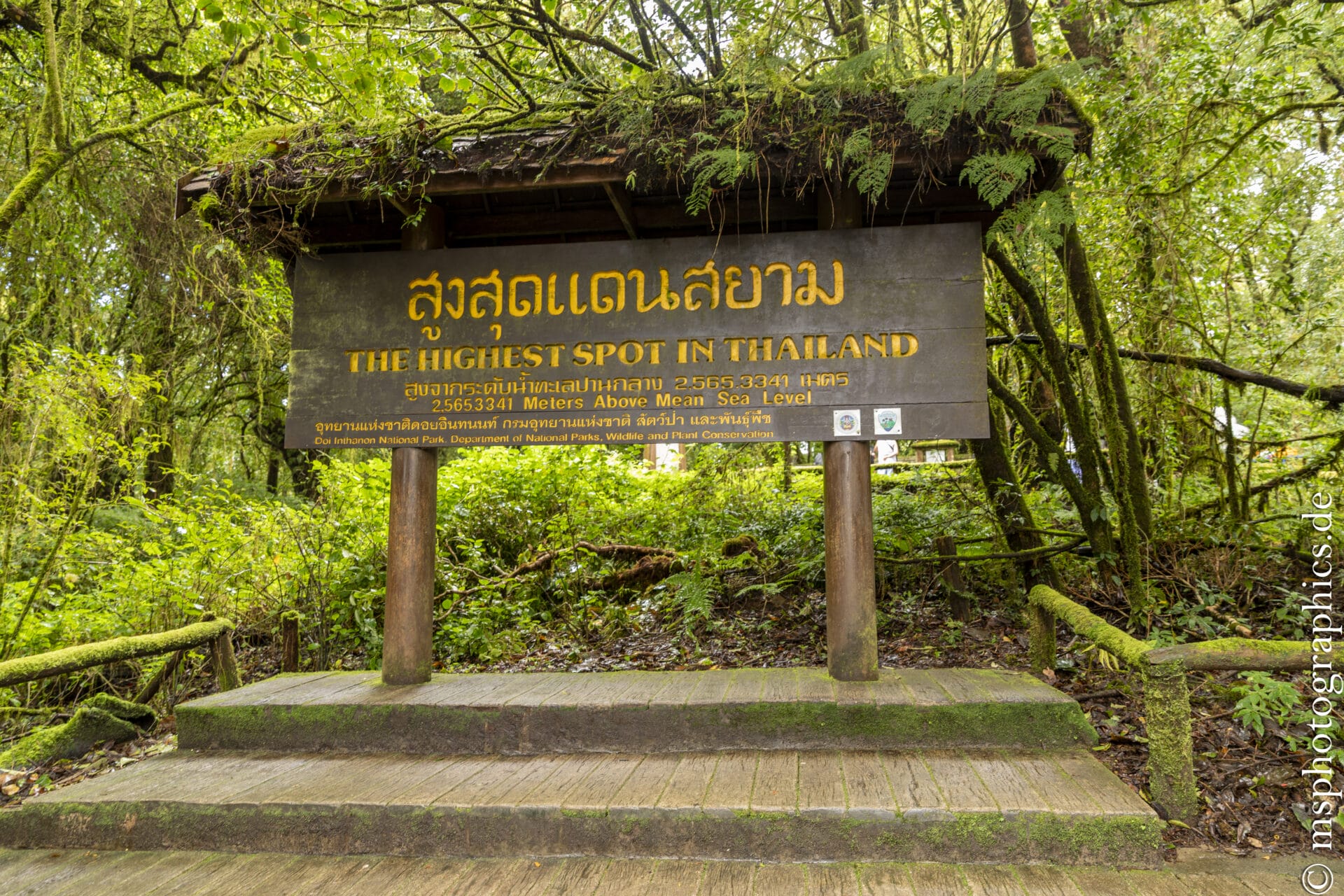

At 2,565 meters above sea level, the summit of Doi Inthanon is the highest point in Thailand. It lies within the national park of the same name and is one of the most popular tourist destinations in northern Thailand. Despite its impressive height, the summit is easily accessible via a well-maintained road.
At the top, visitors won't find a rugged mountain peak, but rather a fairytale-like, mist-shrouded mountain forest. The climate is noticeably cooler than in the lowlands, especially in the mornings or during the rainy season. A short circular trail leads through moss-covered trees, lush vegetation, and an almost mystical cloud forest reminiscent of tropical highland forests in South America.
Phra Mahathat Naphamethanidone:
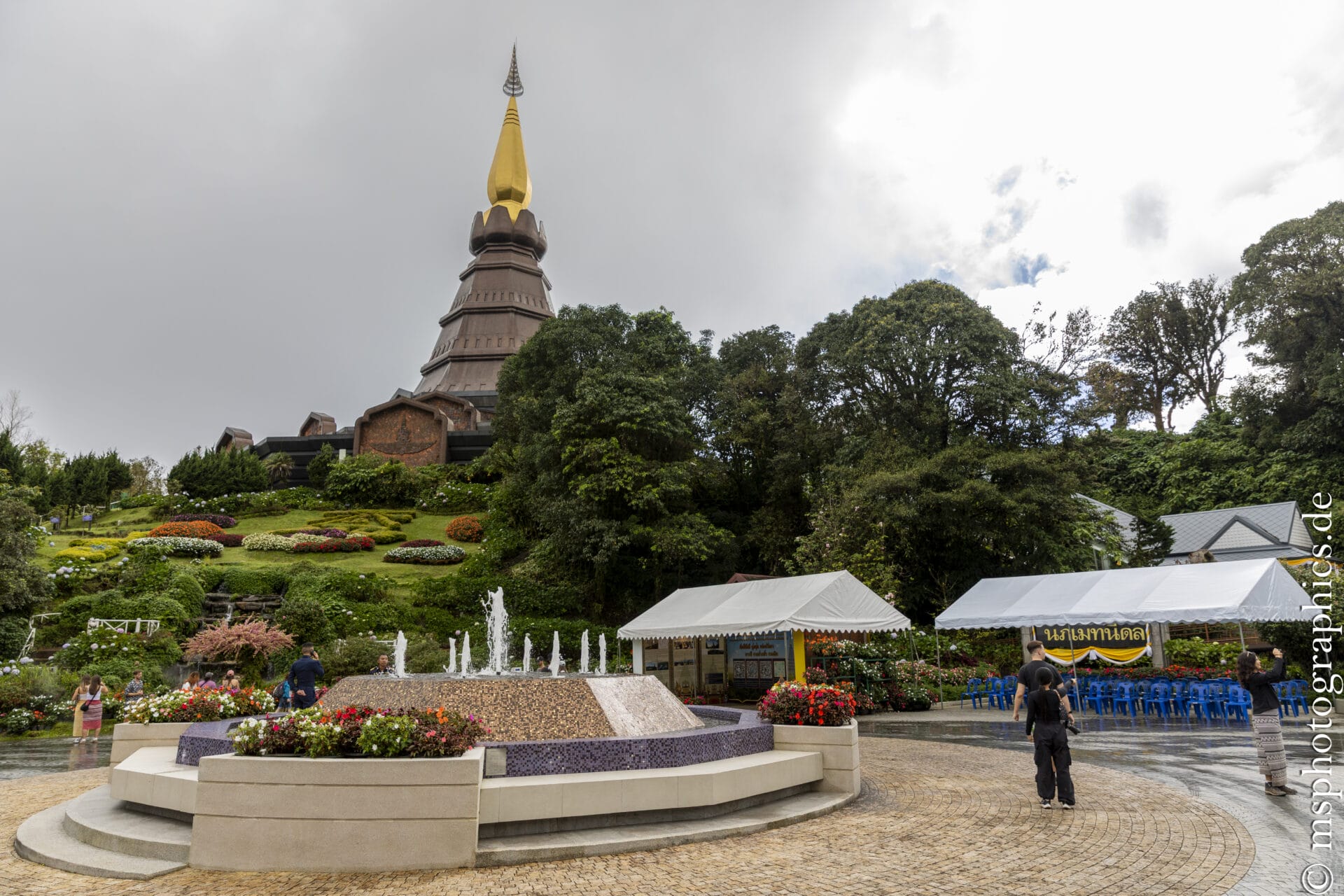
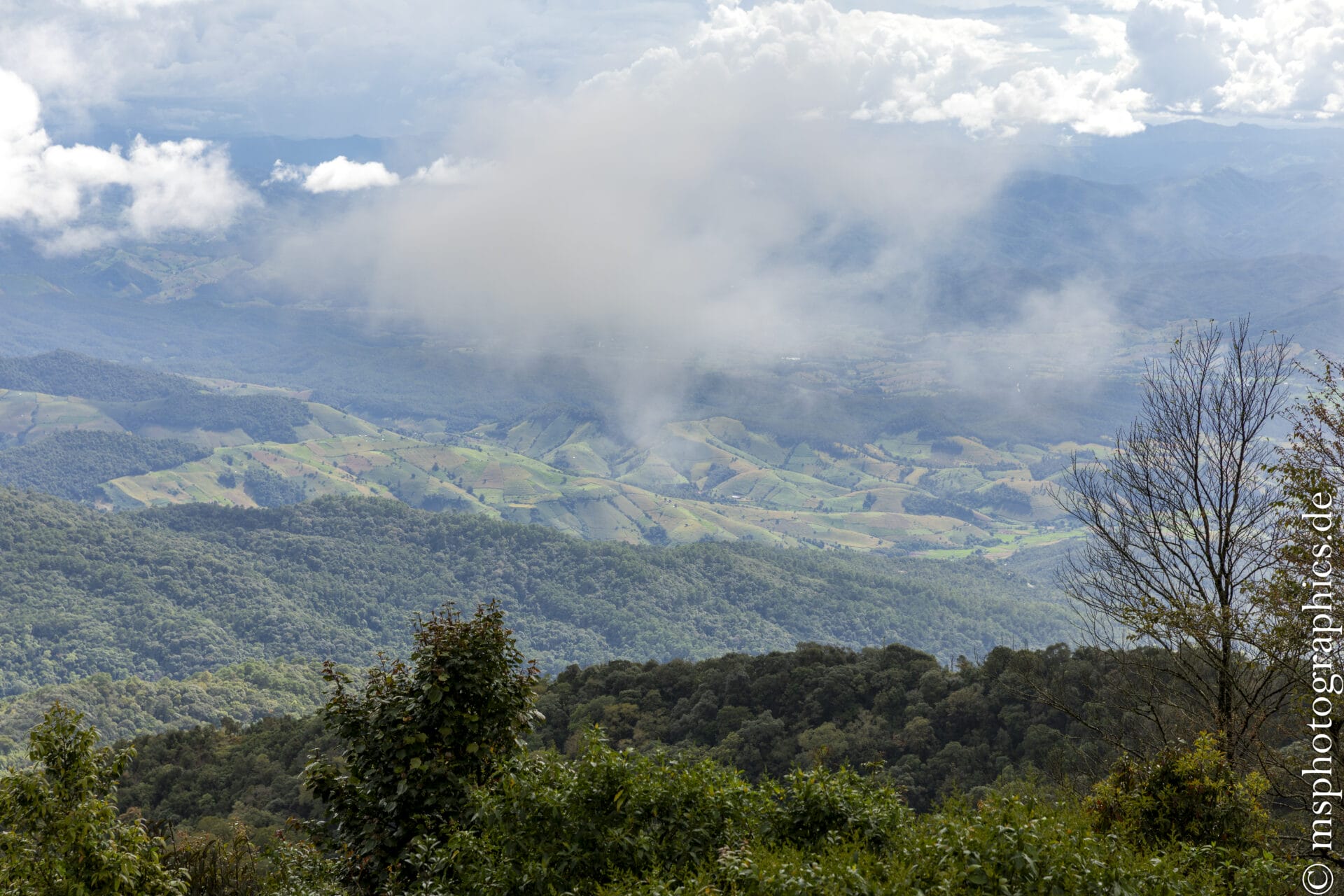
Phra Mahathat Naphamethanidon is situated on a hill in the mountainous region near Chiang Mai, offering visitors magnificent views of the natural landscape of northern Thailand. The site is considered one of the region's cultural and spiritual landmarks and is a destination for travelers seeking to combine nature, tranquility, and Buddhist spirituality.
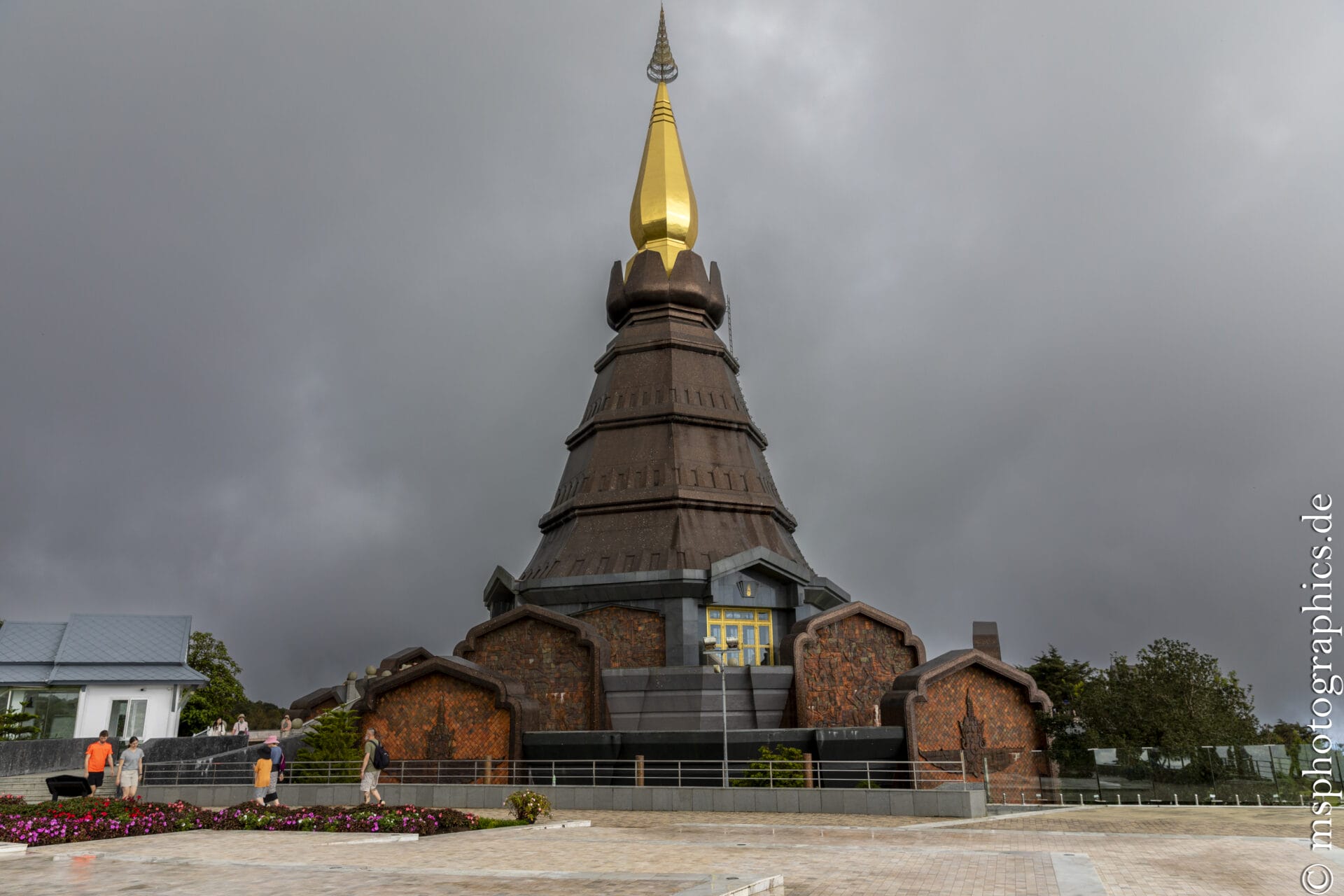

The complex includes a stupa-like pagoda that combines classic Thai architecture with Buddhist symbols.
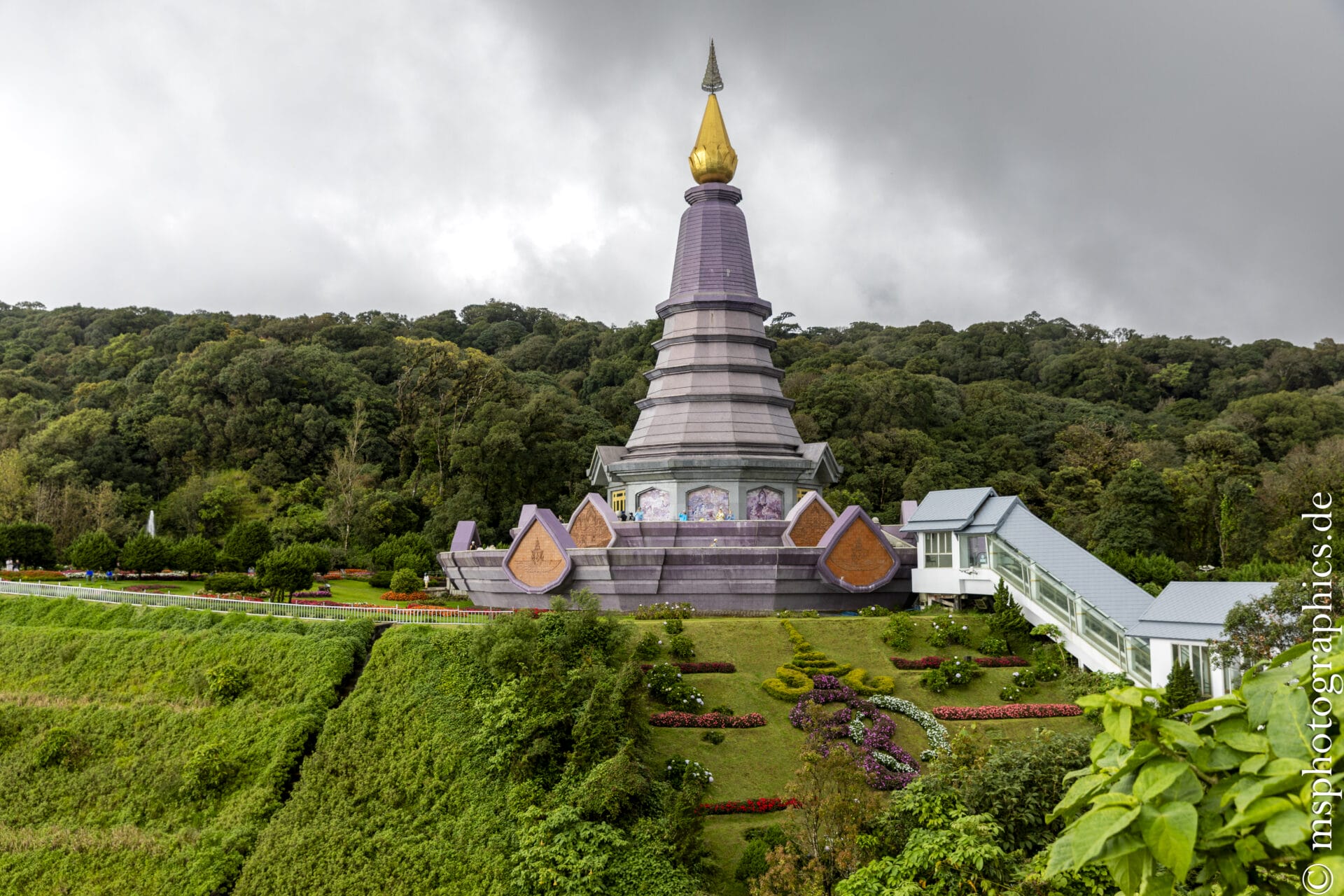
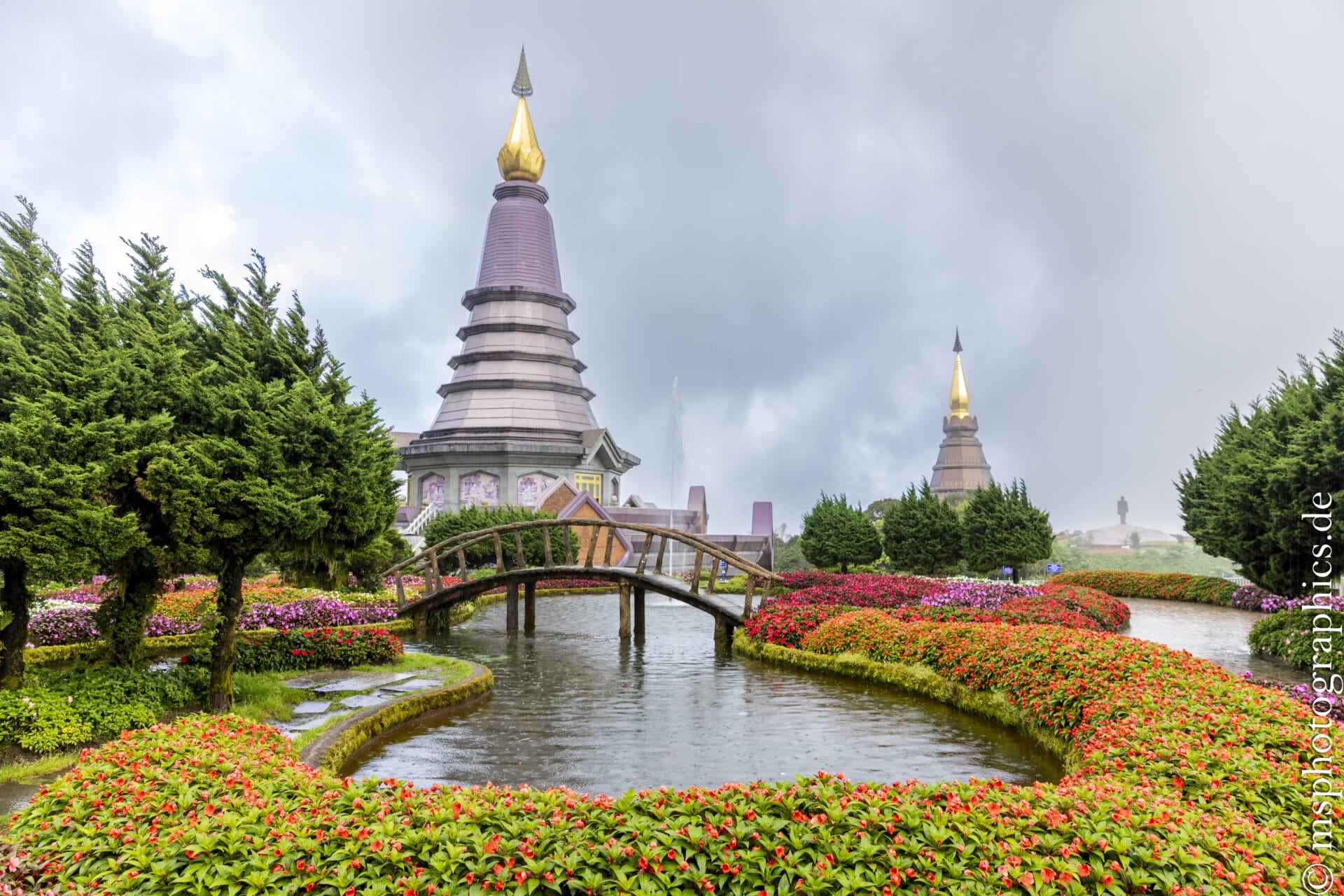
Especially on clear days, visitors not only enjoy the architectural impression, but also a calm, peaceful atmosphere with spectacular views of the surrounding mountains.
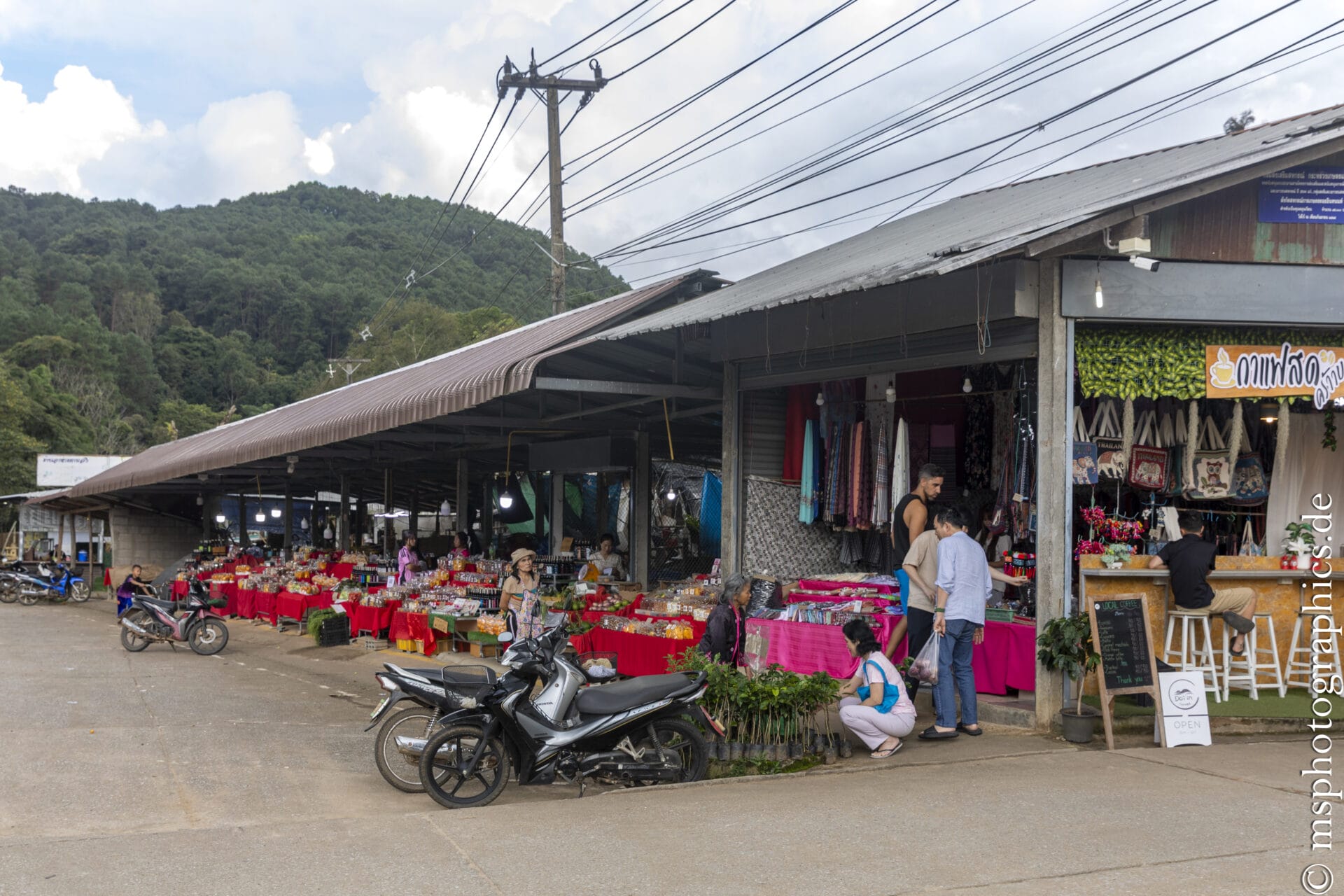
On the way back to Chiang Mai, we stop at a small market. There you can buy local delicacies such as fruit, dried fruit and other snacks for the journey.
Pa Miang , a village of the long-necked women minority:
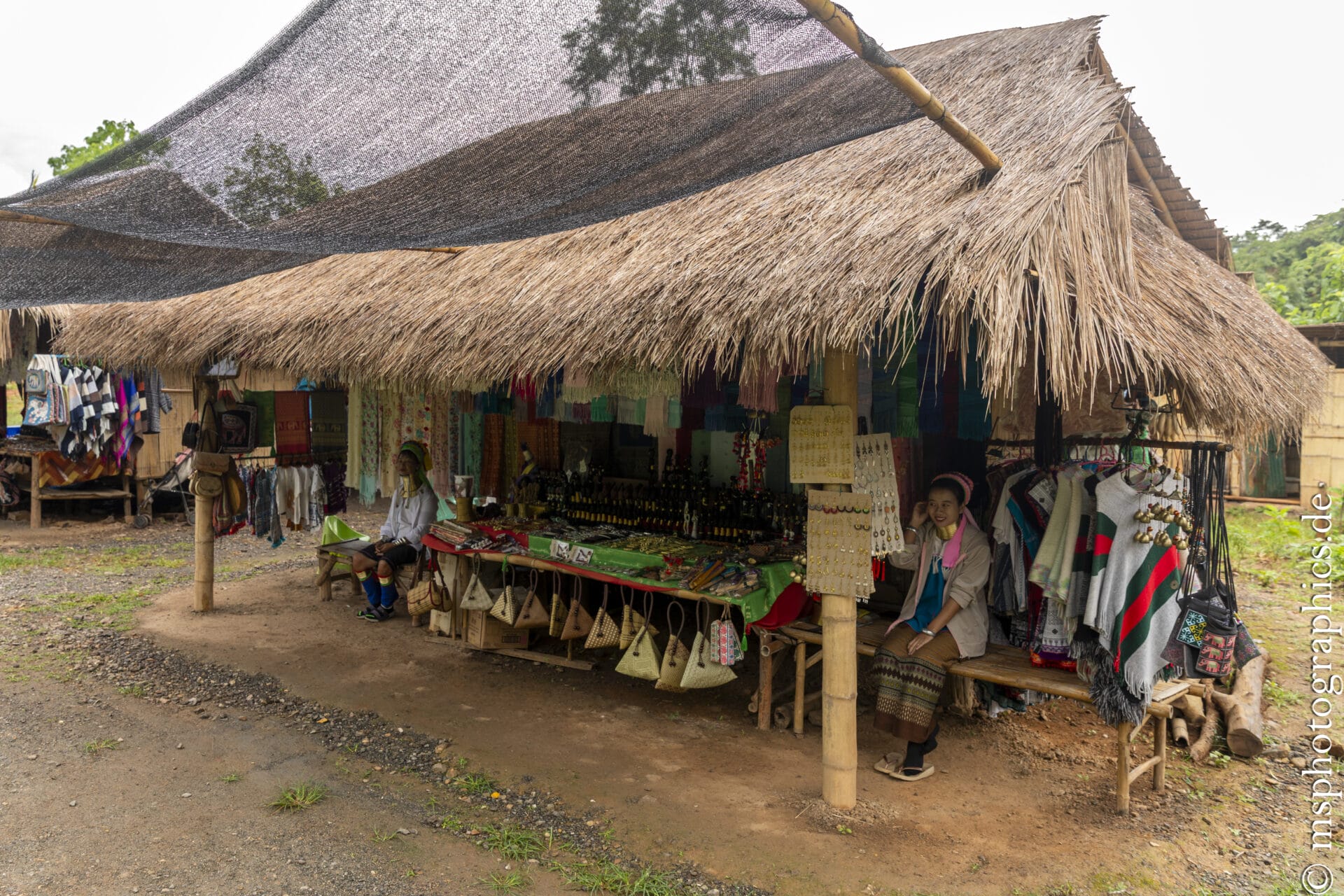
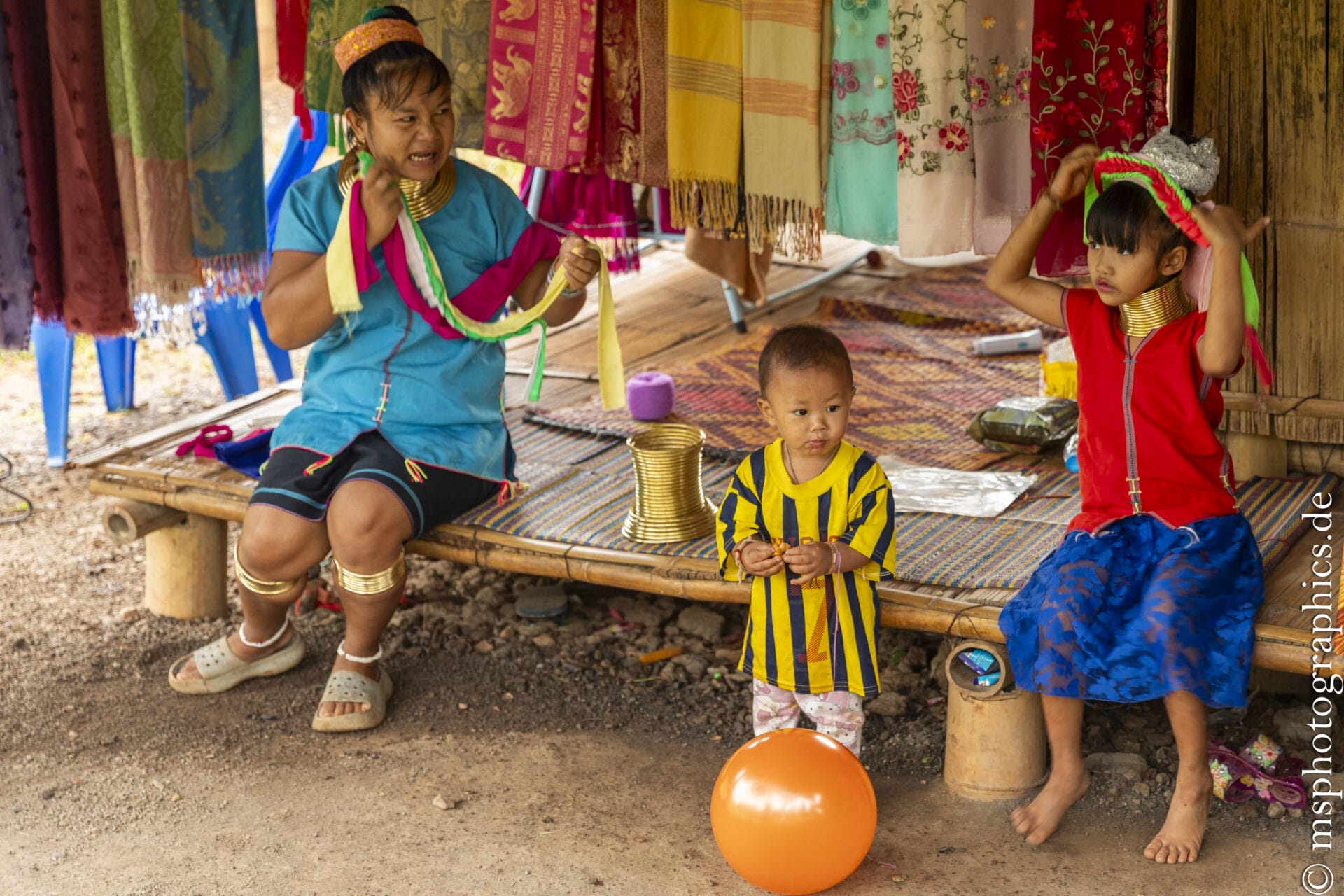
Between Chiang Mai and Chiang Rai lie several small mountain villages inhabited by members of the Kayan minority. Internationally, they are often known as "long-necked women". One of these villages is Pa Miang, a small settlement that offers visitors an insight into the culture of this ethnic group.
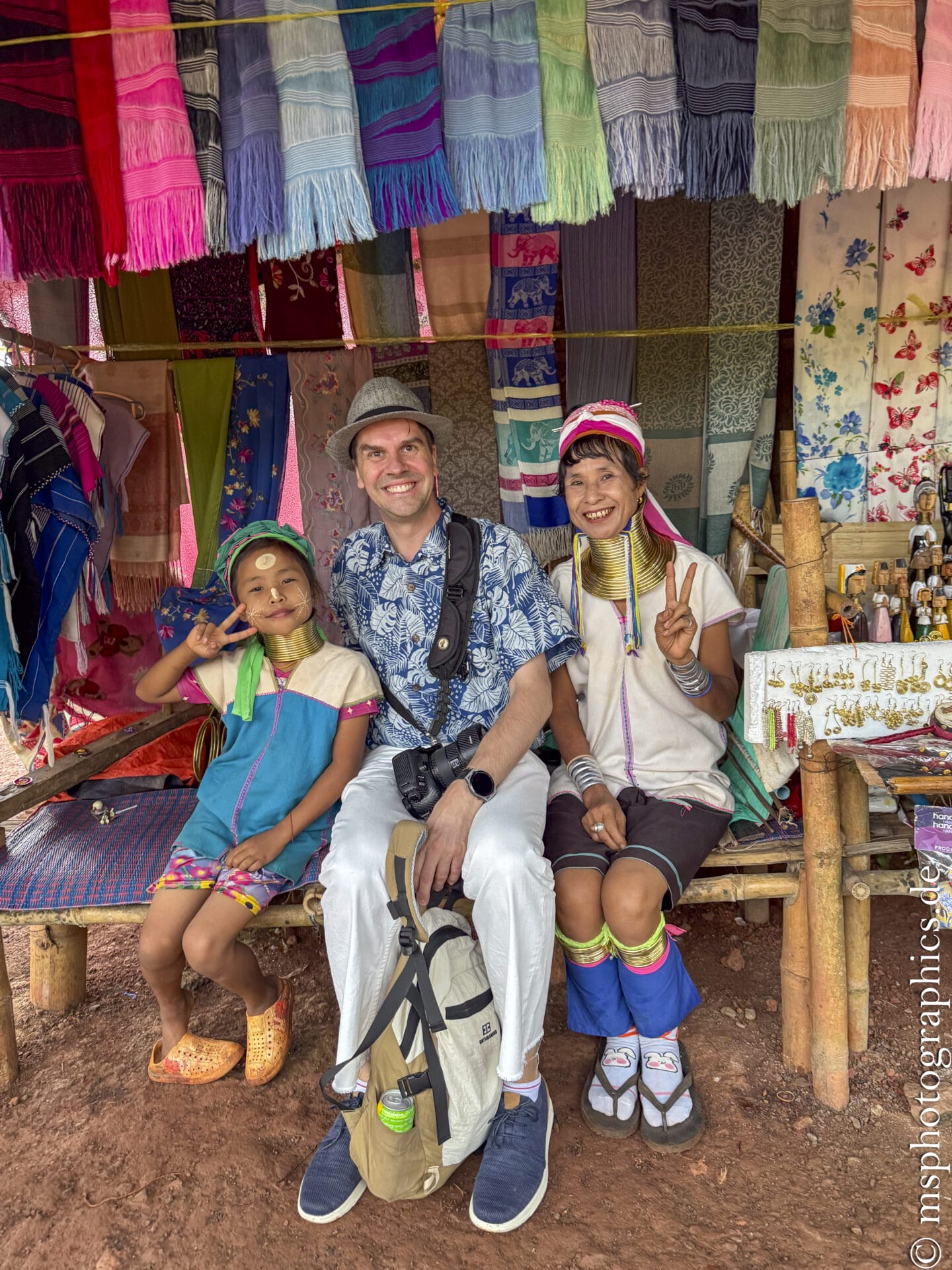

The Kayan people originally come from Myanmar and belong to the larger Karenni ethnic group. Due to political unrest, many families fled to northern Thailand and now live in safe, but often simple, mountain villages. The distinctive neck rings are traditionally worn only by some women and culturally symbolize beauty, identity, and belonging.

Pa Miang offers the opportunity to learn more about the history, challenges and culture of the Kayan people in a quieter, more human way than at many well-known tourist spots.
Mae Kachan hot water spring:
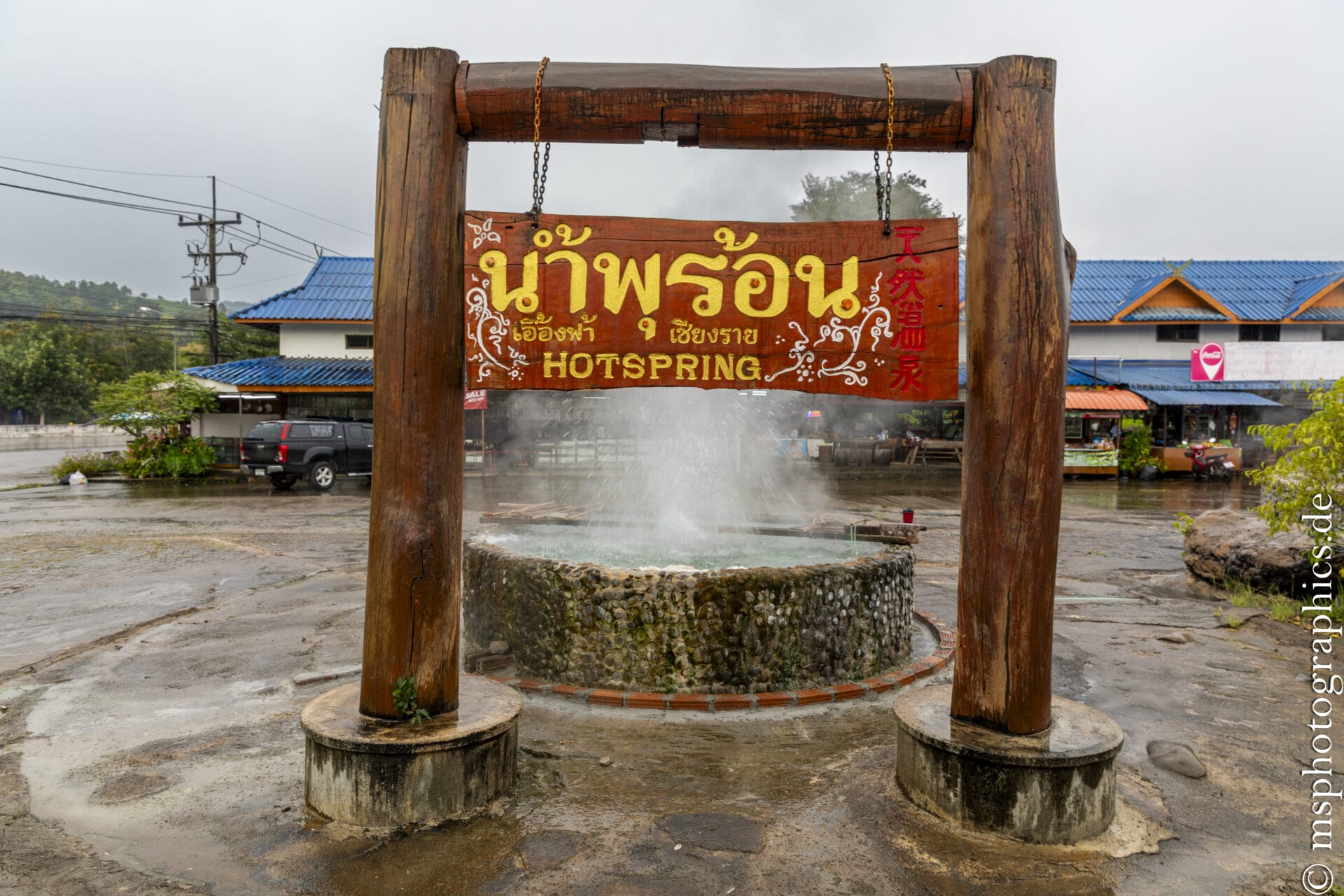
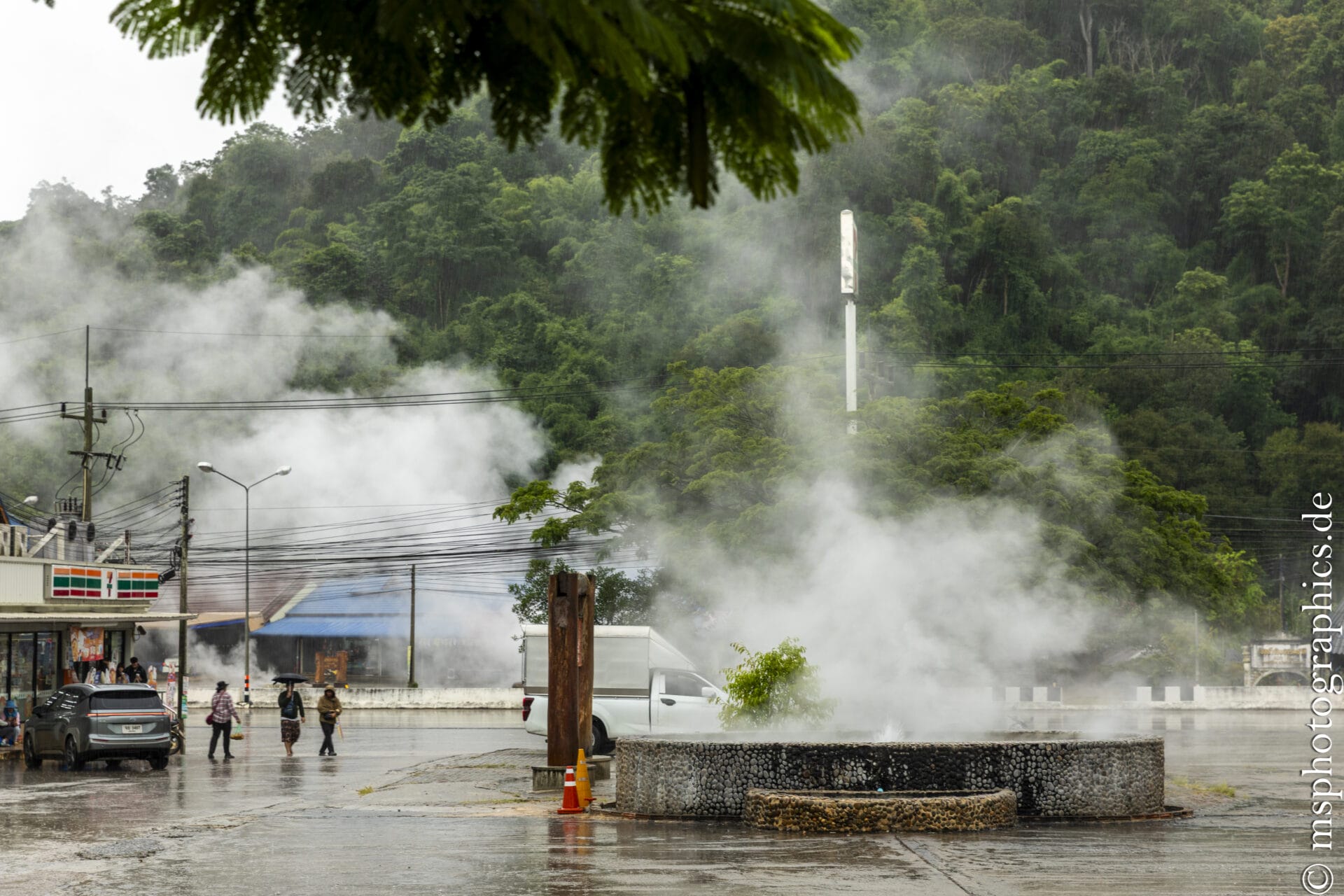
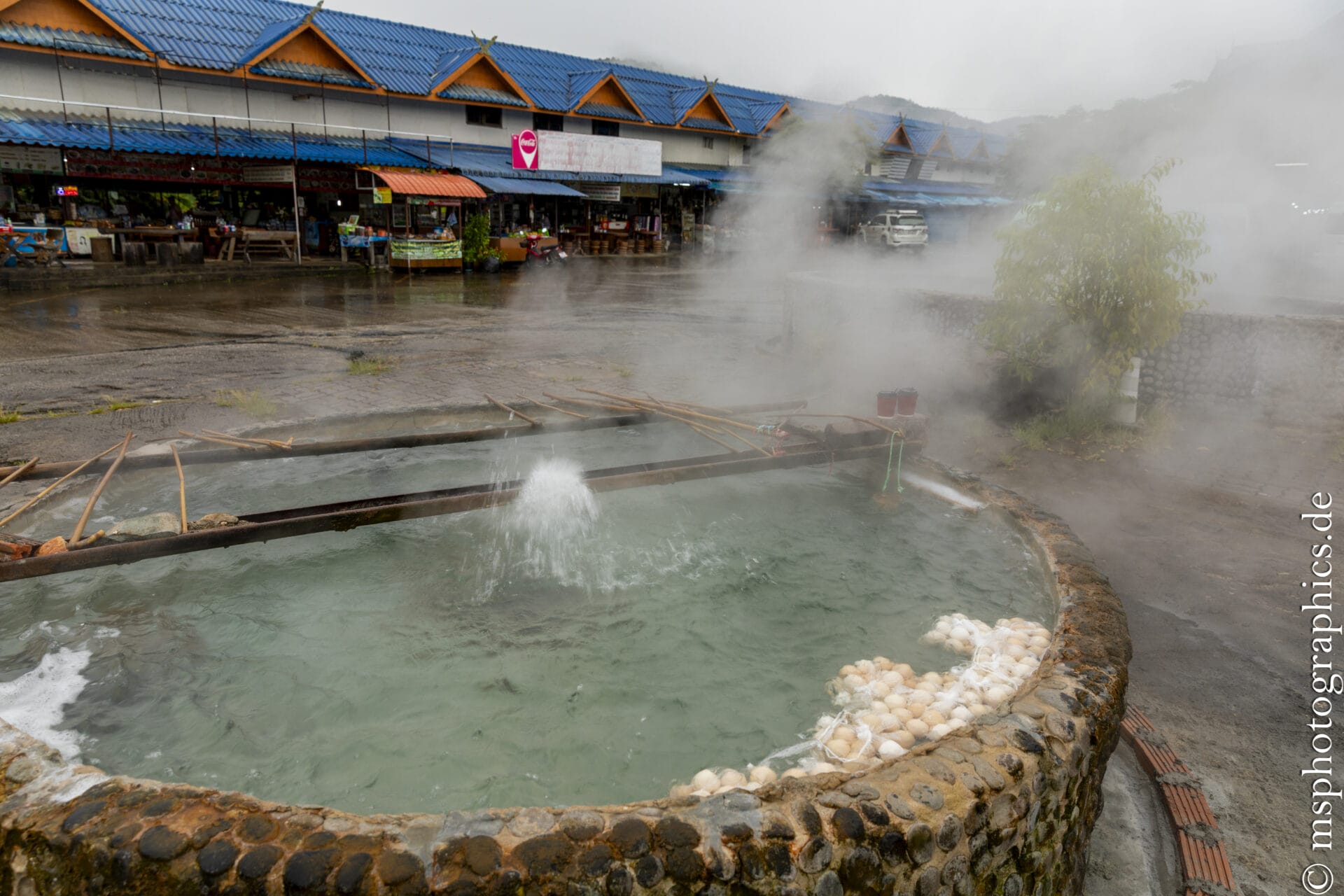
The Mae Kachan hot spring is one of the most famous in the Chiang Rai area. The pools are so hot that they are suitable for boiling eggs.
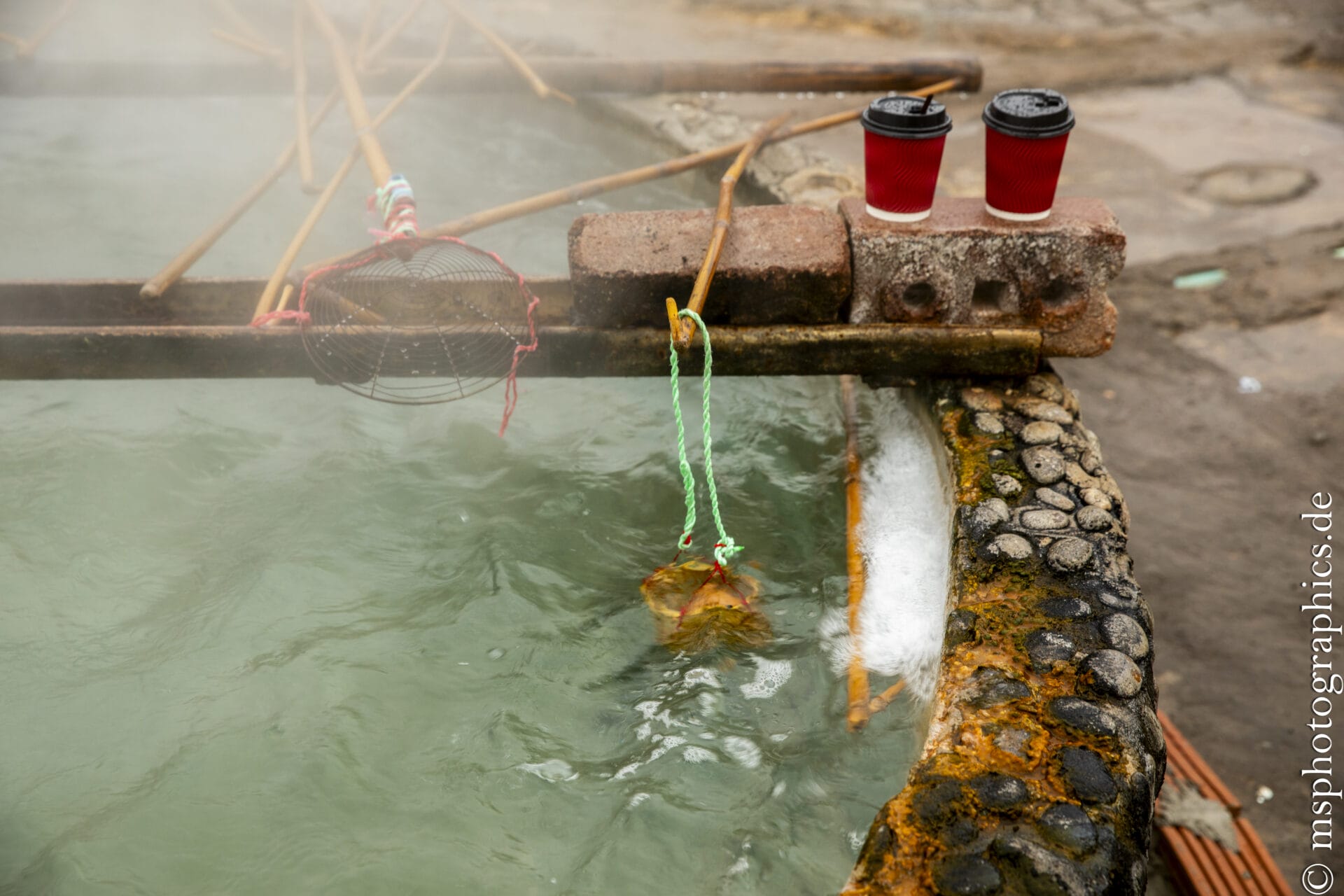
There are also a few cafes and snack bars where there is something to drink or snack on for everyone.
Wat Rong Khun – The radiant white temple of Chiang Rai:
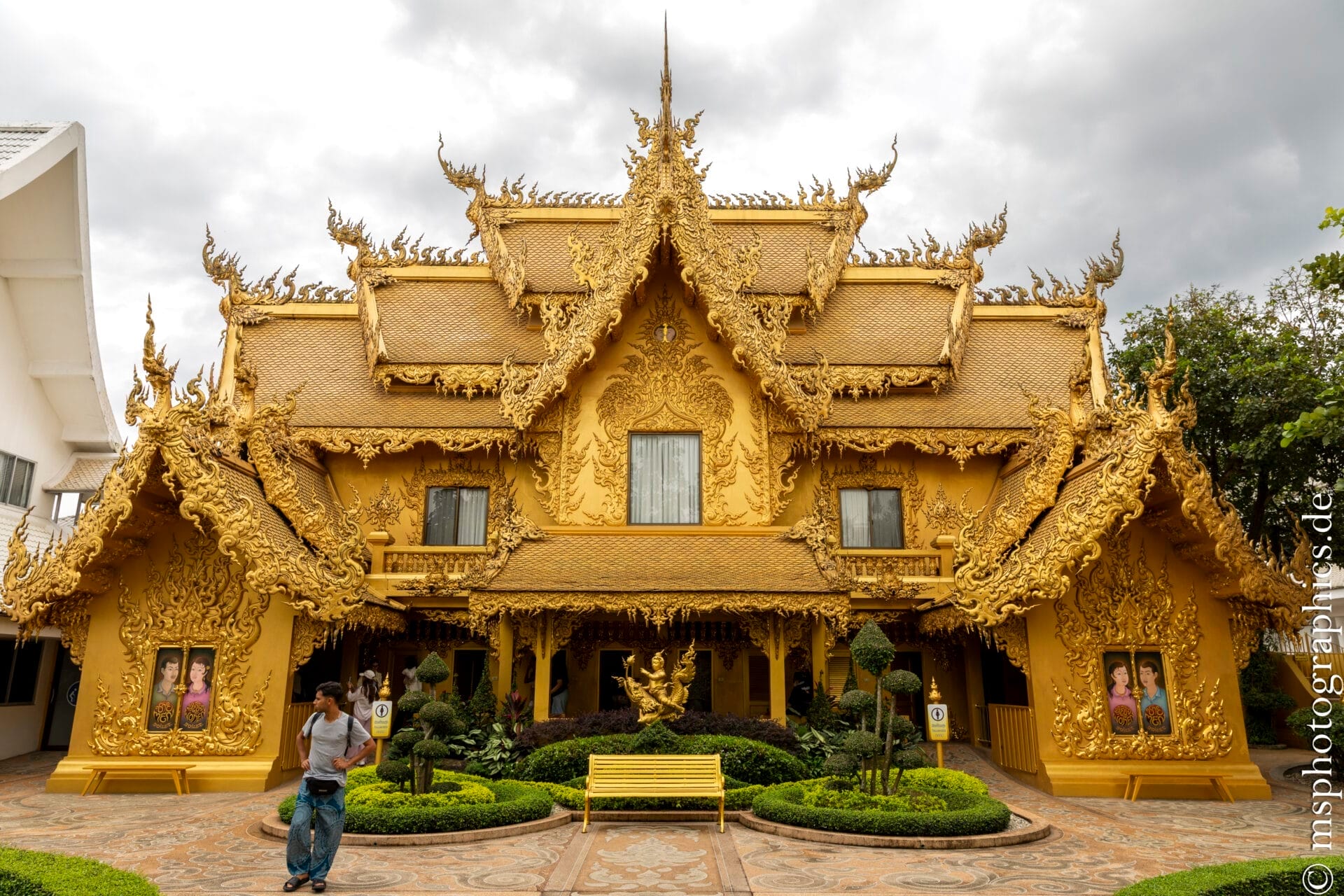
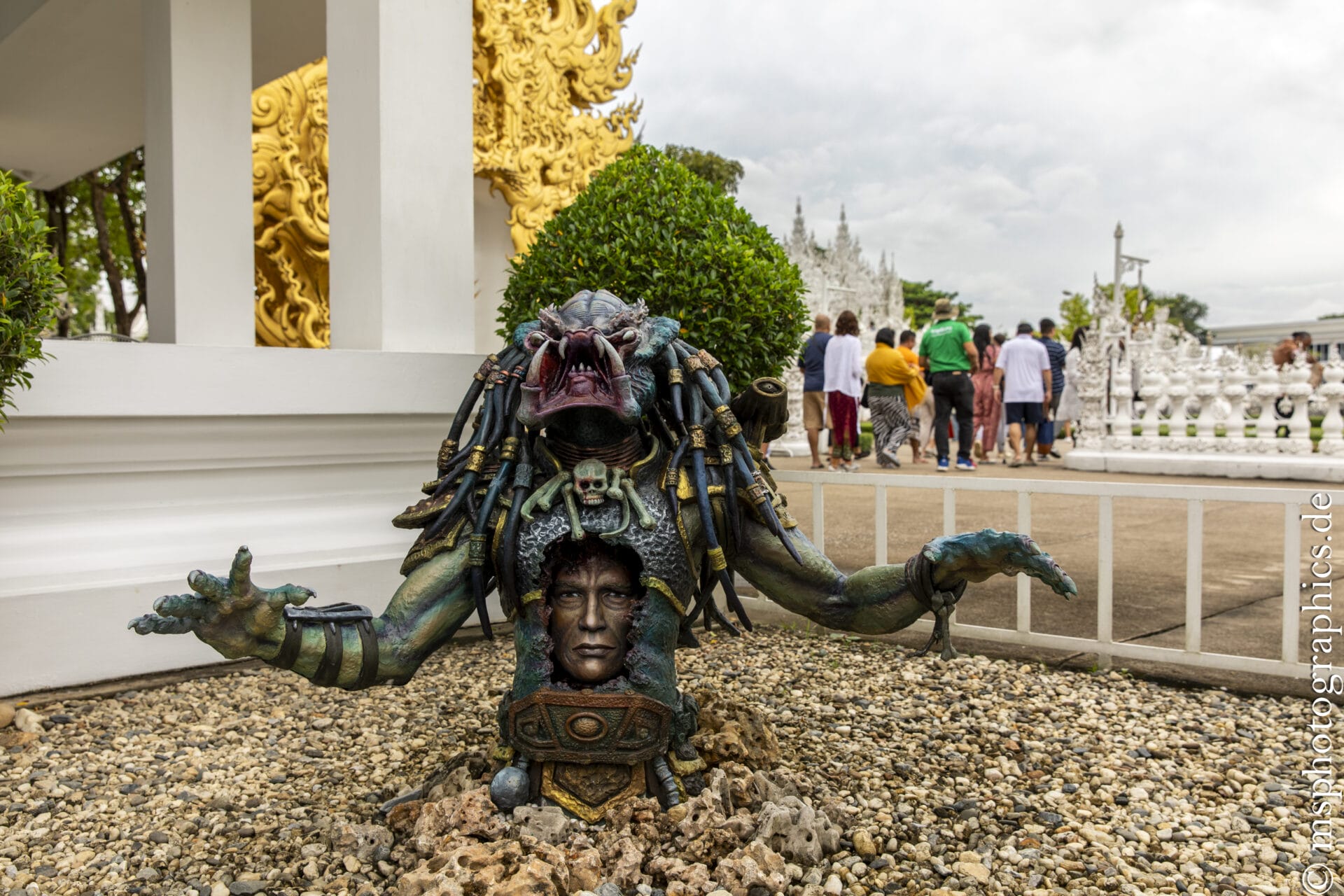
Wat Rong Khun, better known as the White Temple, is one of the most famous landmarks in northern Thailand and is located a few kilometers south of the city of Chiang Rai. It was designed by the Thai artist Chalermchai. Kositpipat designed it, and construction began in 1997. The entire project is considered his life's work and is still ongoing today.
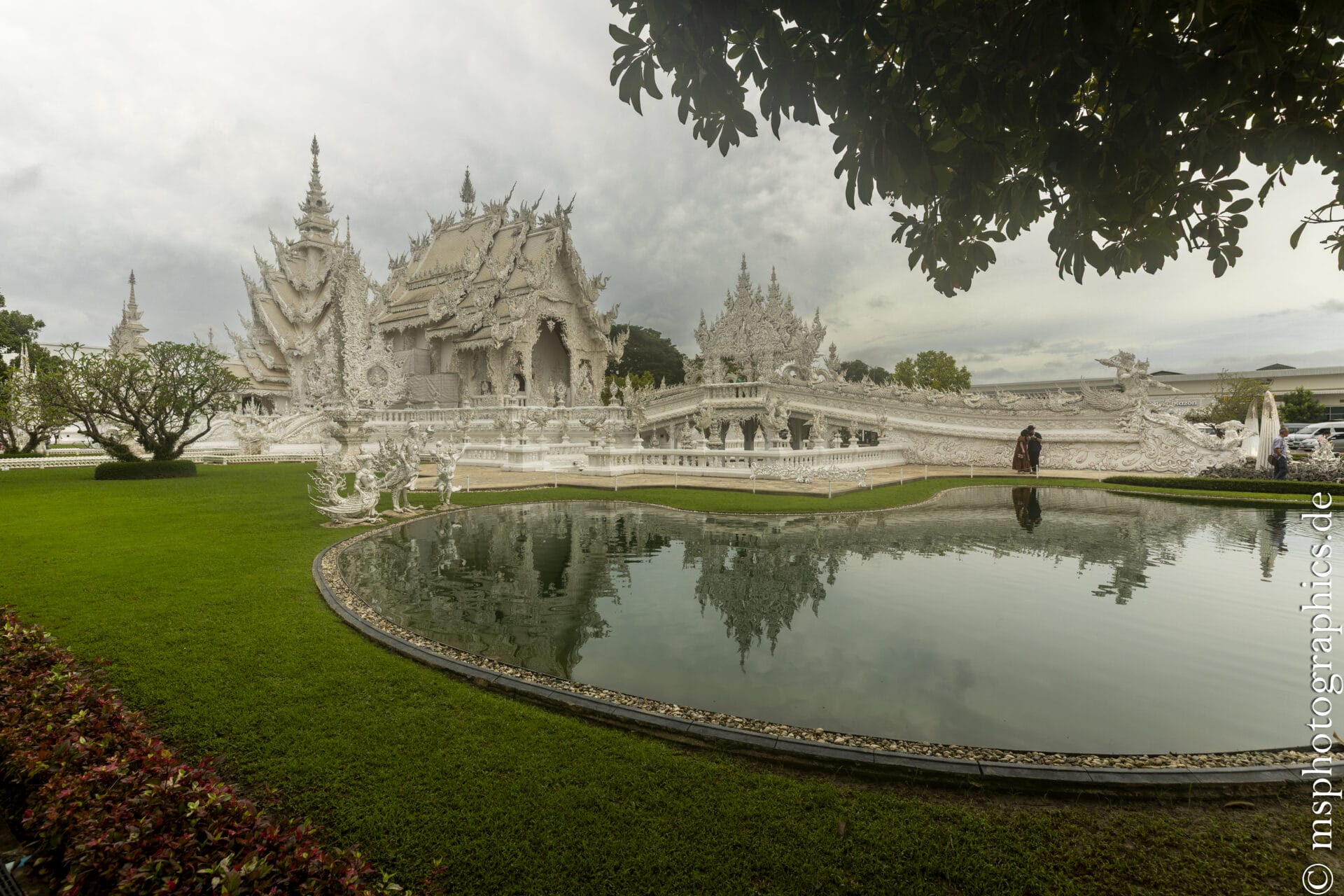
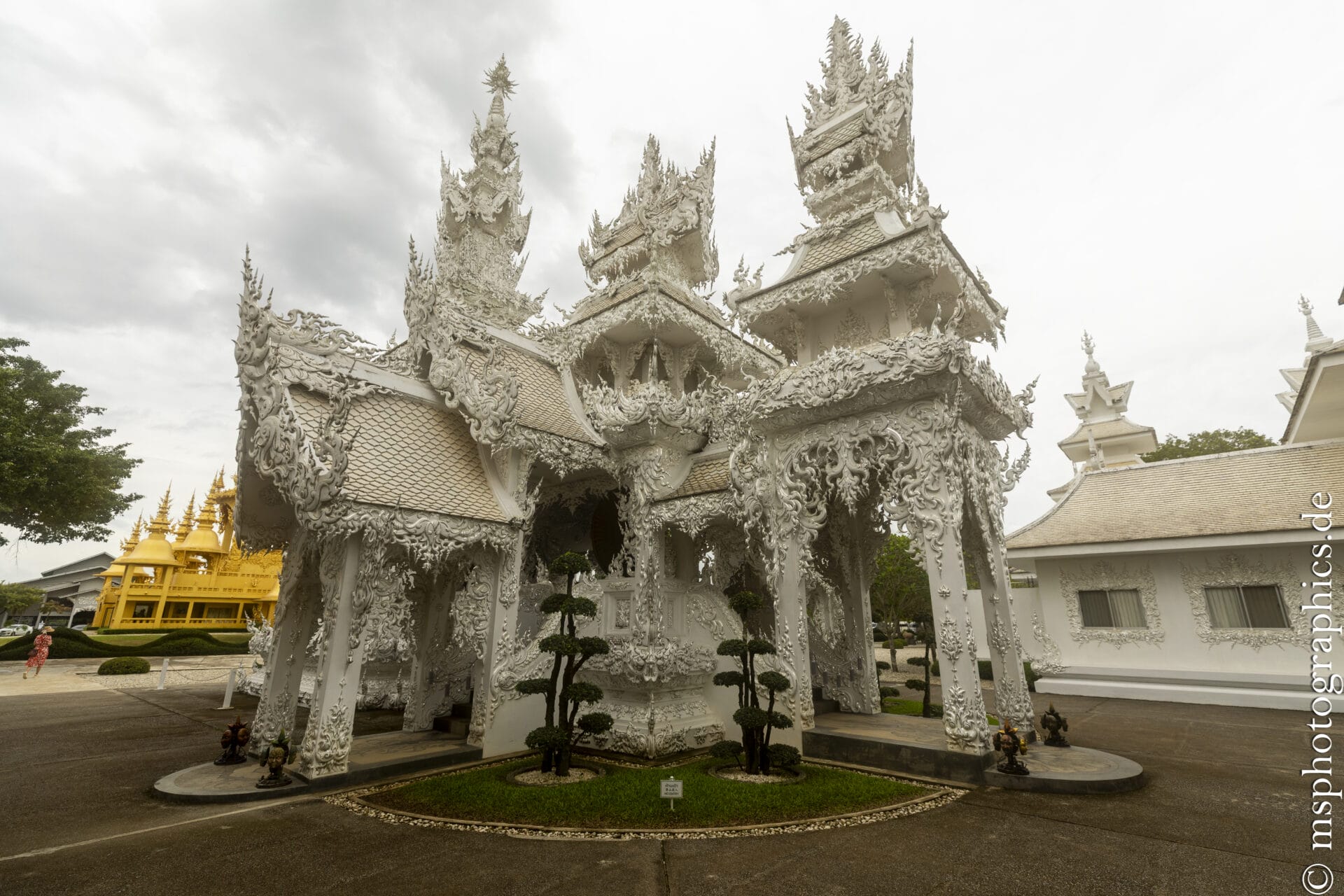
The temple impresses with its completely white facade, symbolizing purity. Embedded mirror fragments make the building glitter in the sunlight, creating an almost supernatural effect. This unique architecture makes Wat Rong Khun one of the most photographed places in Thailand.
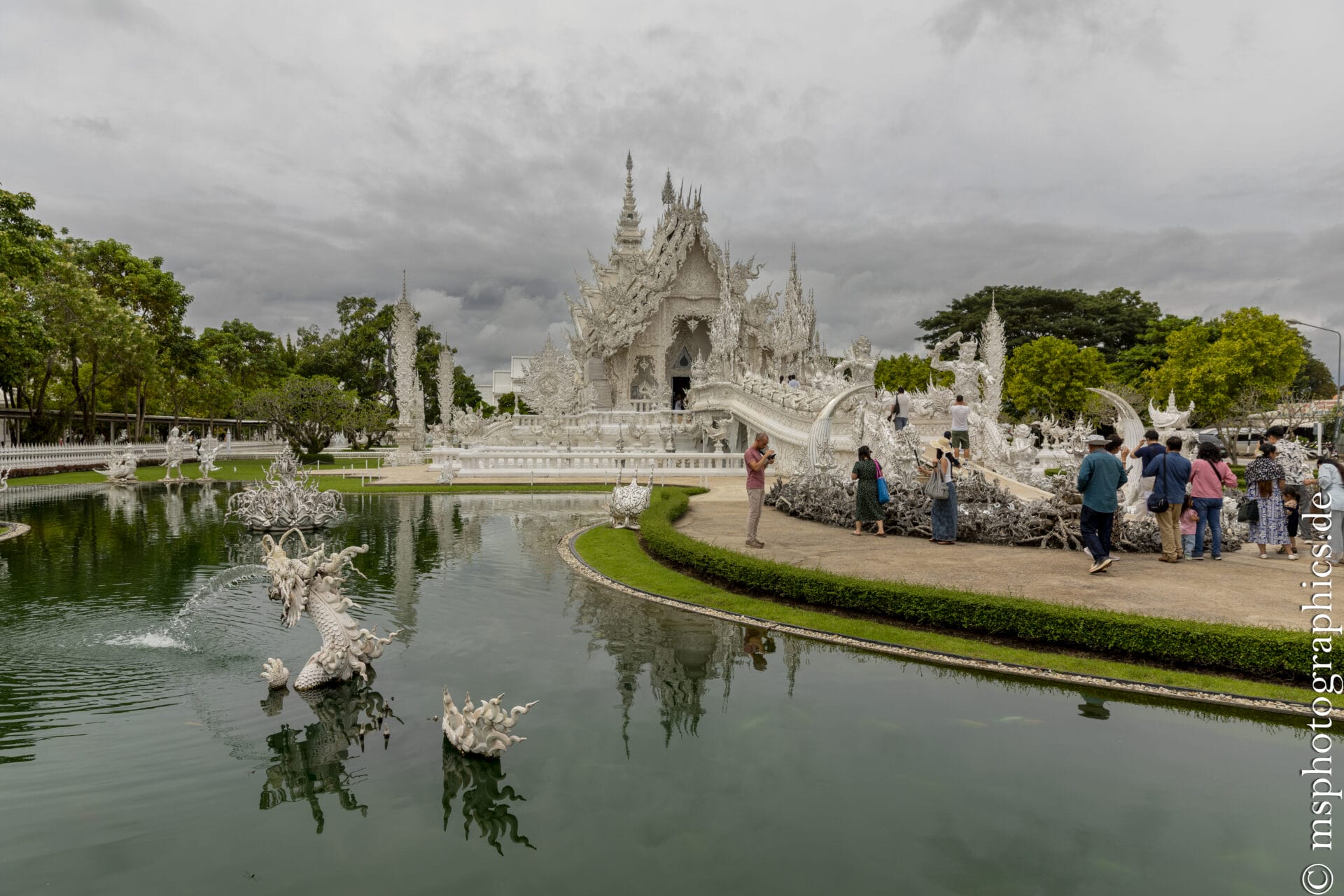
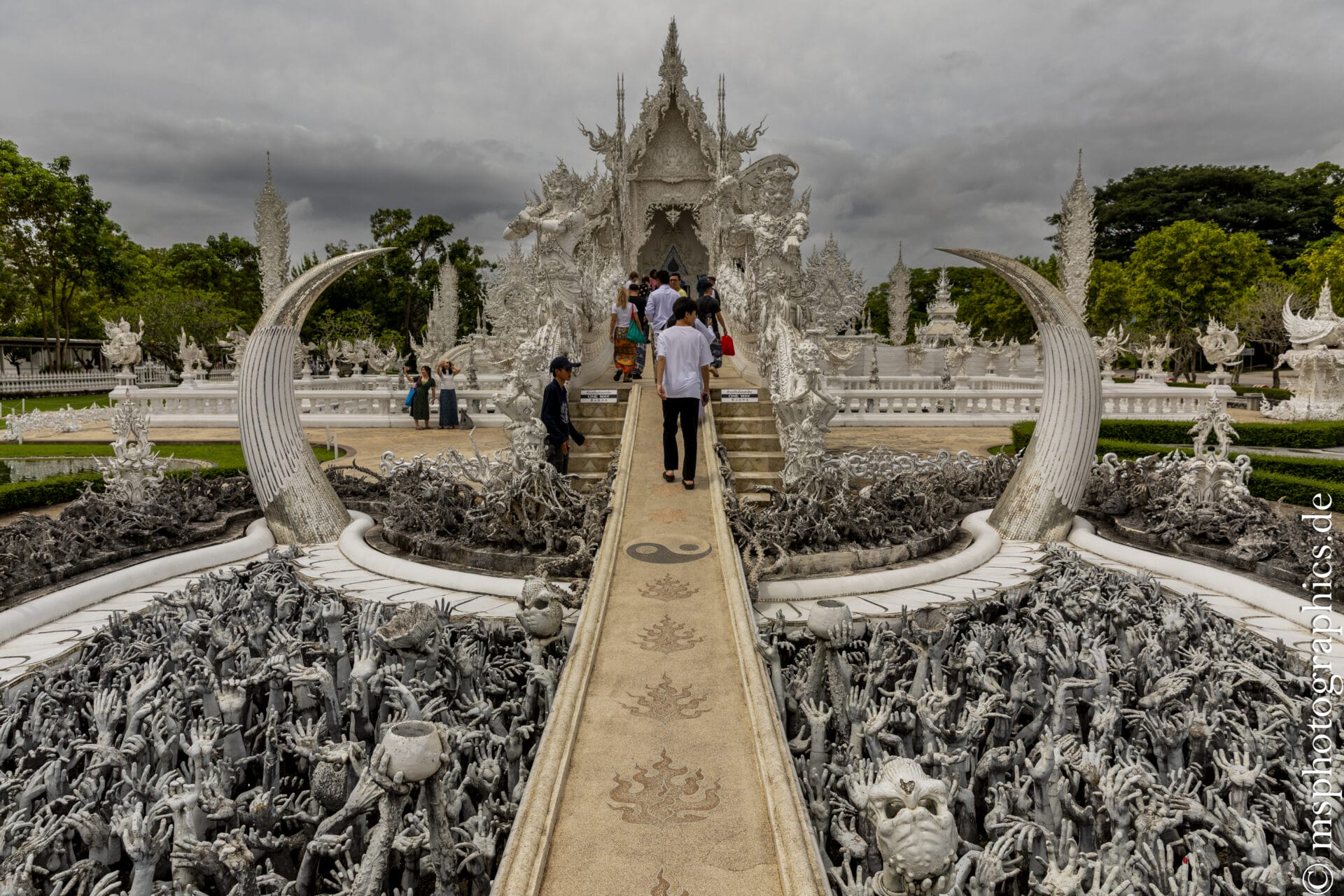
The path across the famous bridge to the main building represents the transition from worldly suffering to enlightenment. Beneath the bridge, numerous sculptures and hands reach upwards, an artistically depicted symbol of human temptations and desires. Every corner of the temple is brimming with symbolic meaning and intricately crafted figures.


The murals inside surprise many visitors. Pop culture motifs, futuristic scenes, and modern icons are embedded within a Buddhist worldview. Chalermchai uses them to depict chaos, greed, and worldly distractions. It's a deliberately provocative style that has made the temple famous worldwide.
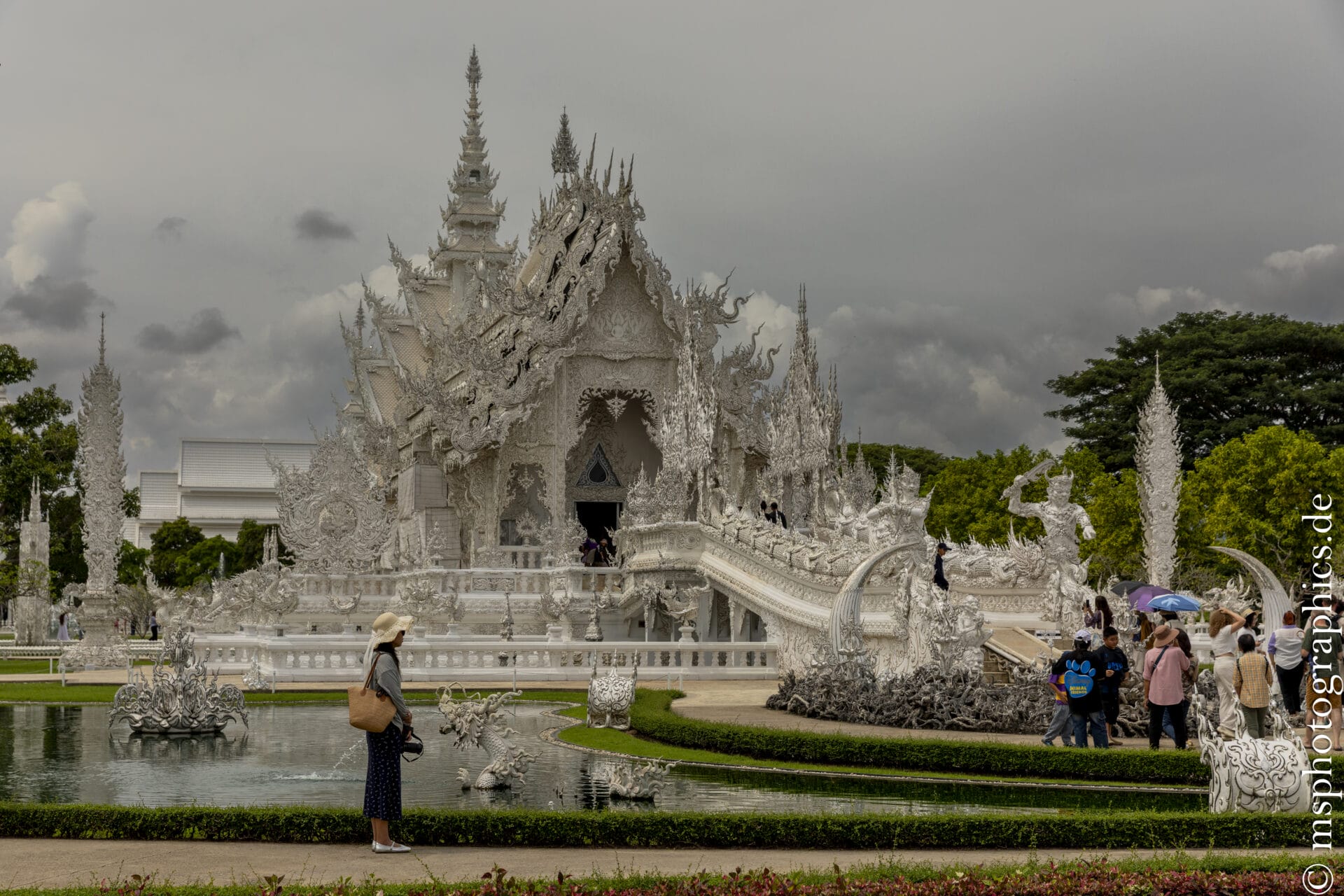
Wat Rong Khun is certainly one of the most extraordinary temple complexes in Asia.
Wat Rong Suea Ten – The brilliant blue temple of Chiang Rai:
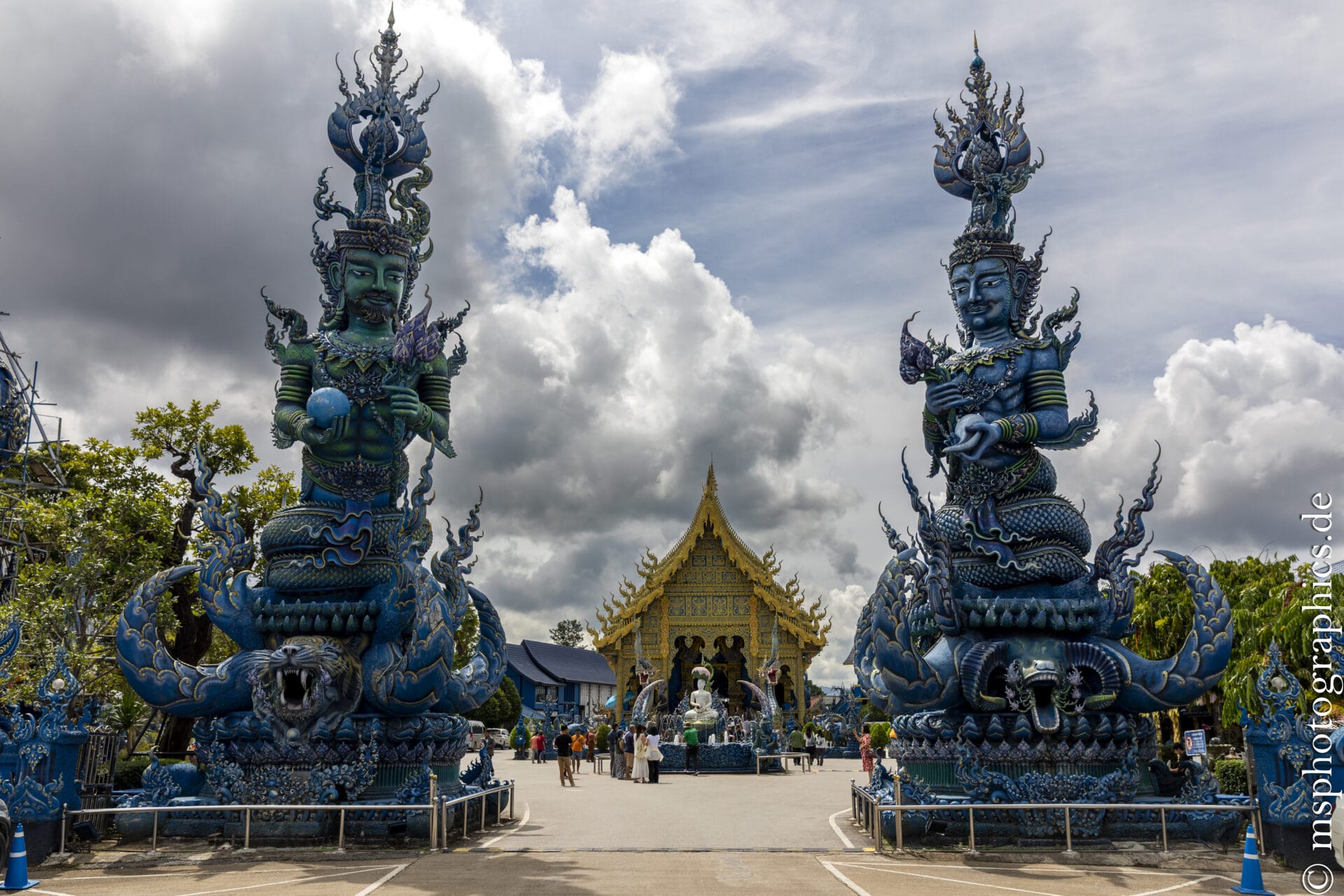
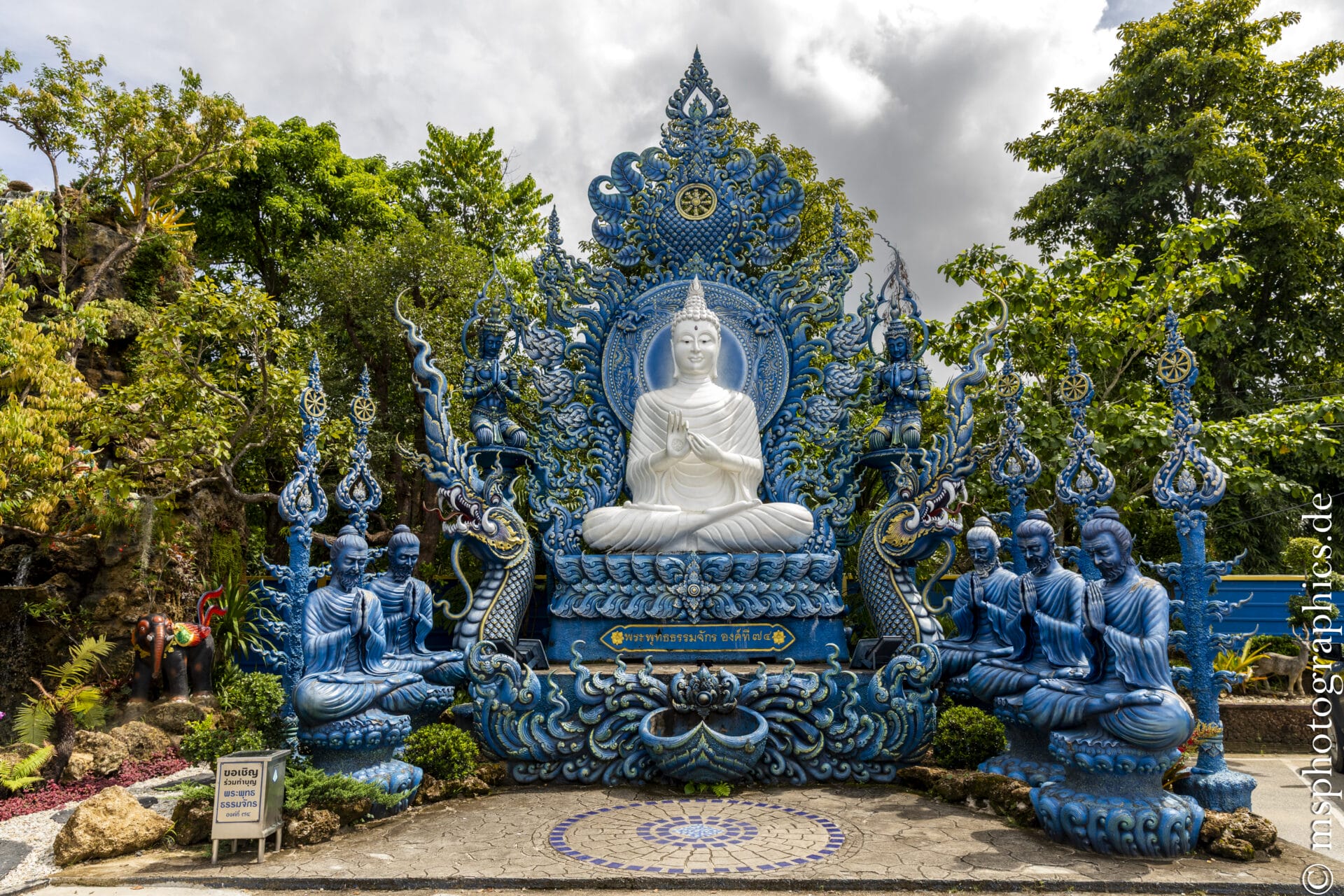
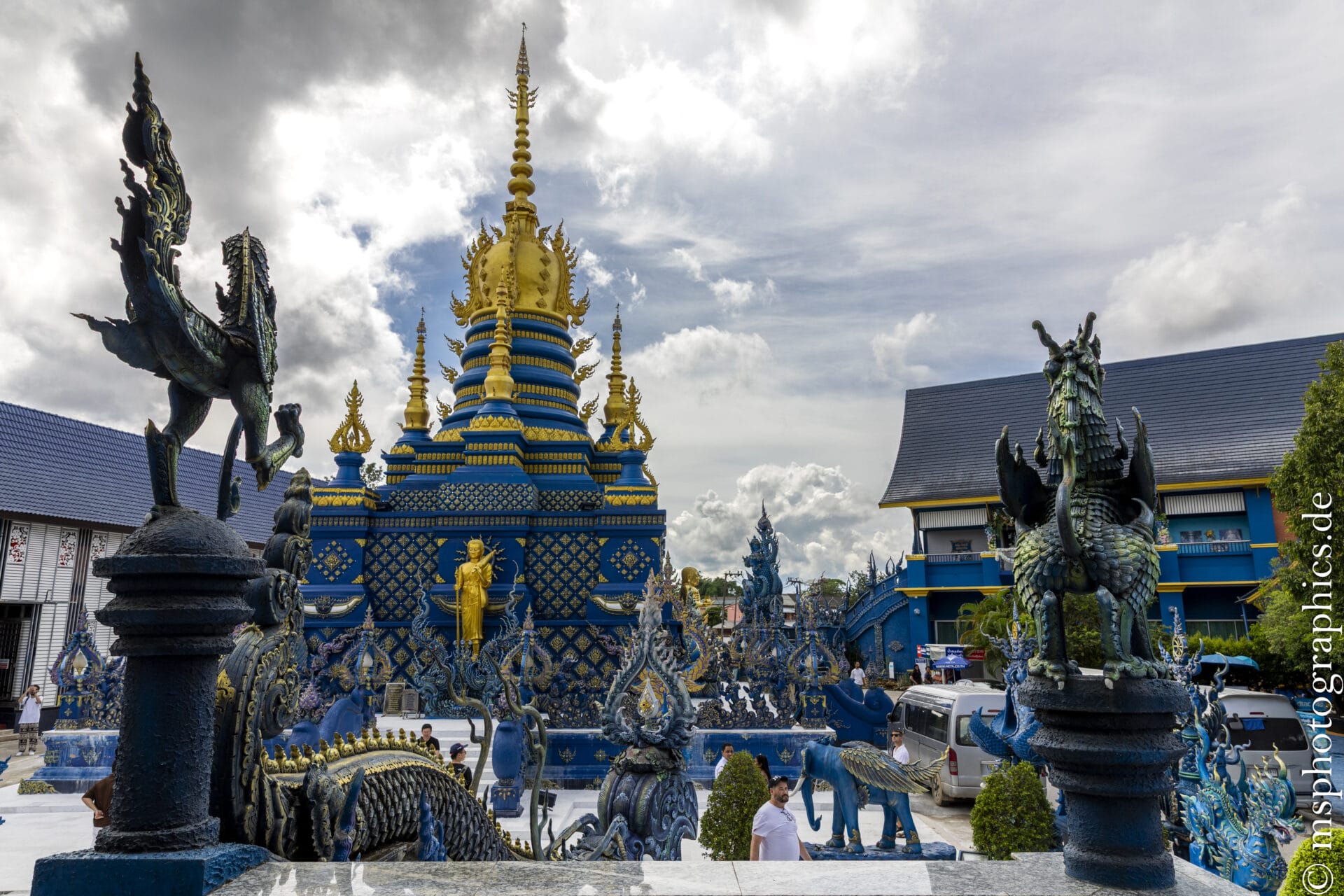
Wat Rong Suea Ten, better known as the Blue Temple, is one of the most colorful and modern temple complexes in northern Thailand. Located just a few kilometers north of Chiang Rai's city center, it attracts visitors with its vibrant blue facade, intricate decorations, and mystical atmosphere. Completed in 2016, the temple is one of the region's newer religious buildings.
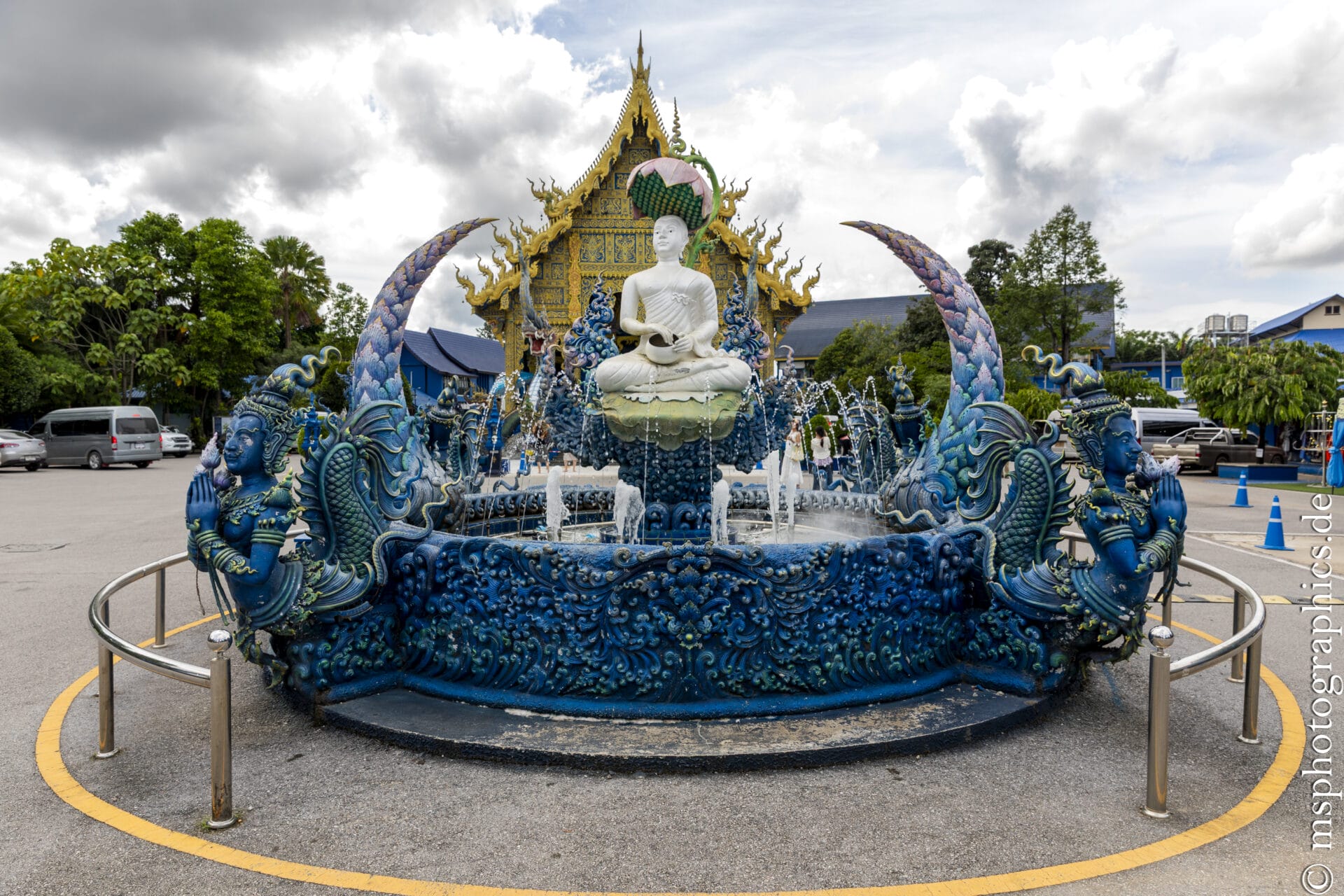
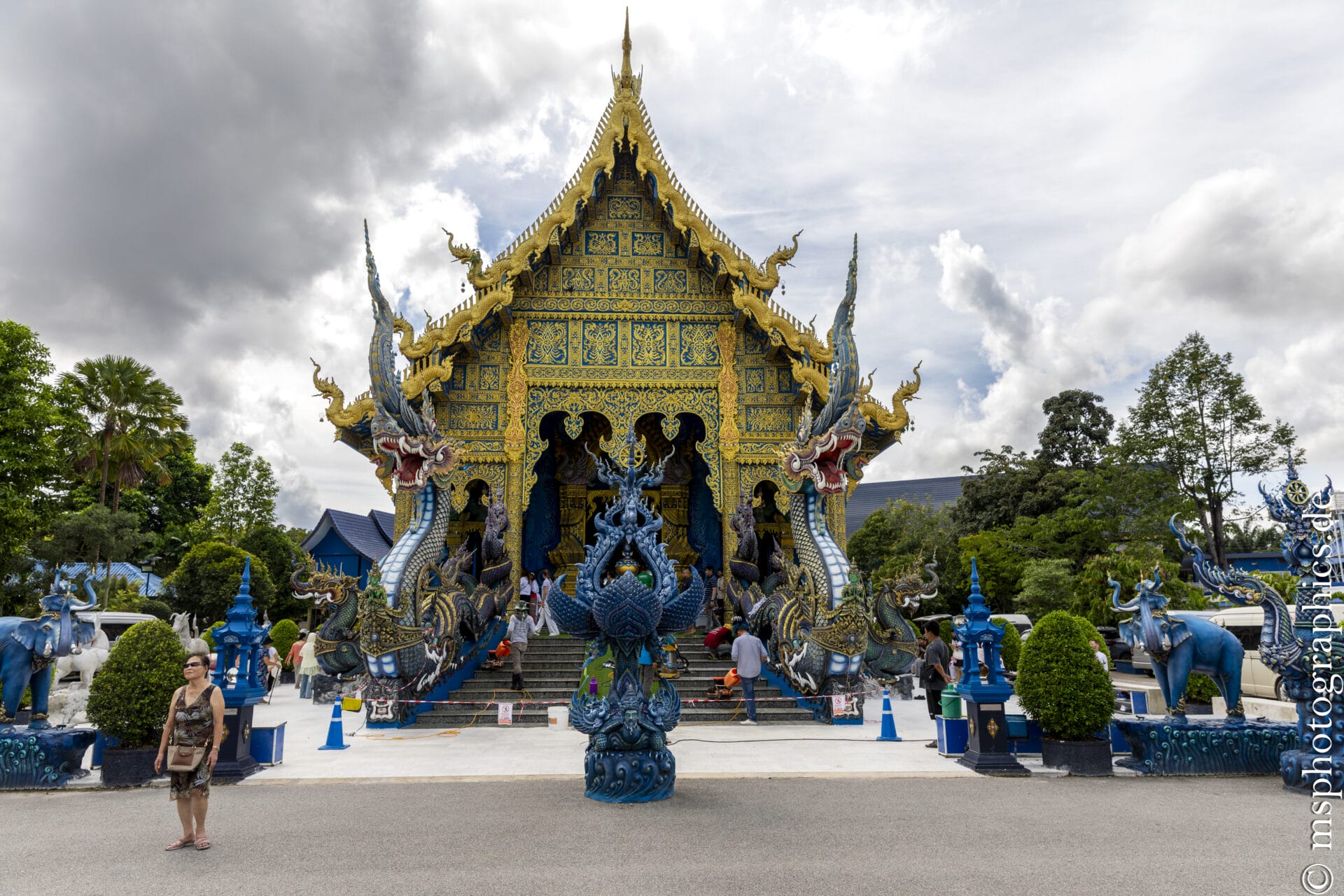
Wat Rong Suea Ten is characterized by its intense royal blue, which dominates the entire temple. Golden ornaments, dragon figures, and intricate mosaics add radiant accents and make the complex particularly impressive in sunlight. The interplay of blue and gold symbolizes purity, wisdom, and the power of the Dharma.
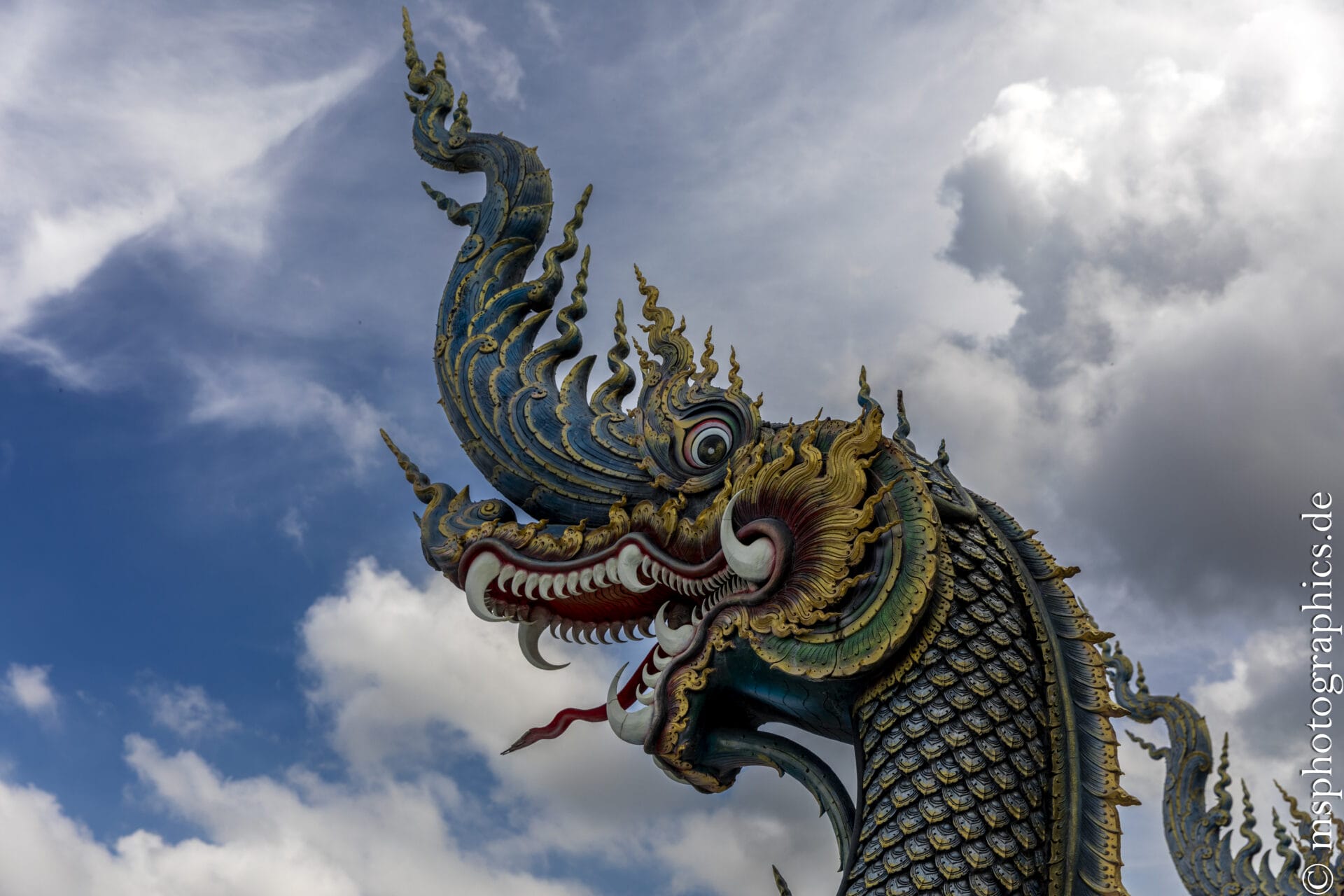
The name "Rong Suea Ten" means "House of the Dancing Tiger". The temple stands on a site where tigers used to leap across the river, hence the mythological background. Despite its modern construction, the complex is deeply rooted in Buddhist symbolism.
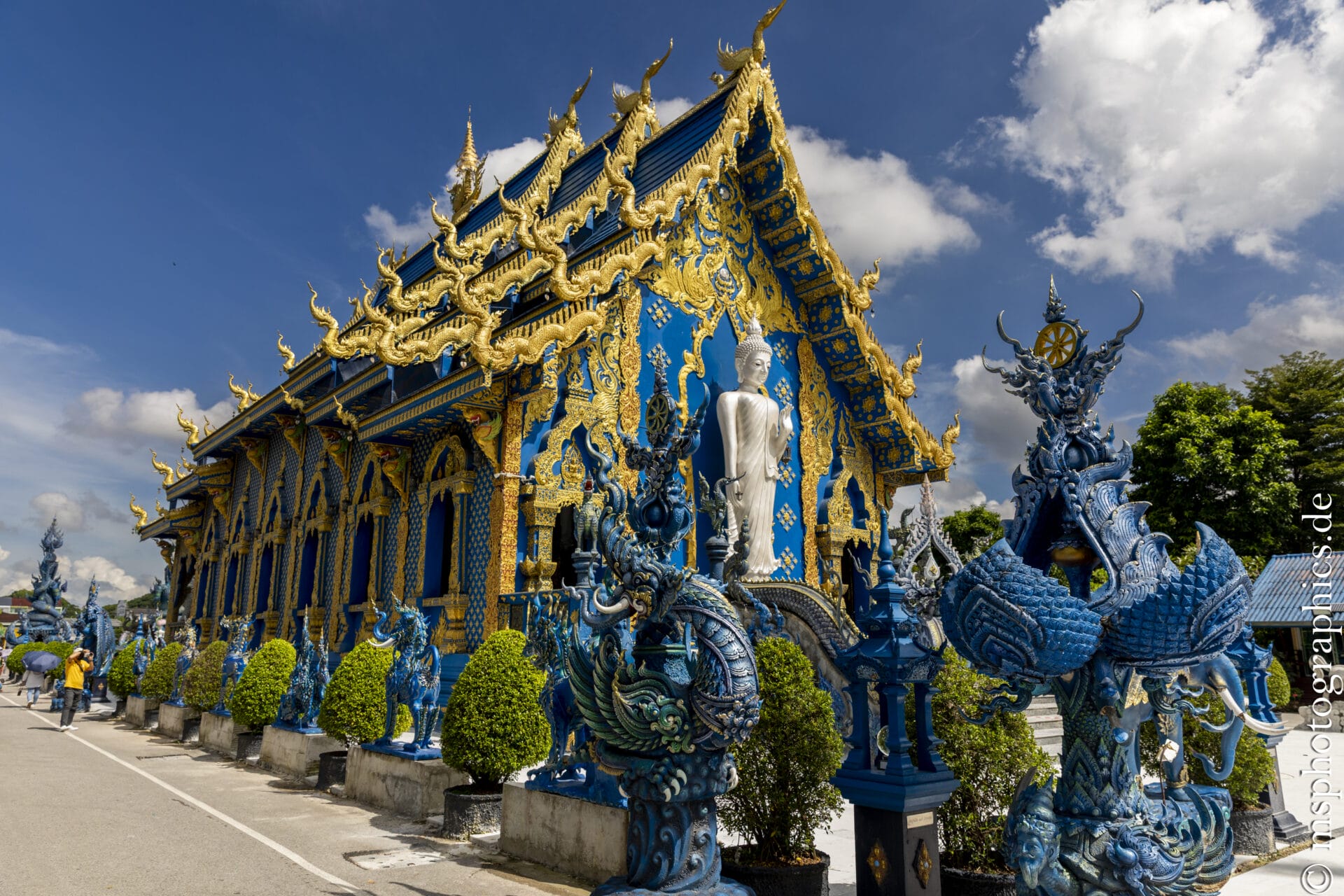
Inside the main building is a large, gleaming white Buddha statue, its serene expression a stark contrast to the vibrant surroundings. The interior is adorned with blue murals depicting scenes from Buddhist life and cosmic imagery.
Wat Rong Suea Ten is one of the most beautiful modern temple complexes in Thailand.
Baan Dam Museum – The mysterious Black House of Chiang Rai:
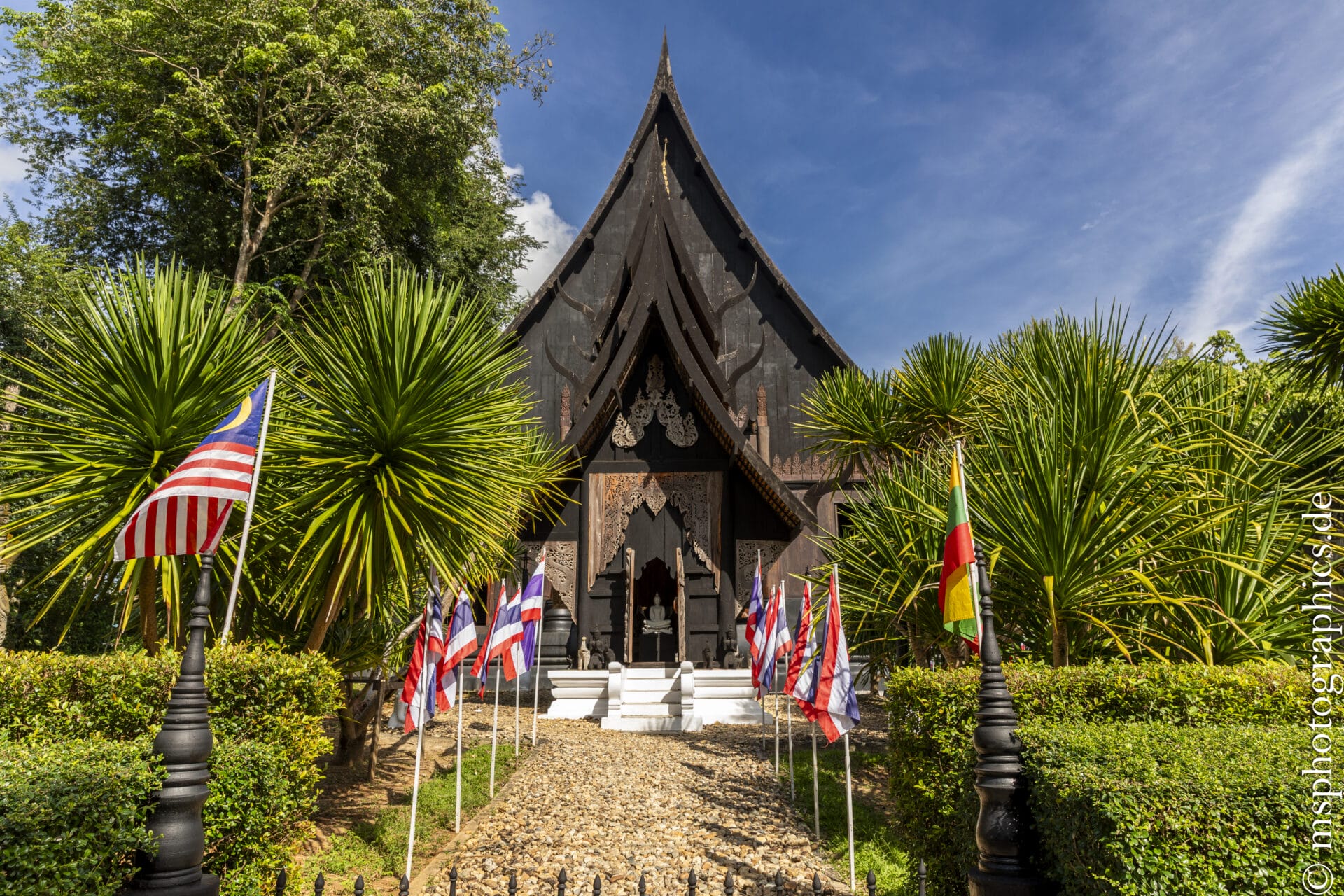
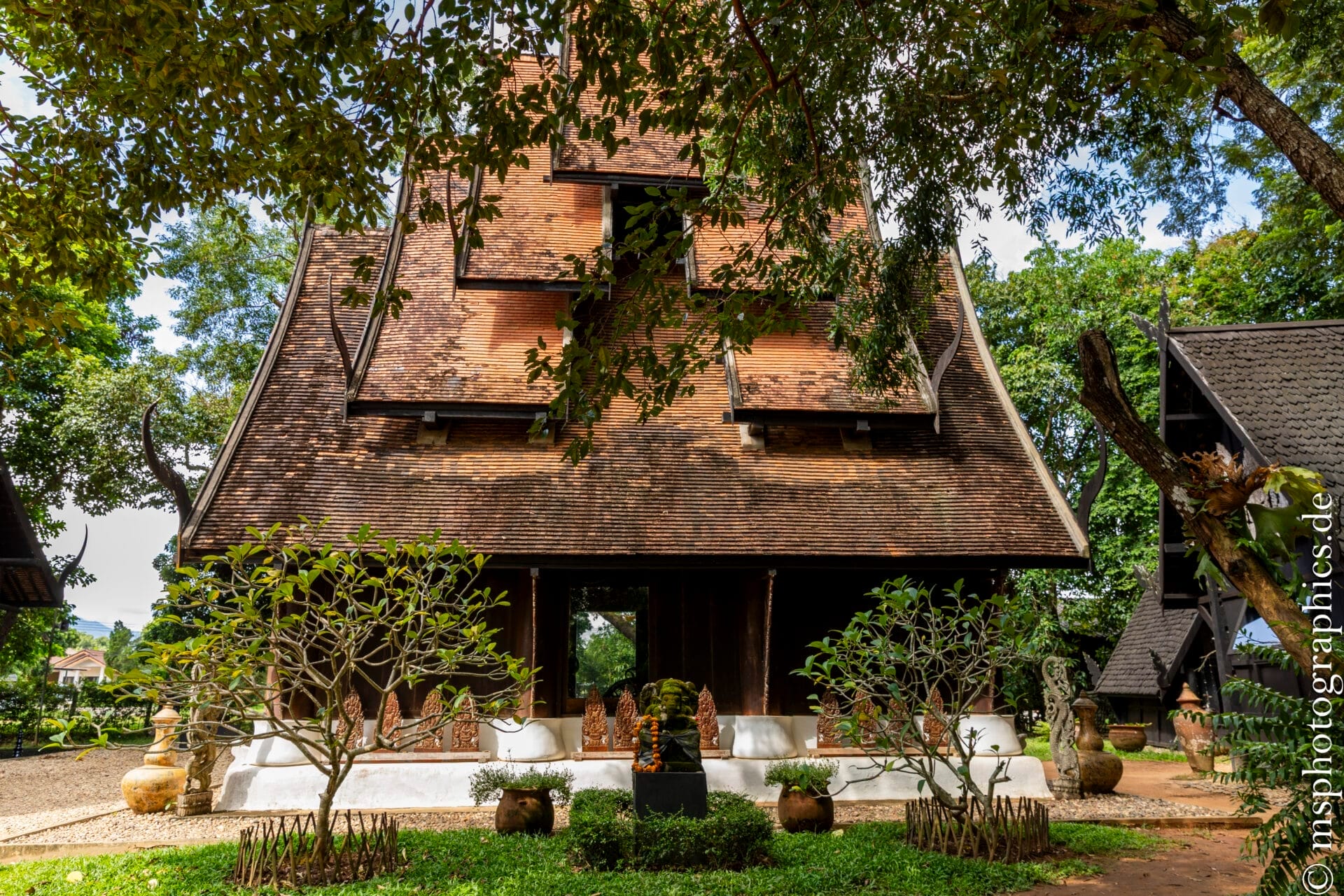
The Baan Dam Museum, often called the "Black House", is one of the most fascinating and unusual art projects in northern Thailand. It is located just north of Chiang Rai's city center and was designed by the renowned Thai artist Thawan. Duchanee created the complex. It consists of over 40 buildings, all in dark tones, a deliberate contrast to the bright temple complexes of the region.
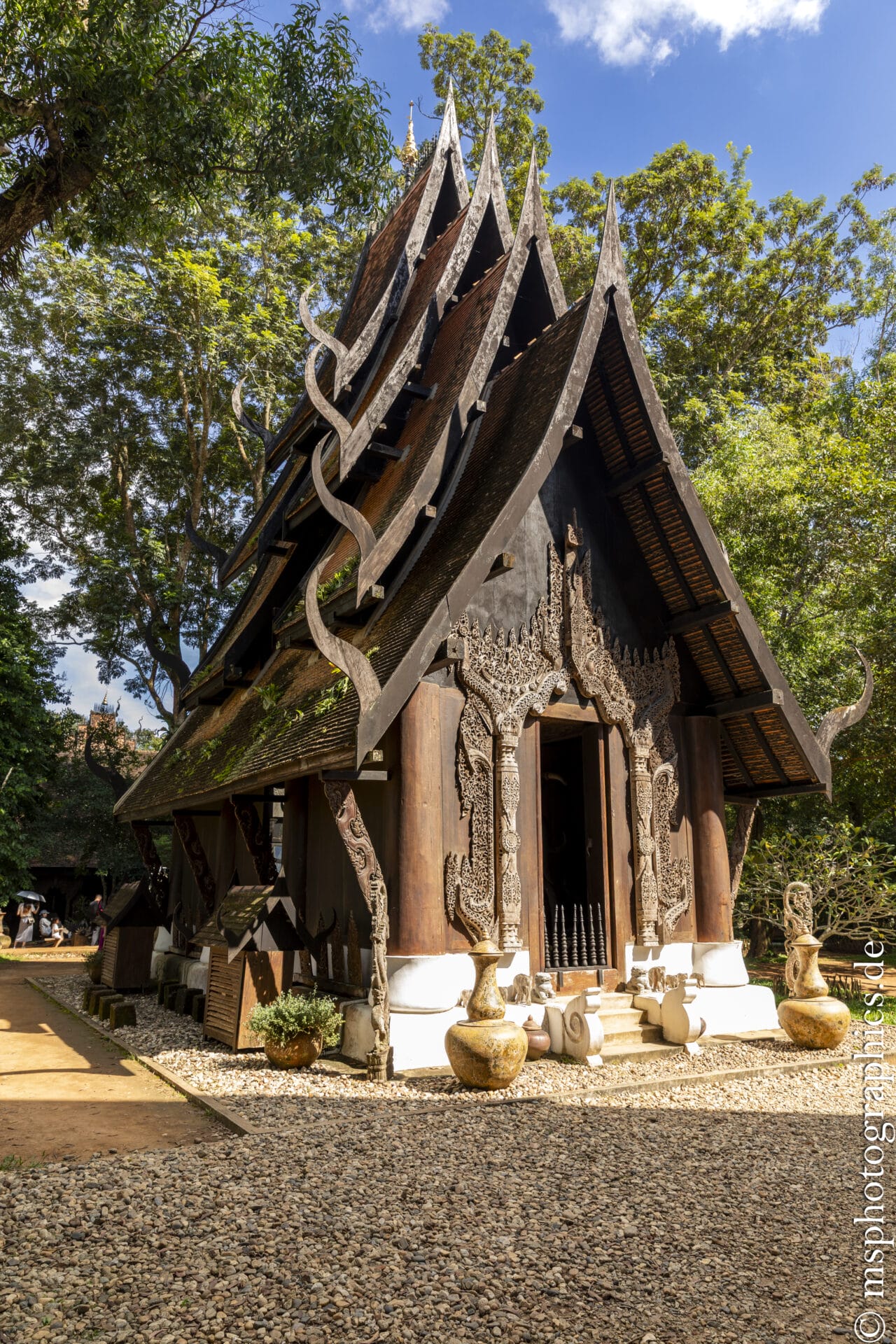
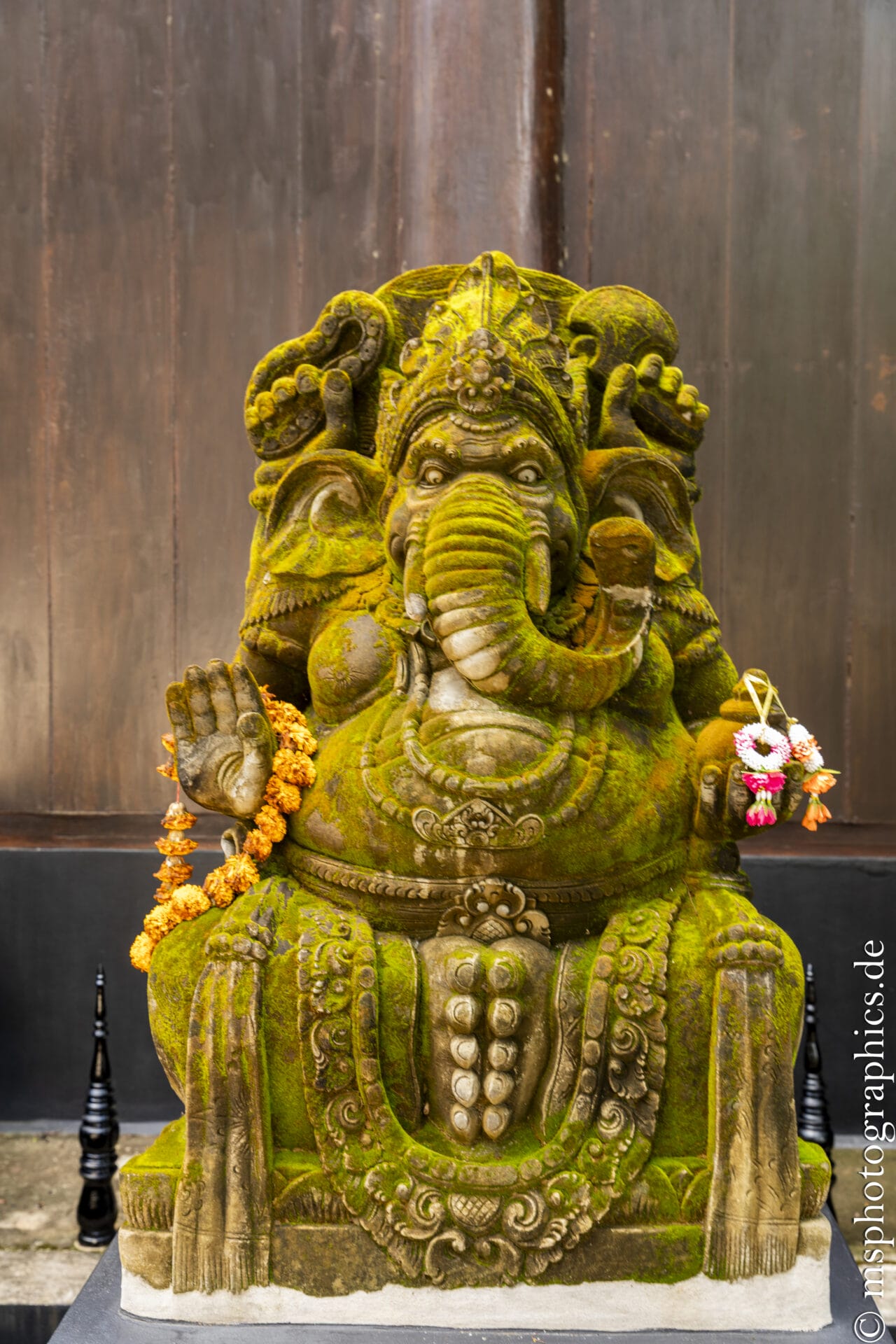
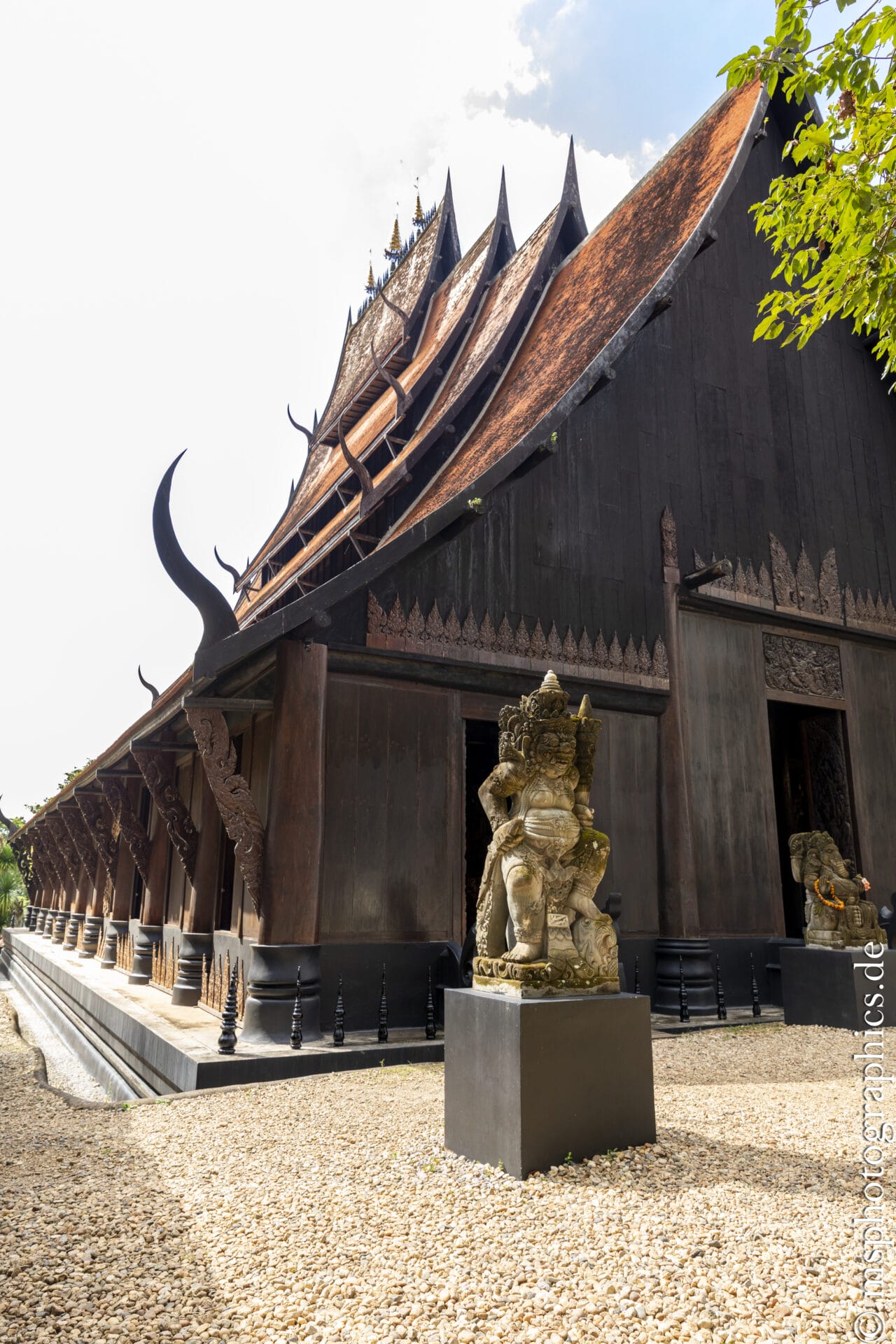
The buildings are reminiscent in part of northern Thai Lanna wooden houses, and in part of mystical, almost temple-like structures. The combination of black wooden beams, animal motifs, carved ornaments, and intricate designs creates an impressive, almost ritualistic atmosphere. Here, black symbolizes the mystical, the unconscious, and the confrontation with the darker aspects of humanity.


Since the museum consists of many individual buildings, visitors move through a sprawling, park-like setting. Each building reveals a different artistic concept. The tour is varied and offers both quiet moments and surprising visual impressions.
The Baan Dam Museum represents a unique art project in Thailand.
The Golden Triangle – a historically significant meeting point of three countries:
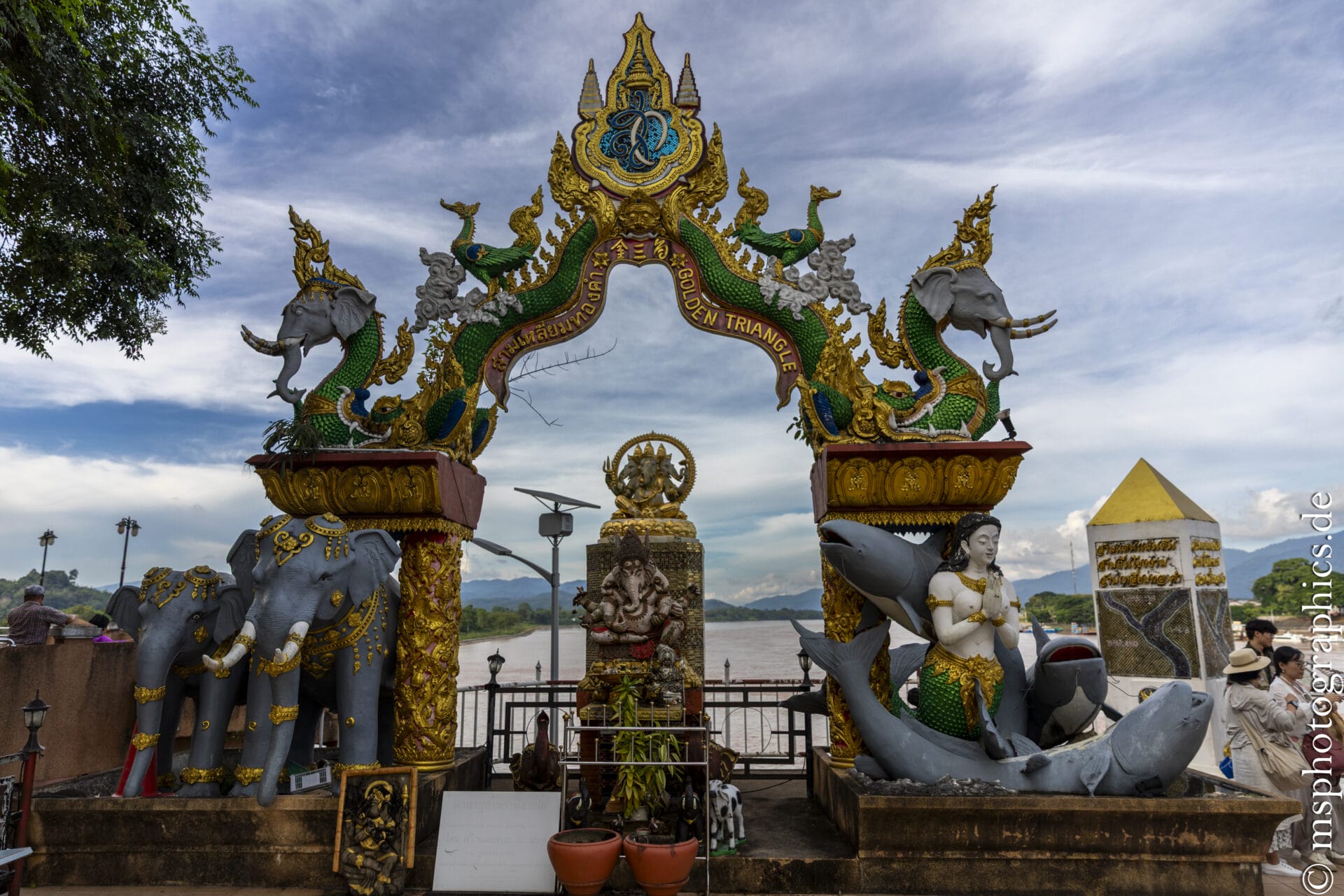
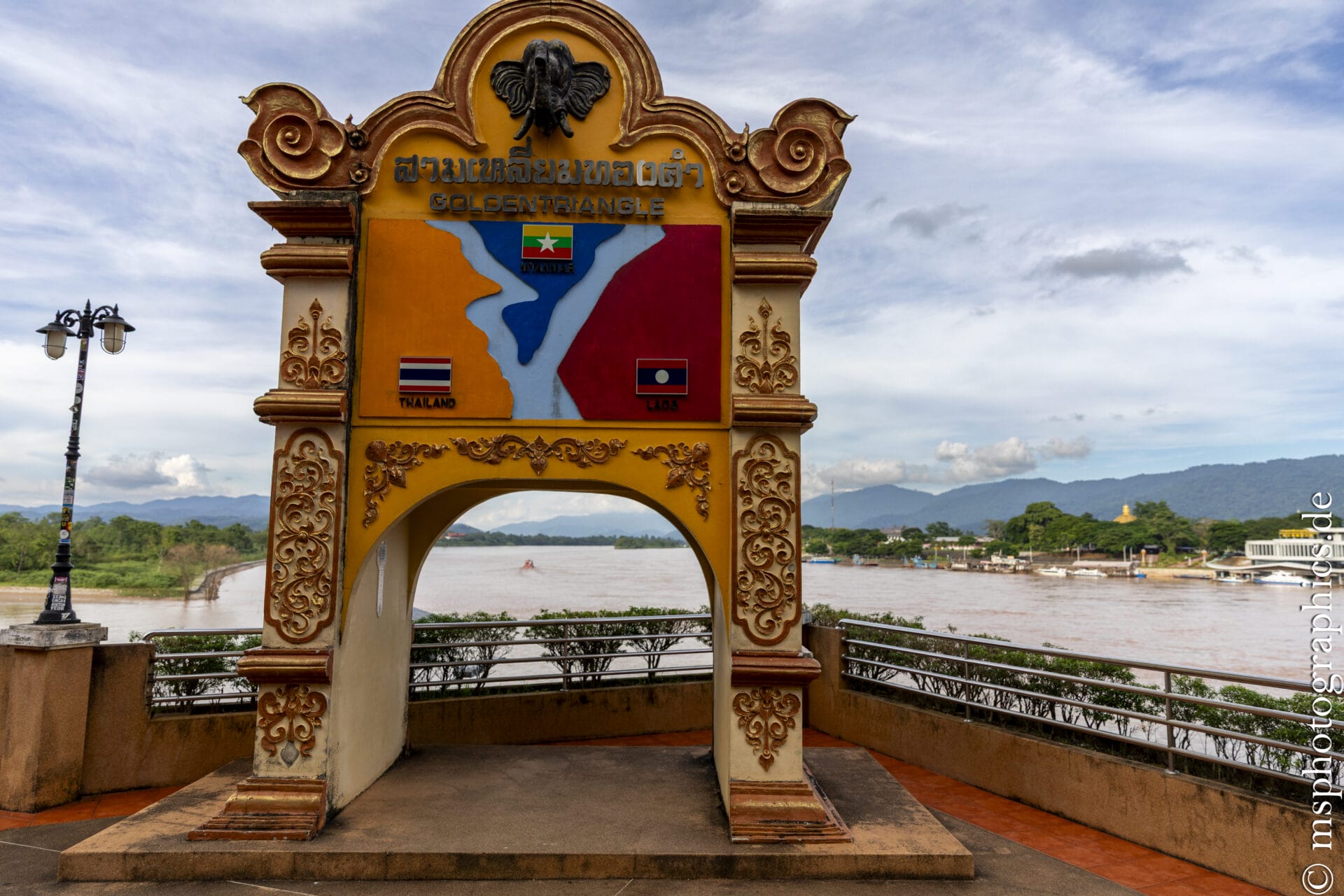
The Golden Triangle is one of the most famous sights in northern Thailand. Located about an hour's drive northeast of Chiang Rai, it marks the point where Thailand, Laos, and Myanmar meet. The confluence of the Mekong and Ruak Rivers forms the natural border between the three countries. It is a place that fascinates with its history, landscape, and culture.
In the past, the Golden Triangle was notorious primarily for its large-scale opium cultivation. Today, the Hall of Opium Museum commemorates this era and offers a deep insight into the history, background, and impact of the region's former drug trade.
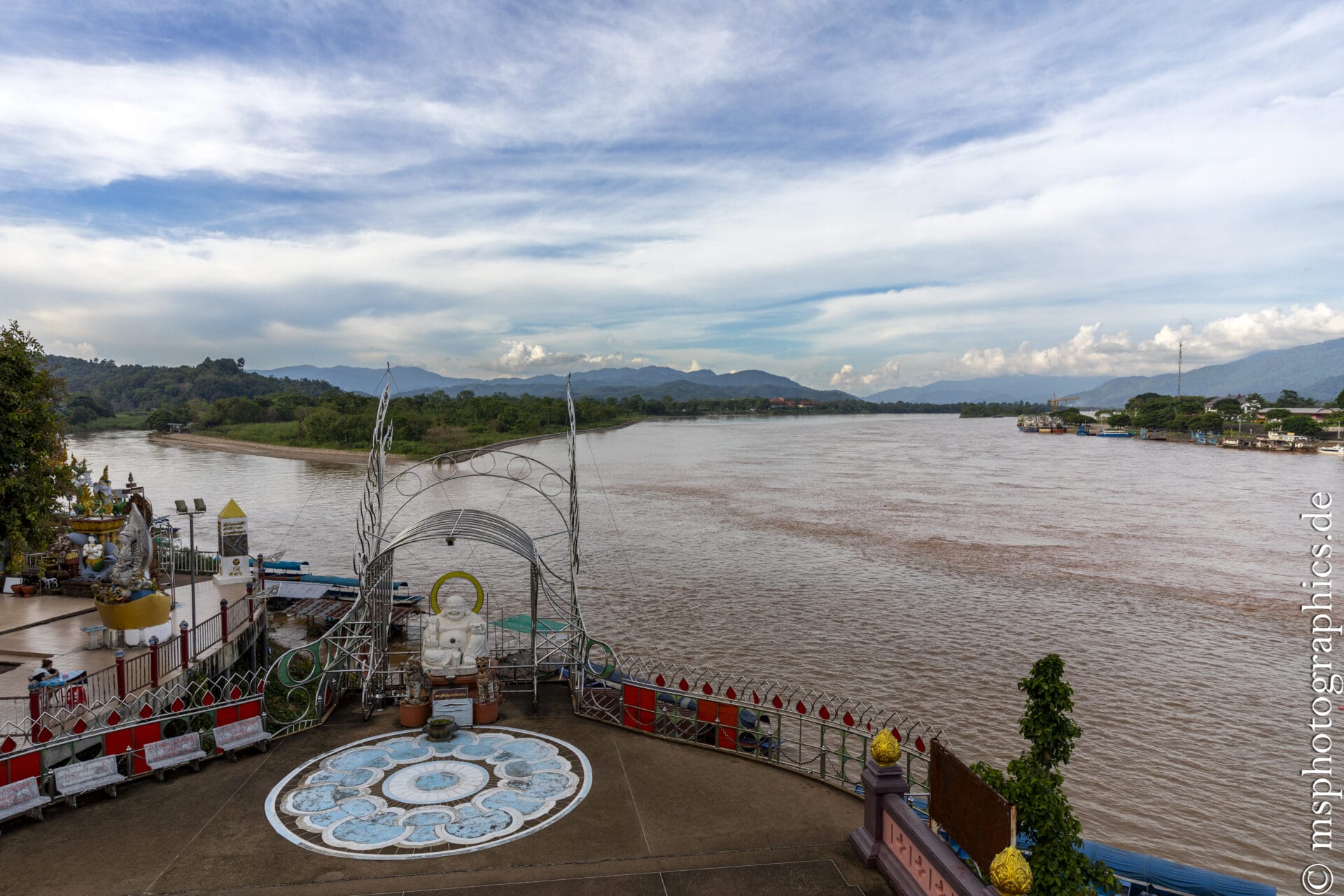

From the viewpoint in Sop Ruak, an impressive view opens up across the three countries. A large golden Buddha statue on the Mekong River, small temples, and various monuments make the spot a popular photo opportunity. On a clear day, the borders and the different landscapes on the opposite bank of the river are clearly visible.
Many visitors take a short boat trip on the Mekong River, which leads to the Laotian side and offers a different perspective of the tri-border area. There are also markets, small restaurants, and stalls selling local souvenirs.
The weekend markets in Chiang Mai – colorful variety and authentic flair:
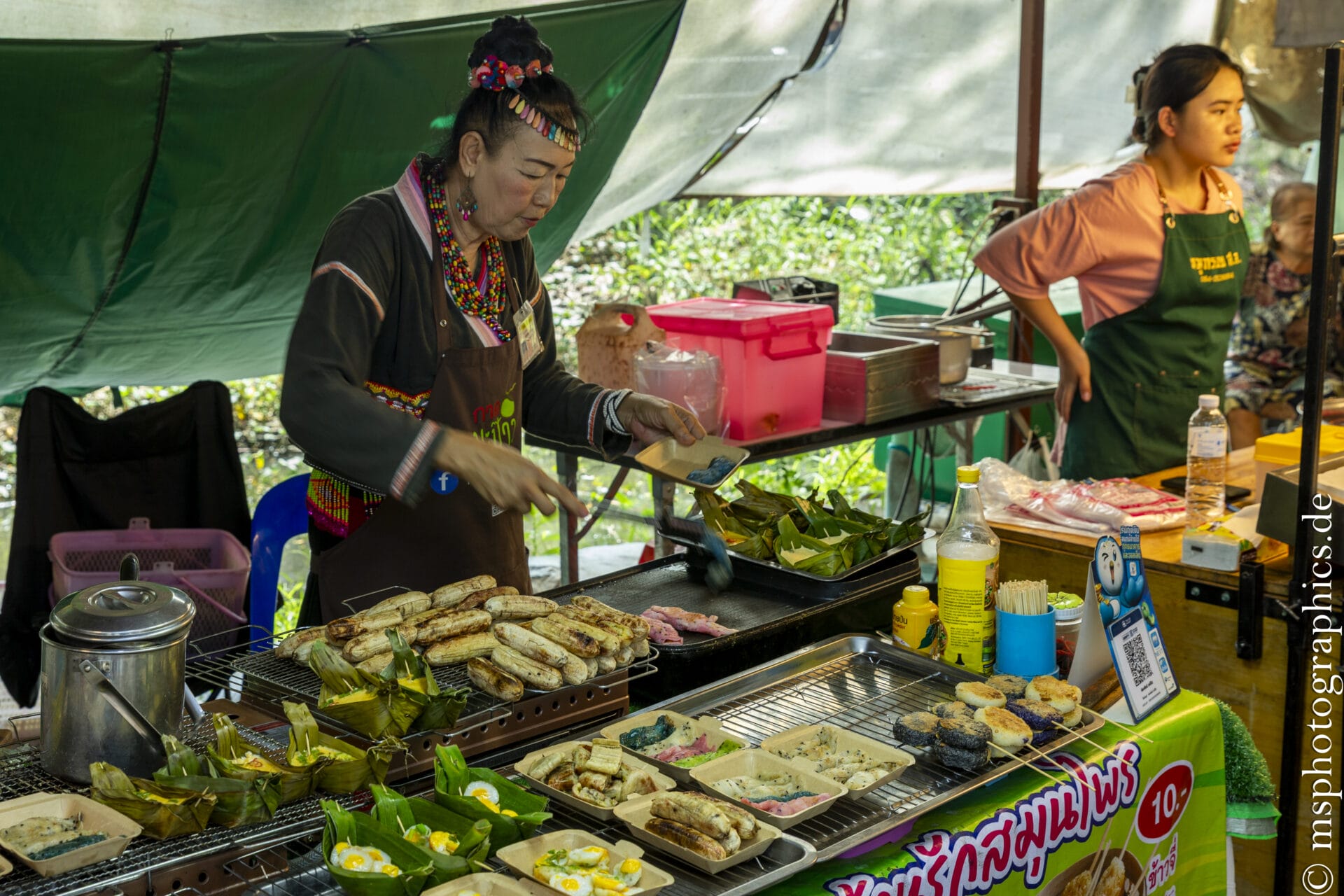

Chiang Mai is famous for its vibrant market culture, and especially on weekends, the old city transforms into a colorful paradise for gourmets, art lovers, and explorers. The weekend markets are among the highlights of any trip to this northern Thai metropolis.
Whether it's mango sticky rice, grilled meat, curries, or vegan dishes – the markets are a culinary experience. Street performers, musicians, and traditional dance groups also perform, transforming the evenings into a vibrant mix of culture, food, and lively activity.
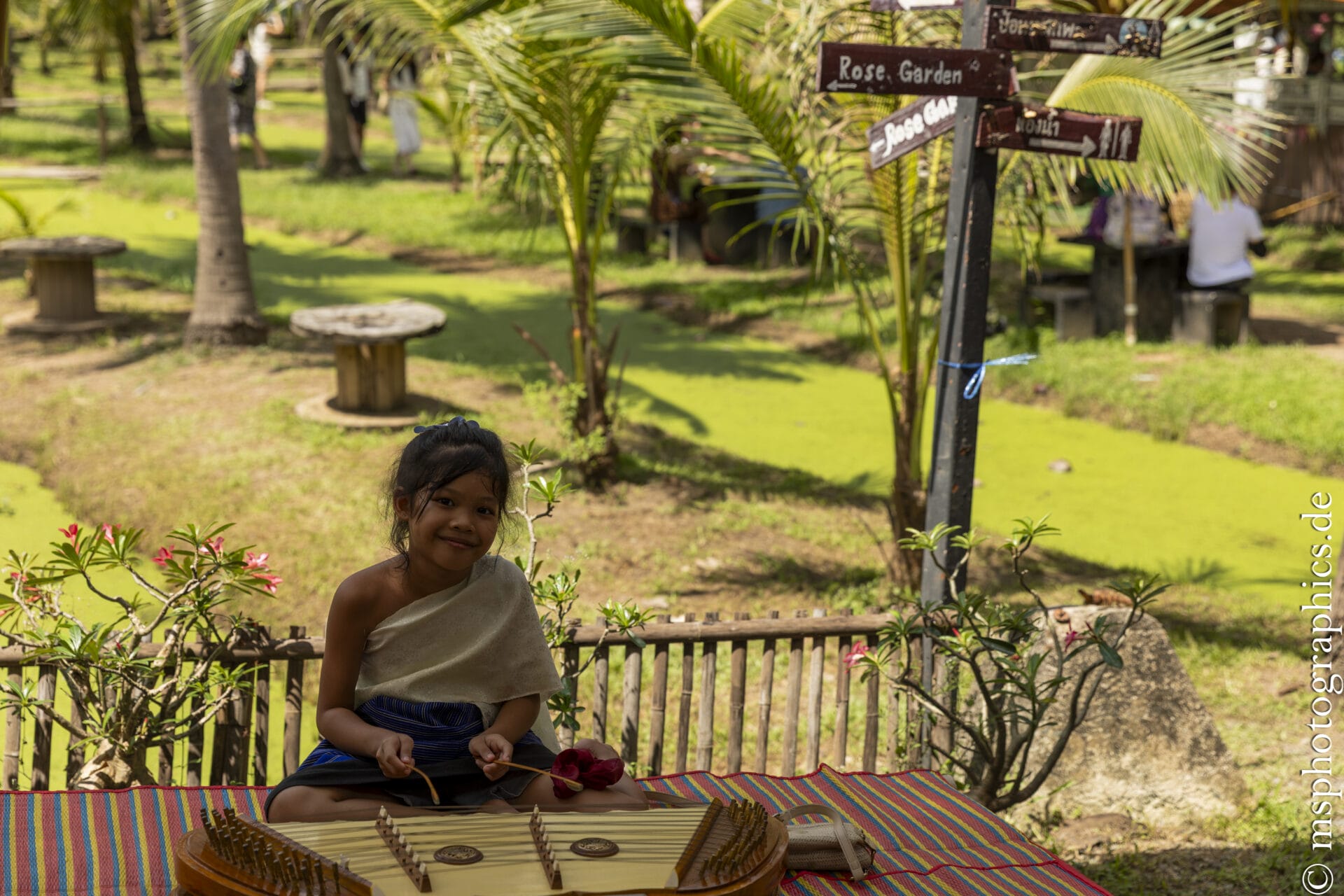
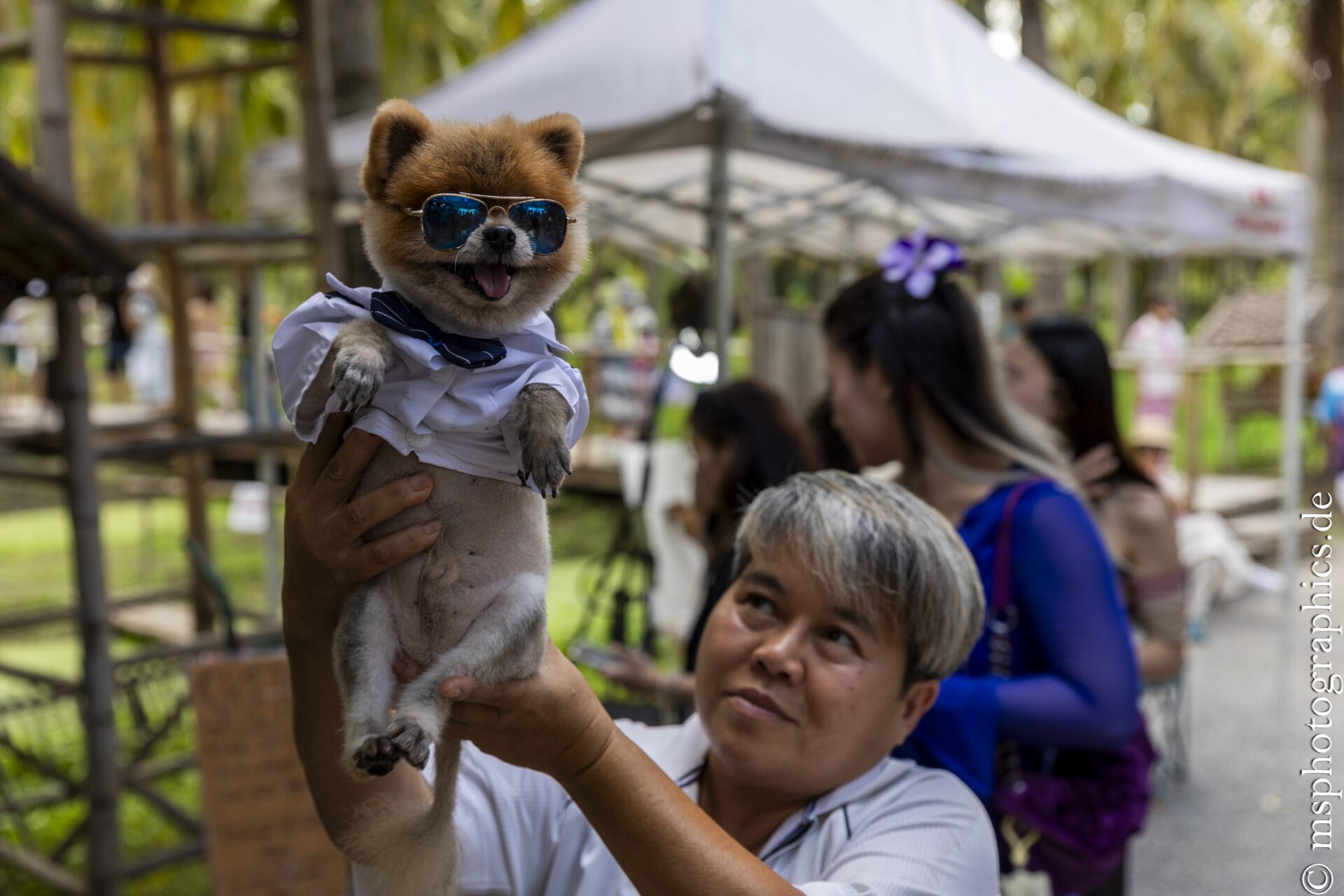
A visit to the coconut market in Chiang Mai is a truly unique experience. It's a vibrant place that showcases Thailand's rich culture and local produce in the open air, on a coconut plantation. Visitors can discover a variety of stalls offering fresh produce, unique handicrafts, and delicious street food.
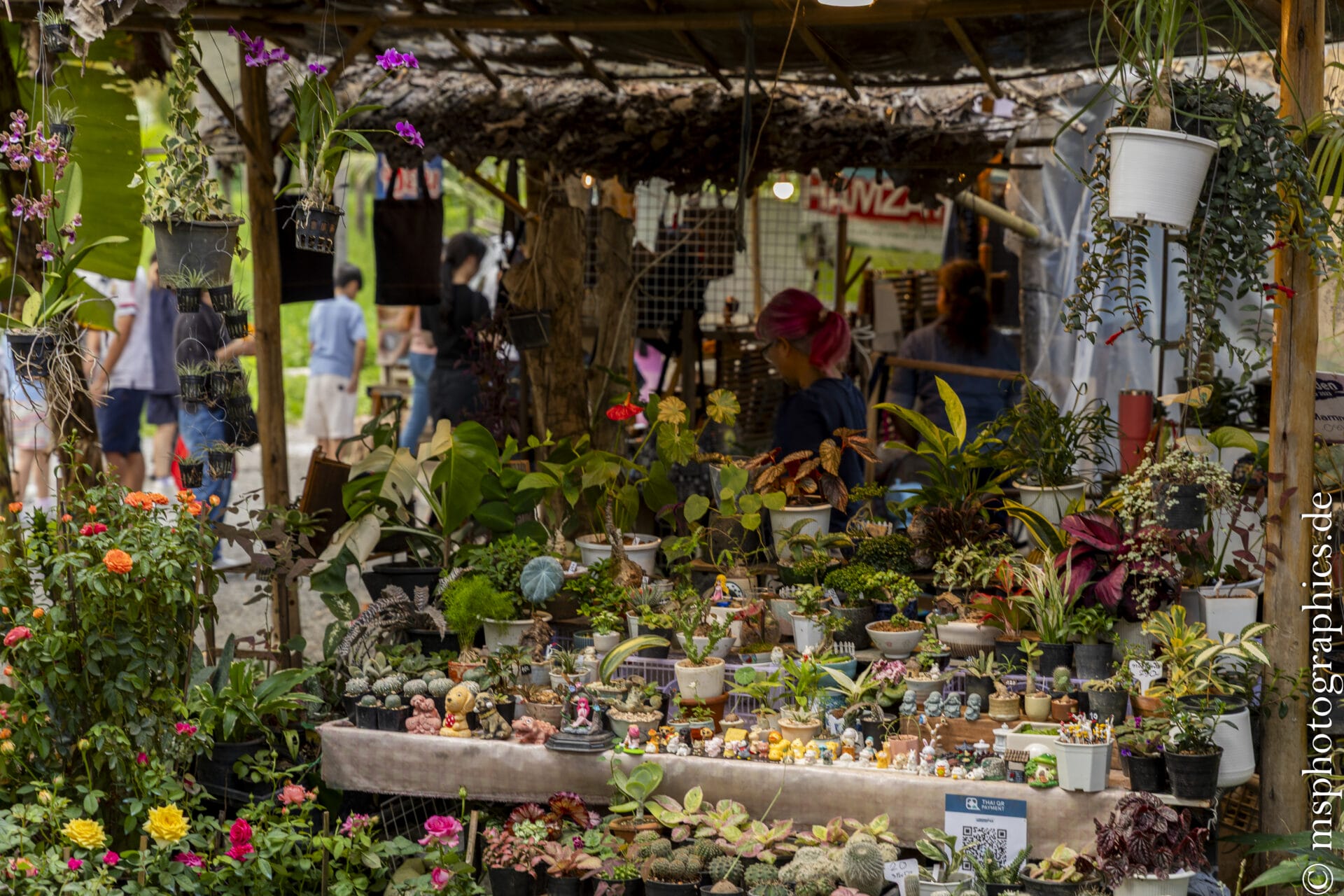

The market is also a popular meeting place where locals and tourists alike can immerse themselves in the vibrant atmosphere. It is particularly known for its affordable prices and the opportunity to discover local specialties and traditions.
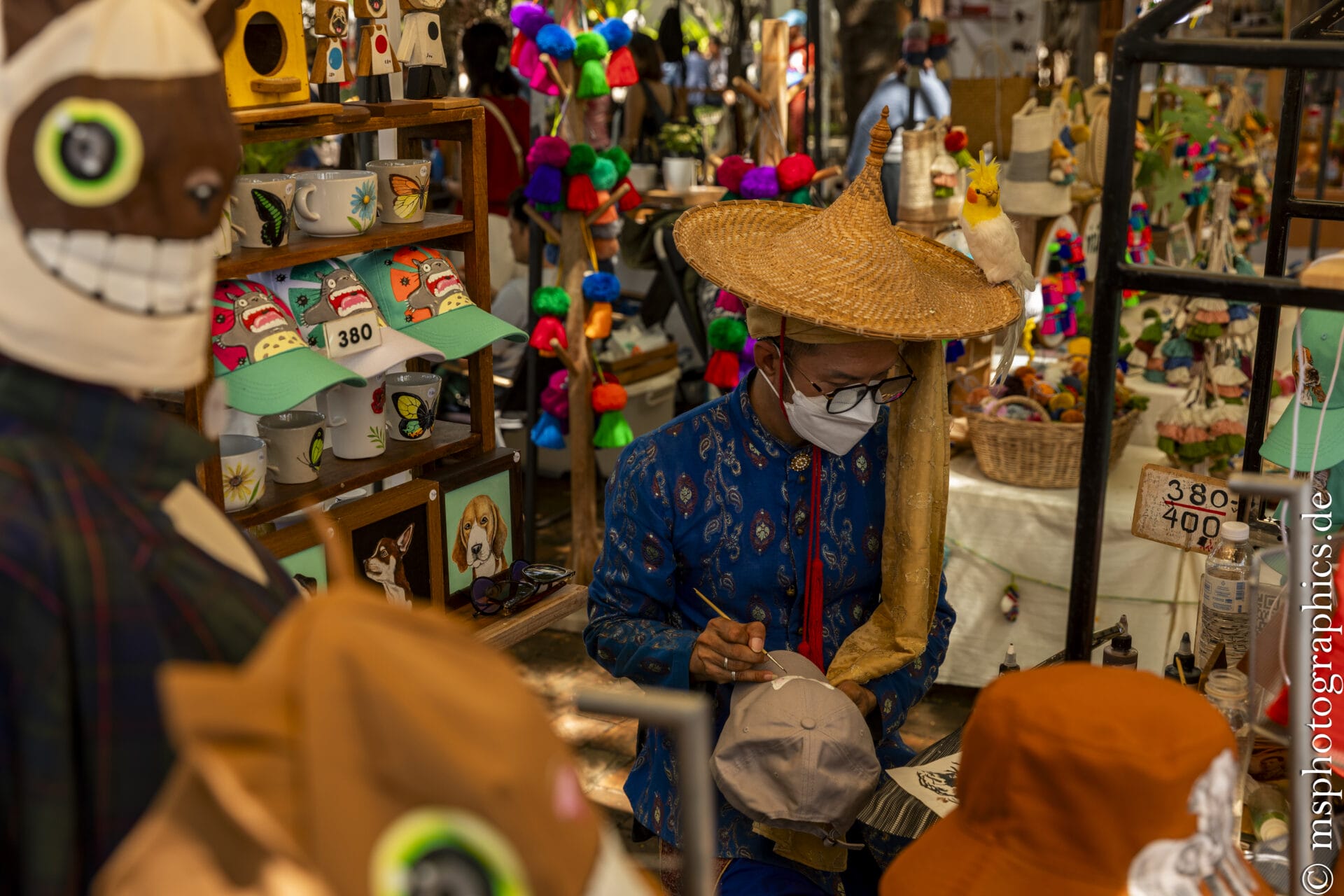
The colorful surroundings and the captivating atmosphere make it an absolute must for every visitor to Chiang Mai.
In the afternoon, we continued on to Bangkok, the capital of Thailand.
Arrival in Bangkok, the capital of Thailand:
Erawan Shrine in Bangkok – A spiritual power place in the heart of the metropolis:
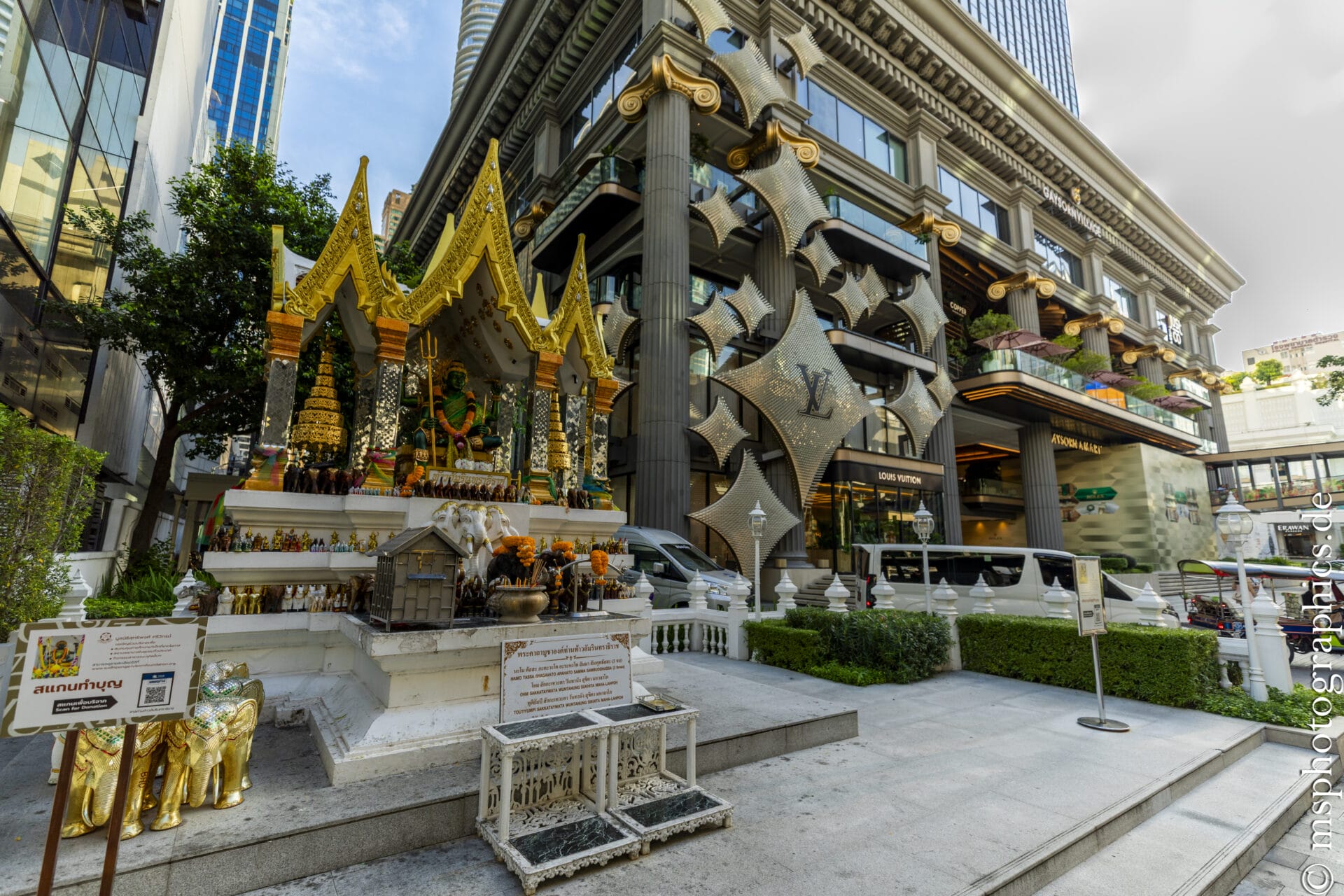
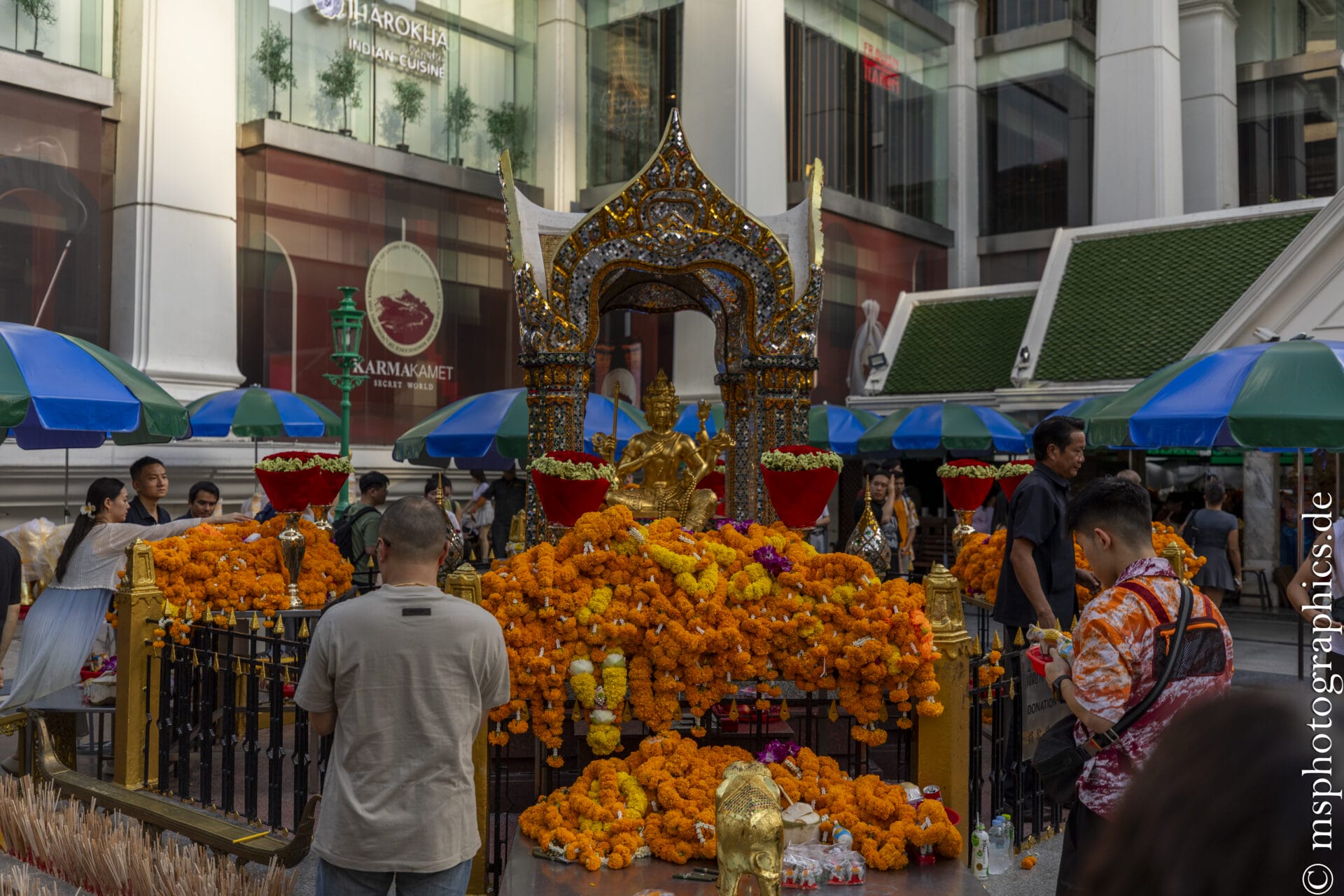
The Erawan Shrine , also known as San Phra in Thai Known as Phrom, it is one of the most famous and frequently visited shrines in Bangkok. It is located in the heart of the bustling shopping district around the Ratchaprasong intersection, a place where modern skyscrapers, shopping malls, and spiritual traditions blend together in a striking way.
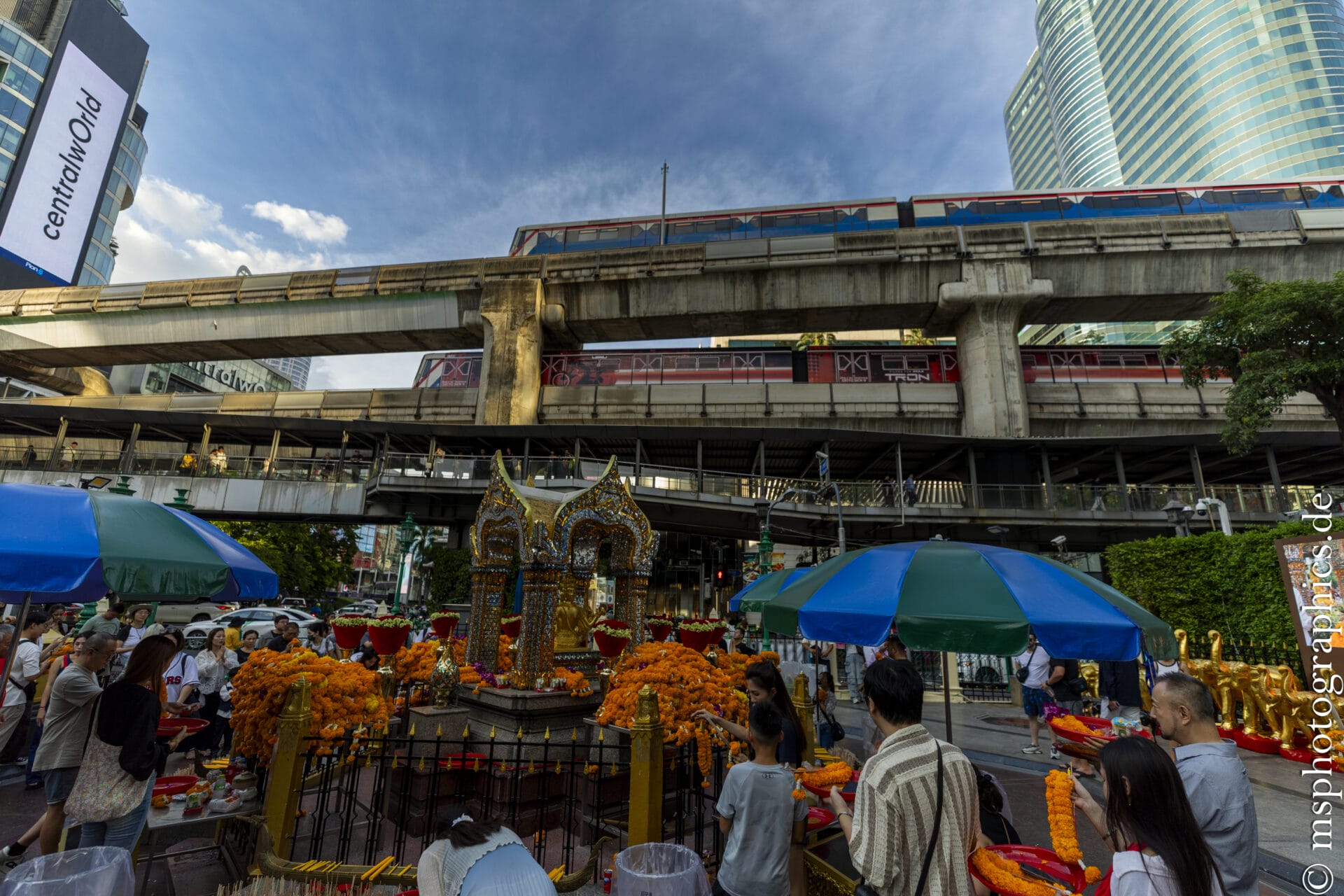
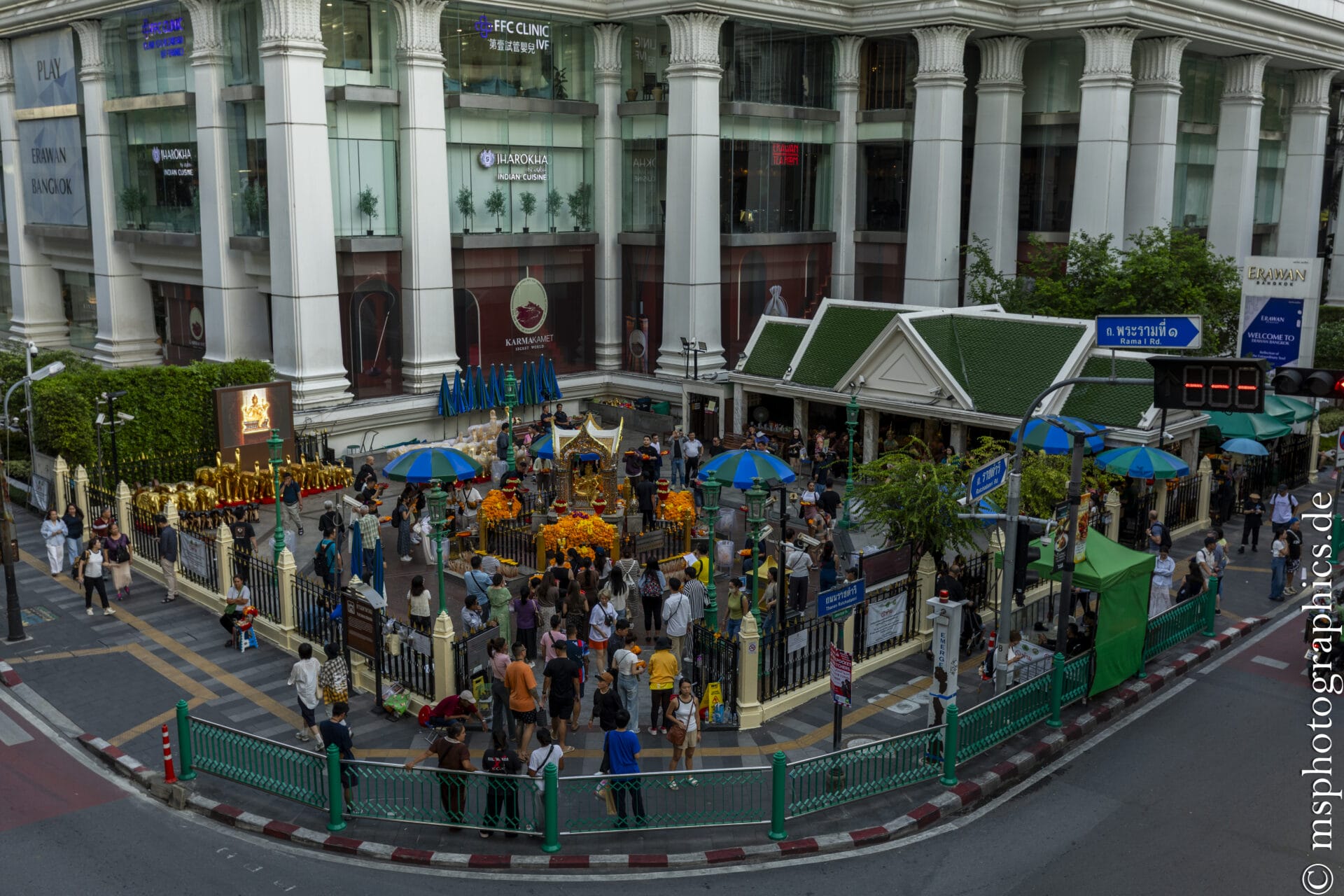
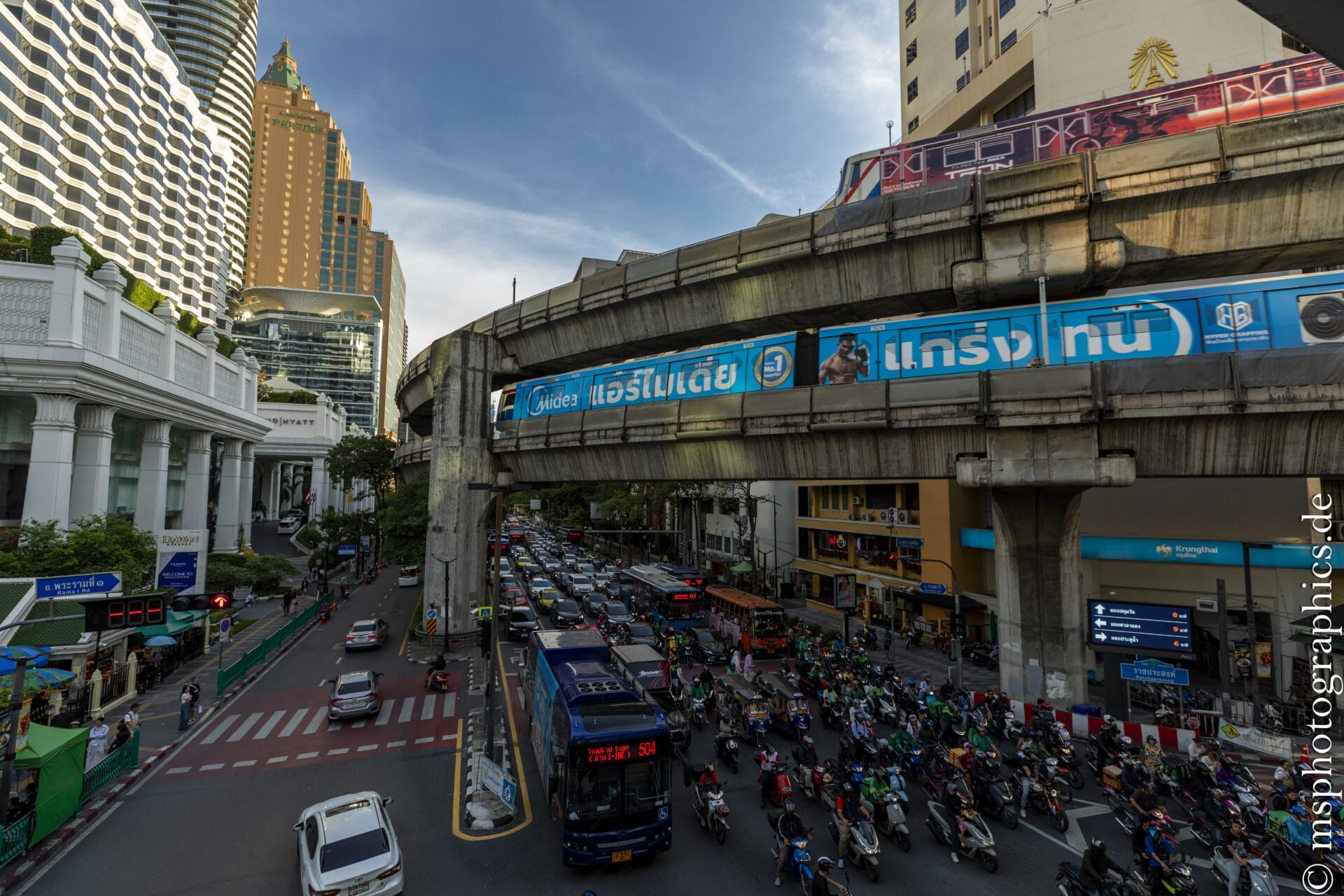
The shrine is dedicated to the Hindu god Phra Dedicated to Phrom, known as Brahma in Hindu mythology, his golden, four-faced statue symbolizes wisdom, compassion, justice, and kindness. Visitors bring garlands of flowers, incense, or offerings, asking for good fortune, protection, professional success, or personal wishes.
Particularly impressive are the traditional Thai dance performances, organized by believers as thanks for granted prayers. They lend the place a unique, almost mystical atmosphere amidst the hustle and bustle of the metropolis.
Bangkok's nightlife – vibrant, diverse and full of contrasts:
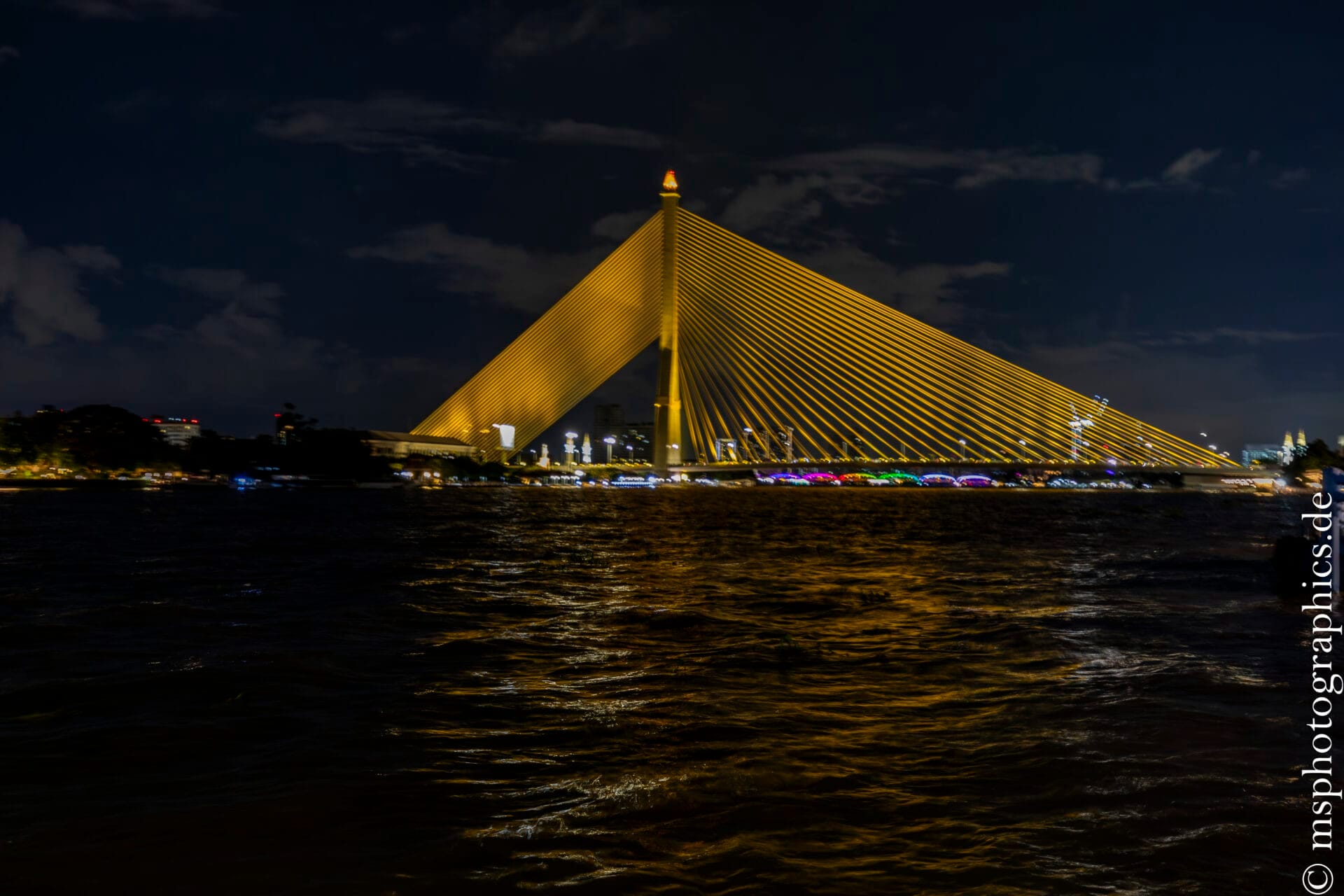
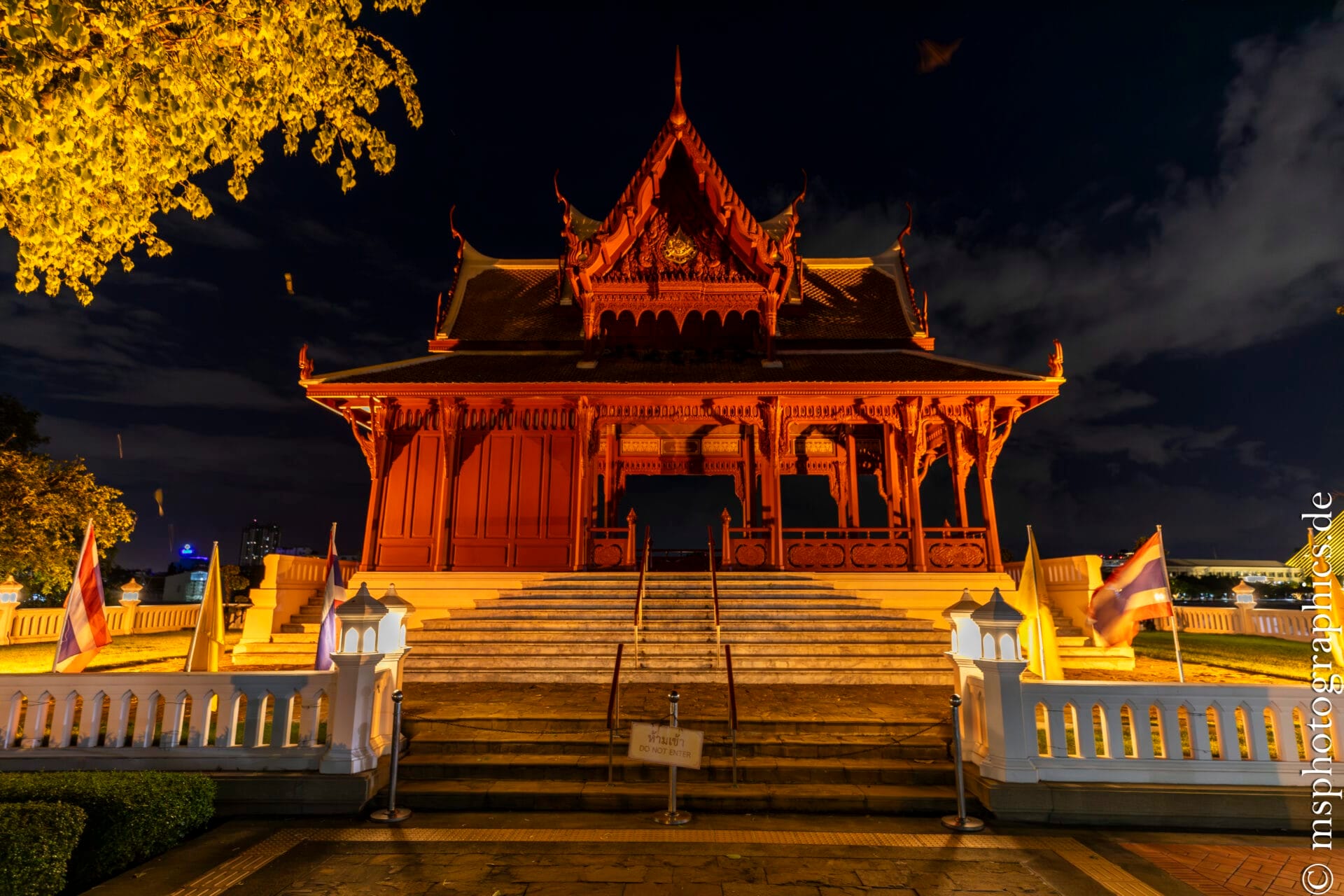
Bangkok's nightlife is among the most vibrant and diverse in all of Asia. As soon as the sun sets, the Thai capital awakens to a colorful mix of street culture, modern club scene, and traditional evening activities. Each district has its own unique charm – and its own energy.
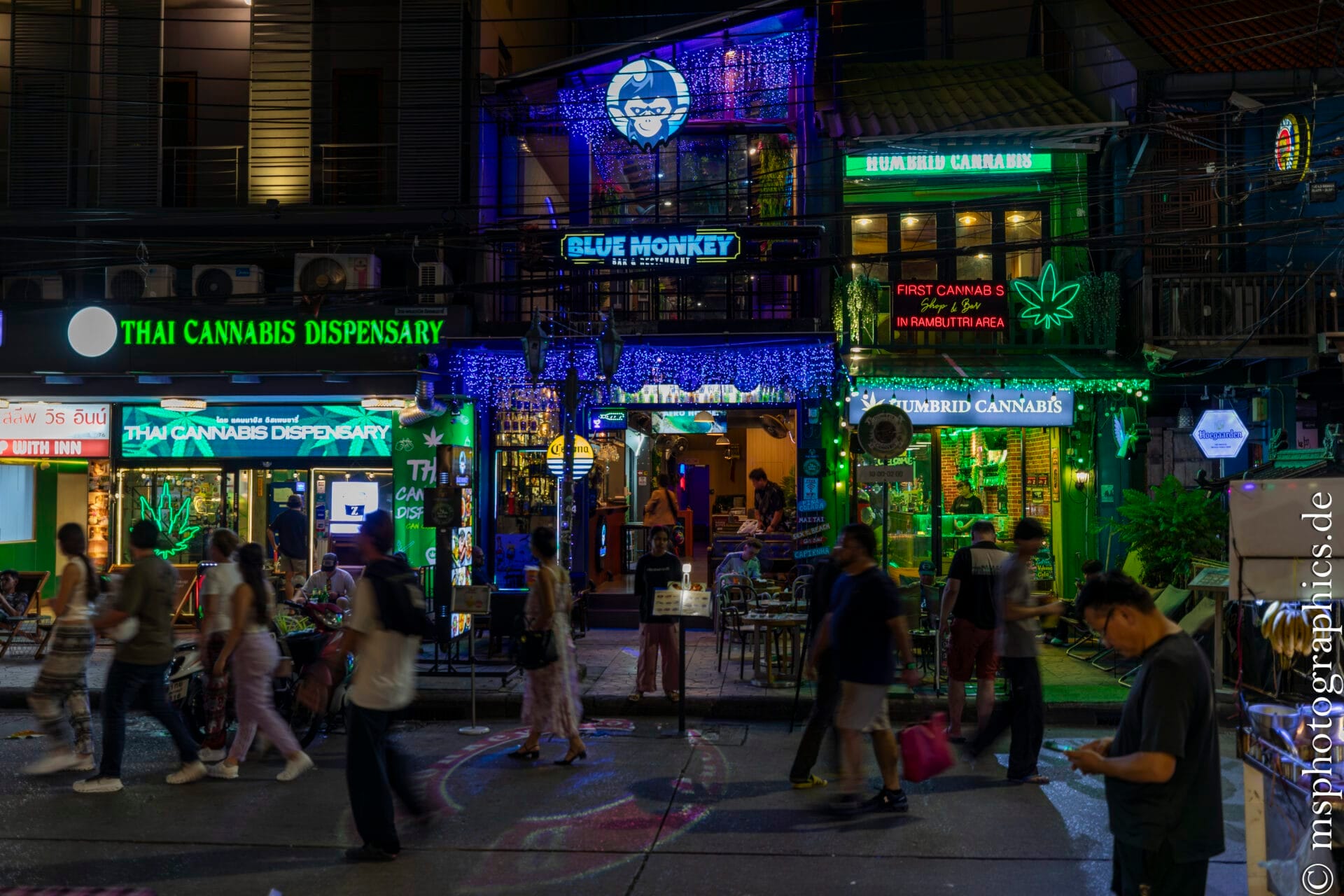
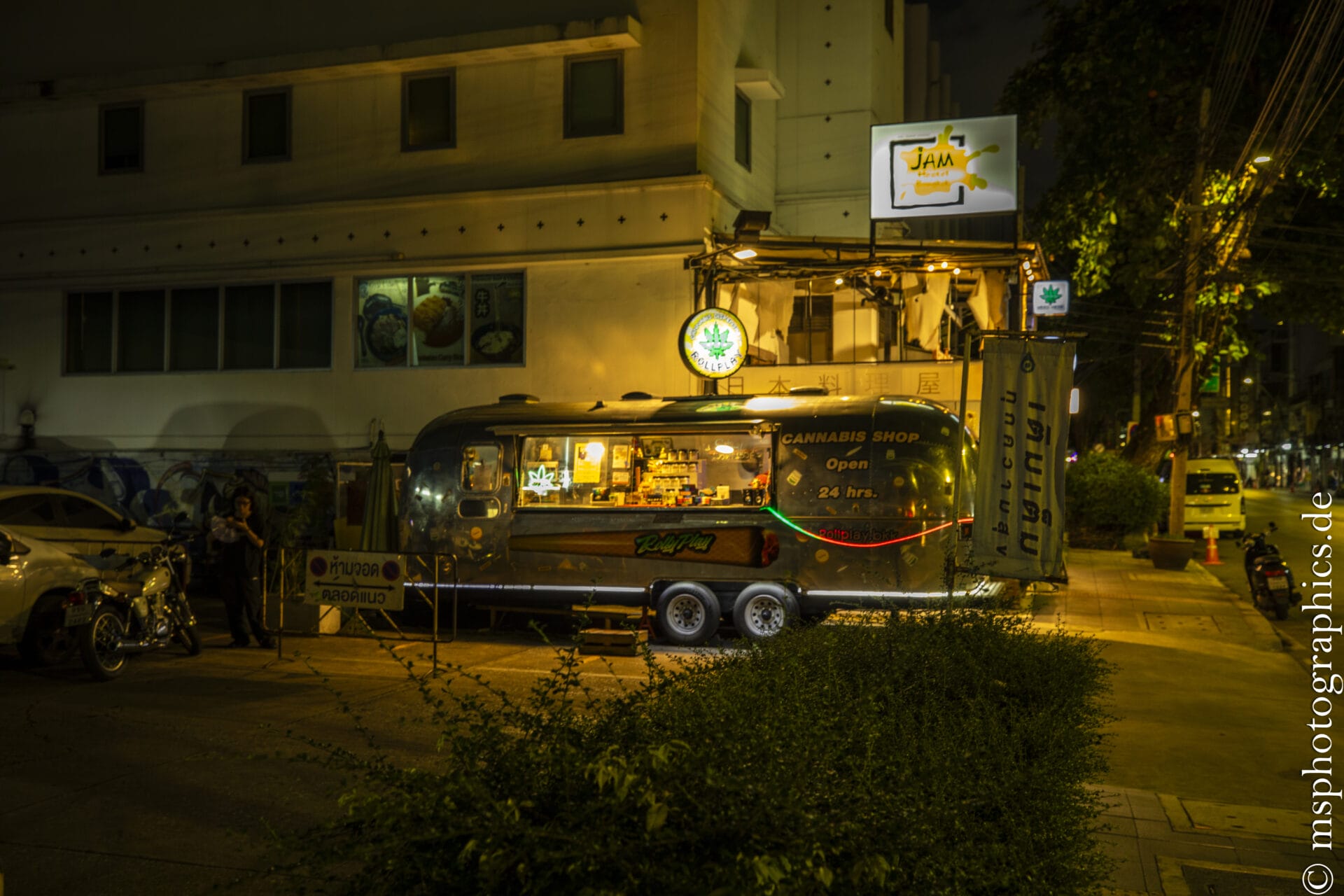
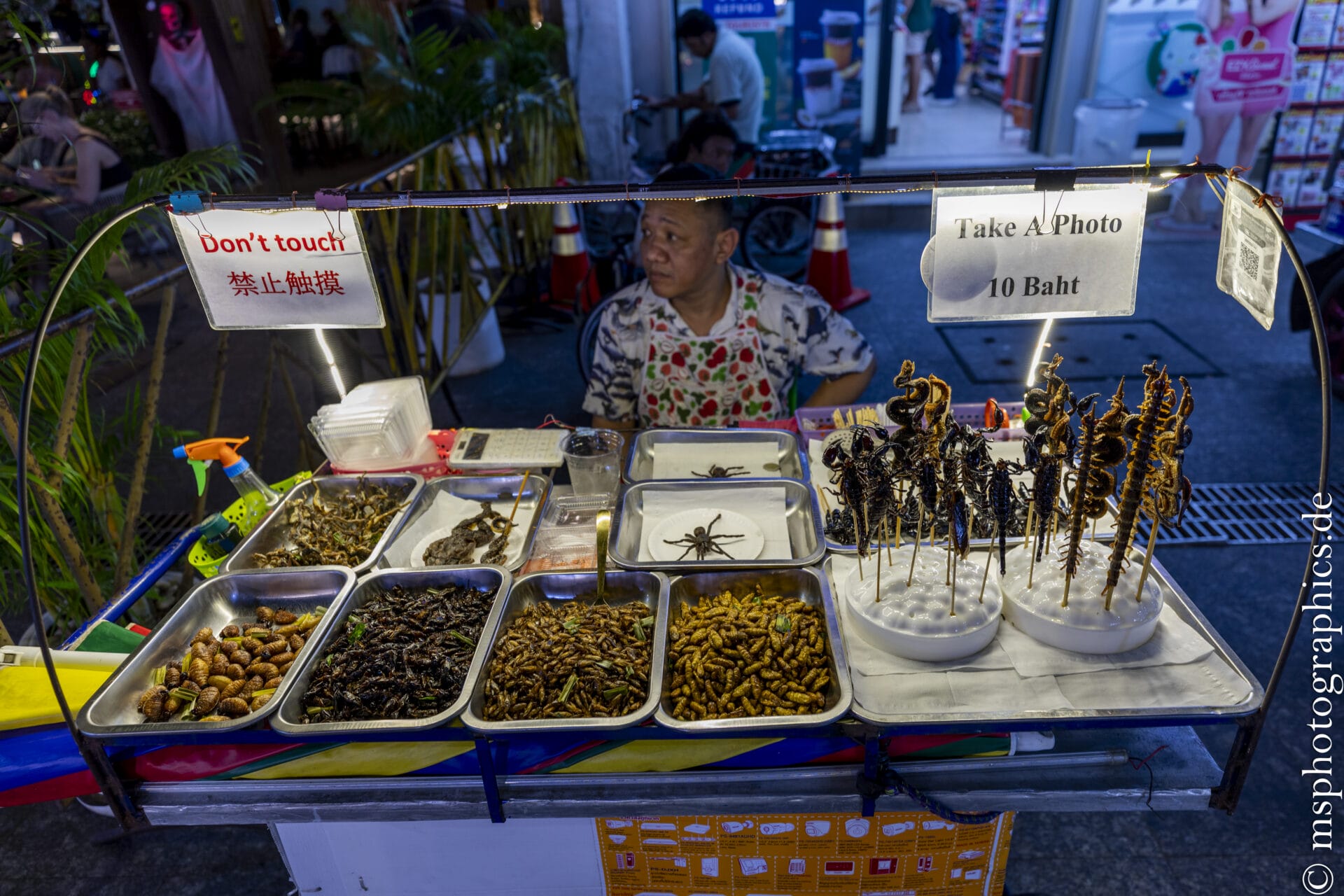
Thai culture also plays a role. Night markets like Jodd Fairs or the Talad Rot Fai Train Market combine shopping, culinary delights, and local atmosphere. In addition, there are cabaret shows, traditional performances, and river dinners along the Chao Phraya River.
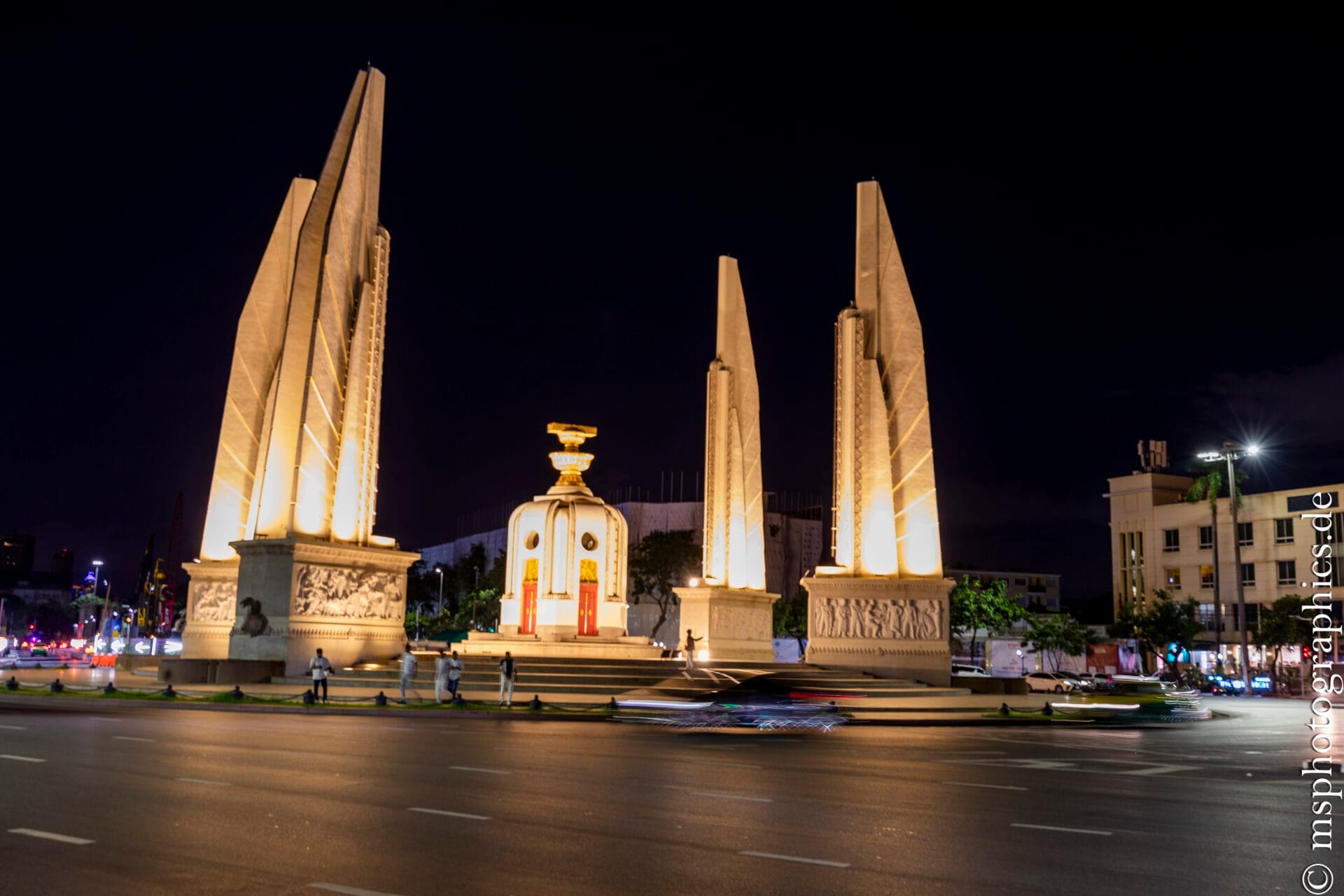
Bangkok thus offers a nightlife that has something for every mood, from relaxed evenings to exuberant party nights.
Royal Palace in Bangkok – Thailand's glamorous centerpiece:
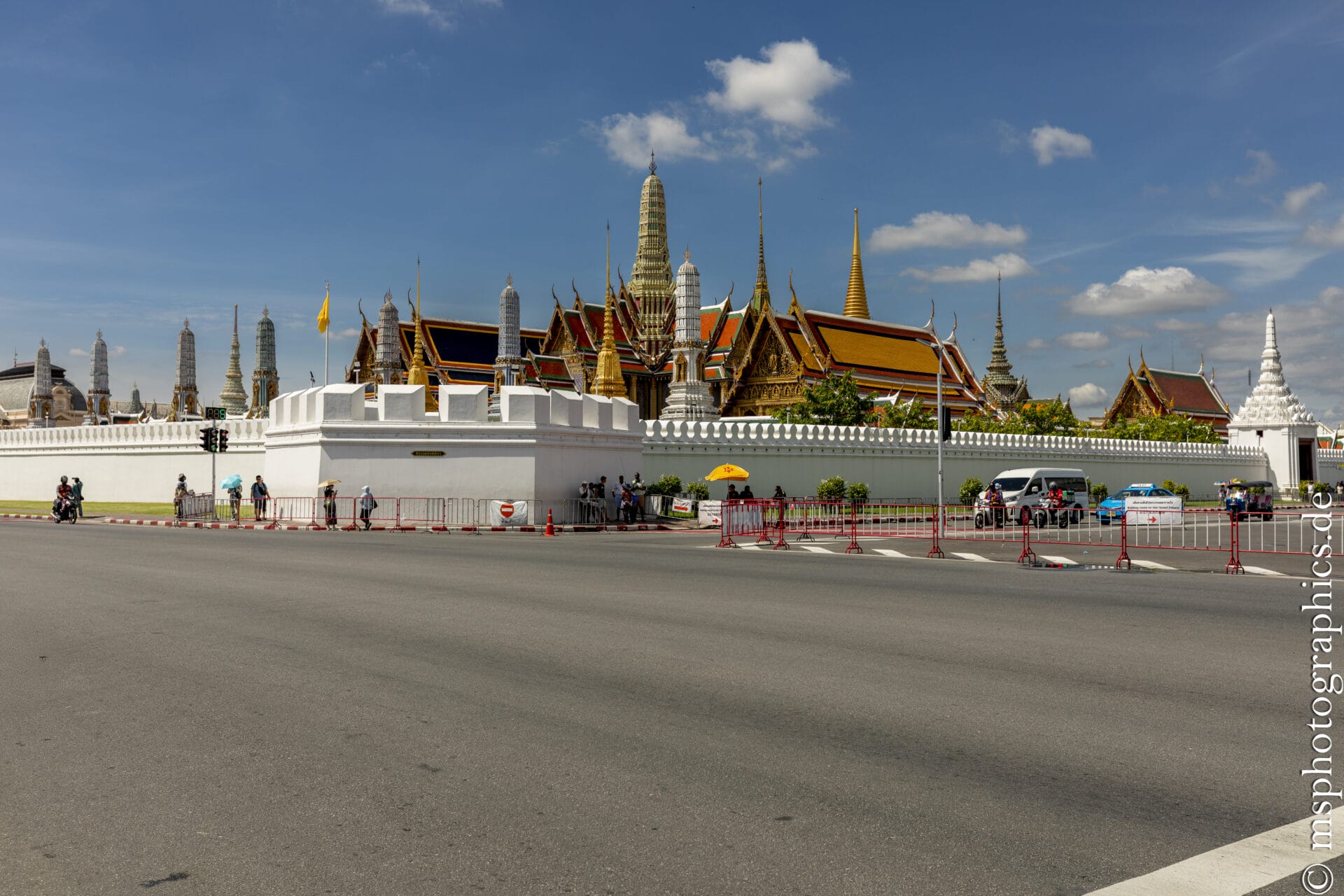
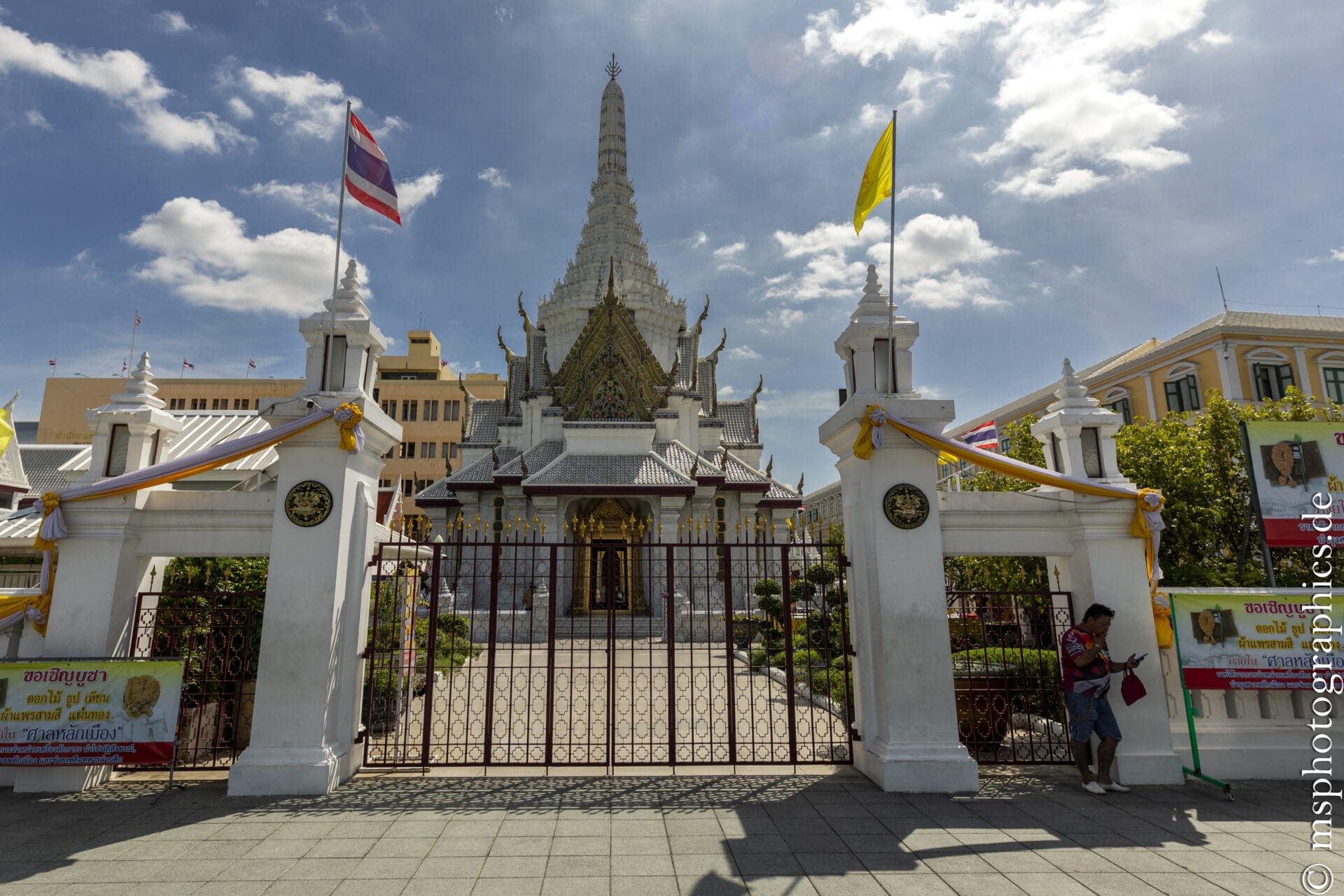
The Royal Palace, better known as the Grand Palace, is Bangkok's most impressive landmark and a significant symbol of the Thai monarchy. Since its construction in 1782, the magnificent palace has served as the royal residence for over 150 years and continues to be the venue for important ceremonial occasions.

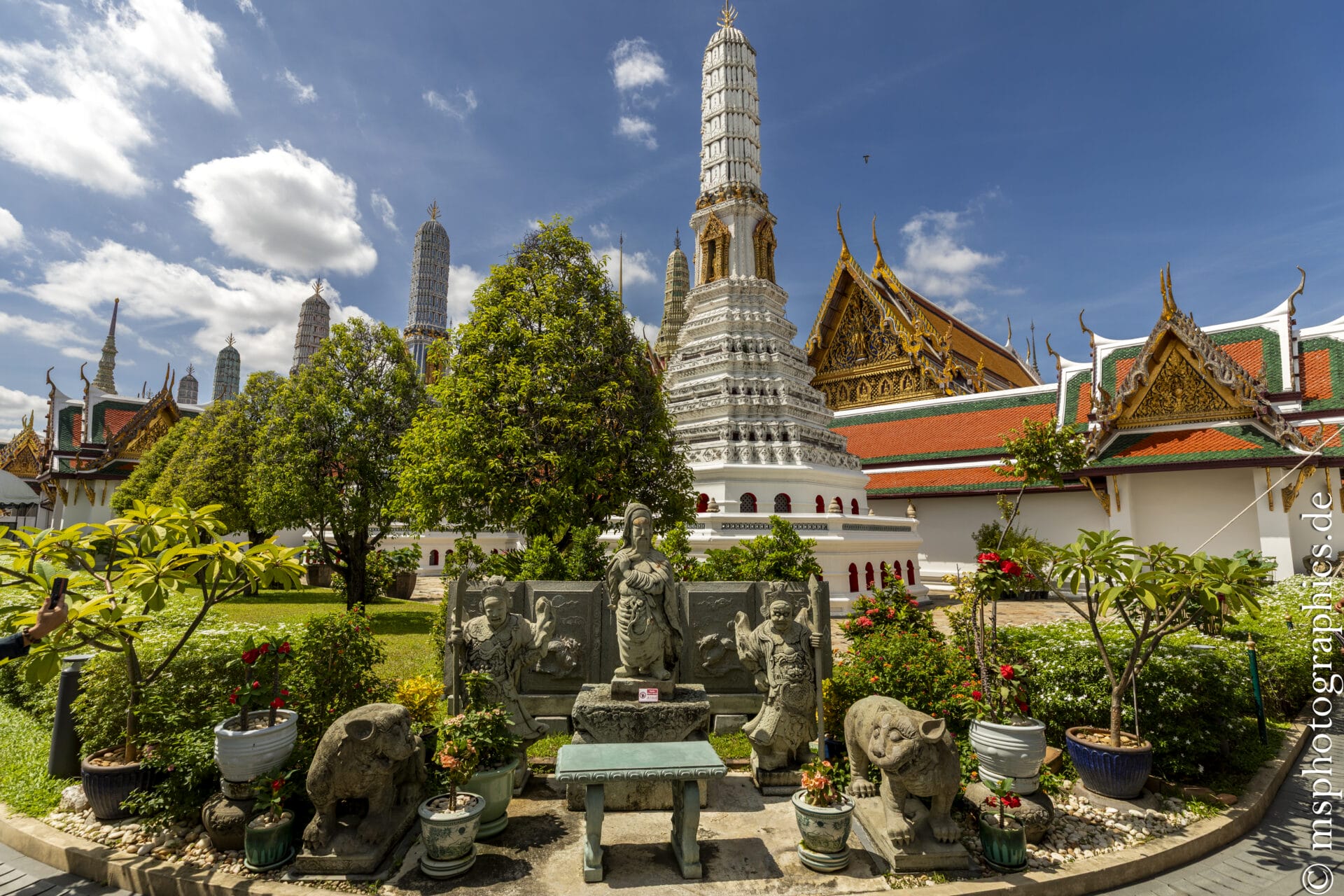
The sprawling complex consists of elaborately decorated buildings, golden stupas, intricate pavilions and richly decorated halls.

Among the highlights is the Temple of the Emerald Buddha (Wat Phra Kaew), considered the holiest temple in Thailand. Its statue of the Emerald Buddha, carved from a single block of jade, attracts numerous worshippers and visitors from all over the world every day.
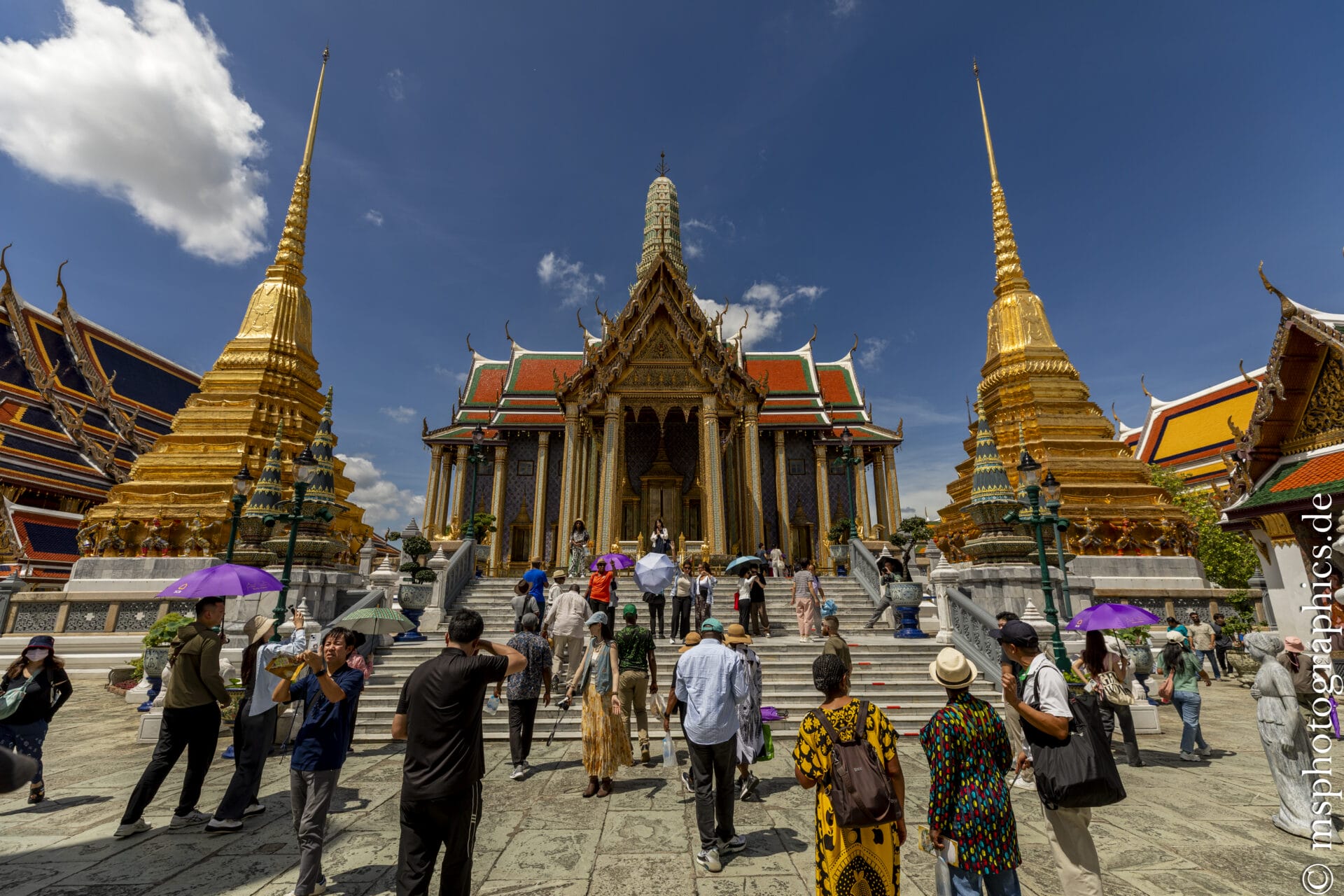
Despite the palace's popularity, the place retains a special, almost magical atmosphere. A stroll through the grounds reveals the Grand Palace's impressive blend of Thai, Buddhist, and royal architecture.
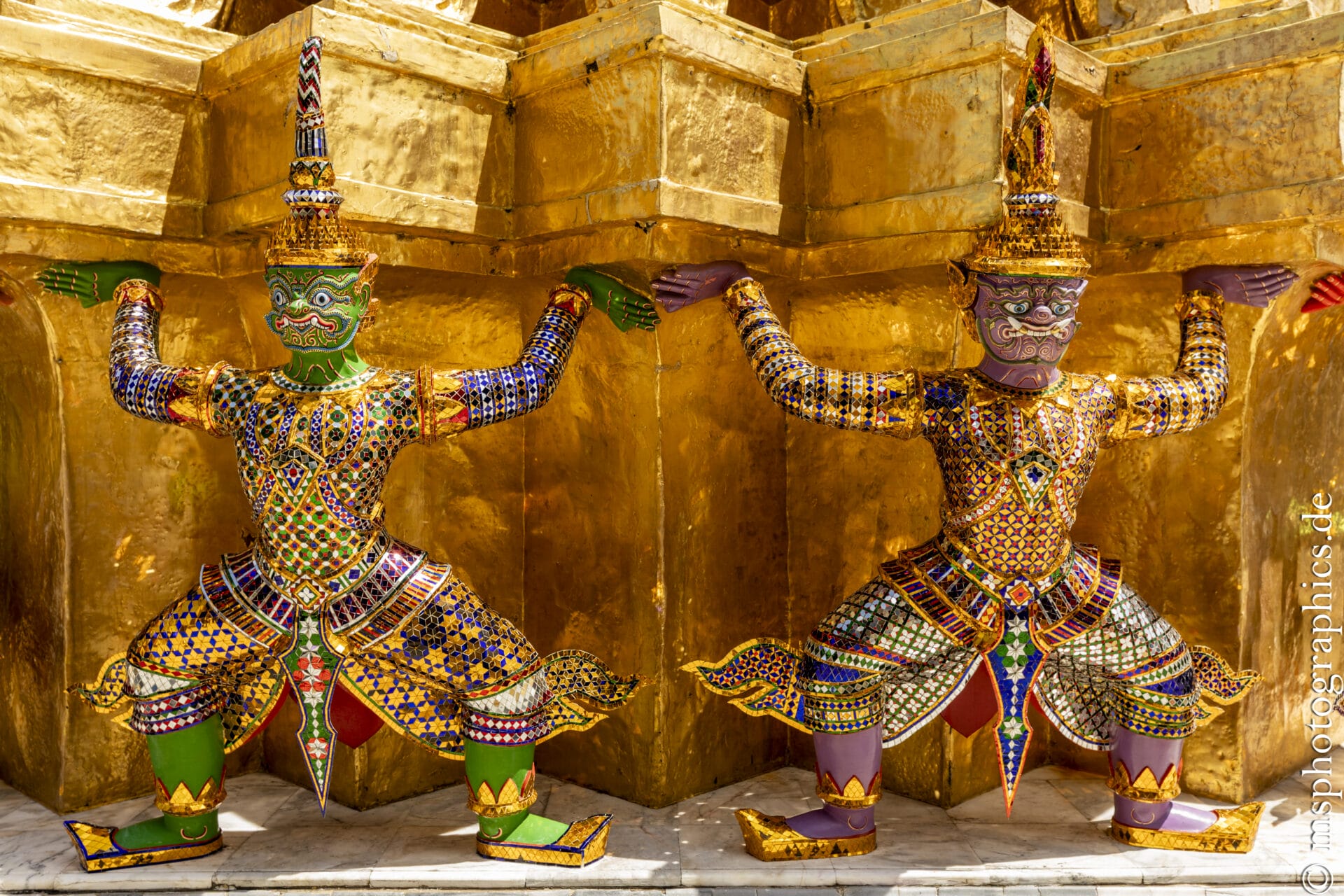

Each corner reveals a new scene of golden splendor, mosaic patterns, and finely crafted statues.
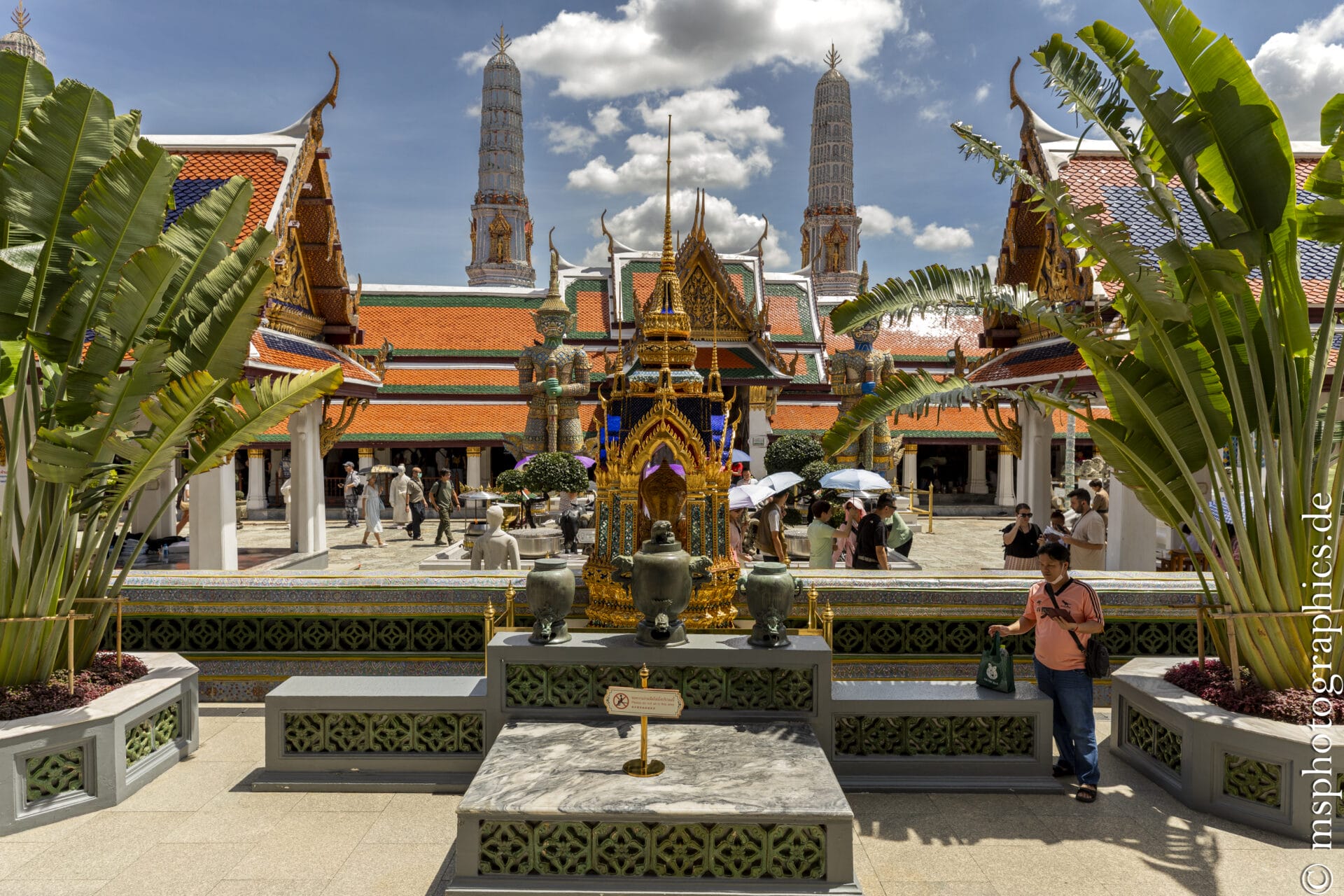
Despite the palace's popularity, the place retains a special, almost magical atmosphere.
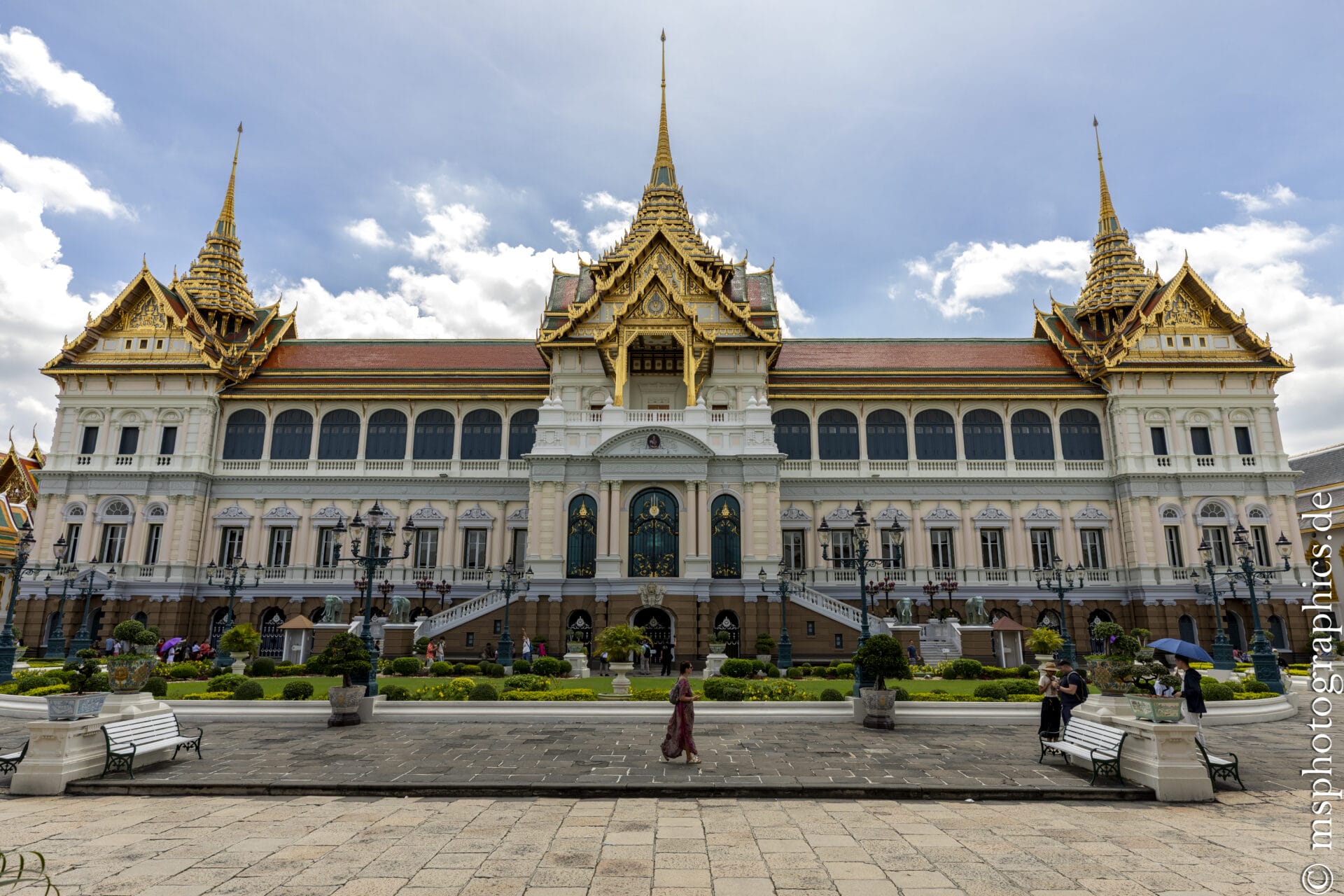
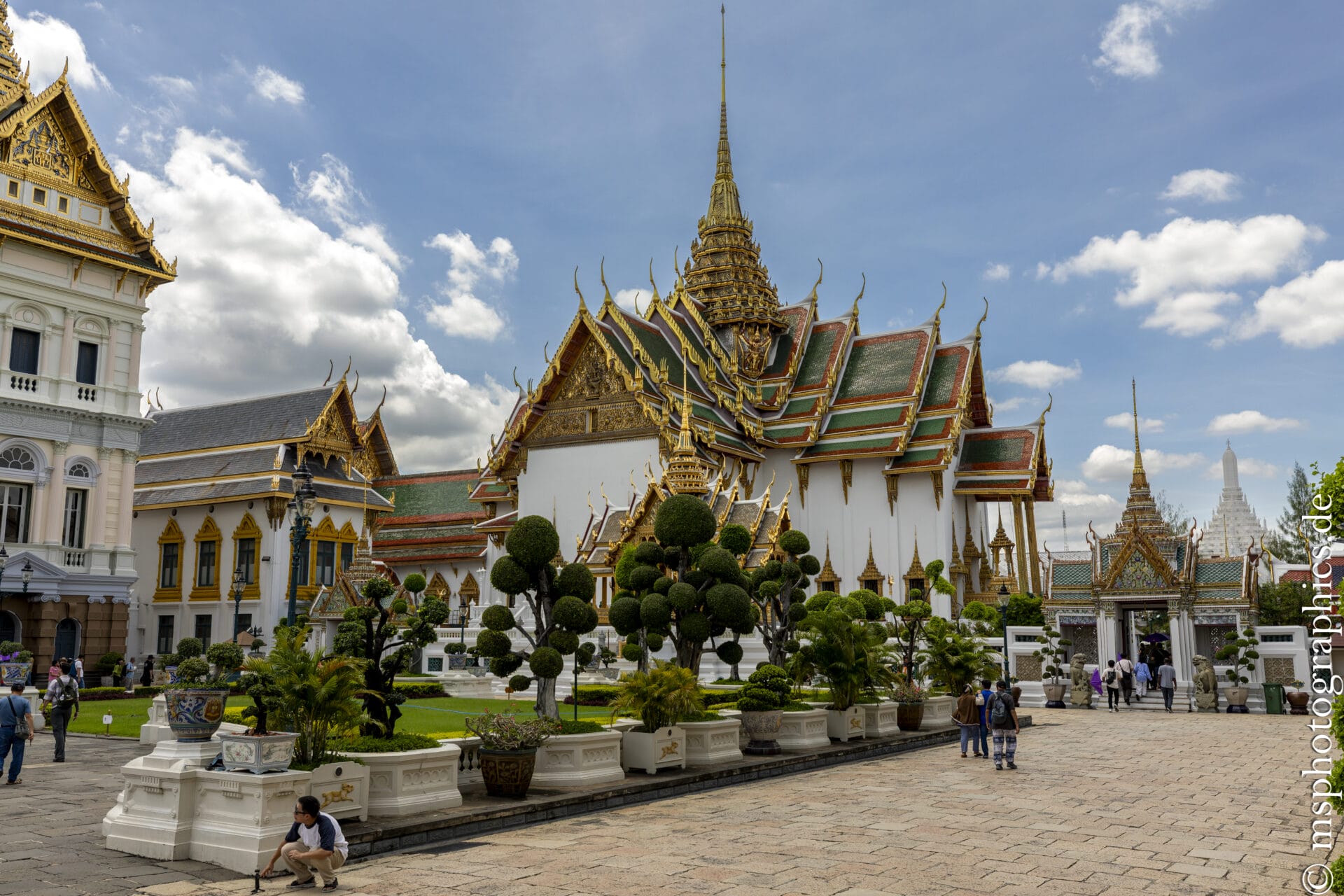
The Royal Palace is therefore not only a historical monument, but also a living testament to Thai culture, art and tradition.
Wat Pho – The Temple of the Reclining Buddha in Bangkok:
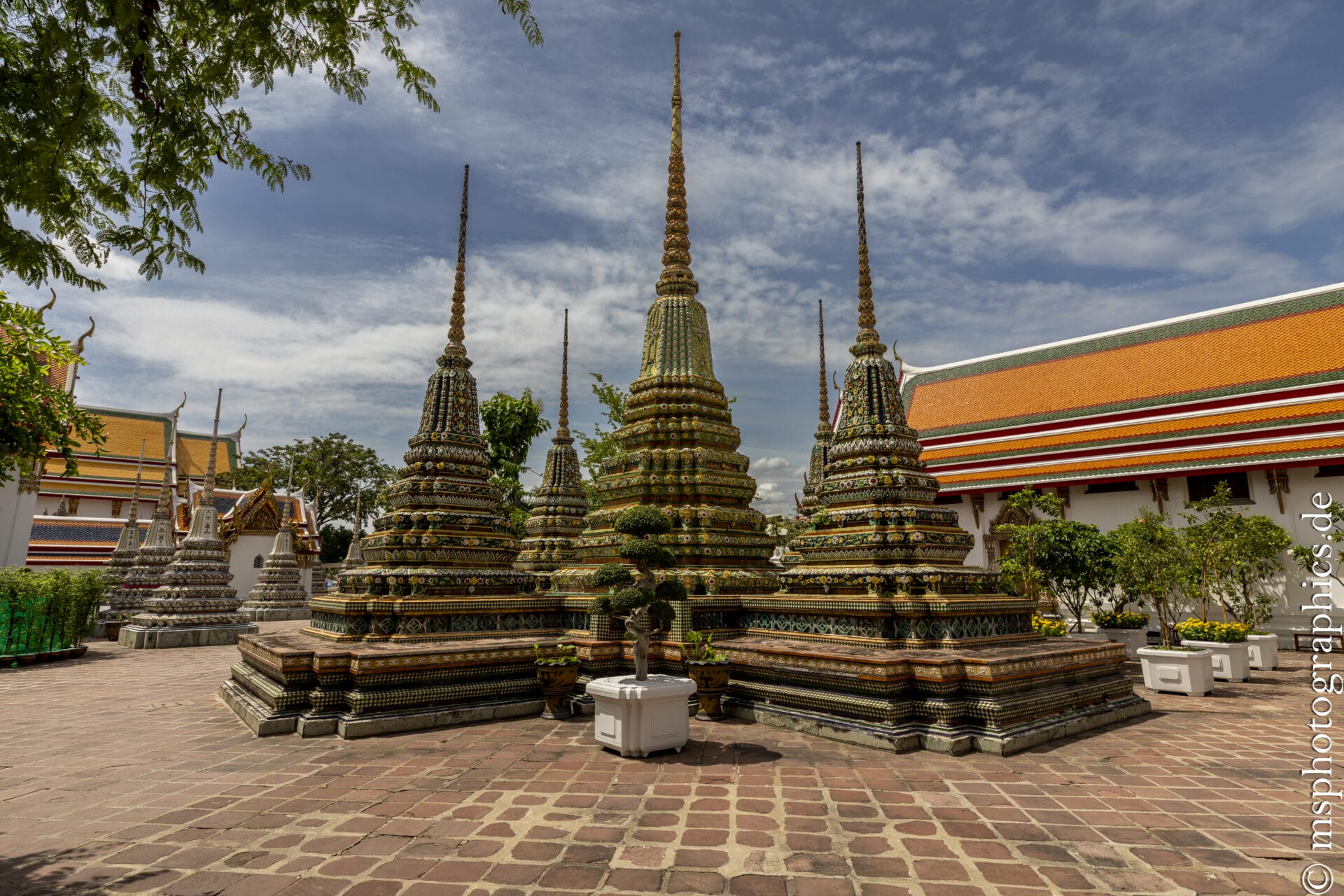
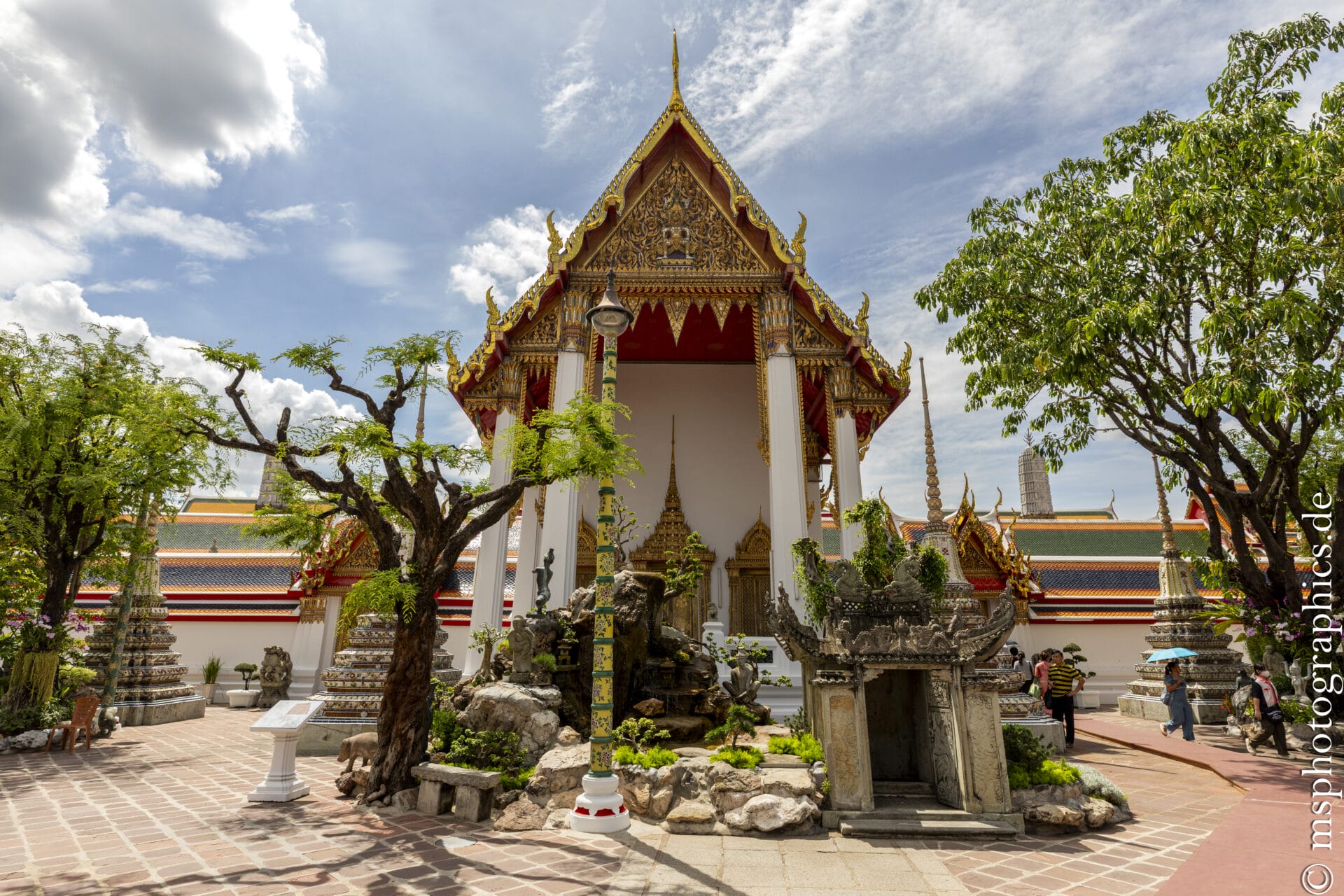
Wat Pho, officially Wat Phra Chetuphon is one of Bangkok's oldest and most important temples. It is especially famous for its enormous reclining Buddha, an impressive 46-meter-long and 15-meter-high statue covered in gold leaf. It symbolizes Buddha's entry into Nirvana – a sight that immediately captivates visitors.

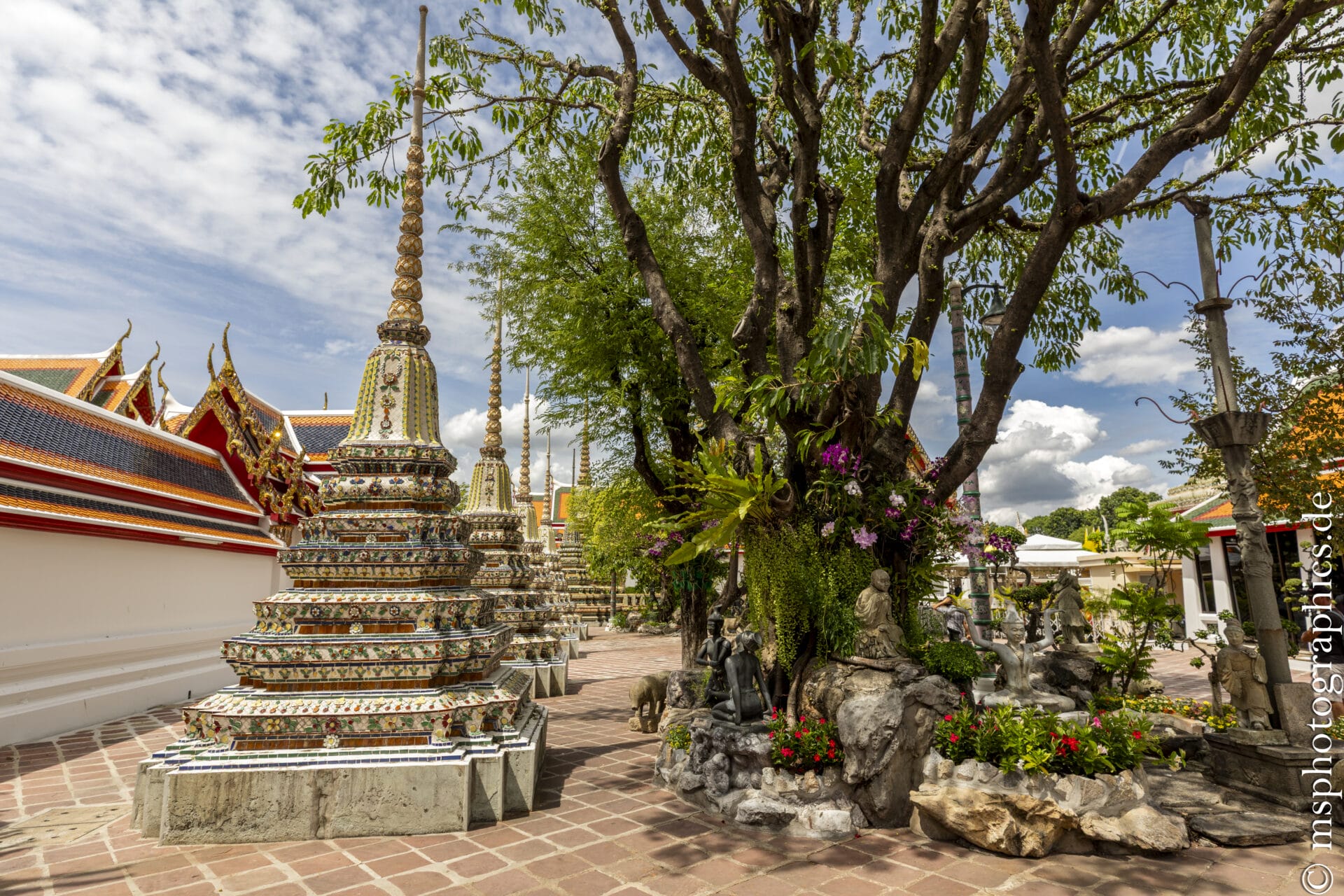
The temple is located near the Grand Palace and is part of the city's historical heart. Besides its iconic Buddha, Wat Pho is also known as the birthplace of traditional Thai massage. Even today, a renowned massage school is located on the temple grounds, where visitors can enjoy classic Thai massages.
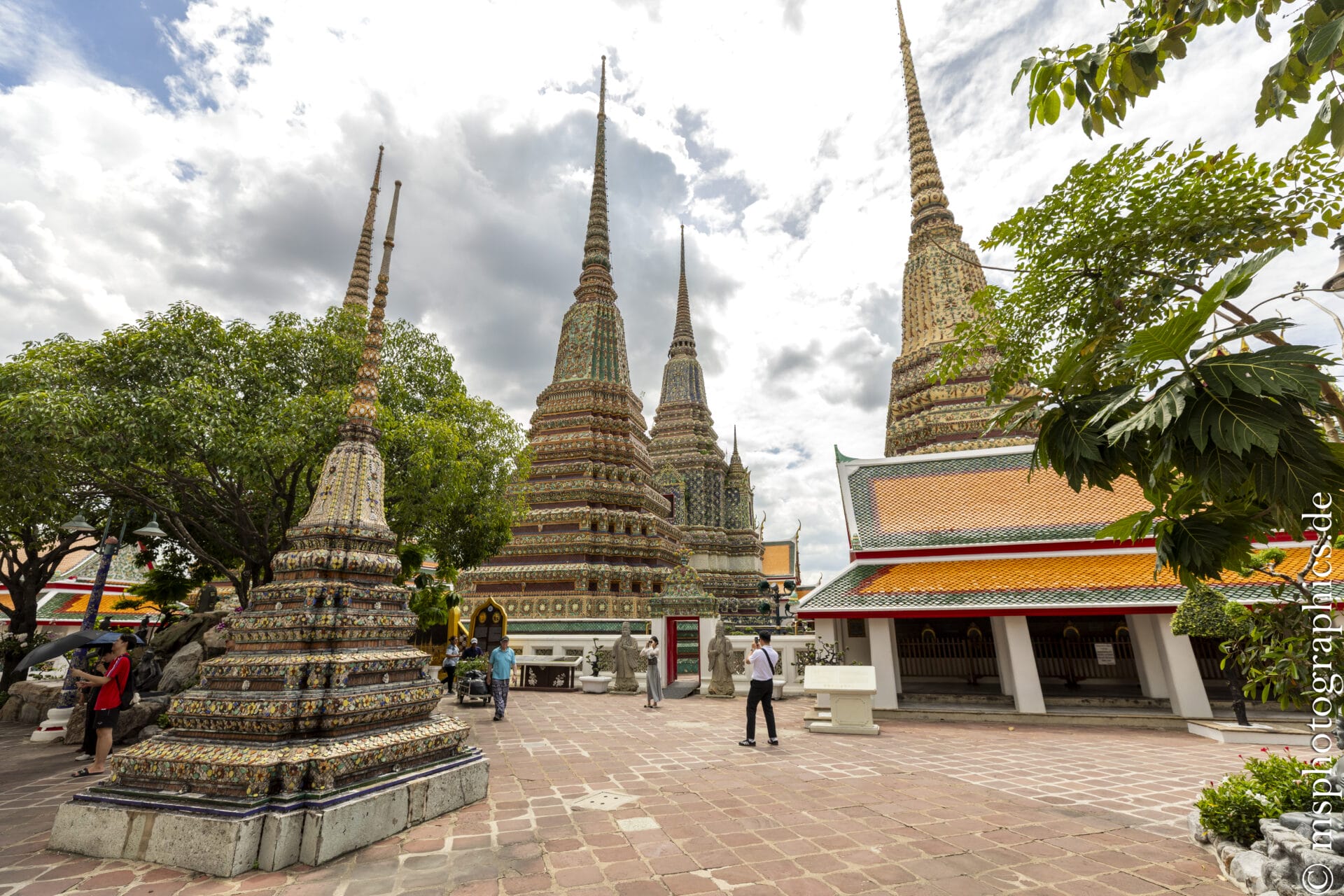
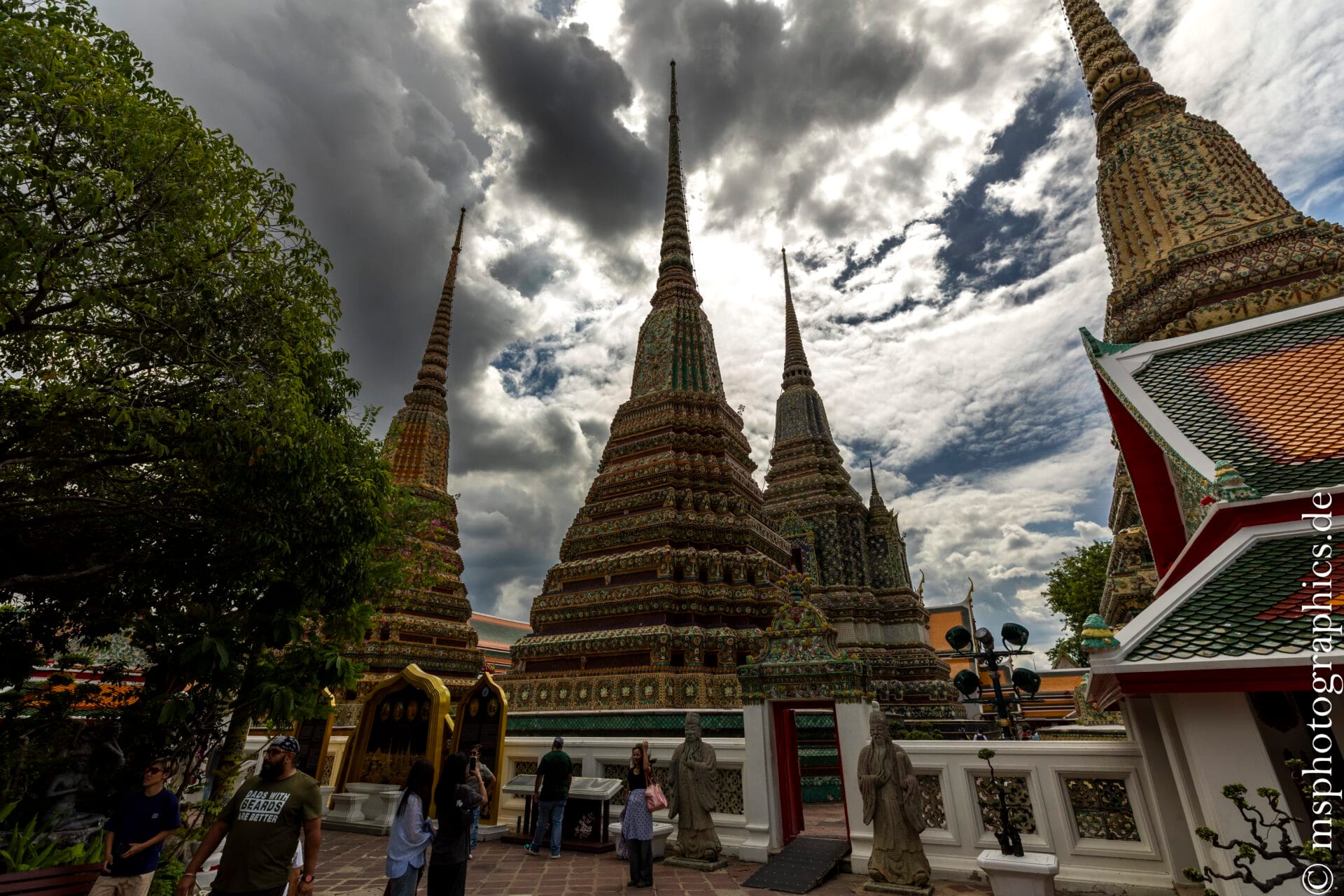
The sprawling temple complex invites visitors to a leisurely stroll. Artful chedis, colorful mosaics, tranquil courtyards, and countless Buddha statues create an atmosphere of spirituality and serenity.
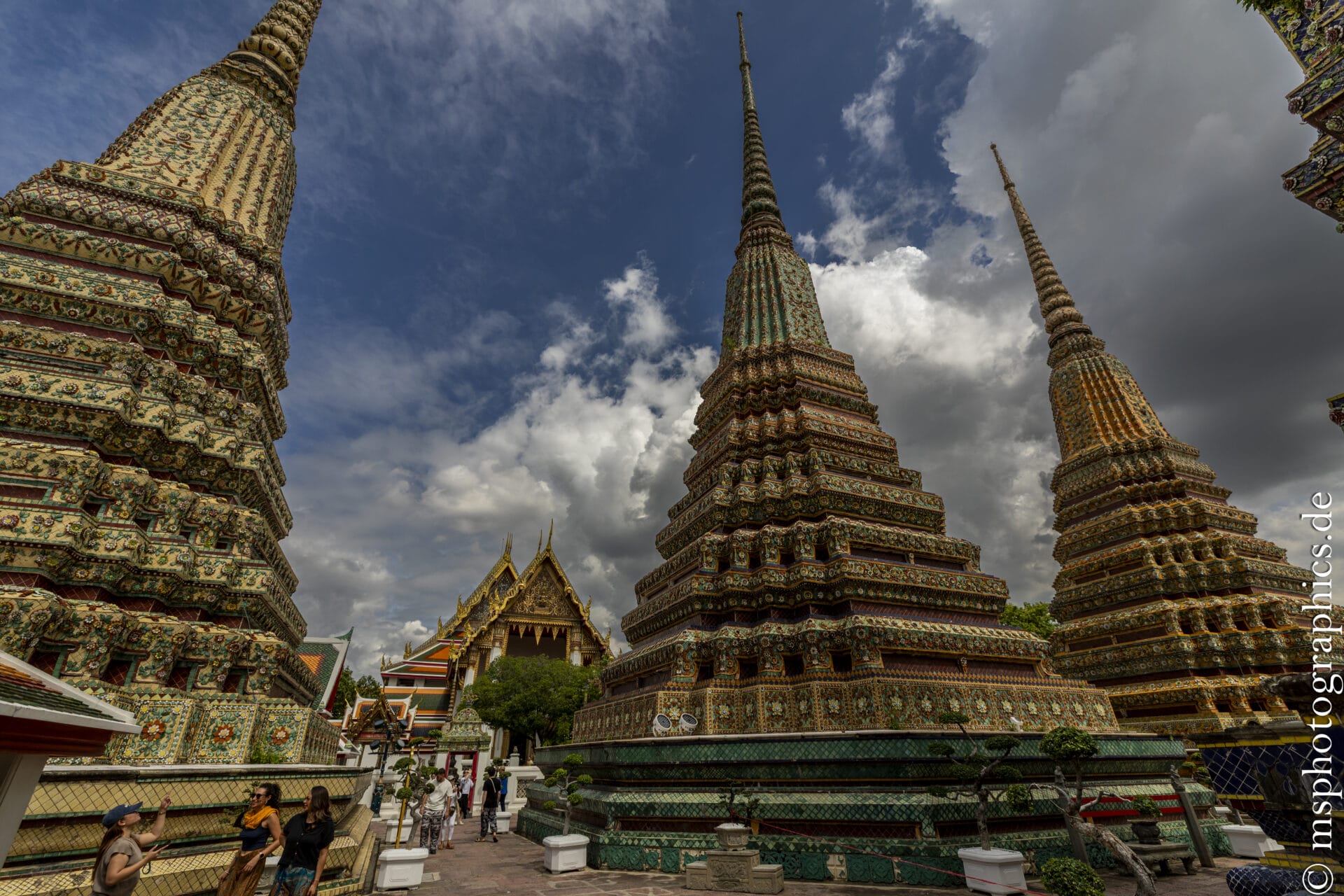

Despite its popularity, Wat Pho often feels less crowded than other tourist attractions in the area.
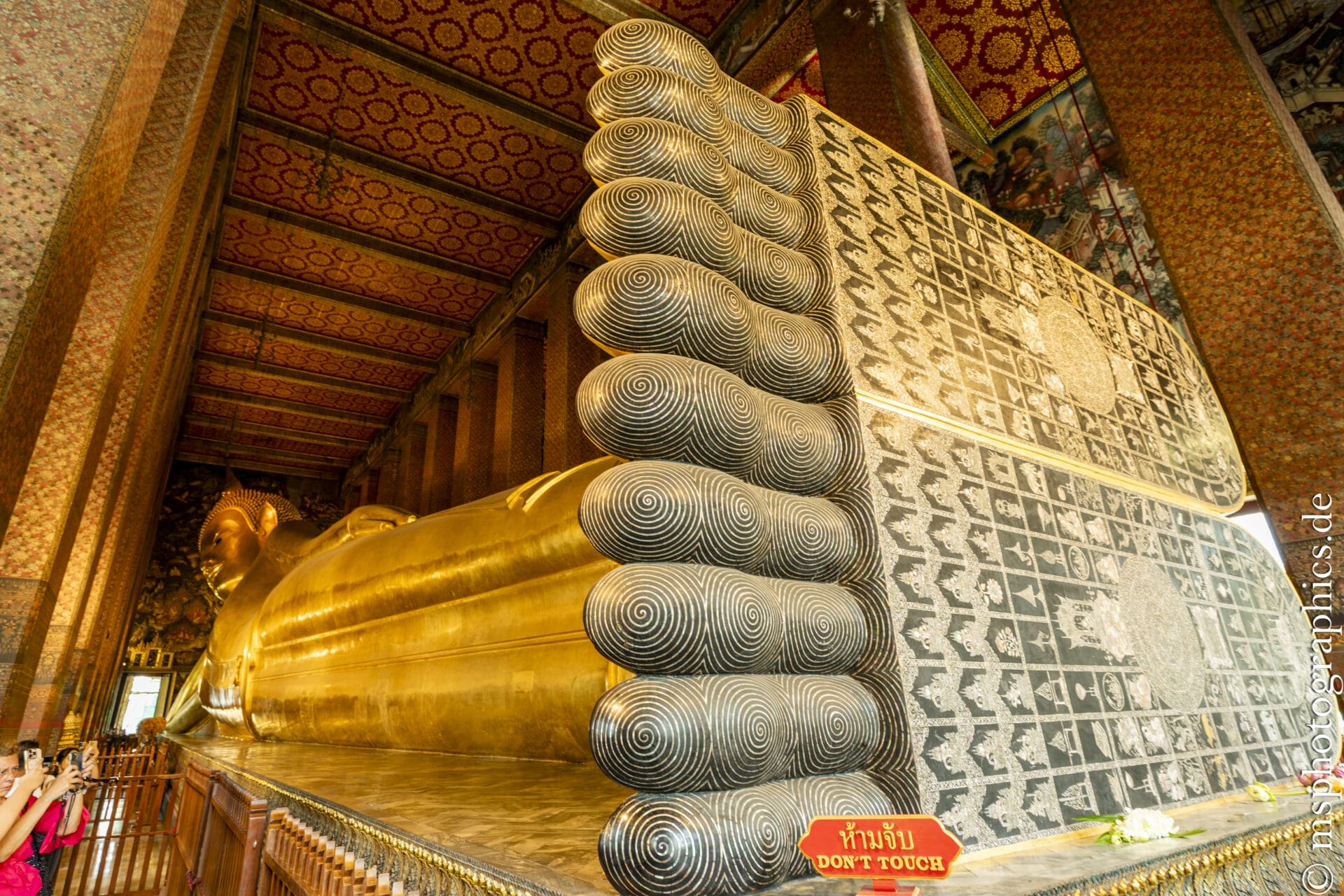
Wat Pho is a place where culture, tradition and inner peace come together.
Wat Arun – The Temple of Dawn:
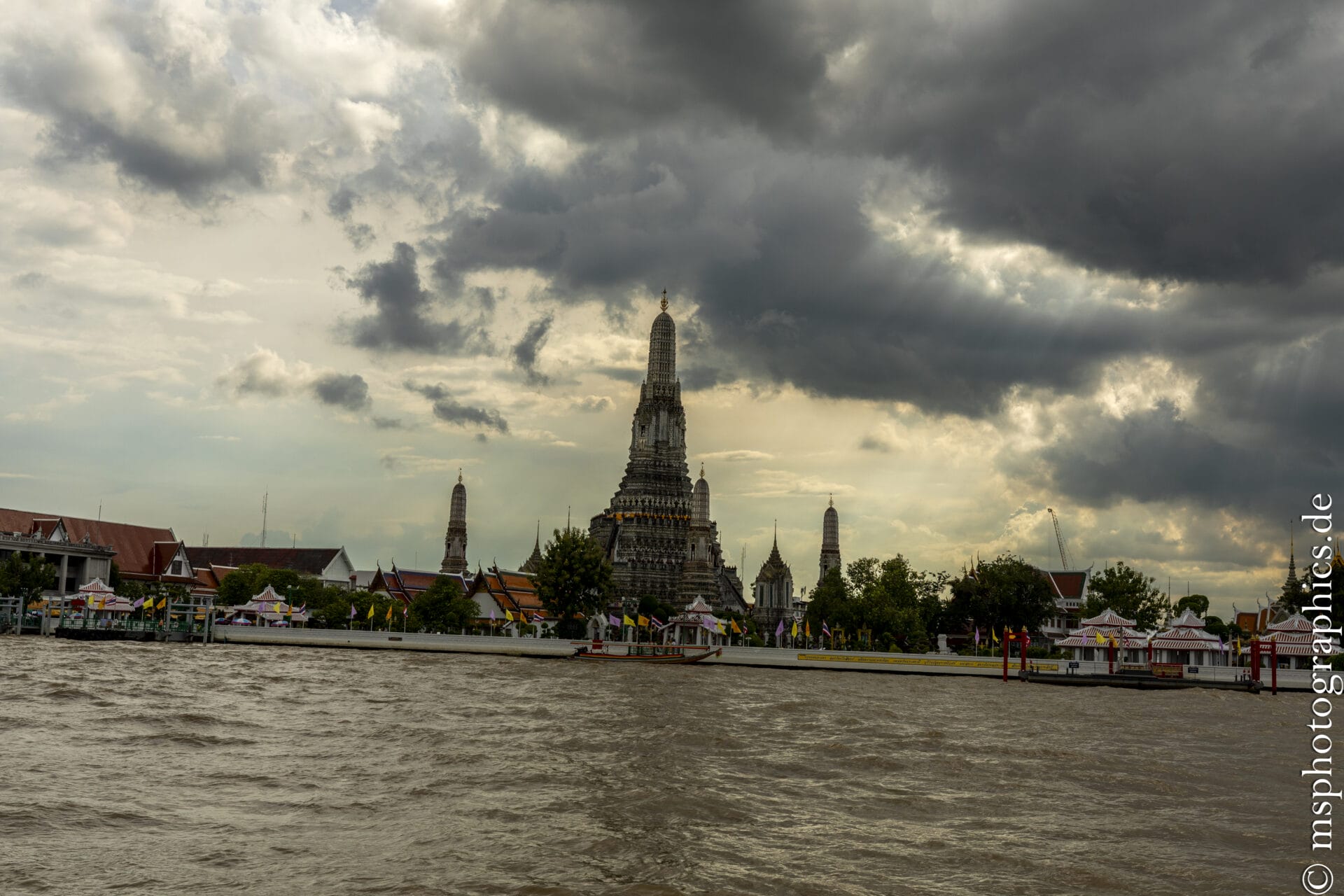
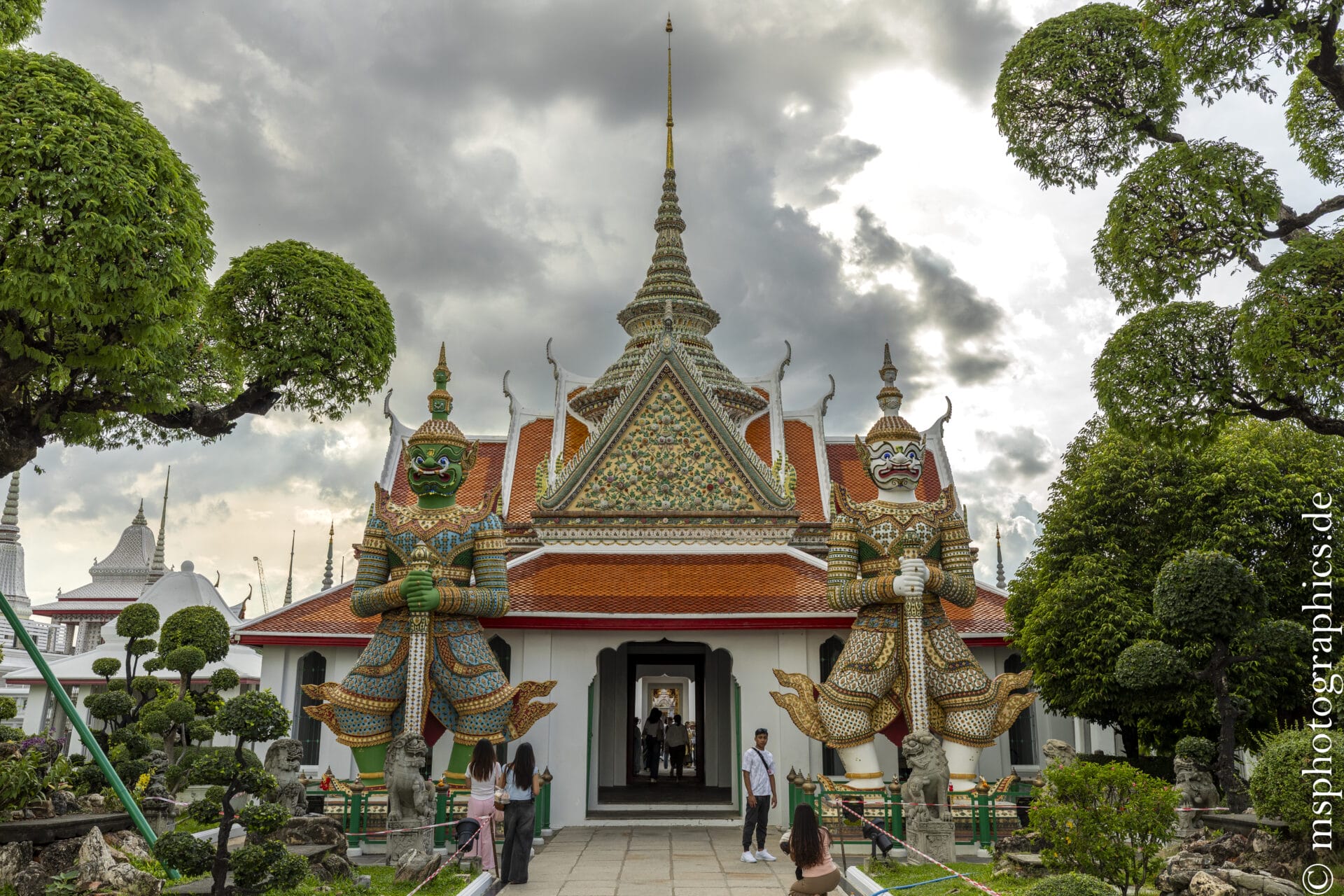
Wat Arun, also known as the "Temple of Dawn", is one of Bangkok's most iconic landmarks. Its central prang, a richly decorated Khmer-style tower, rises majestically on the banks of the Chao Phraya River. The temple's unique beauty is particularly striking in the morning light, when the first rays of sunlight make the porcelain and ceramic mosaic facade sparkle.


The central prang is approximately 70 meters high and can be partially climbed. From there, one has a breathtaking view of the river and Bangkok's historic old city. Around the main tower stand four smaller prangs, as well as intricately crafted guardian figures that underscore the temple's mythological significance.
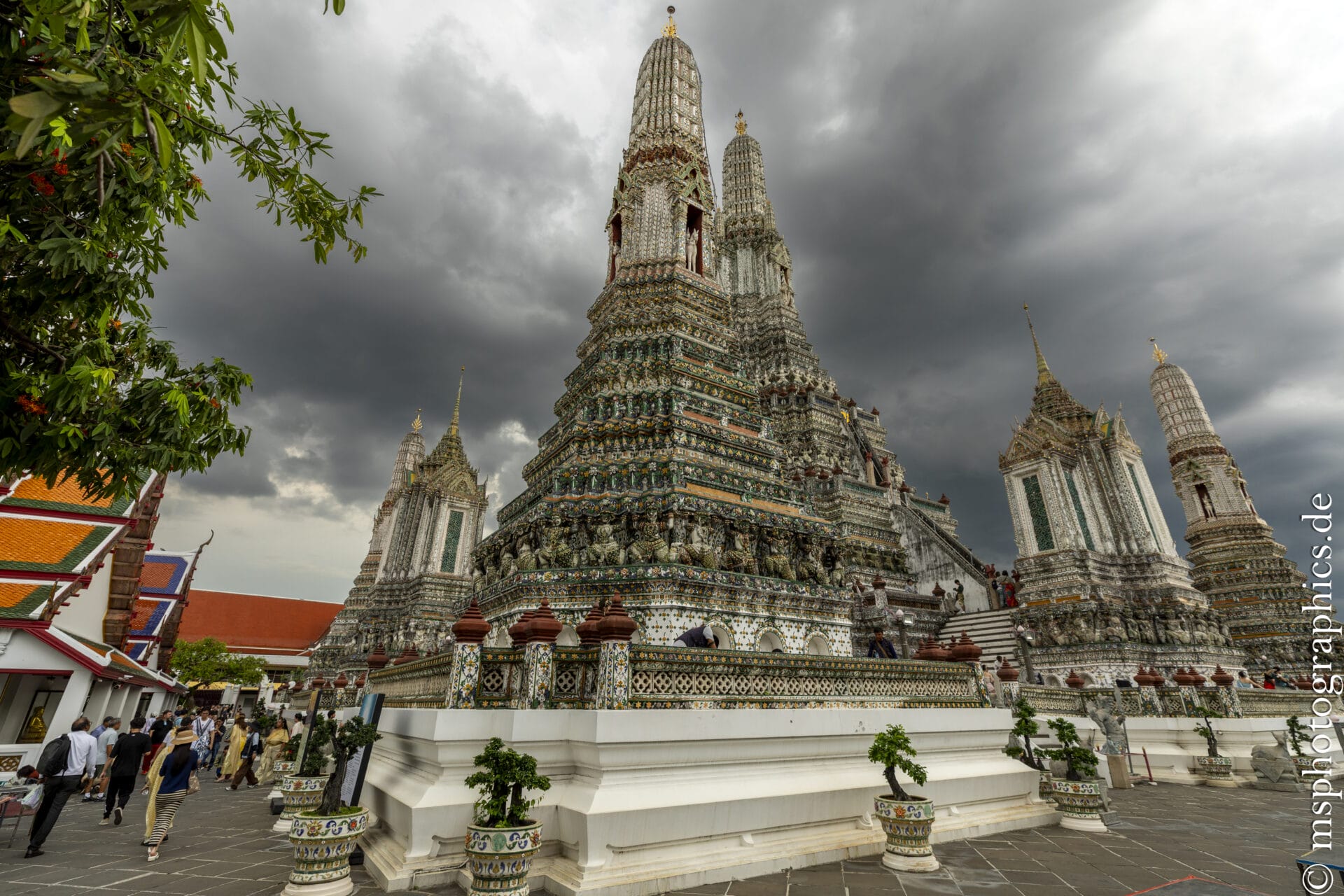
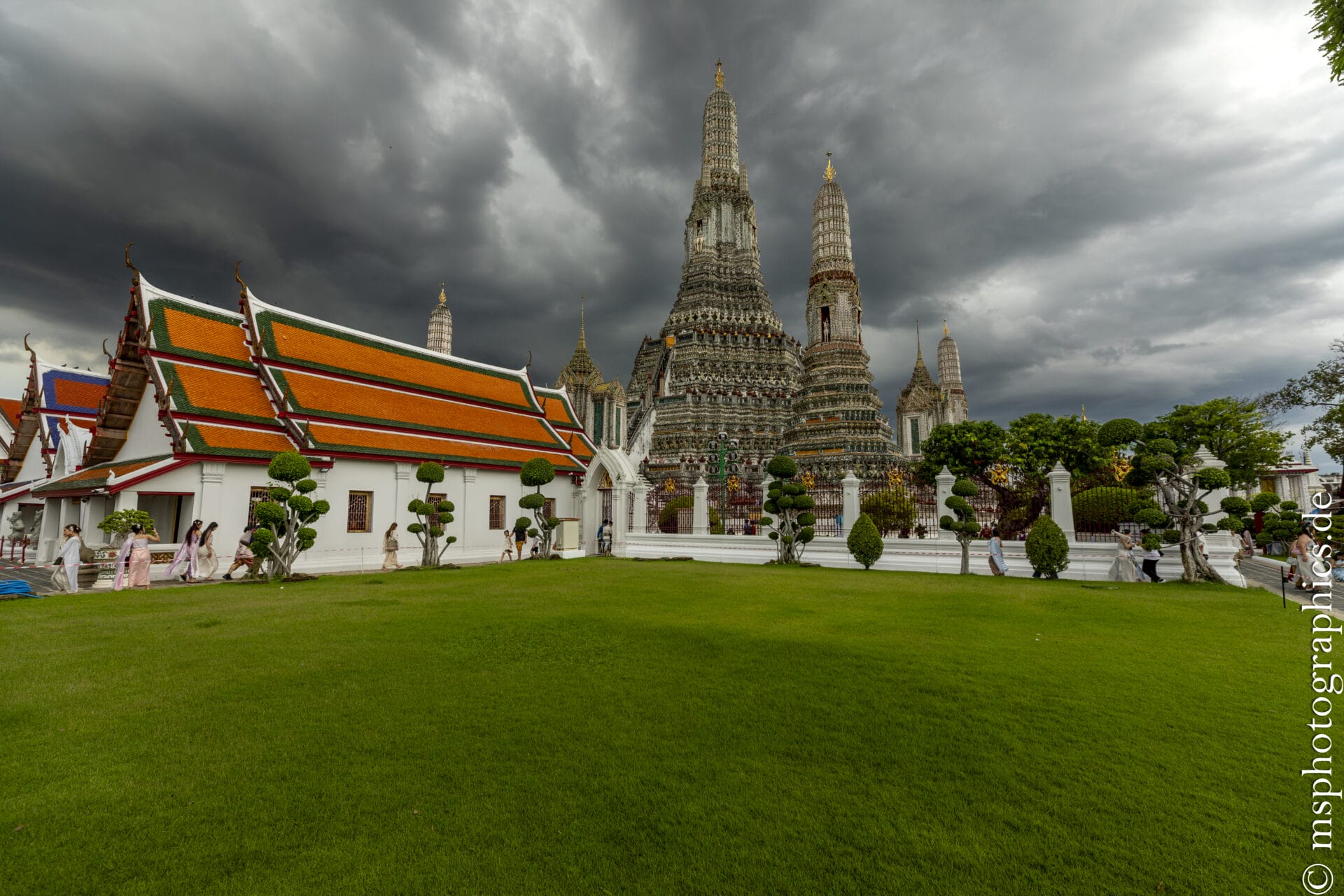
Wat Arun is not only an architectural masterpiece, but also a spiritual place closely linked to the founding of Thailand's new capital. Visitors experience a blend of religious tradition, exquisite architecture, and one of Thailand's most beautiful riverside settings.

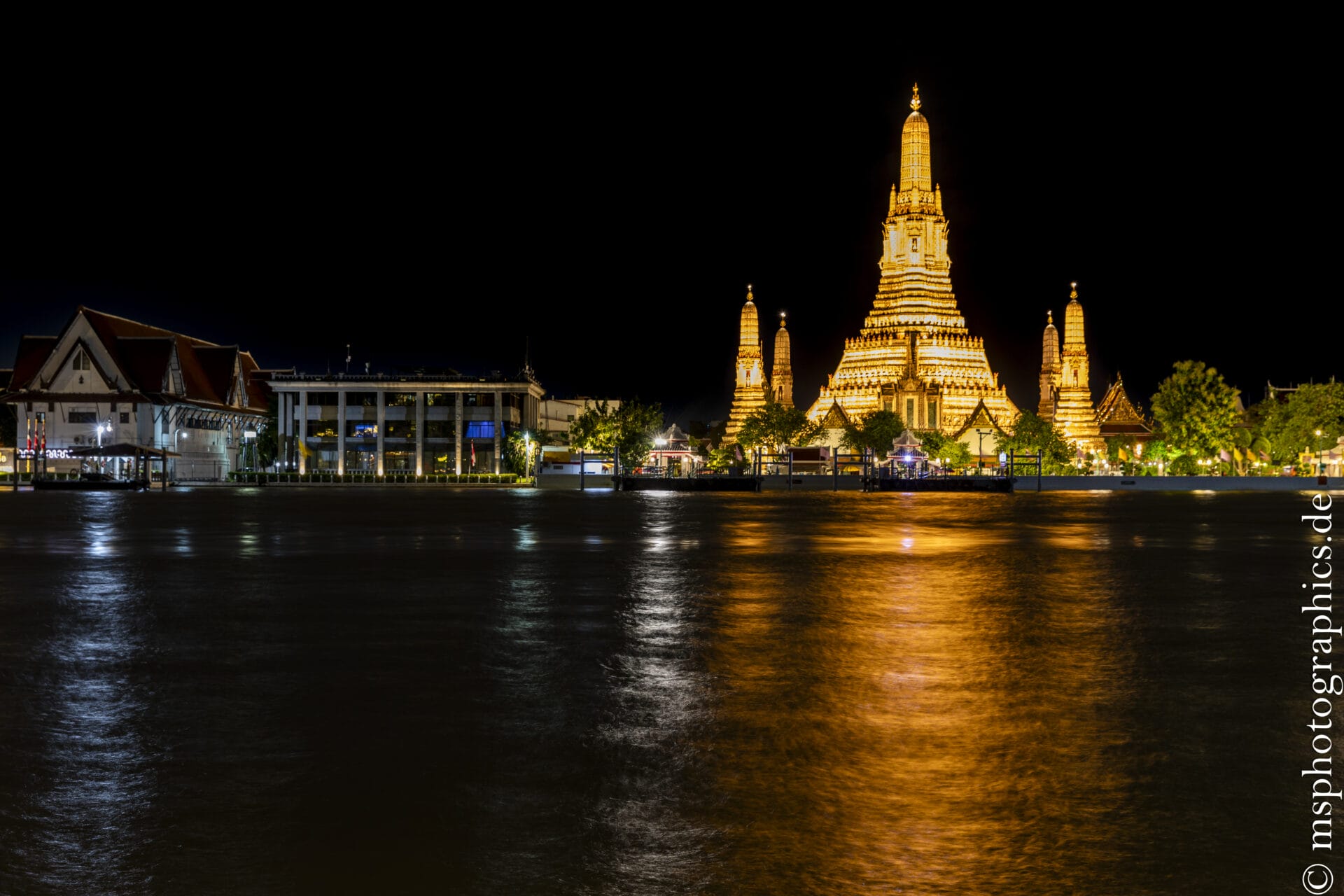
A visit in the evening, when the temple is illuminated in golden light, is one of the unforgettable moments of any trip to Bangkok.
Pak Khlong Talat – Bangkok's colorful fresh flower market:


The Pak Khlong Talat flower market is one of Bangkok's most vibrant and atmospheric places. Day and night, fragrant flowers, colorful arrangements, and traditional offerings fill the narrow lanes. Located near Wat Pho and the Chao Phraya River, it is considered the largest flower market in Thailand.
Huge quantities of fresh flowers from all over the country arrive here – including orchids, jasmine, lotus blossoms, roses, and the marigolds typical of Thailand. Many vendors weave intricate phuang malai (flower garlands) on site, which are later used in temples, shrines, or at festivals.
A short stopover in Macau:

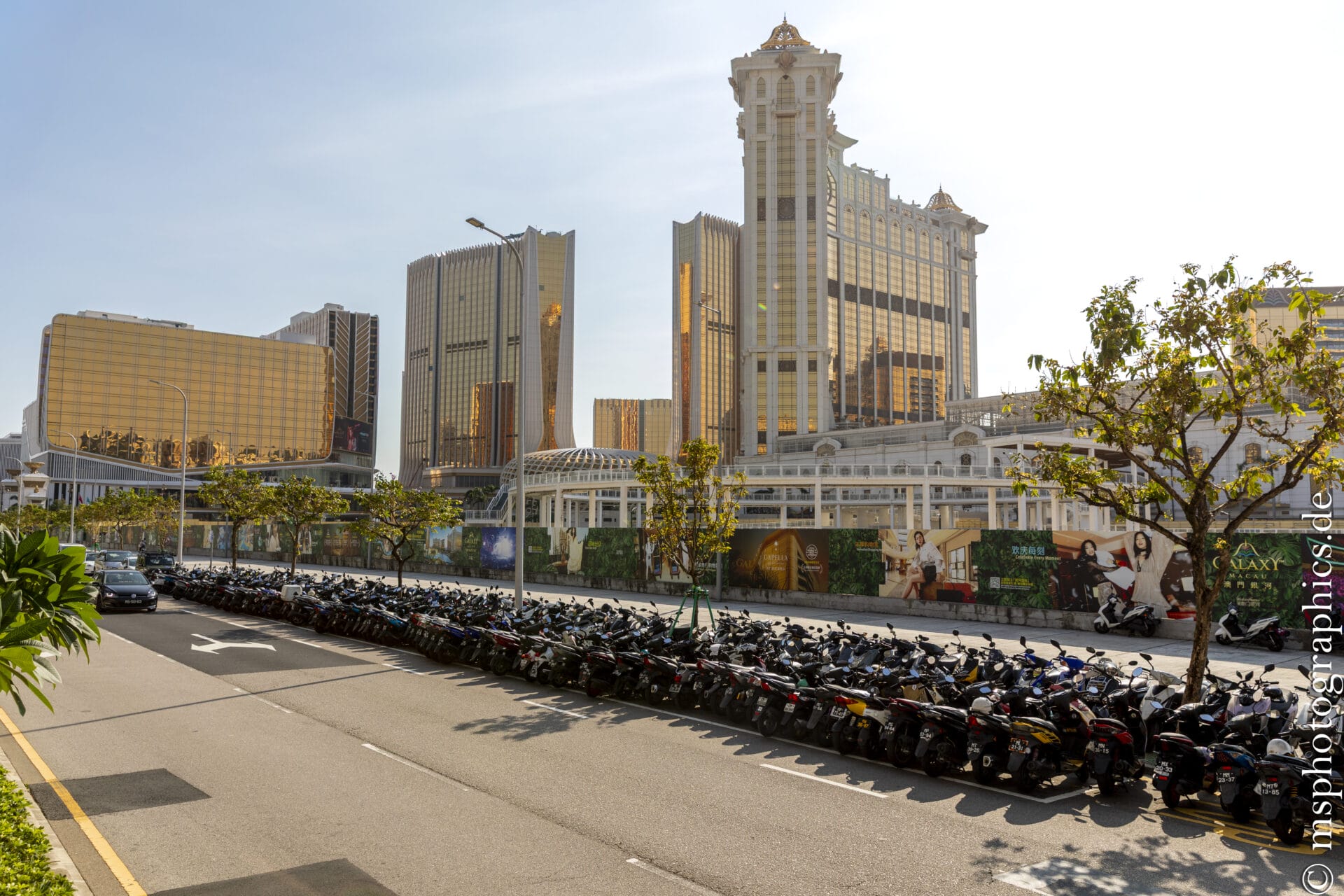
From the airport, you can easily take one of the shuttle buses to one of the numerous hotel resorts to pass the time while waiting for your connecting flight.
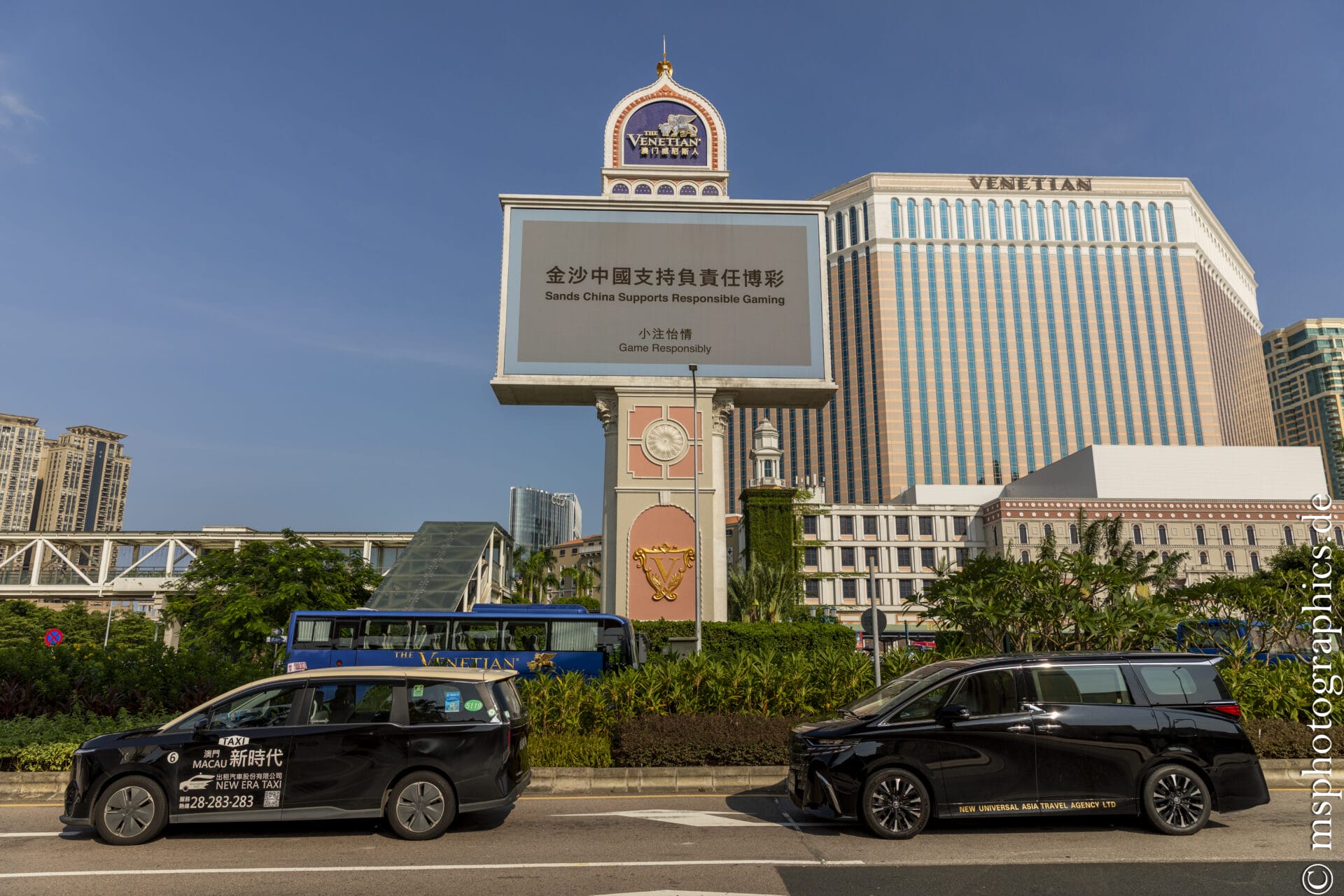

A stopover at the Venetian Macau feels like stepping into another world. This gigantic hotel and casino resort on the Cotai Peninsula is one of Macau's most famous landmarks, boasting opulent, Venetian-inspired architecture. Upon entering the sprawling complex, guests are greeted by golden décor, elaborate ceiling paintings, and an atmosphere reminiscent of Italian palaces.

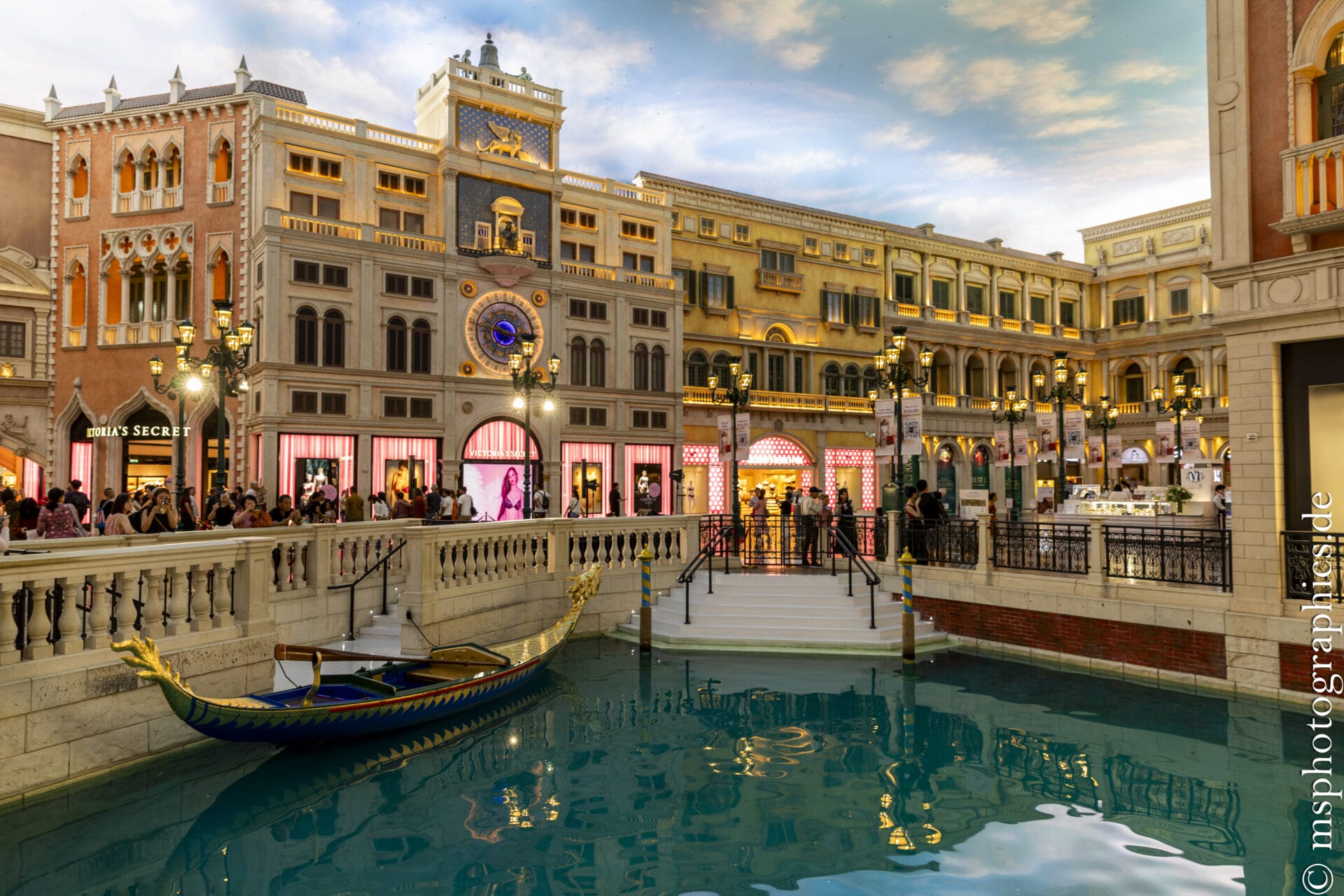
One highlight is the artificially created canal . Shoppes, a shopping area with replica Venetian canals, where gondoliers in traditional dress glide past singing visitors. The mix of luxury shops, restaurants, and Mediterranean flair makes even a short visit a special experience.
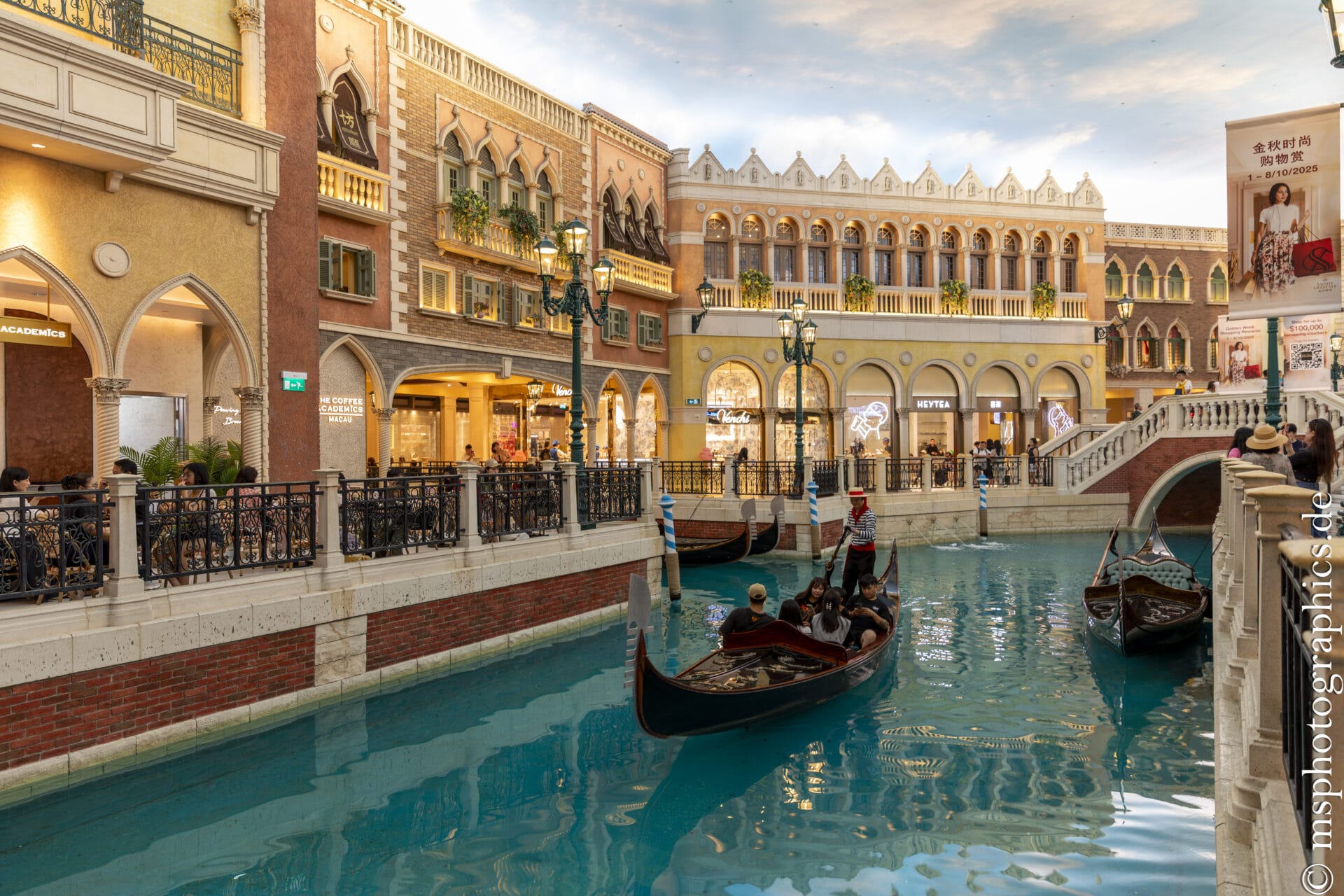

Of course, the Venetian is also famous for its enormous casino, one of the largest in the world. The bright lights, the bustling activity, and the elegant atmosphere convey the typical Macau feeling, a blend of Las Vegas energy and Asian elegance.
A short stop at the Venetian Macau thus offers a fascinating glimpse into the extravagant side of the city, perfect for immersing yourself in glamorous worlds for a moment before the journey comes to a complete end.
Conclusion:
The journey through northern Thailand and on to Macau via Bangkok vividly demonstrates the diversity of Southeast Asia. Chiang Mai captivates with its relaxed atmosphere, historic temples, vibrant markets, and proximity to nature. Chiang Rai complements this picture with spectacular art temples such as the White and Blue Temples, as well as cultural encounters in the mountain regions. The Golden Triangle offers a fascinating glimpse into the region's history.
Bangkok offers a vibrant contrast to the rest of the trip. This pulsating metropolis is brimming with culture, tradition, and modern urbanity, where magnificent palaces, temples, and markets blend seamlessly with rooftop bars and a lively nightlife.
The stopover at the Venetian Macau finally rounds off the experience with a touch of luxury and international flair, a short but impressive journey into a world between Asian elegance and Las Vegas glamour.


0 Comments