
Chongqing in four days:
To escape the hustle and bustle of Beijing, this four-day trip takes us to southwest China – to the fascinating megalopolis of Chongqing.
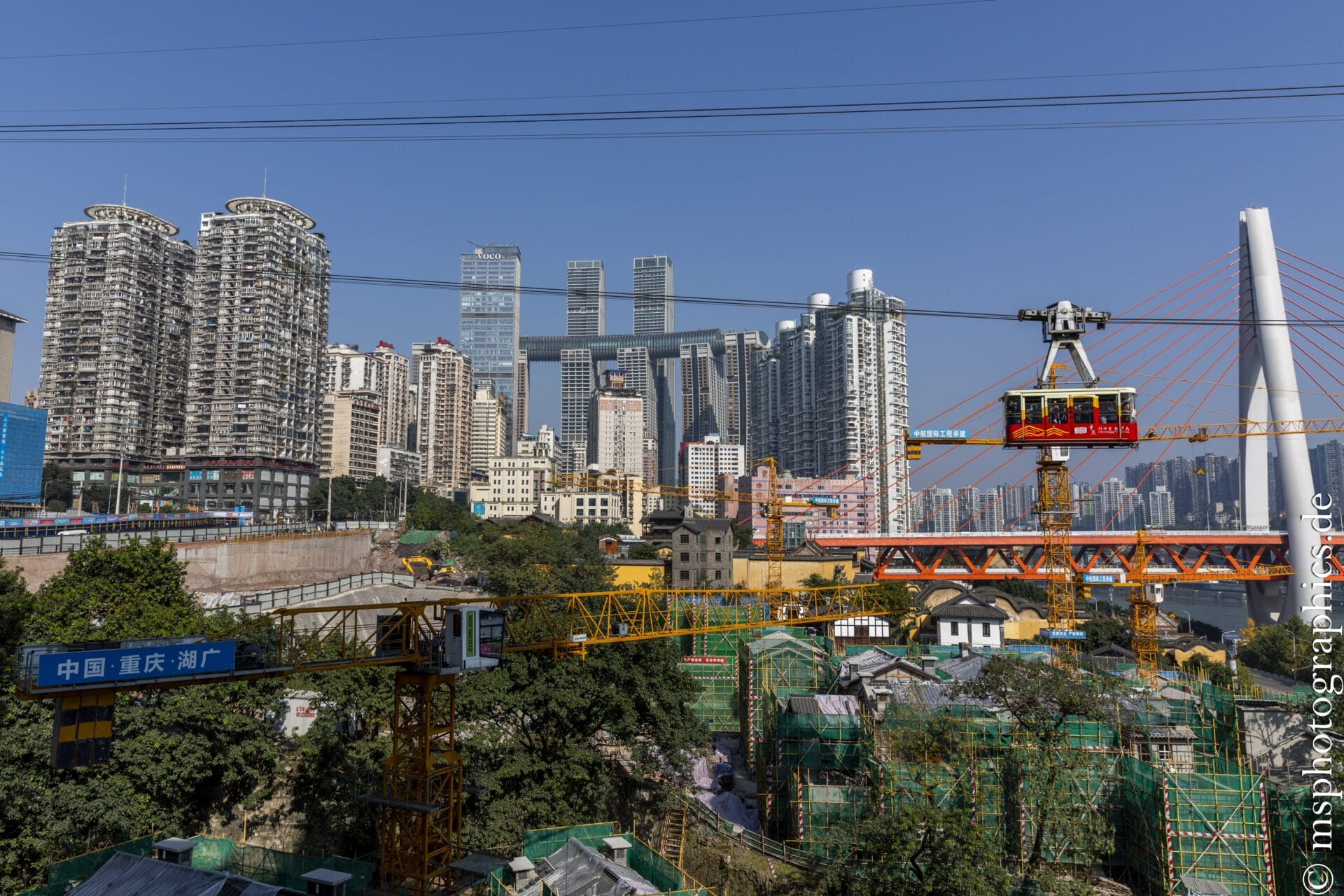
Known for its spectacular location at the confluence of the Yangtze and Jialing Rivers, its steaming hotpots and its seemingly endless city skyline, Chongqing offers a unique blend of modern urbanity, mountainous terrain and traditional culture.
During these four days, we'll discover not only the vibrant city life, but also impressive views and historical sites deeply rooted in China's history and identity. A fascinating contrast to the capital—and a trip that will stay with us for a long time.
Arrival in Chongqing:


Chongqing is just under a three-hour flight from Beijing. After arriving late in the evening, we took a taxi directly to the hotel so we could leave early the next day and start our sightseeing. There are numerous excellent hotels in Chongqing. Public transportation is important, as this, along with the inexpensive taxis, makes getting around the city much easier.
Line 2 – Monorail through Chongqing:

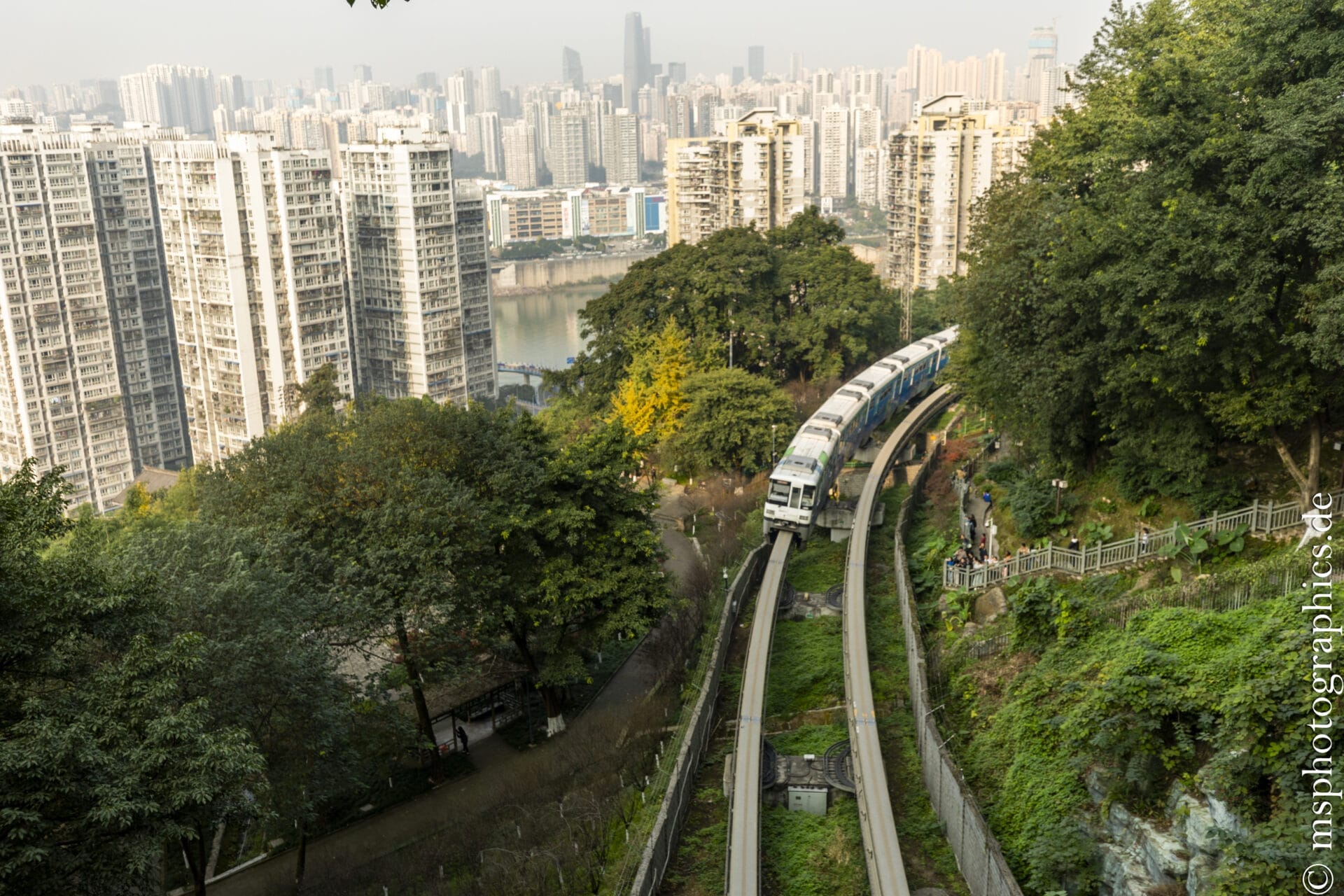
Line 2 is arguably the most spectacular route in Chongqing's subway network. Line 2 is not a traditional subway with a tunnel system, but rather a monorail that operates mostly above ground.
It travels along the Jialing River, over bridges, through narrow valleys and even through buildings – making the commute a spectacular tour.
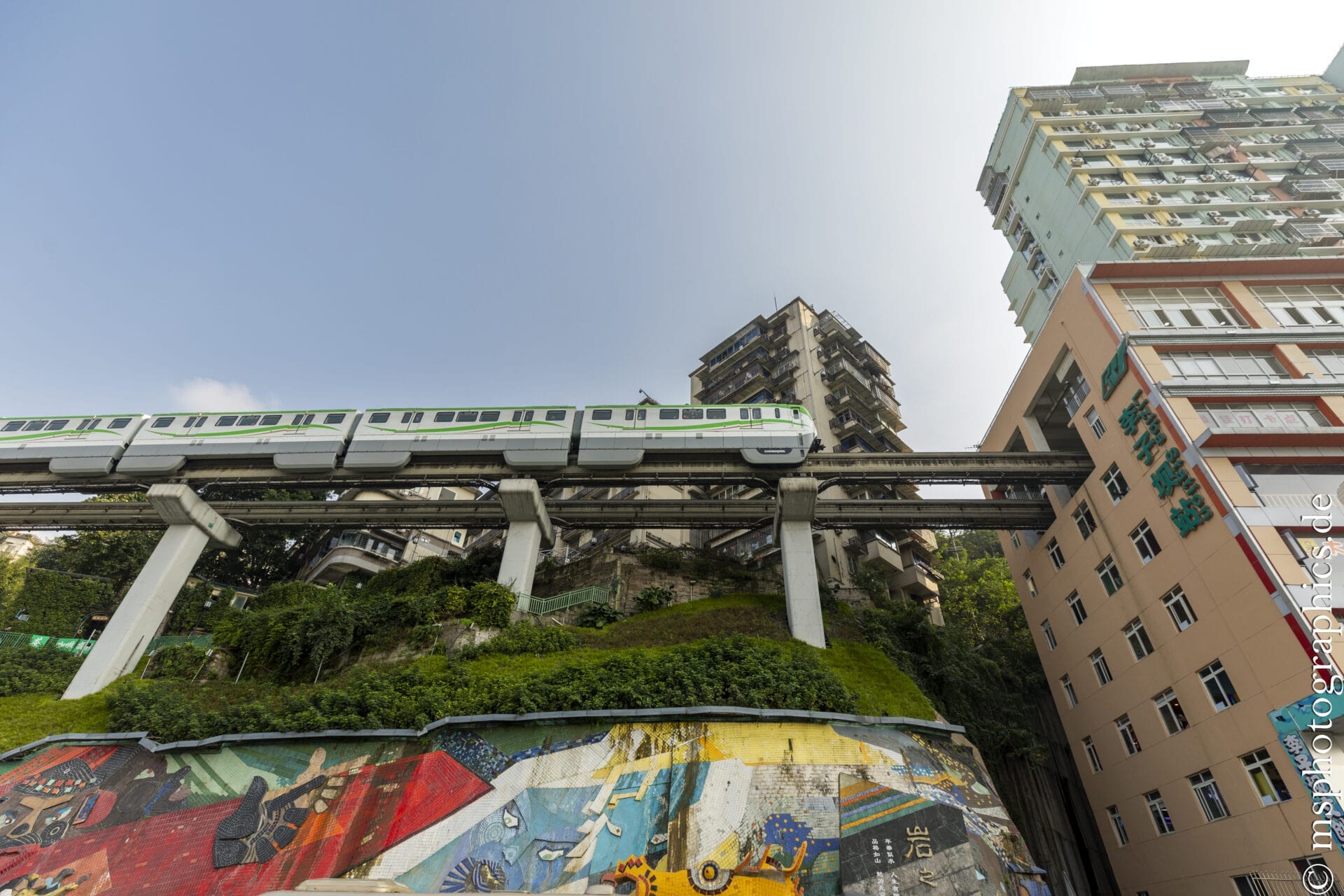
Liziba Station is located on floors 6–8 of a 19-story residential and commercial building in Chongqing's Yuzhong District. It opened in June 2005 and is part of Line 2 of the Chongqing Rail Transit (CRT).
To simplify planning and design and expedite construction, the building and the railway line were constructed simultaneously. The monorail line and the house are structurally separated to minimize vibration and noise. The use of quiet rubber wheels and air springs keeps the noise level at approximately 60 dB, comparable to that of a dishwasher.
Liziba Station is much more than a transportation hub; it's an urban statement. Urban planning and engineering combine to make optimal use of limited space, creating an experience that delights residents and visitors alike. The combination of residential buildings, technology, design, and a photo opportunity makes it an icon of Chongqing's intricate cityscape.
Ciqikou – The “Porcelain Gate” of Chongqing:
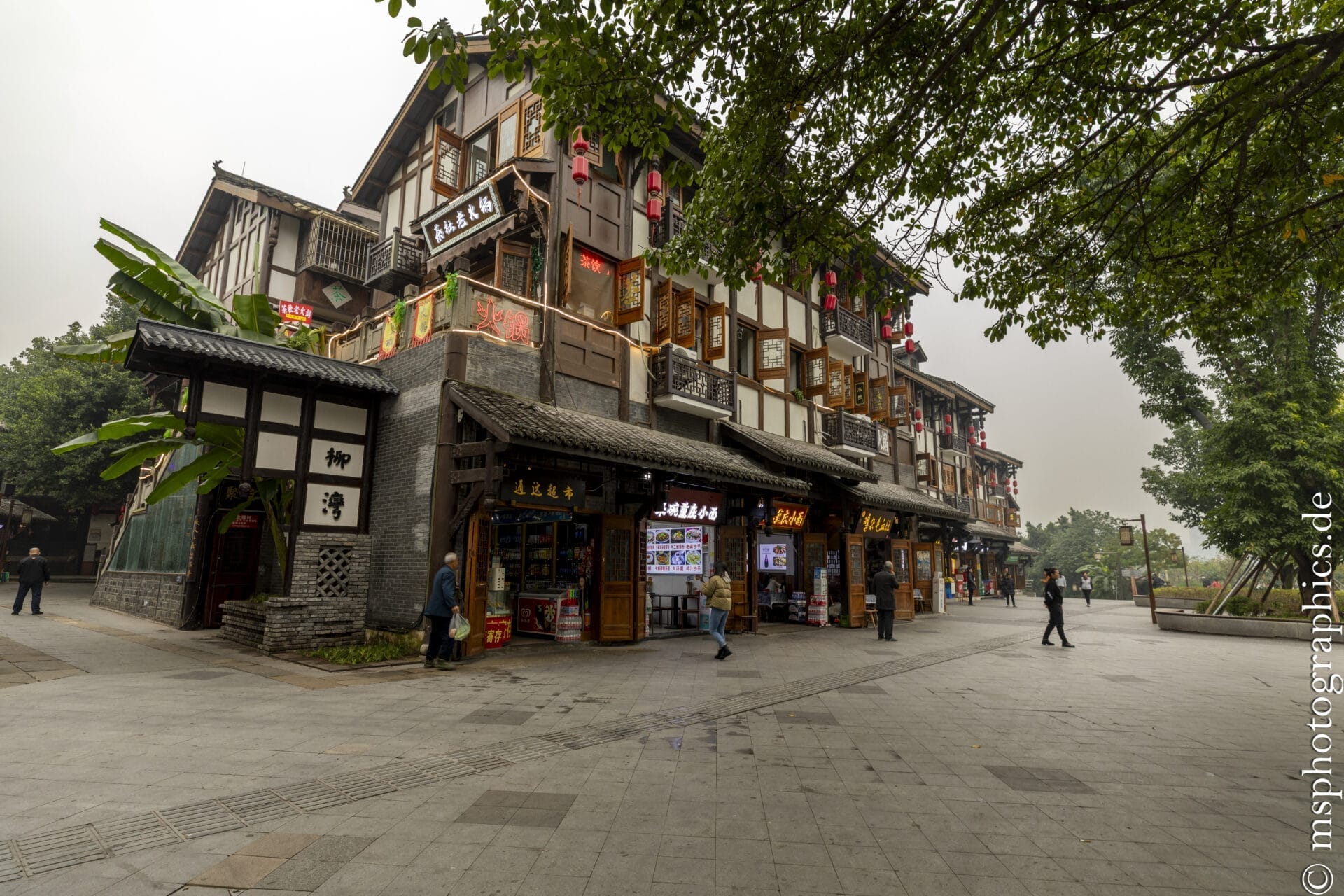

Ciqikou, originally Longyin Town, was first founded in the 11th century during the Song Dynasty and developed into an important trading center on the Jialing River during the Ming and Qing periods - famous as the "Porcelain Gate" for its pottery.

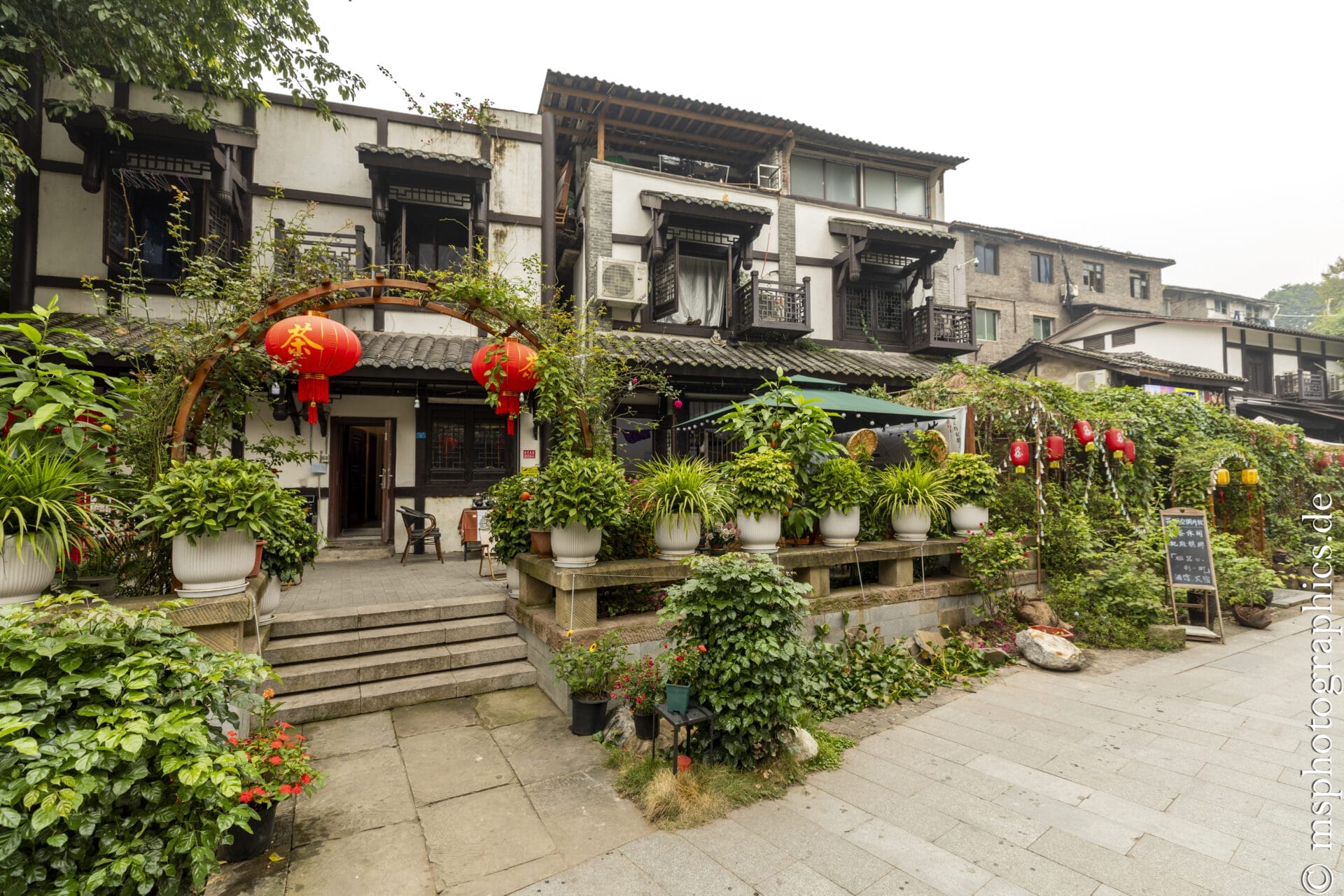
Covering an area of 1.18 km², it is now considered a living monument to old Chongqing—with its densely packed buildings, steep alleys, and authentic buildings made of wood and bamboo. The architectural style is a blend of Ming and Qing architecture, as well as the style of southern water towns. Wooden buildings with white walls, gray bricks, painted ceilings, carved beams, and typical stone paved paths.
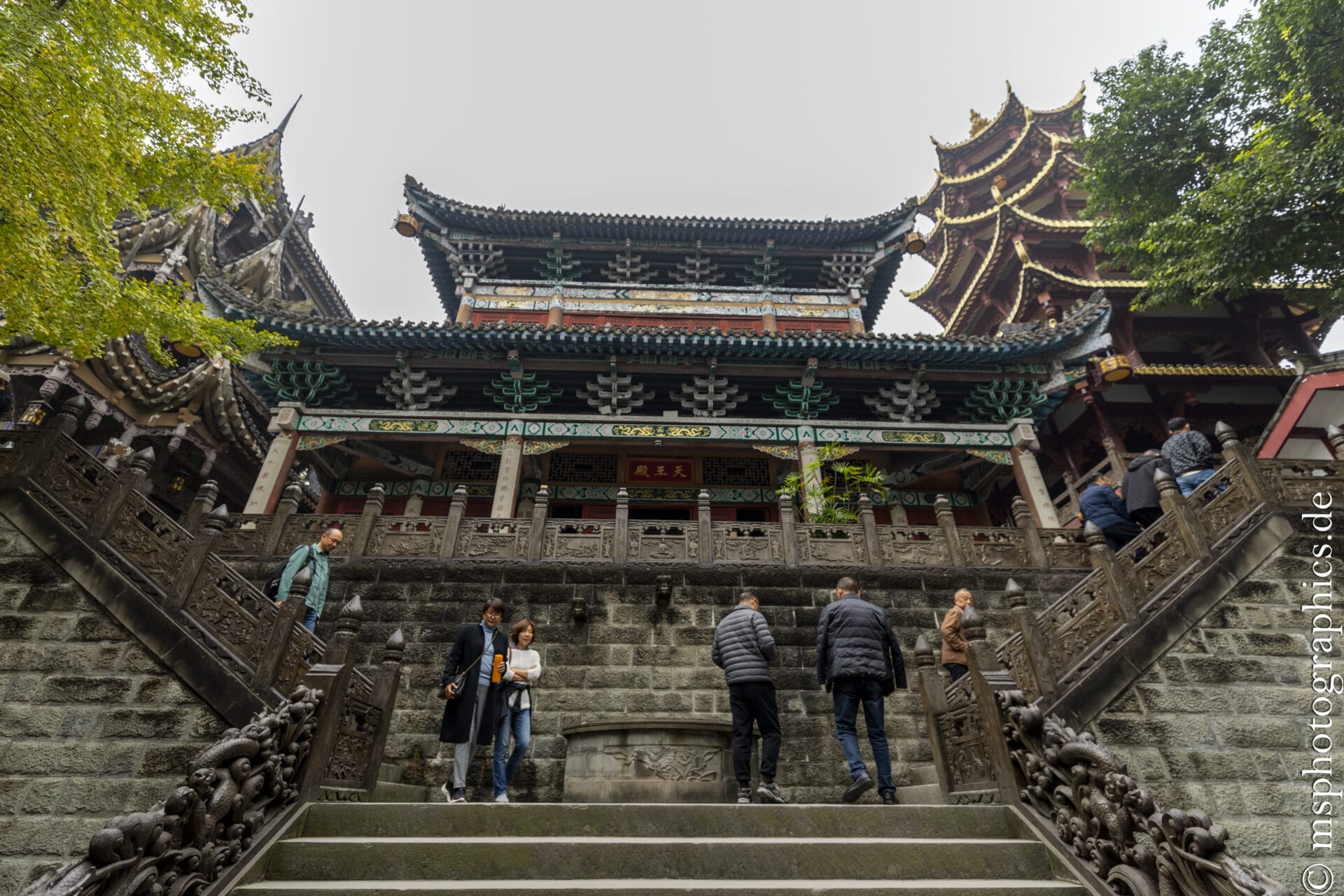
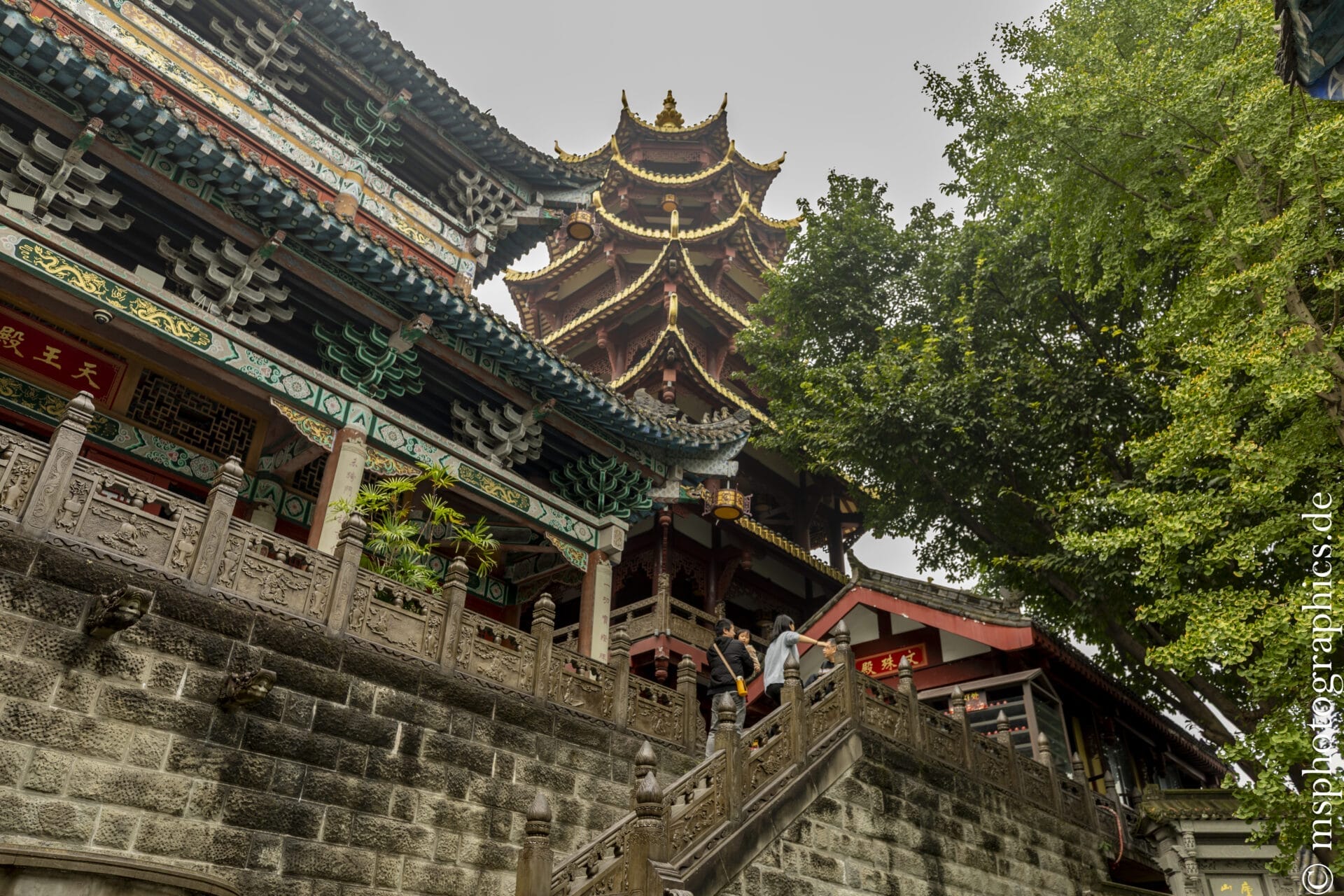
The Baolun Temple , also known as Longyin Temple , was probably built in the Tang or even Western Wei period (535 – 556 AD). It was founded in the 1st century BC — some sources date it to the 7th century. It later served as a center of spiritual practice for several Buddhist monastic orders. During the Ming Dynasty, the temple received its visible wooden structure.
The temple is elevated between Baiyan Mountain and the Jialing River. Through small staircases and alleys, one reaches spiritual tranquility beyond the hustle and bustle of Ciqikou. Especially in autumn, the ginkgo trees shine with their golden foliage, lending the complex a picturesque atmosphere.
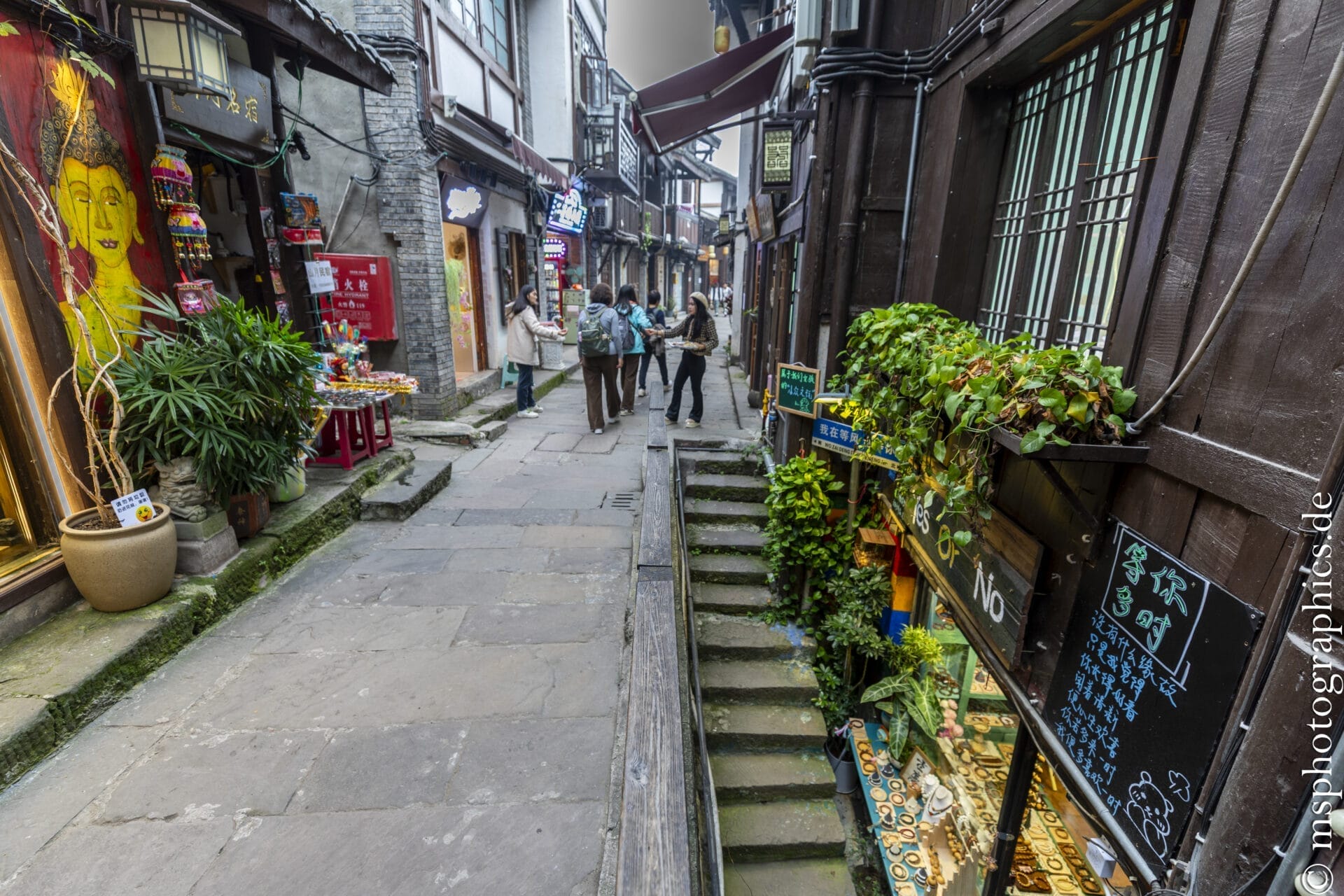
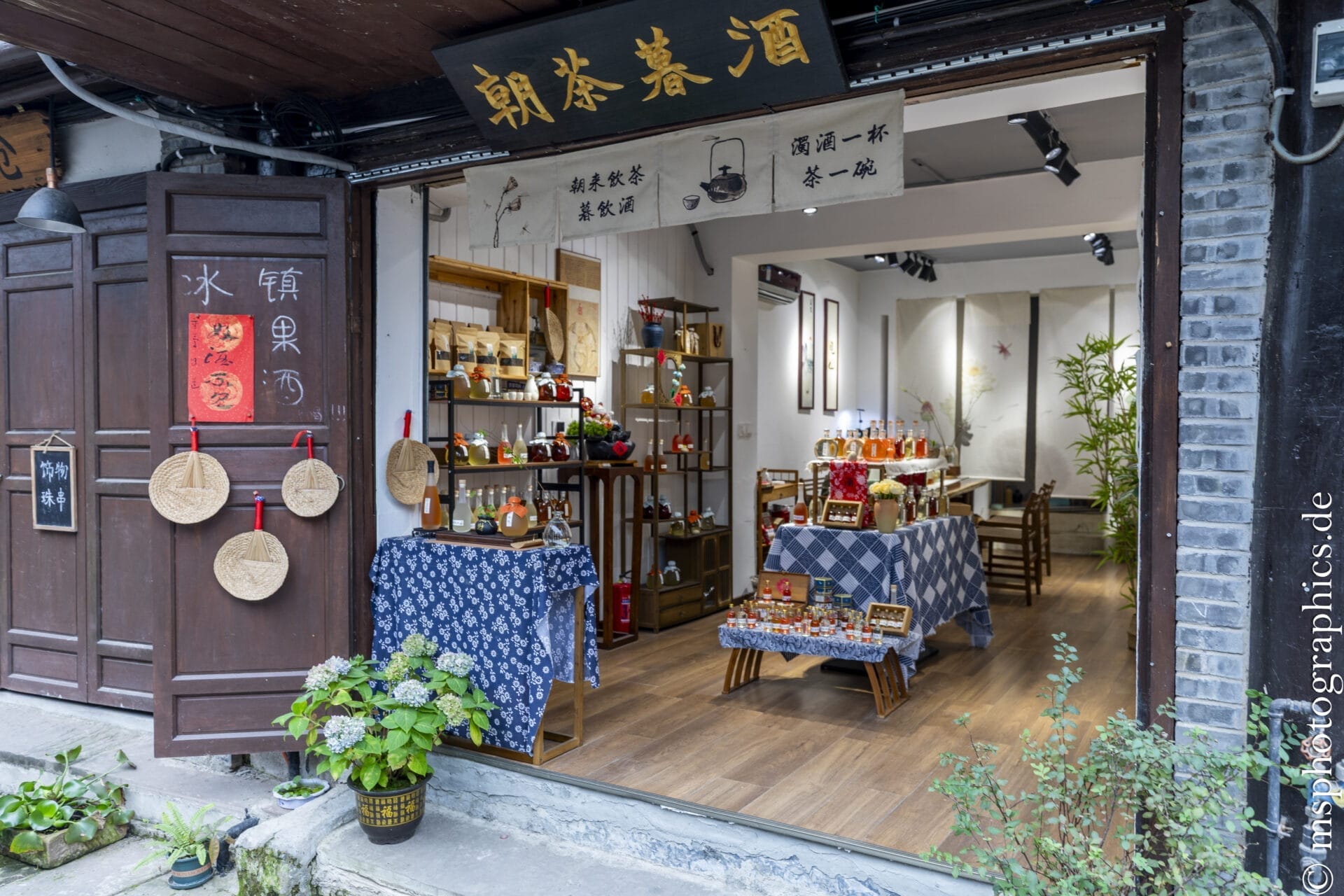
Ciqikou 's "Central Alley":
Ciqikou 's "Central Alley", also known as Ciqikou Pedestrian Street, is the main artery of this historic neighborhood in Chongqing's Shapingba District. With over 1,000 years of history, it was once an important trade route for porcelain and other goods. Today, it forms the bustling, traffic-free median strip, along which merchants, teahouses, and street vendors offer a lively experience.
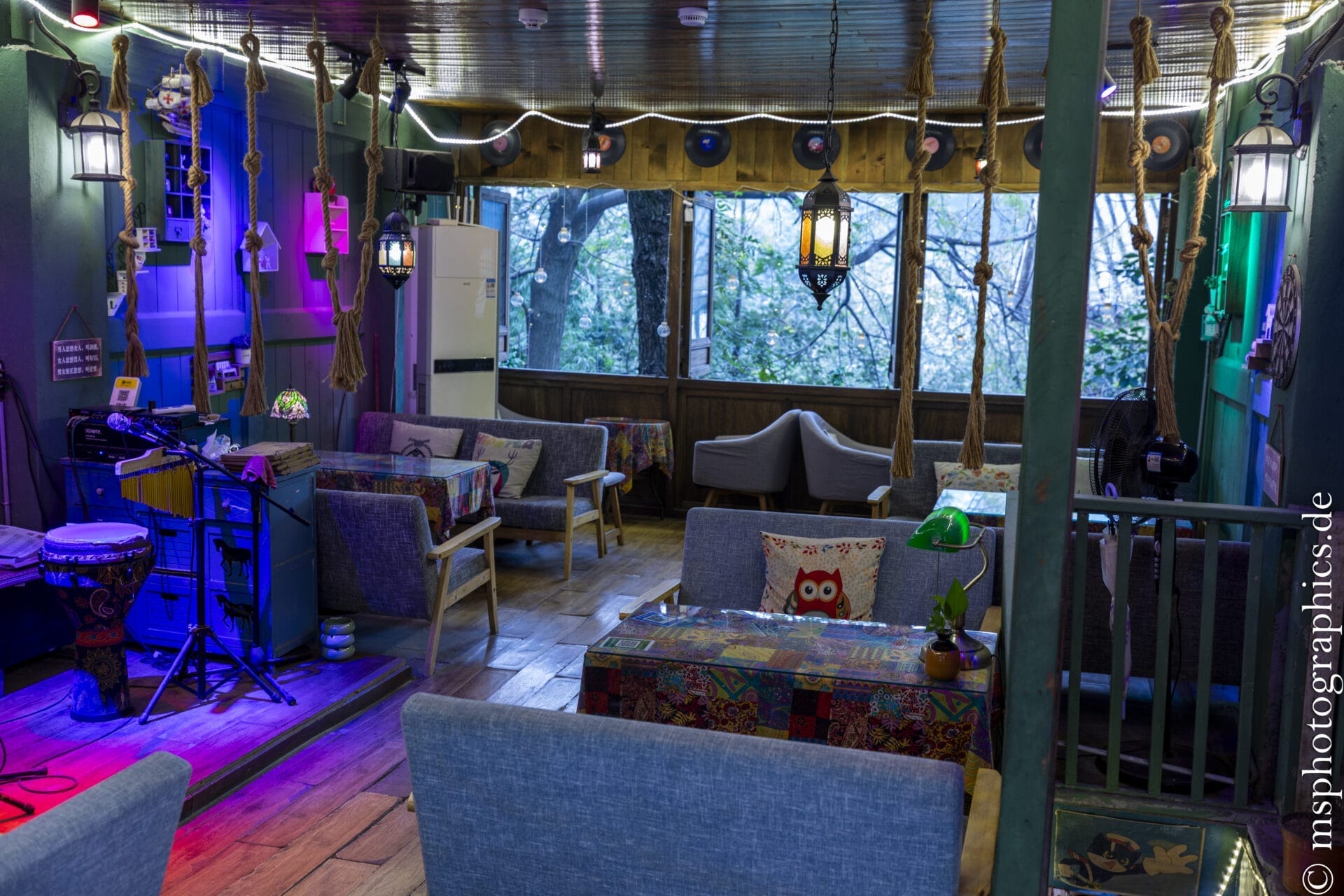
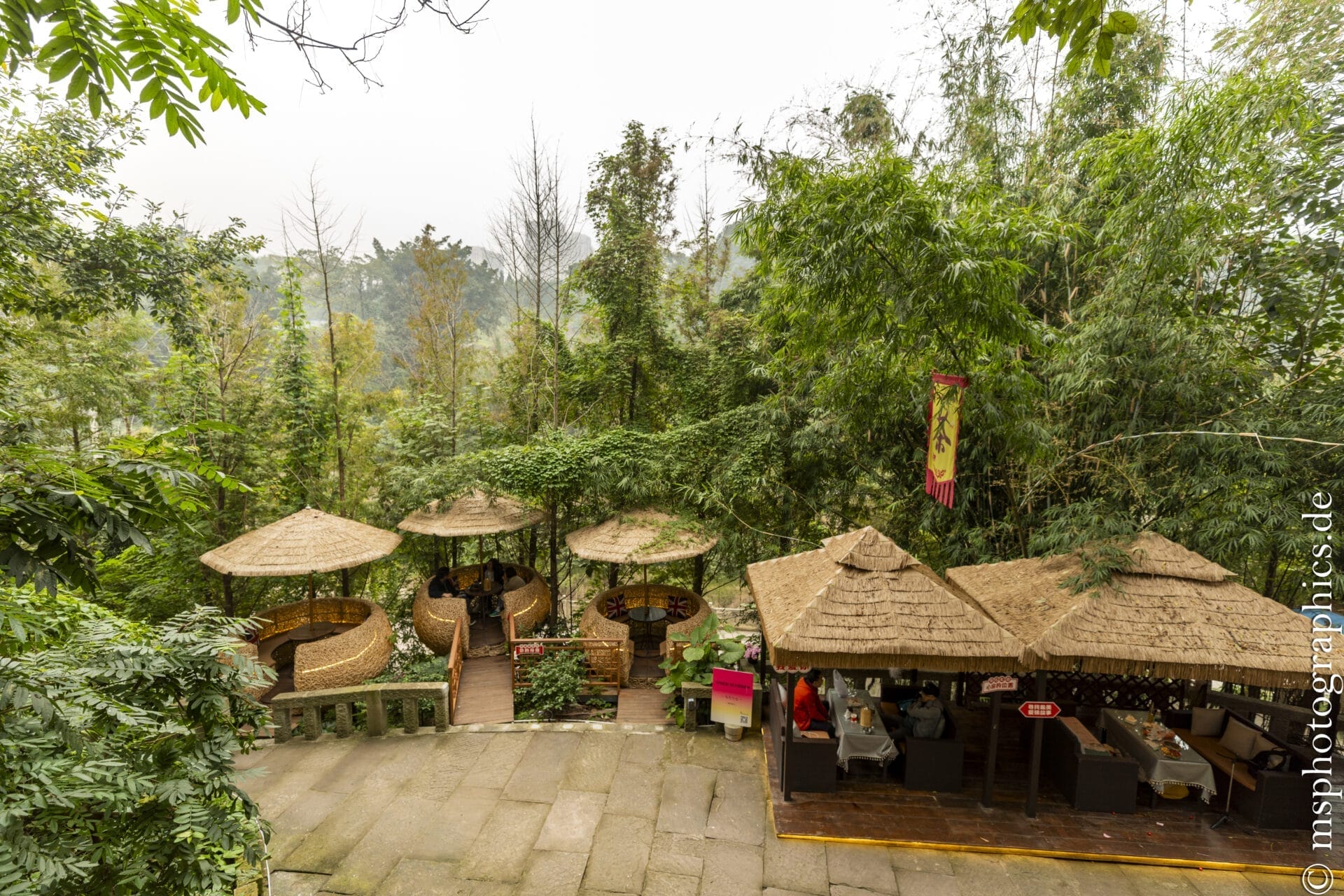
The vibrant tea culture is the heart and soul of Ciqikou. There were once 100 teahouses along the main street, but today there are only 13, including the famous Shuchang Teahouse offers Sichuan opera performances with face - changing characters, rattletail songs, and folk tales. Here, visitors experience authentic folk art and a slice of local daily life, just as it was hundreds of years ago.
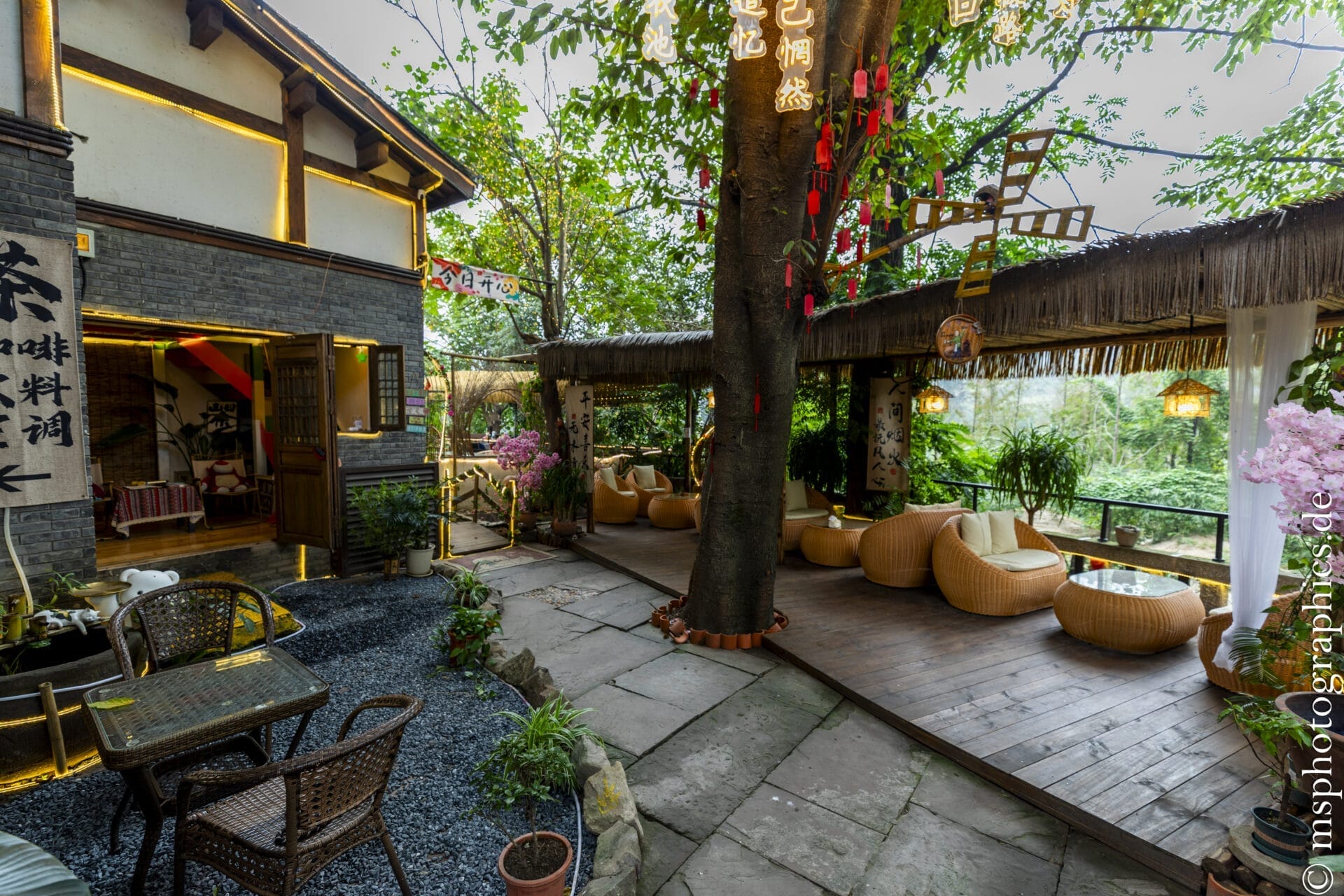
The many teahouses and cafés with cozy terraces invite you to linger or to watch the increasingly popular live streaming.
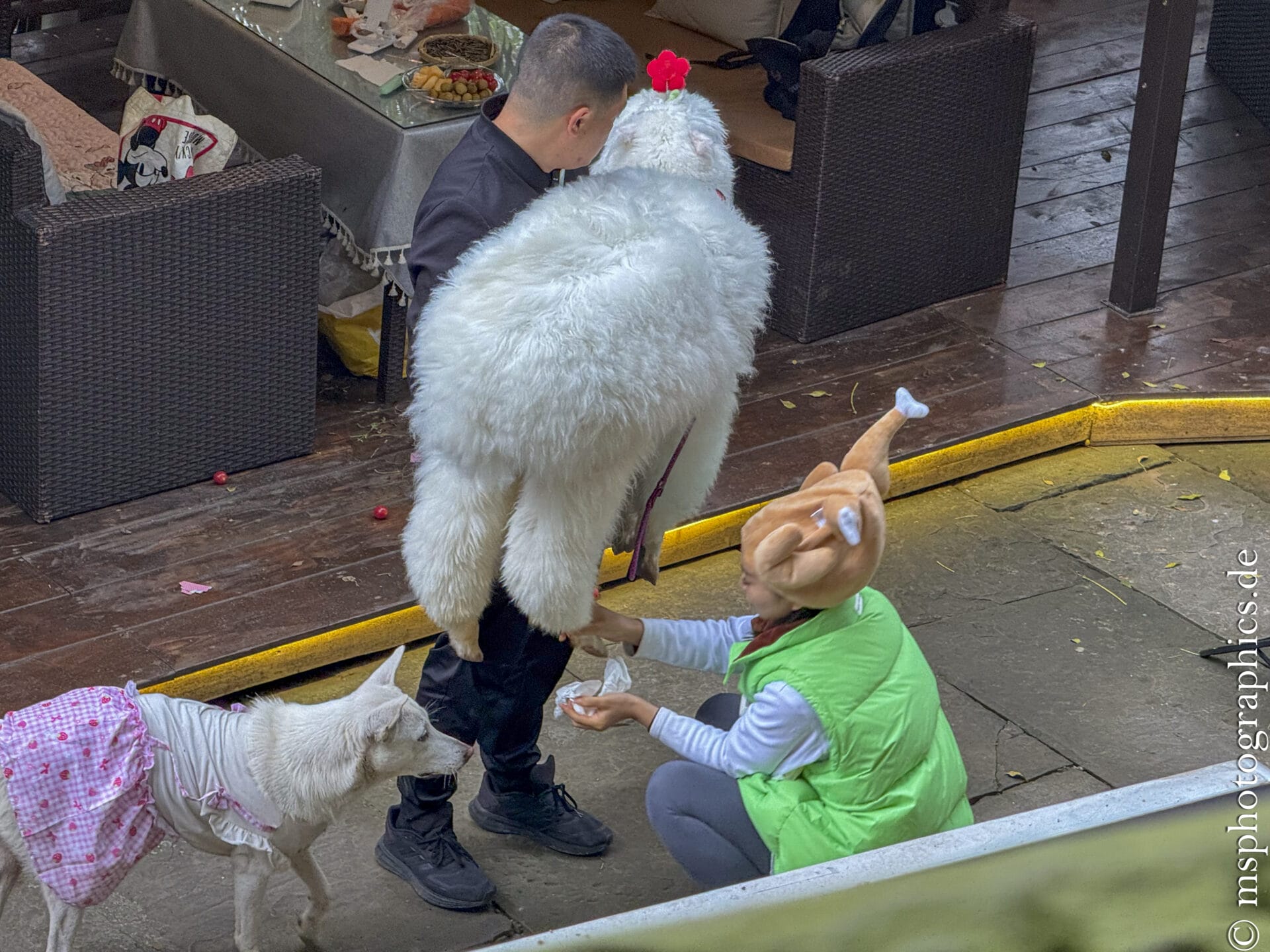


Old alleys, teahouses, and seas of lights now serve as a stage for live streaming by young influencers and content creators. Young visitors are the main protagonists. 80% of the guests are young adults who are comfortable with digital formats and consciously post content online. Often, standing out at any cost is what counts here.
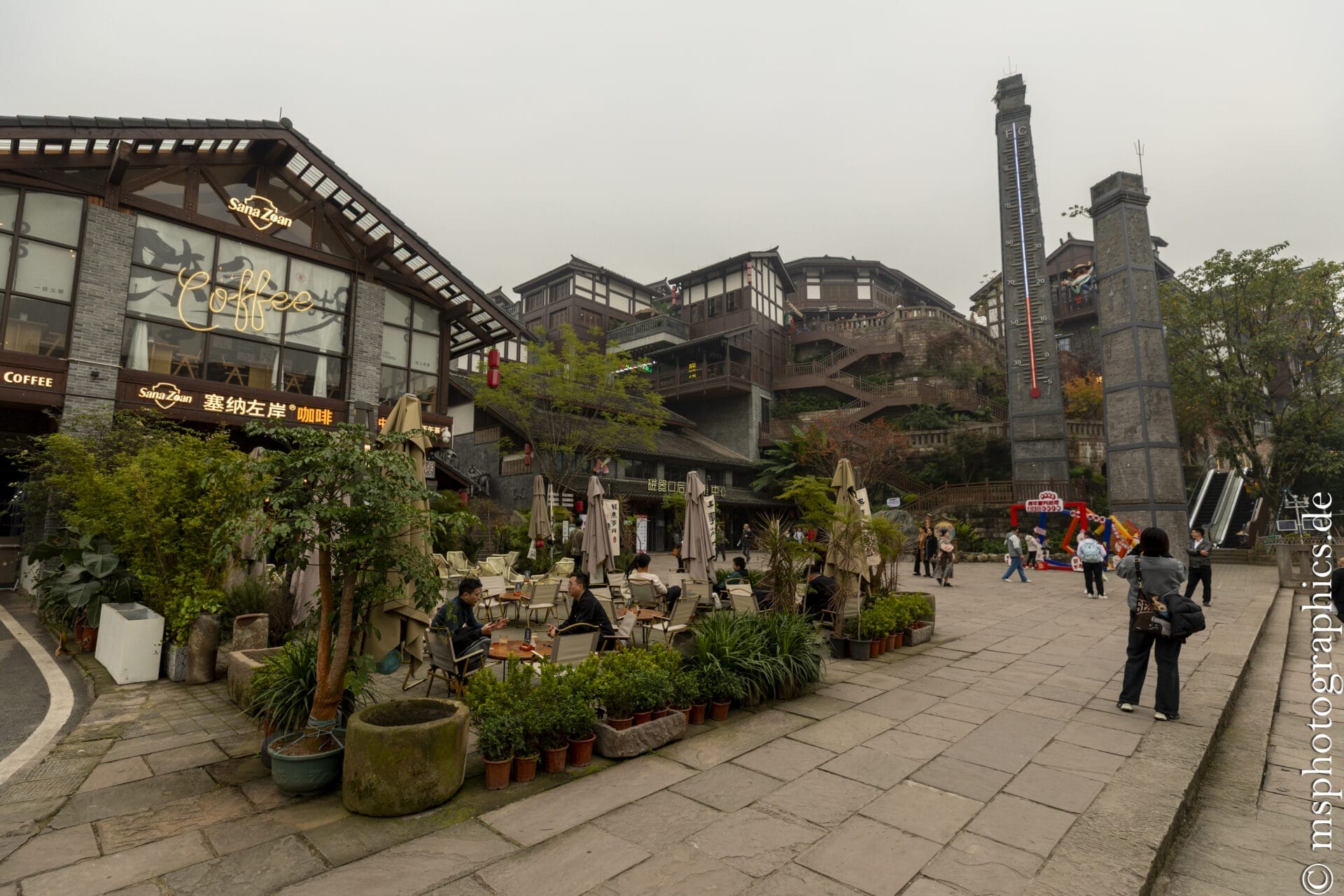
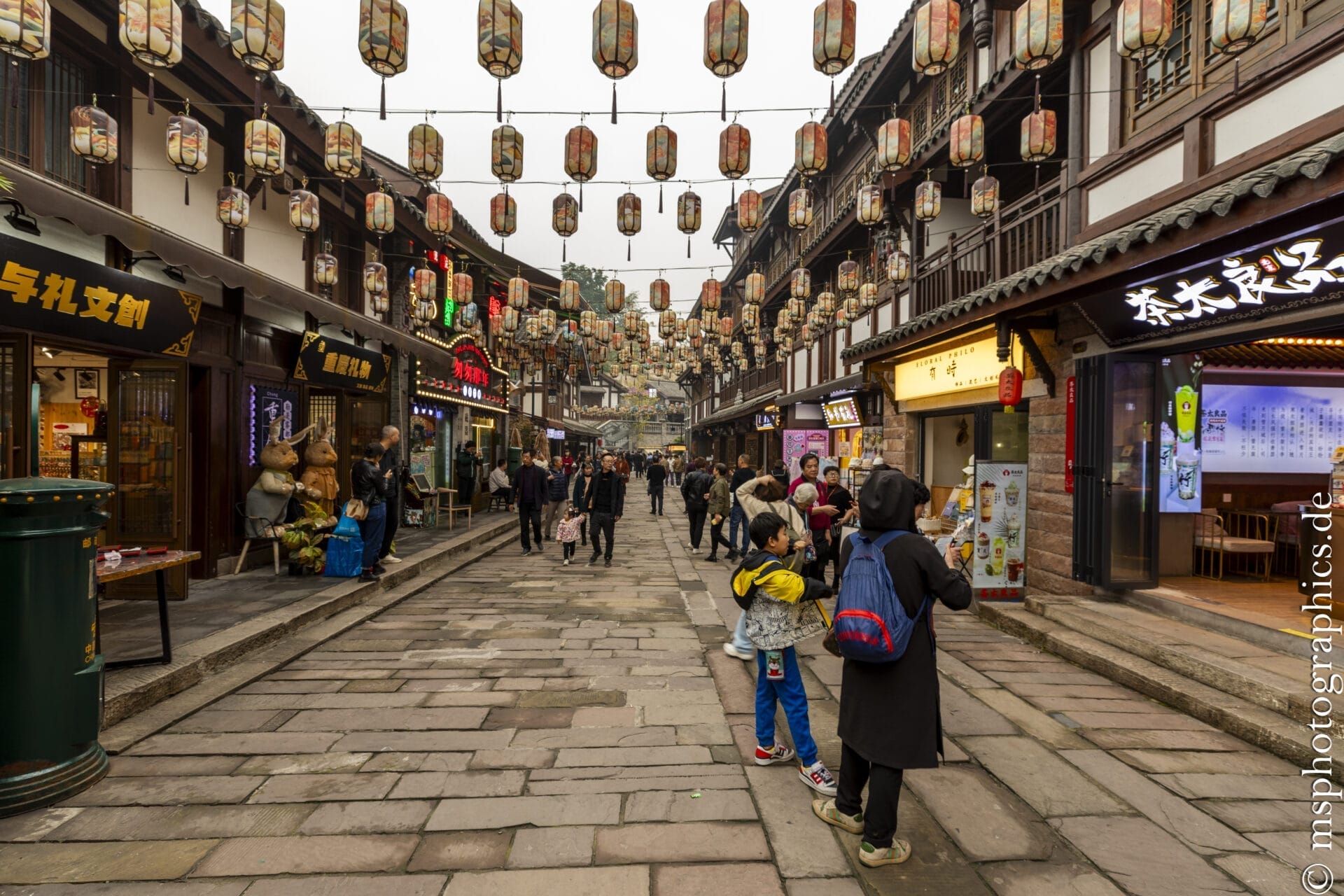
Ciqikou Central Alley is far more than a tourist promenade—it is the vibrant heart of old Chongqing. Historic architecture, authentic handicrafts, traditional tea culture, and spicy street food blend here into a multisensory experience.
Whether you're hunting for souvenirs, enjoying cultural performances, or simply watching the hustle and bustle, this alley exudes the unique charm of a historic market town in a vibrant, contemporary setting.
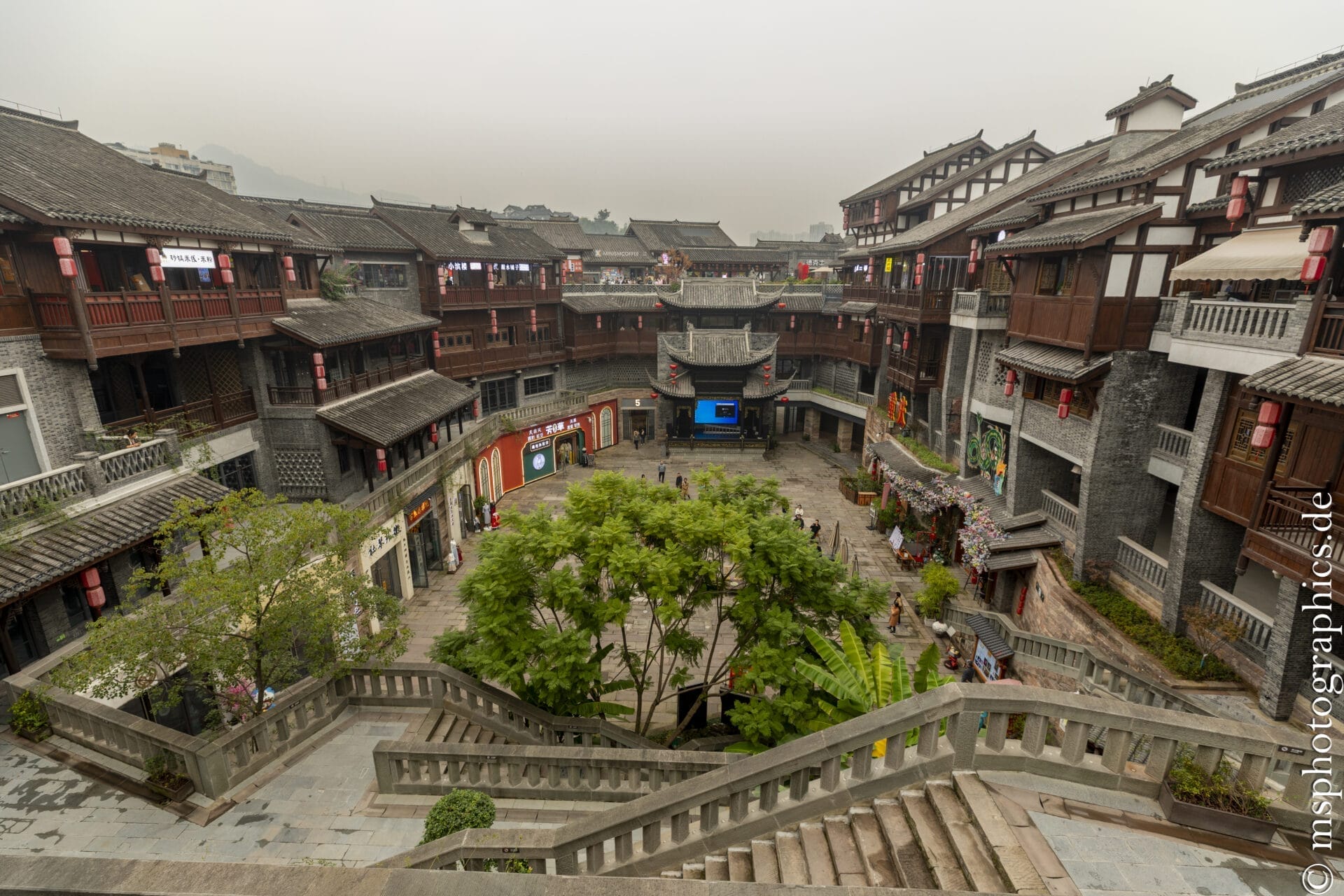
Ciqikou is a vibrant open-air museum that combines history, crafts, and culinary delights in a charming old town atmosphere. Whether strolling through winding alleys, enjoying spicy-sweet street food, or listening to operas and storytelling in historic teahouses, here you'll experience the heart of old Chongqing up close.
Yuzhong ‑ area in Chongqing – youth district with urban flair:
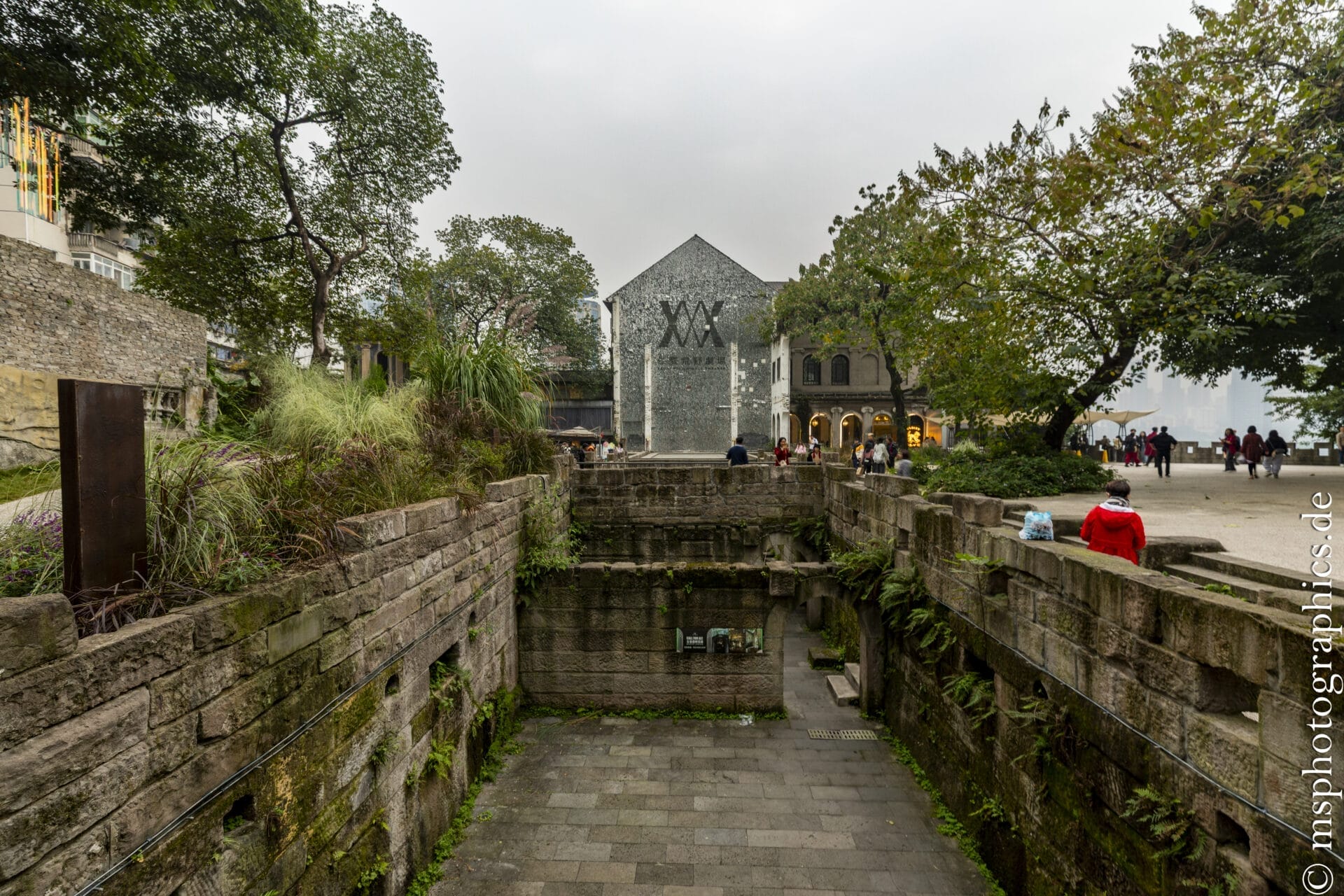
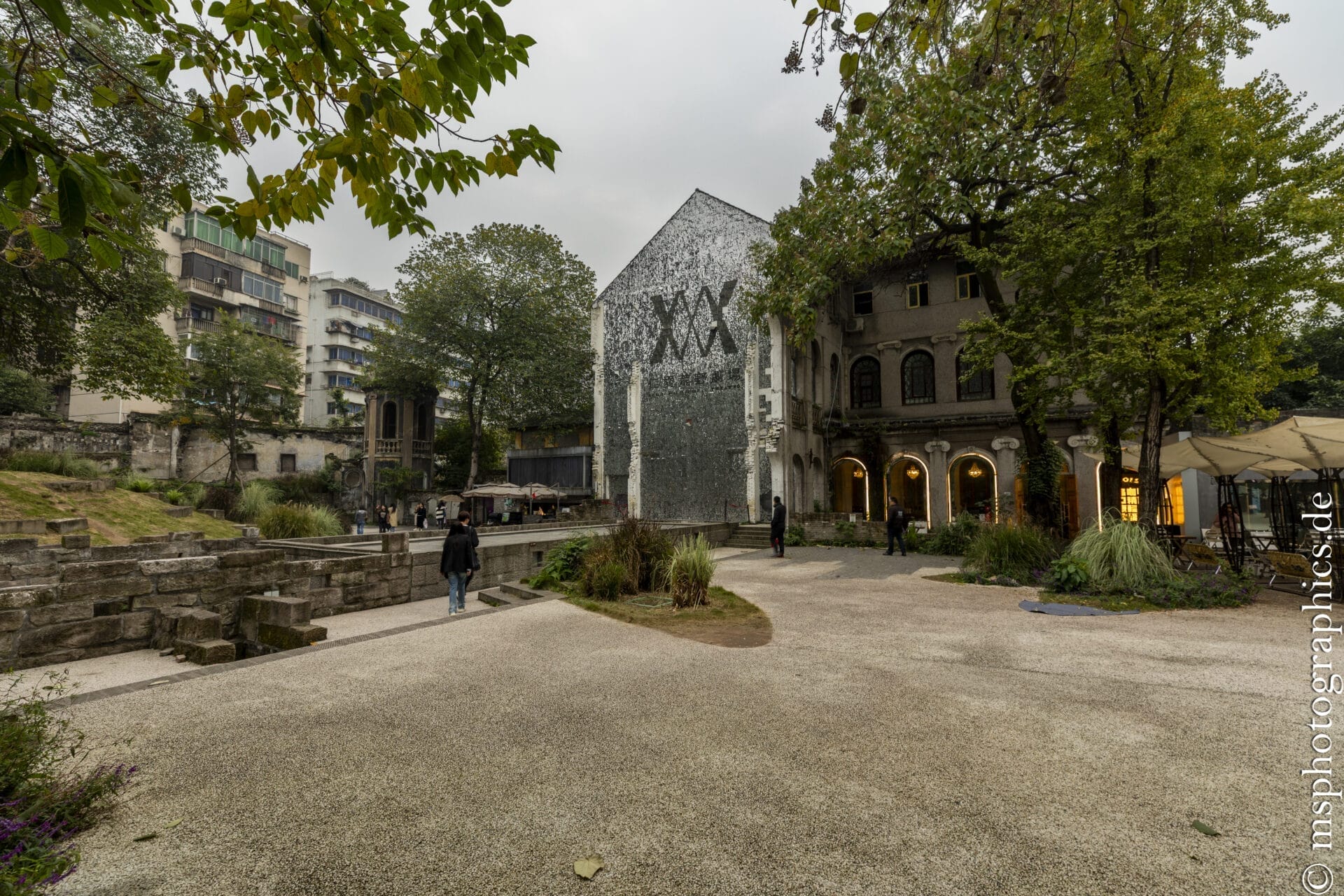
Although "Yuzhong" —literally "First High School"—is known as a street village, Chongqing has a very different Yuzhong. This refers to the area around Chongqing No. 1 Middle School, founded in 1931 in the central Shapingba District. Unlike the original street village, this is a lively student and youth scene with bars, compact infrastructure, and a young crowd.
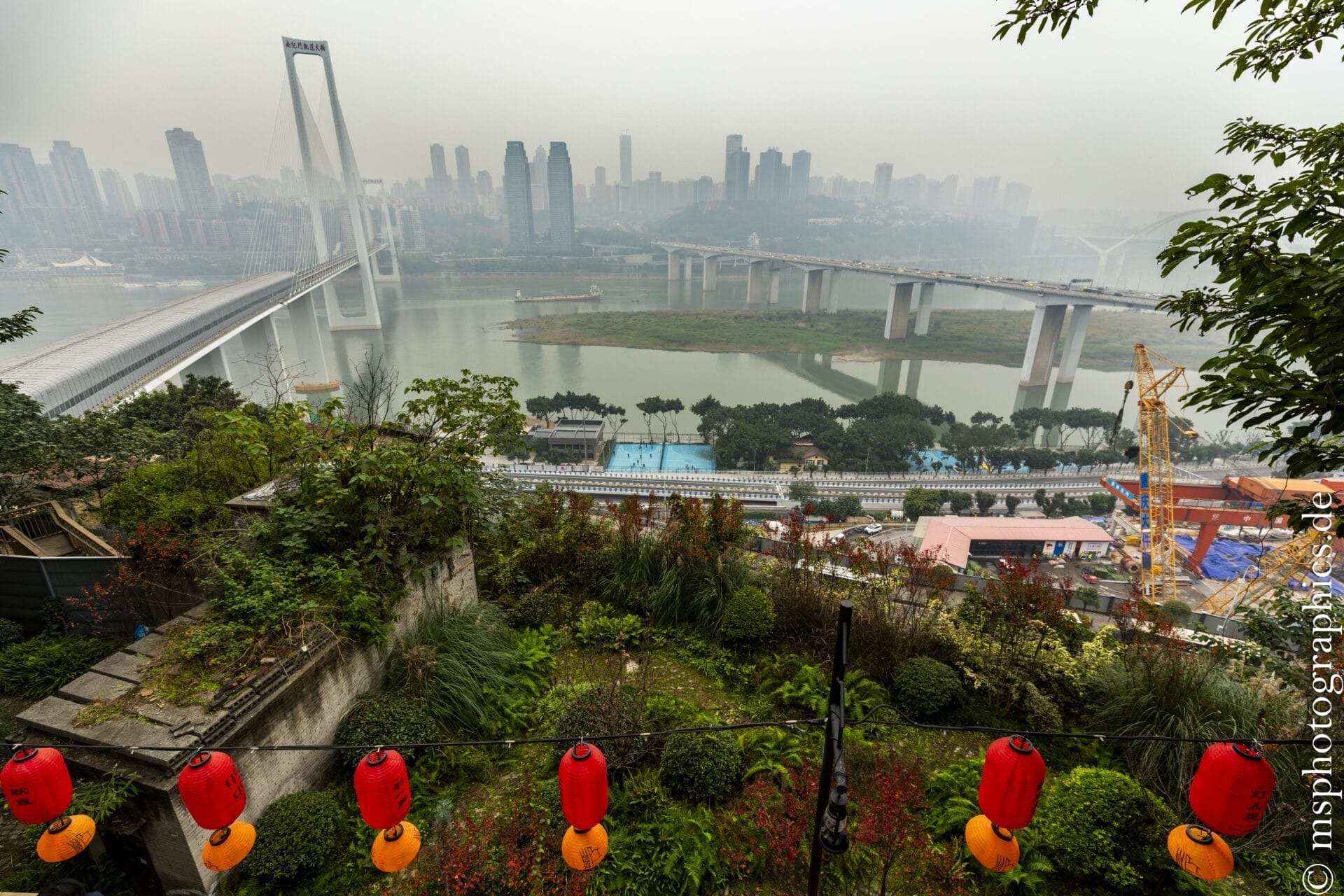
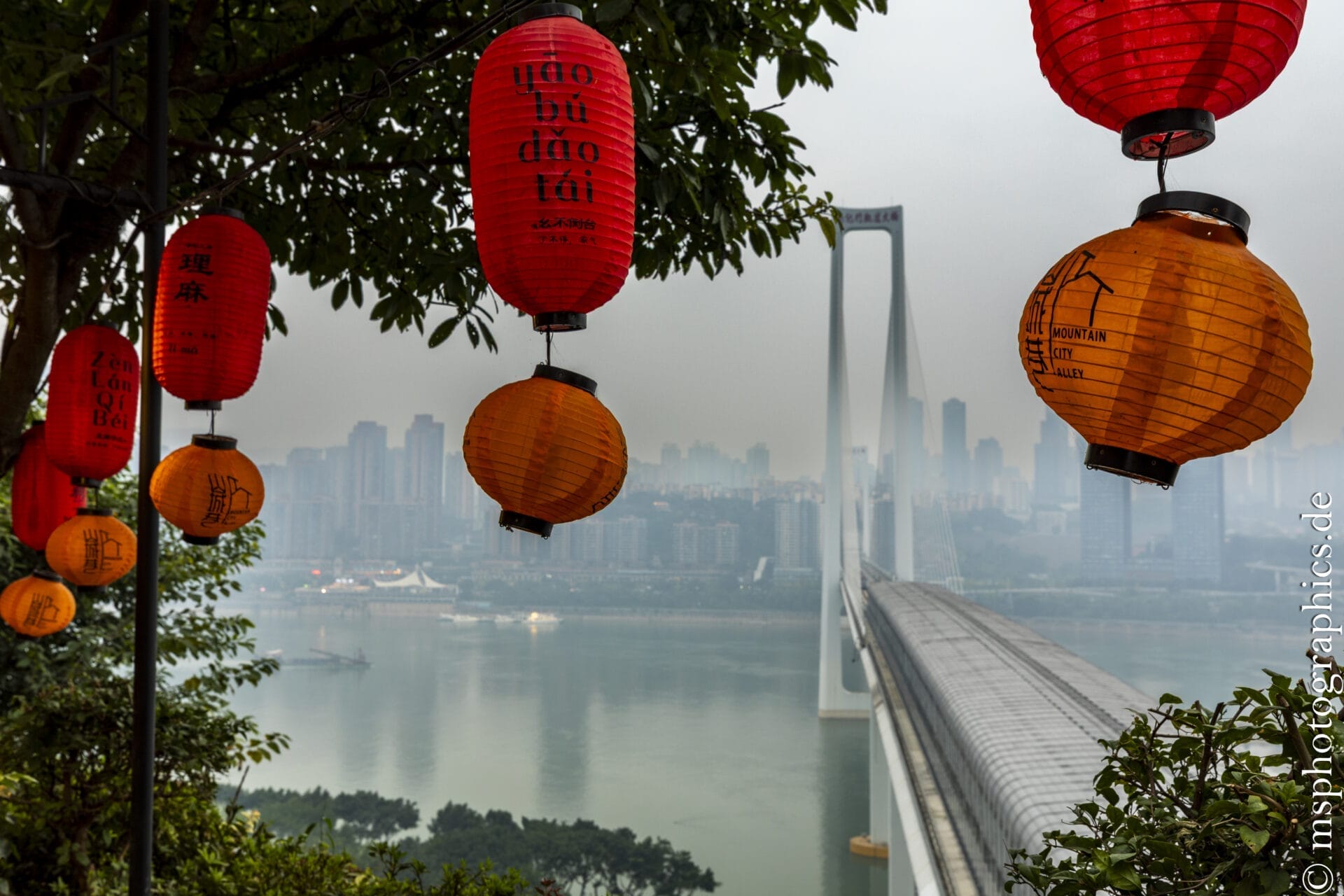
The Yuzhong area is alive with the everyday life of its students. In the evenings, they populate street cafes, teahouses, and inexpensive noodle and hot pot restaurants. Events such as school plays and pop-up markets foster a sense of community. The atmosphere is relaxed, modern, and characterized by student ingenuity.

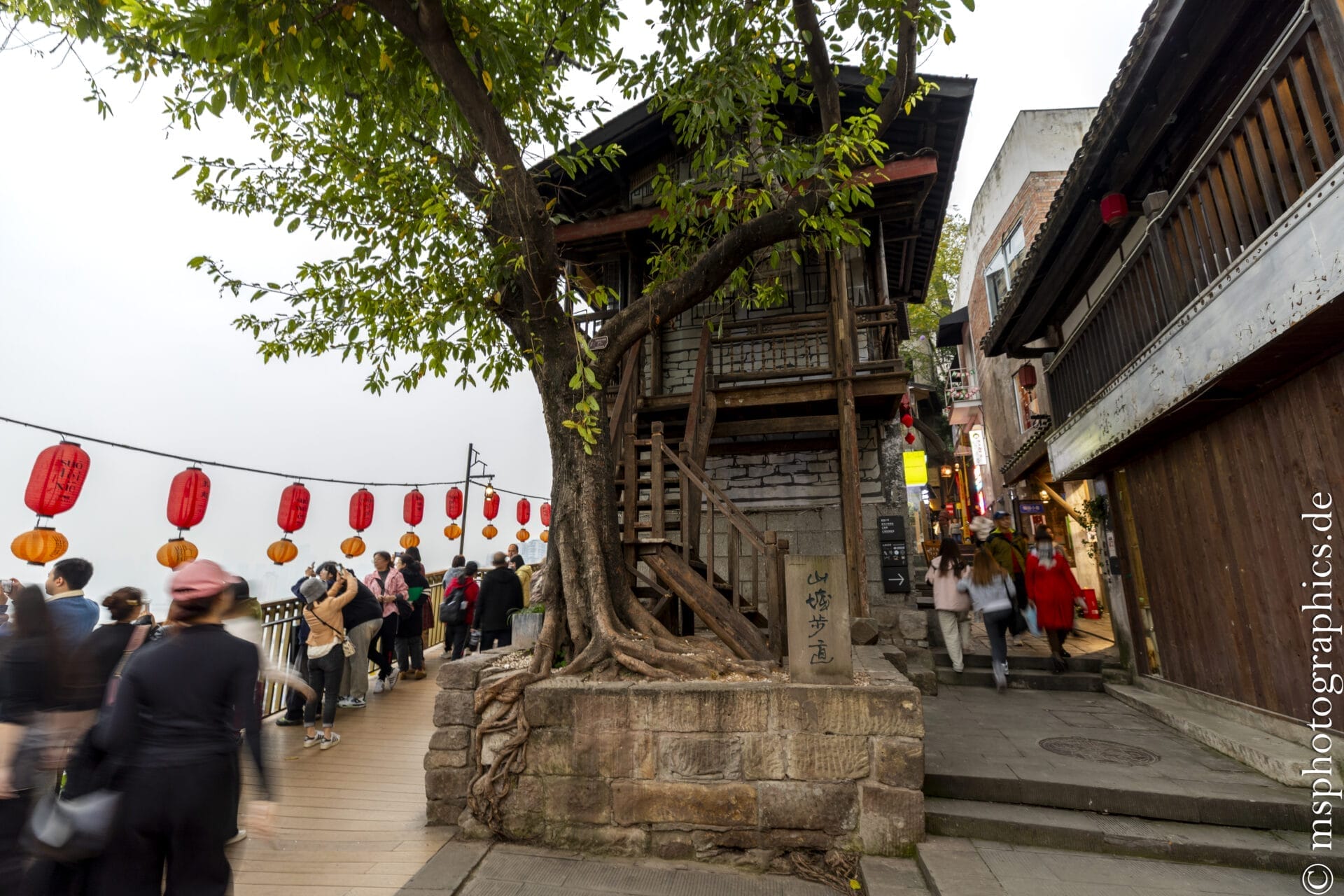

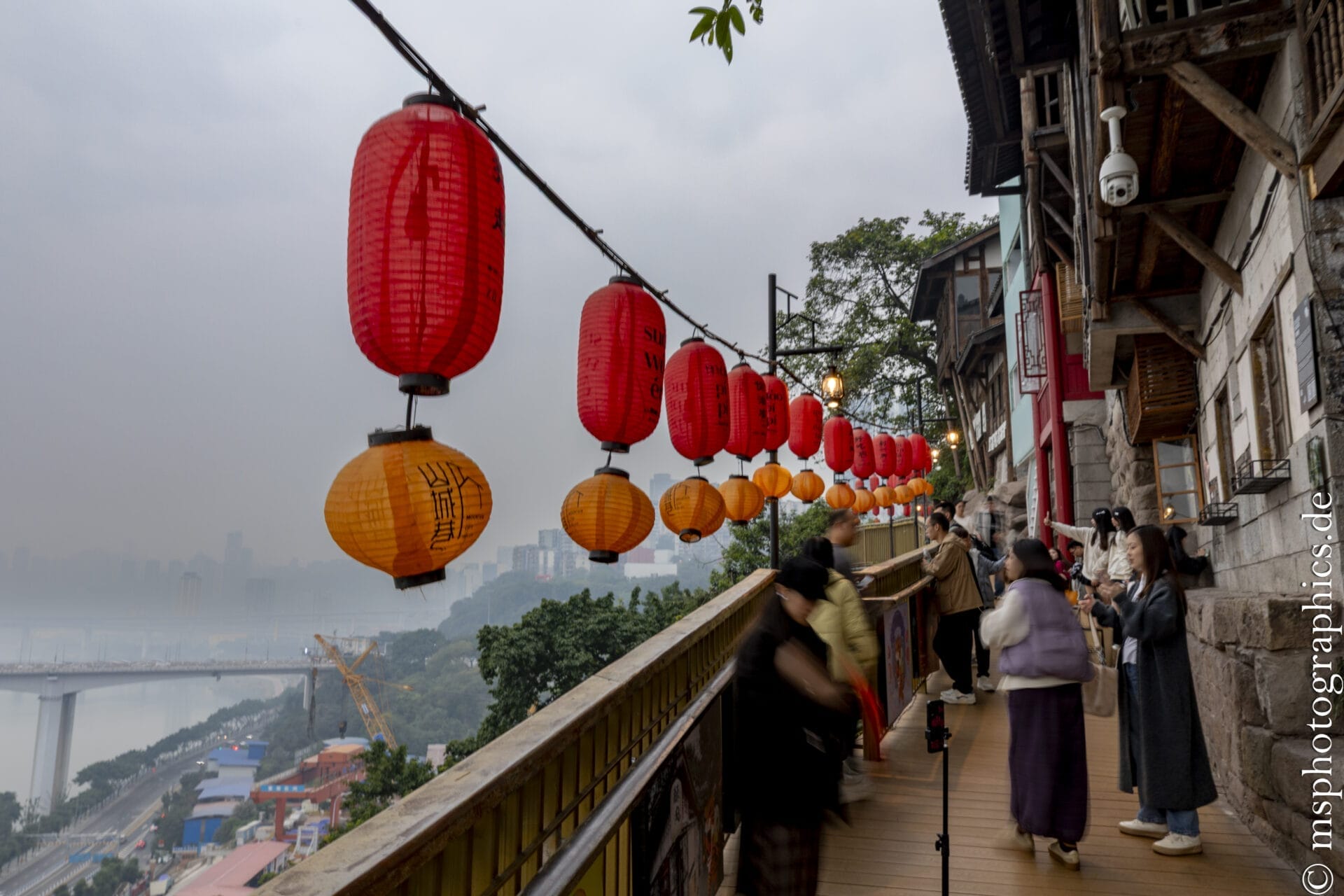
Yuzhong district in Chongqing is more than just a school. It's a vibrant neighborhood where education, youth culture, urban infrastructure, and affordable living harmoniously intertwine. True to the urban "cluster theory", Yuzhong is helping to shape Shapingba as a modern, diverse district. It's a worthwhile destination for experiencing everyday life and the pulse of Chongqing's new generation firsthand.
Jiangbei – Historical splendor in the light shine:
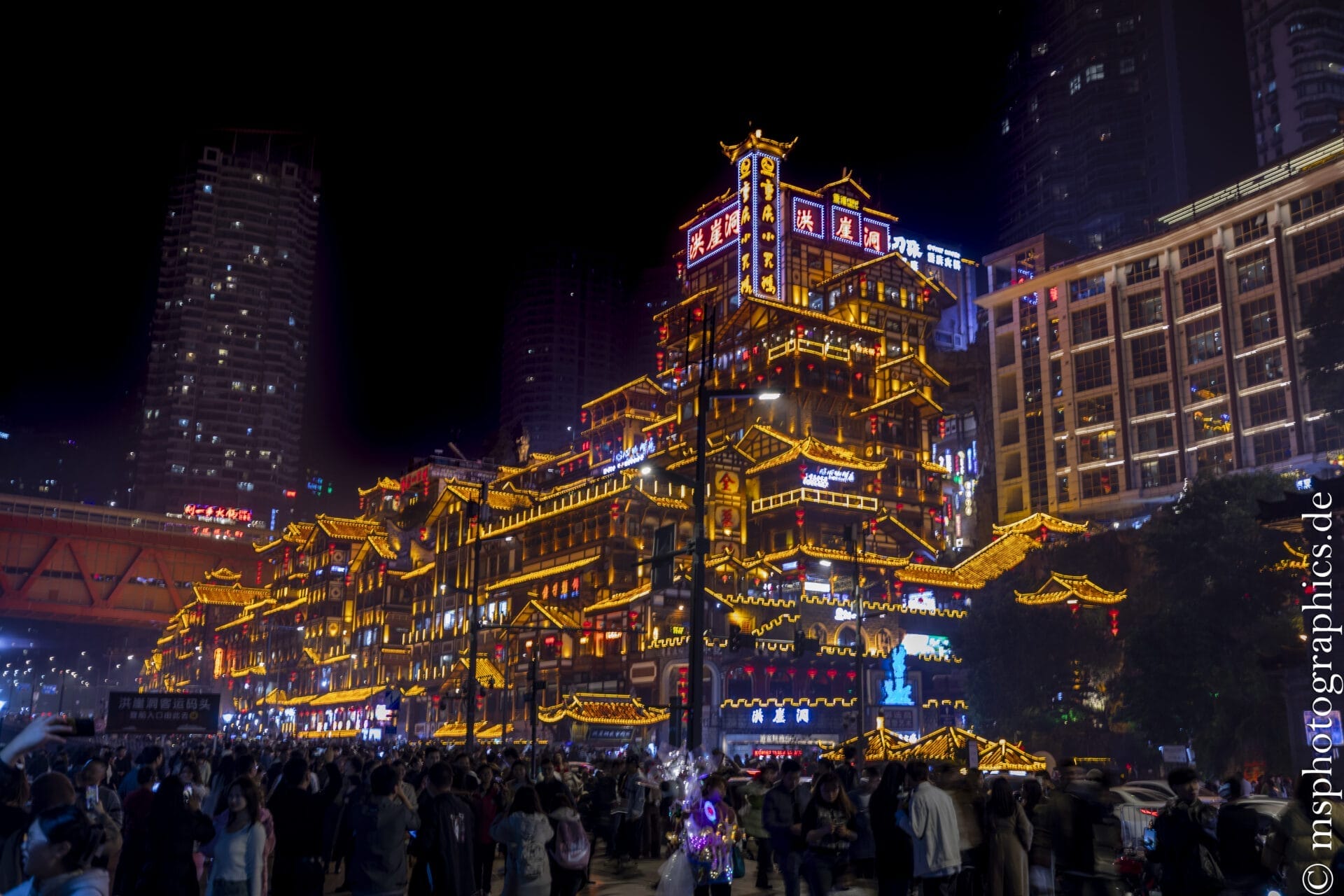
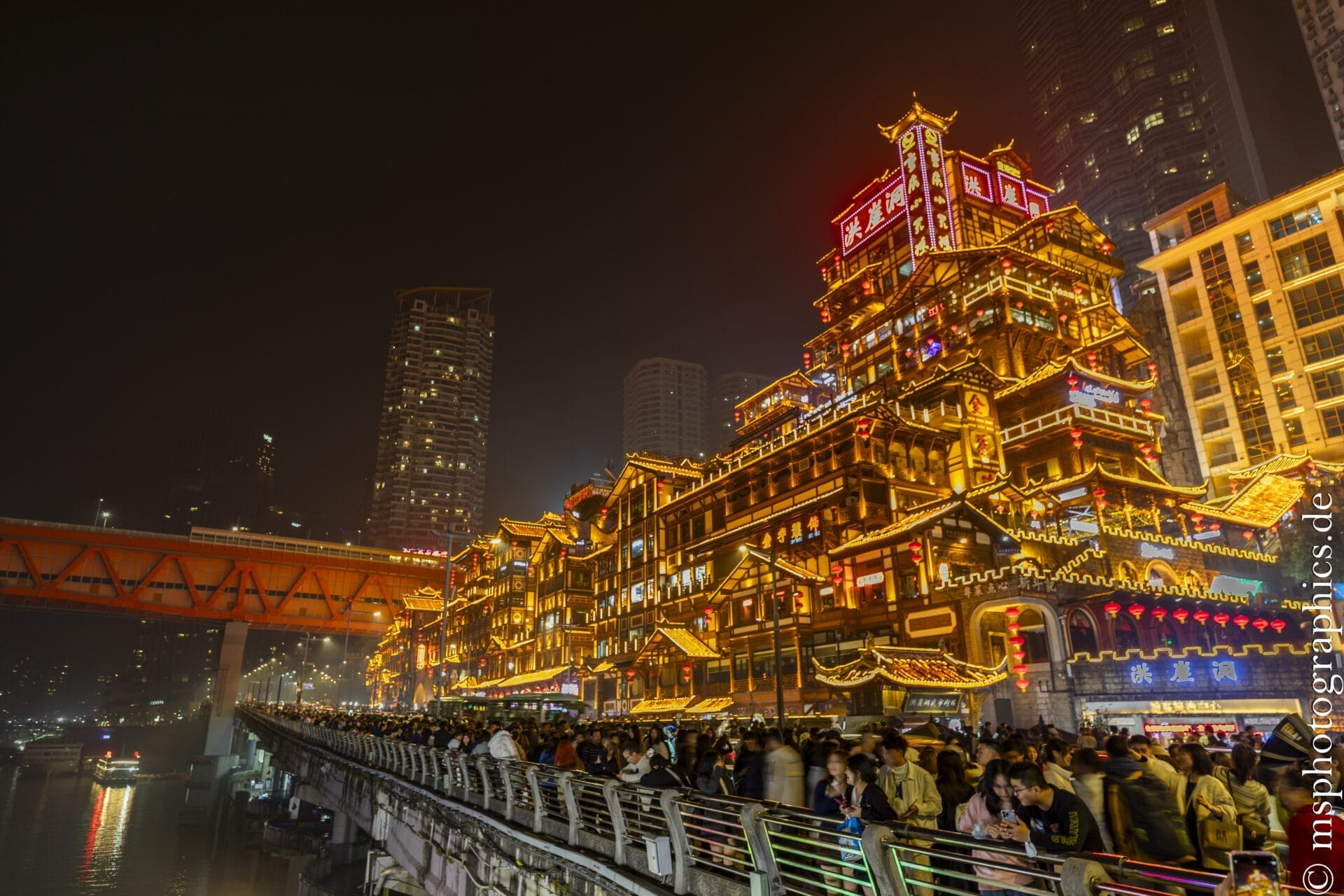
Jiangbei is the dynamic counterpart to Chongqing's city center on the northern side of the Jialing River. In addition to its modern skyline and bustling commercial scene, Jiangbei boasts a number of historic buildings and cultural monuments that are spectacularly illuminated at night, lending the area a unique charm.
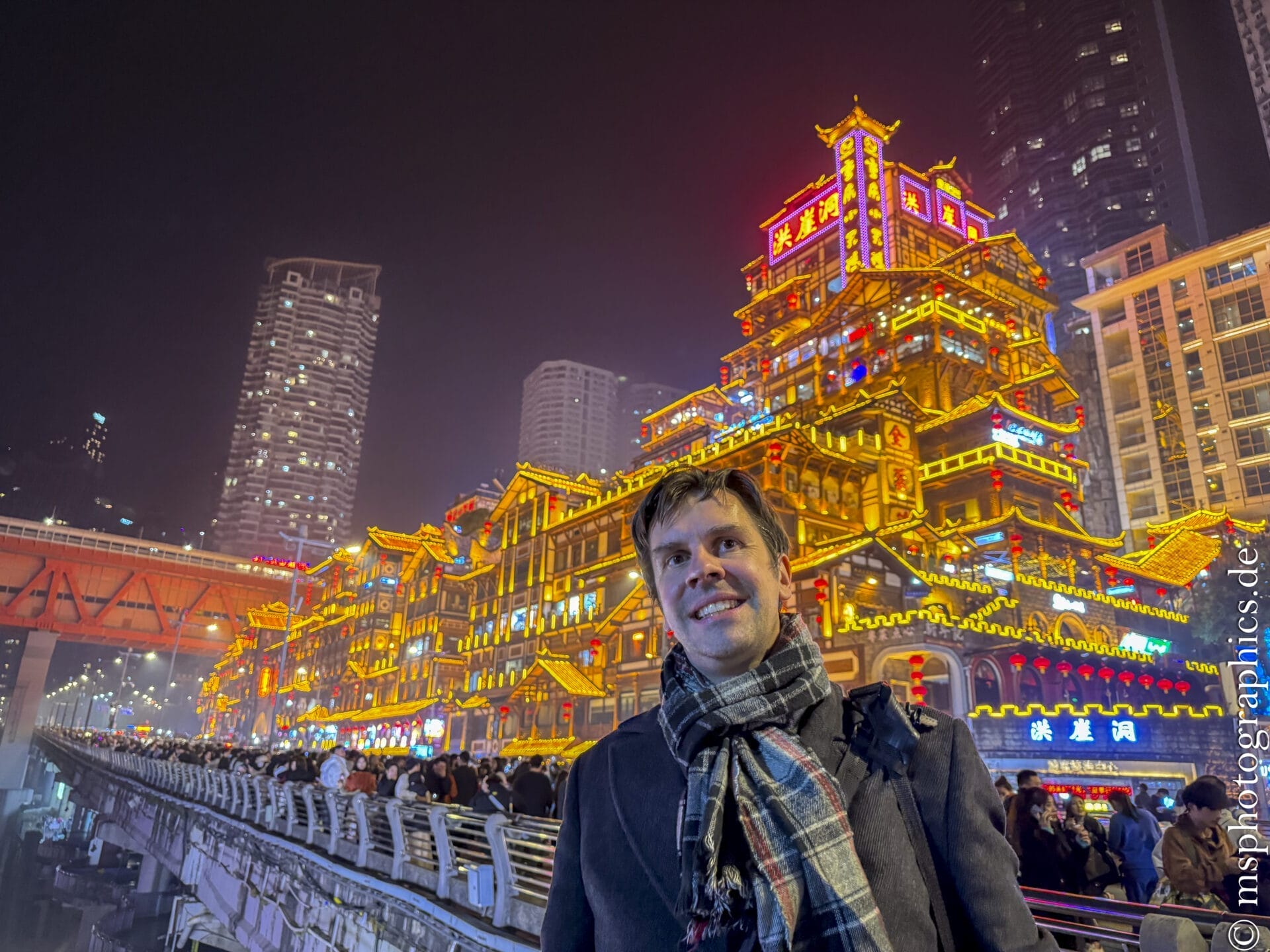
Jiangbei is a work of art combining ancient architecture, vibrant nightscapes, and a modern skyline. Historic buildings such as Hong'en The pavilion and former gates add color to the urban backdrop. The combination of culture, river landscape, and technical lighting makes Jiangbei an ideal destination for travelers and photographers—and a true gem in Chongqing's "Two Rivers Nightscape" experience.
The Chongqing Cable Car – the Yangtze River Cableway Experience:

The Yangtze River Cableway is not only a convenient means of transportation, but also arguably Chongqing's most famous landmark. We walk from the hotel toward the cable car. Long waits are quite common, especially during peak season. Nevertheless, a cable car ride across the river is not to be missed.
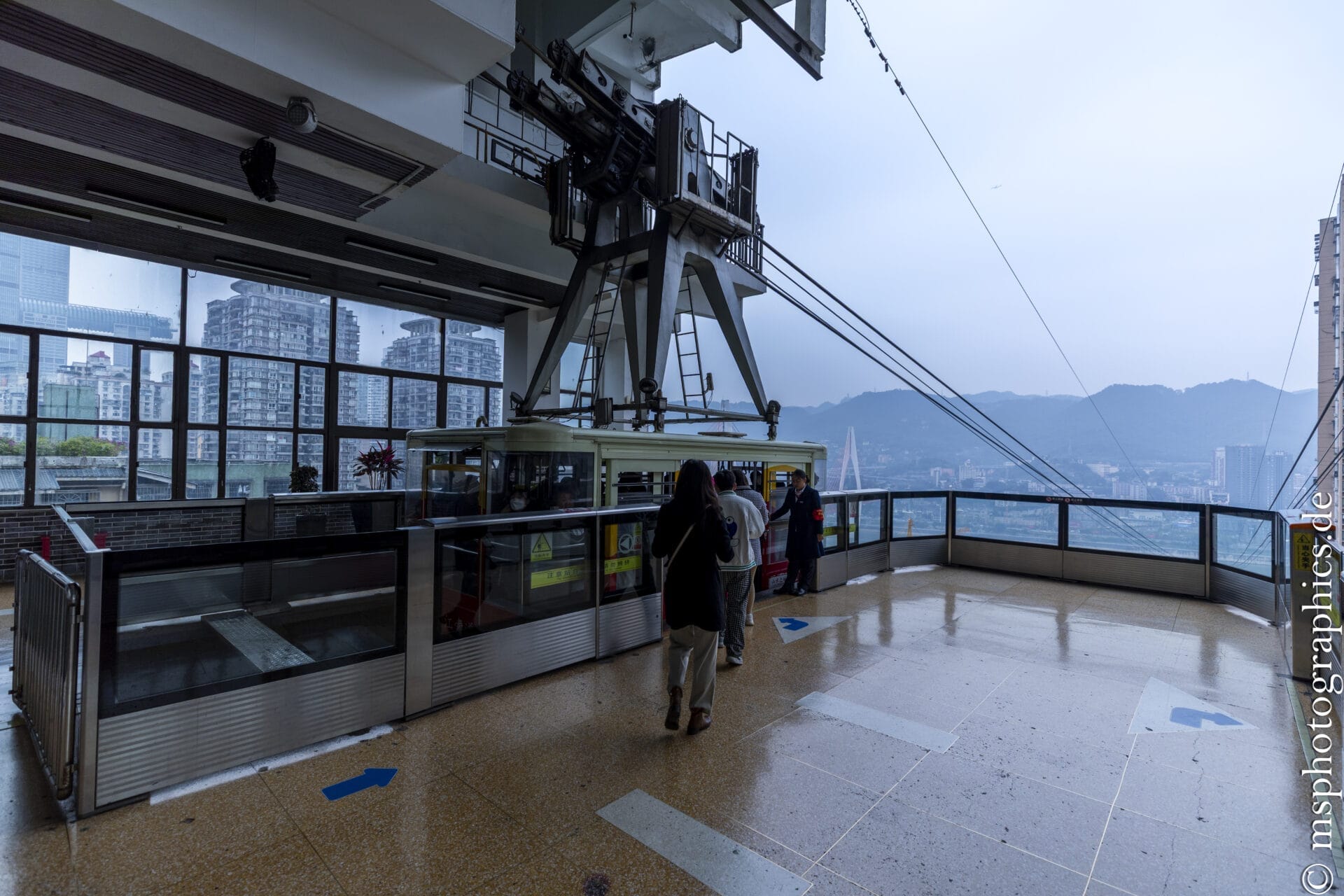
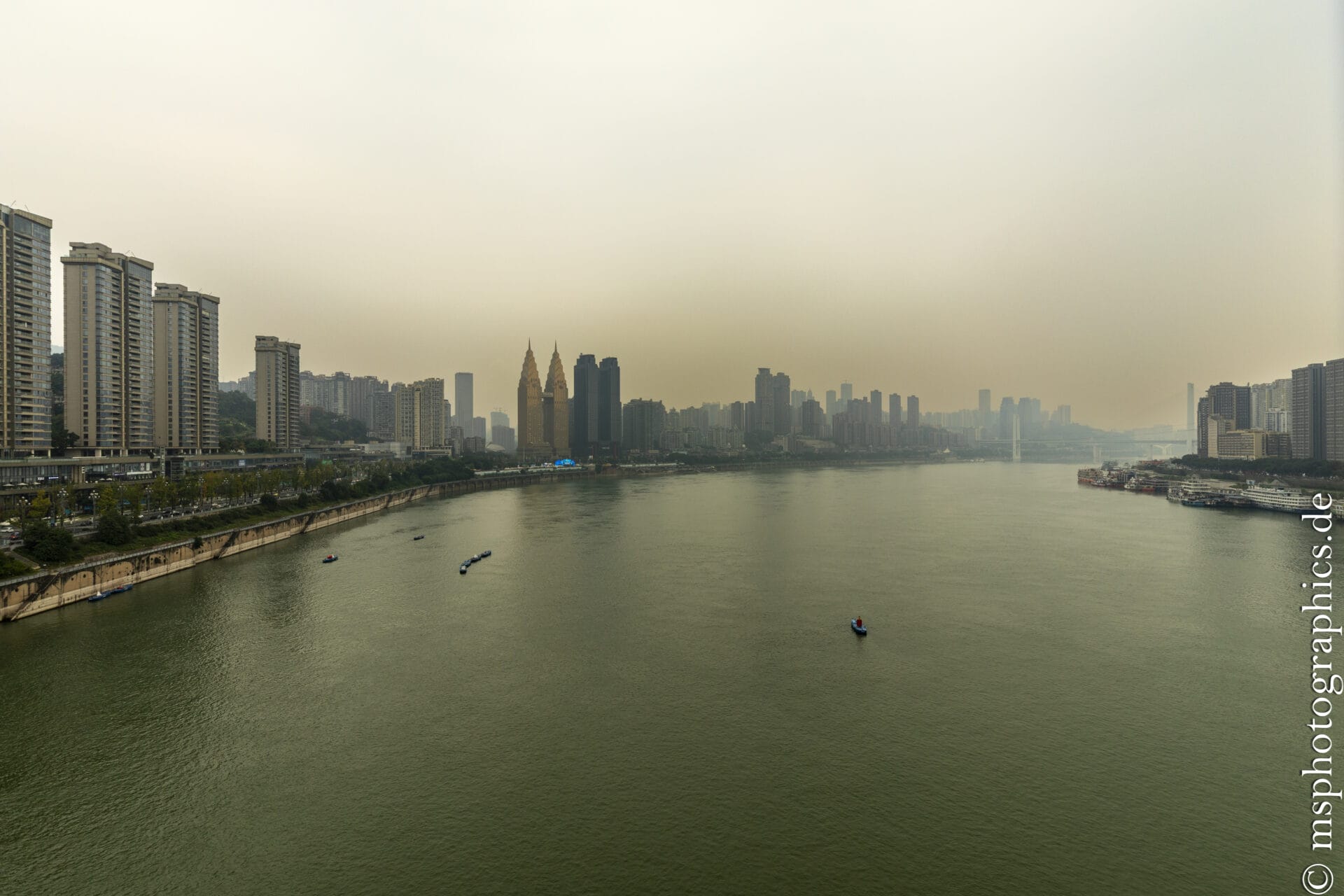
Construction began on March 20, 1986, and was completed on October 24, 1987. As the first large urban cable car across the Yangtze River, it was entirely designed and built in China. It has two cabins, each with a maximum capacity of 81 passengers. It has been listed as a historic monument since December 15, 2009.
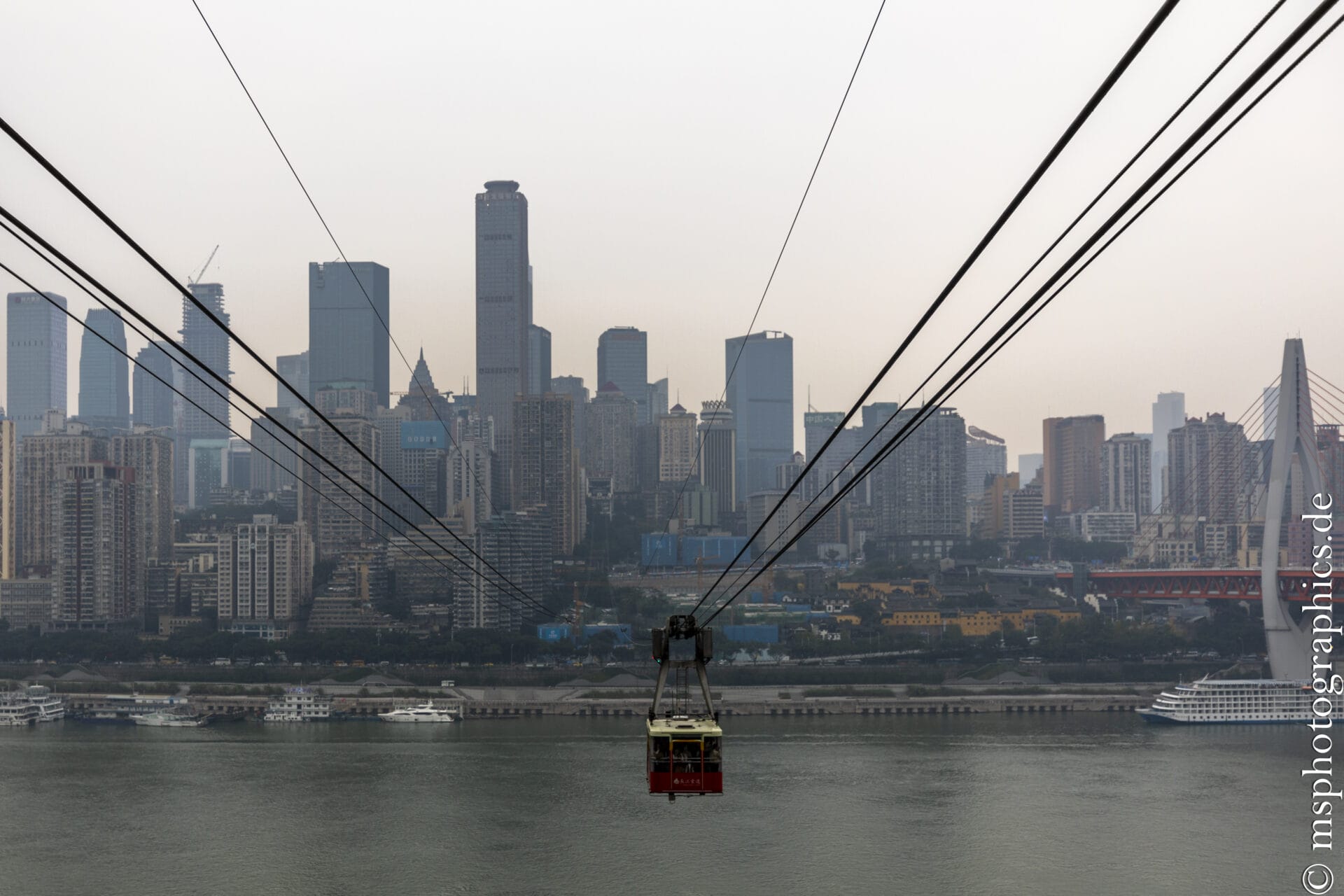
The cable car route measures 1,166 meters and connects Xinhua Road in Yuzhong District with Shangxin Street in Nan'an District. The elevation difference is about 47 m, at a speed of 6 m/s (~21 km/h).
This results in a travel time of about 5 minutes. The daily capacity is 12.000 users in each direction.


The Yangtze River Cableway is an experience. A luxurious cable car with iconic status, it tells the story of Chongqing's urban drama in spectacular panoramic images. Whether as a practical means of transport or as a tourist highlight, it connects the riverbank, history, and emotions and is a must-do for any visit to the city of mountains and rivers.
Nan'an district – mountainous beauty meets innovative spirit:


Nan'an, literally "Southern Bank," is one of Chongqing's six central districts, picturesquely situated on the southern banks of the Yangtze and Jialing Rivers. With approximately 1.2 million inhabitants and a total area of 262 km², Nan'an is a fascinating blend of lush greenery, historical depth, and modern development.
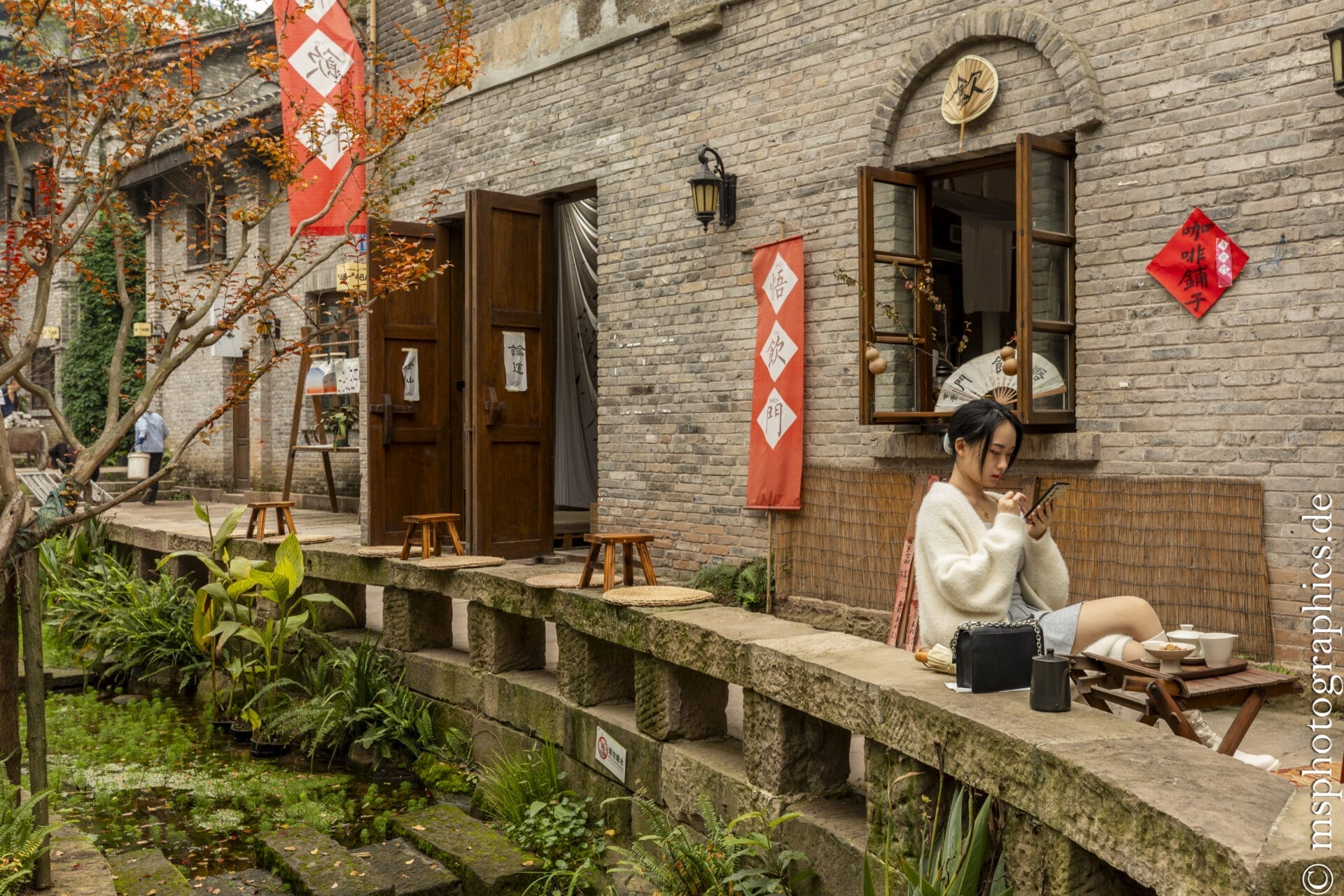
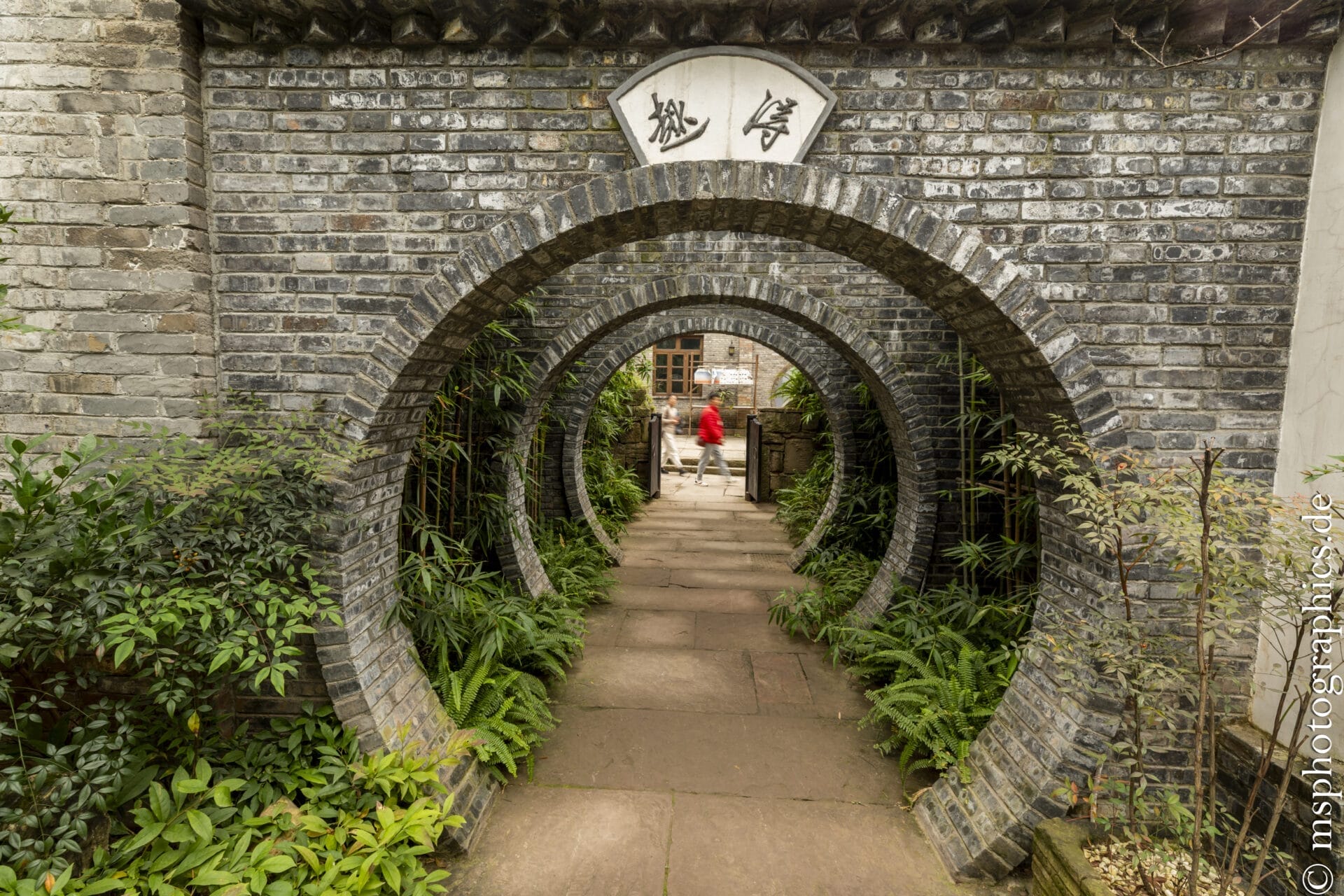
Nan'an is not just an urban district. It is Chongqing's lifeline south of the Yangtze River, characterized by historical depth, natural worlds, modern entrepreneurship, and urban lifestyle.
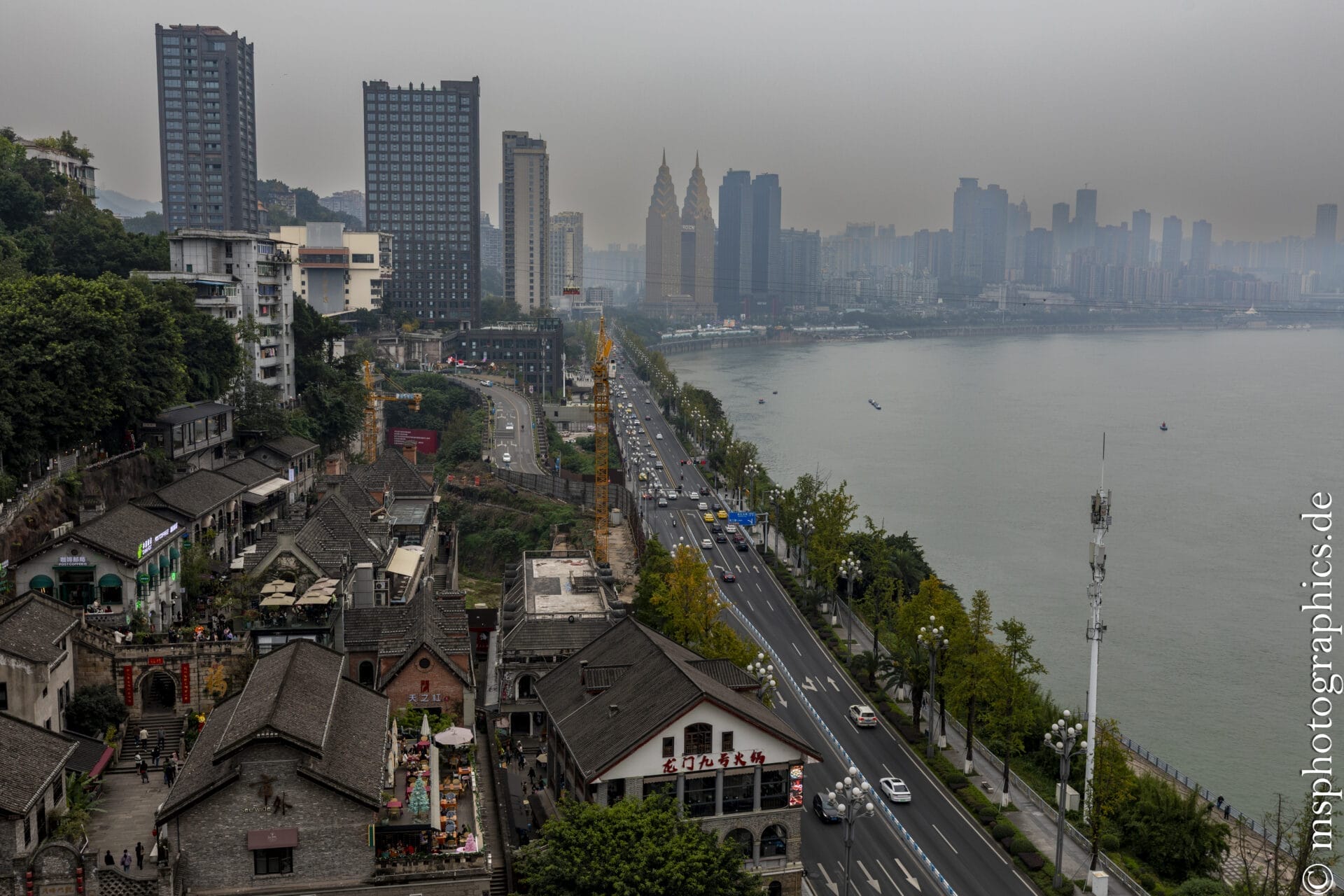
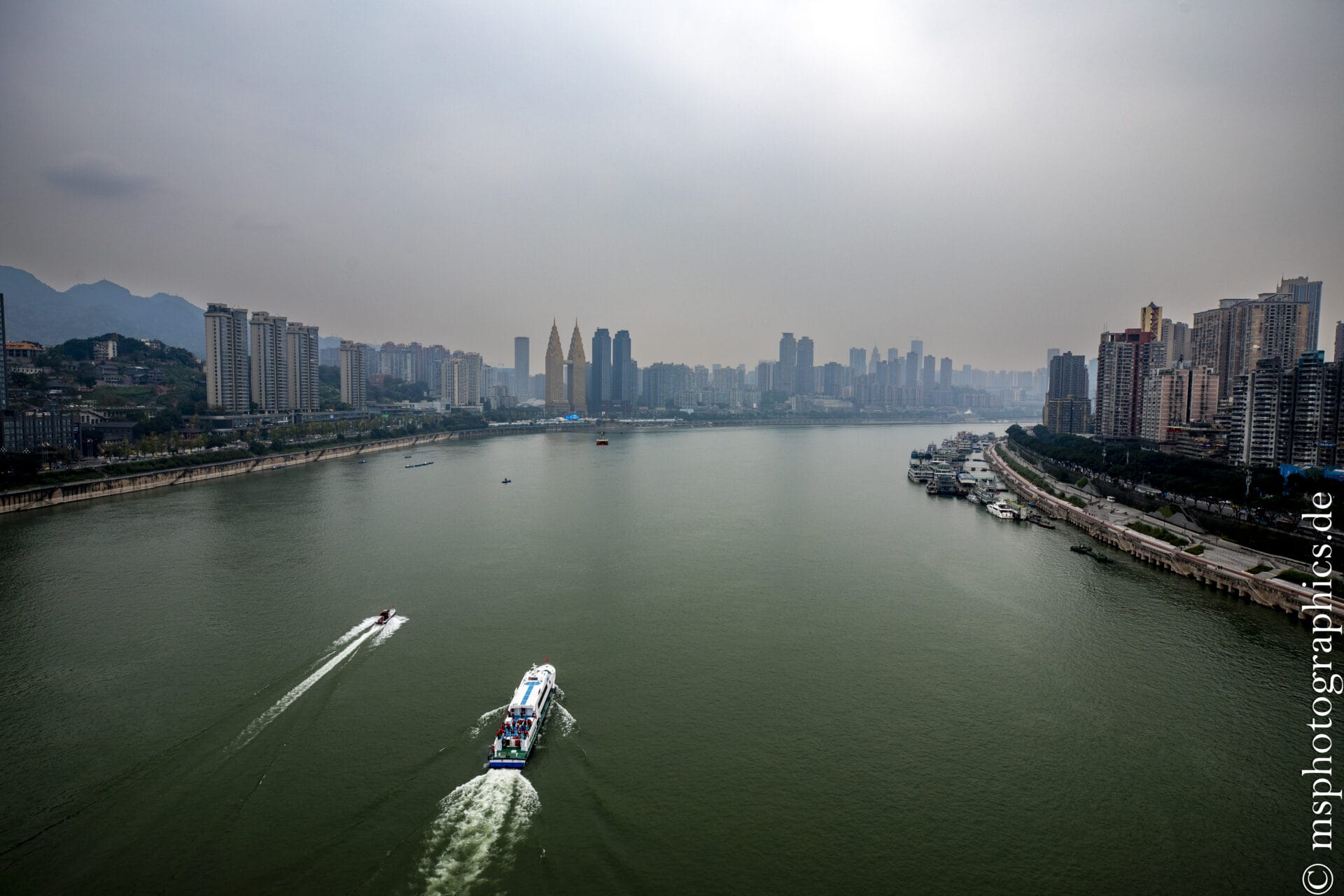
Here, ancient temples, green courtyards, campus life, shopping, and cable car experiences merge into a distinctive cityscape. For visitors, the mix of views, technology, culture, and nature offers a worthwhile tour, ideal photo spots, and oases of tranquility. Crossing the Dongshuimen Bridge, the return journey to the Yuzhong district is only a short walk away.
Nightlife in Yuzhong – Chongqing’s vibrant heart at night:
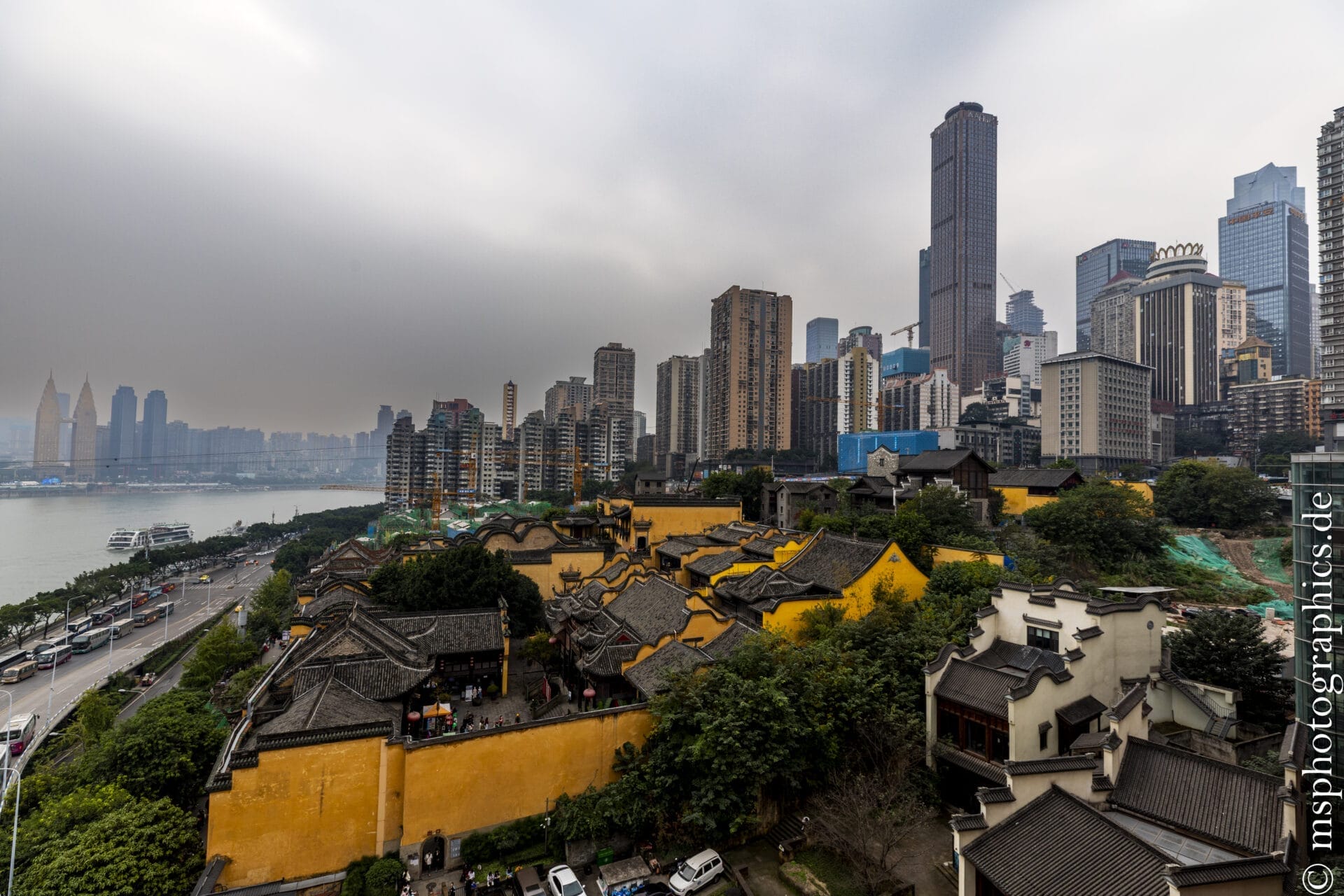
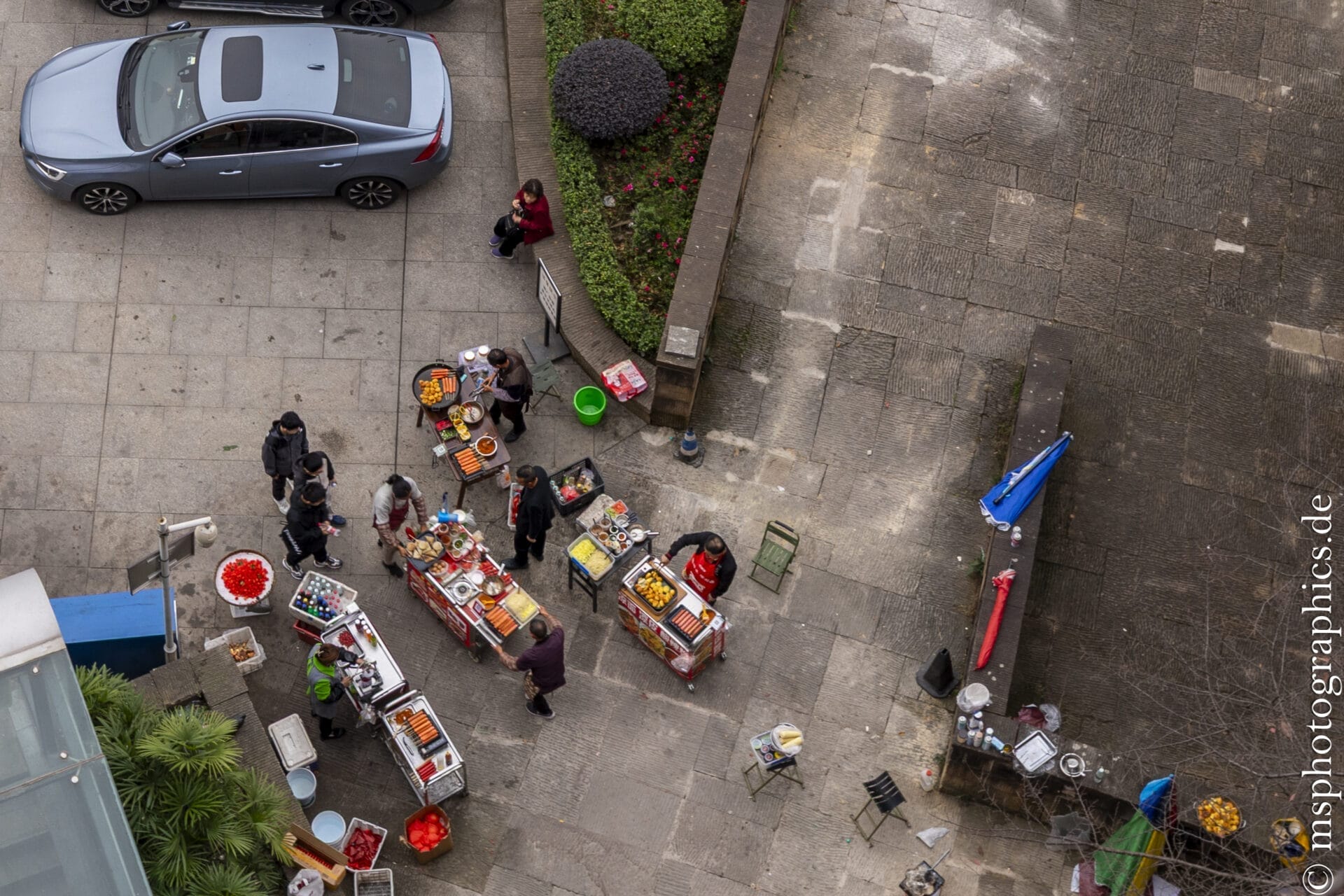
In the late afternoon, we returned to the Yuzhong district, which we planned to explore again after dark. On our return over the Dongshuimen Bridge, we discovered a cluster of street food and fruit vendors, which are perfect for observing from above.
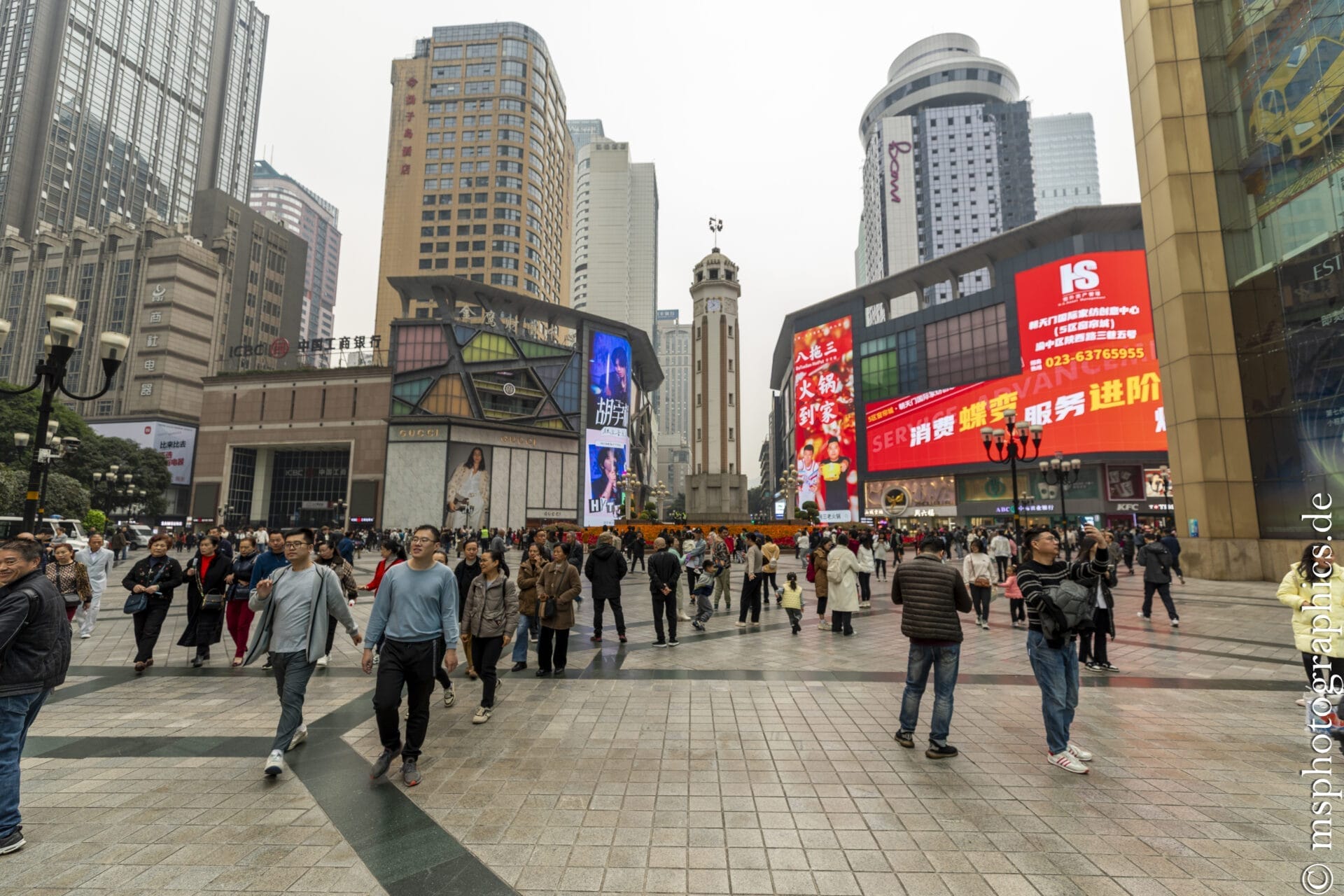
Yuzhong, the downtown island between the Jialing and Yangtze Rivers, is the center of nightlife. Shopping, dining, culture, and lighting all go hand in hand here. The district has been repeatedly recognized as China's top nighttime economy district and is constantly evolving.
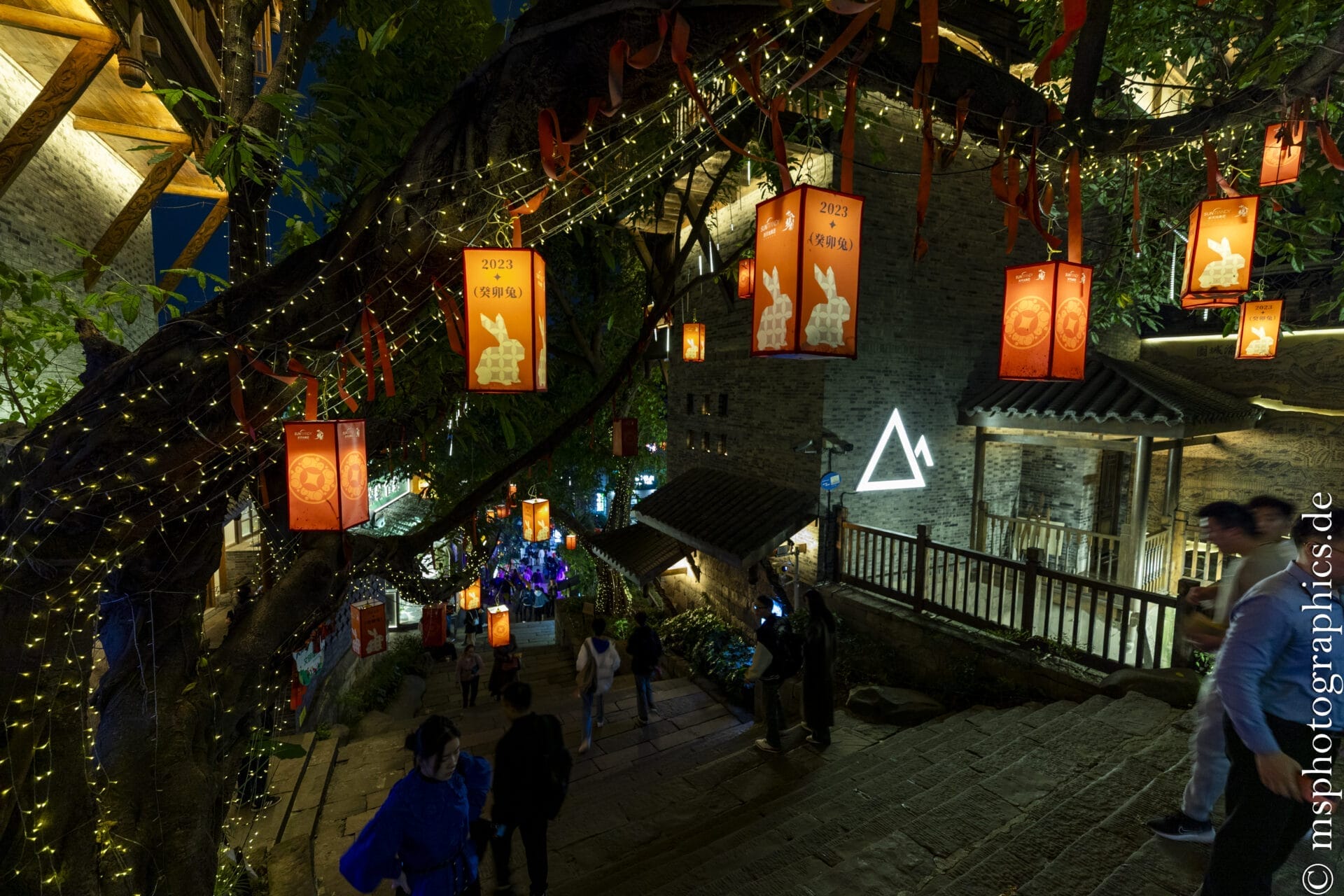
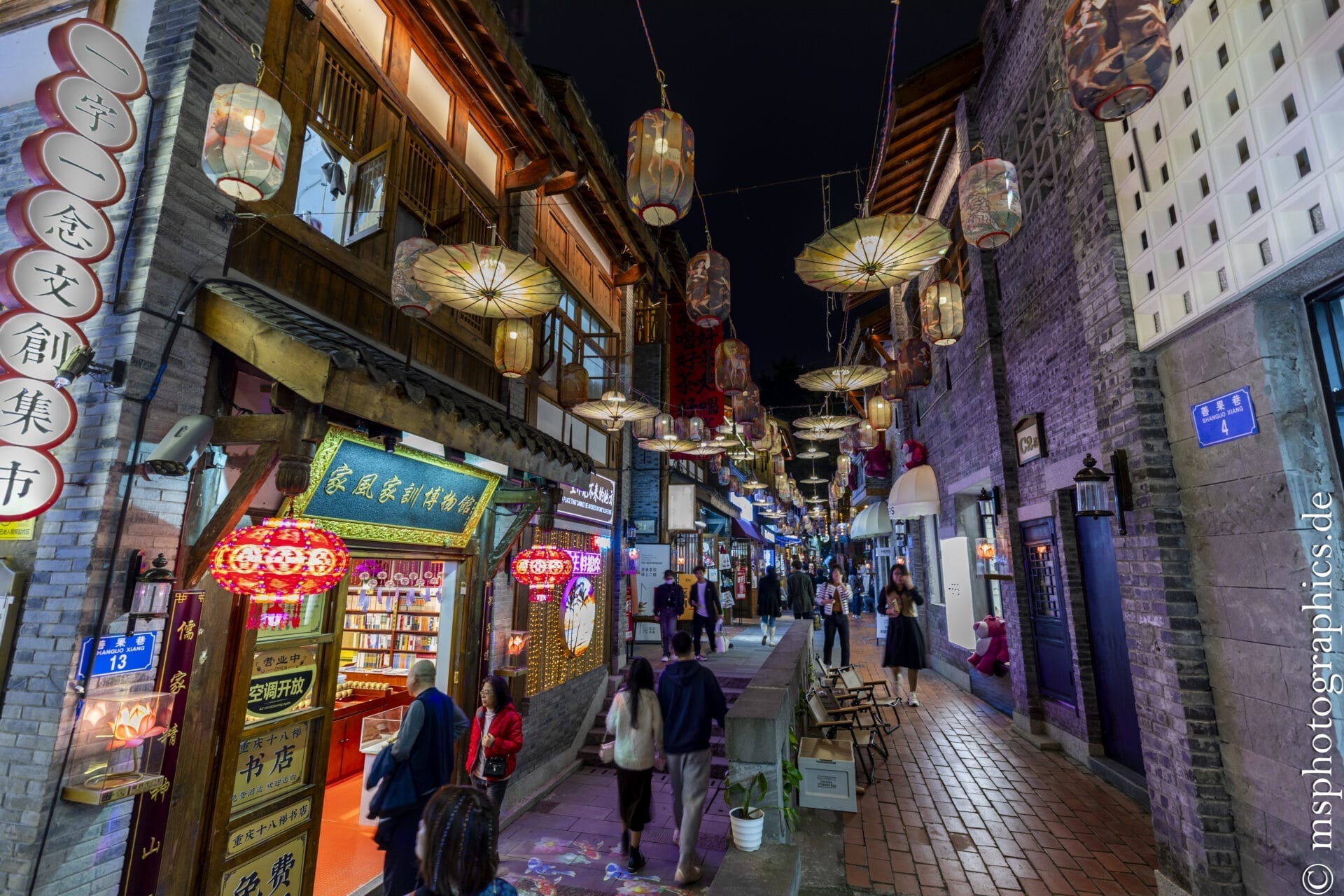
From Hualongqiao to E'ling to Liziba, you'll find cultural spaces, creative parks, and quiet alleys where illuminated squares, art installations, and immersive events dominate the nightlife.
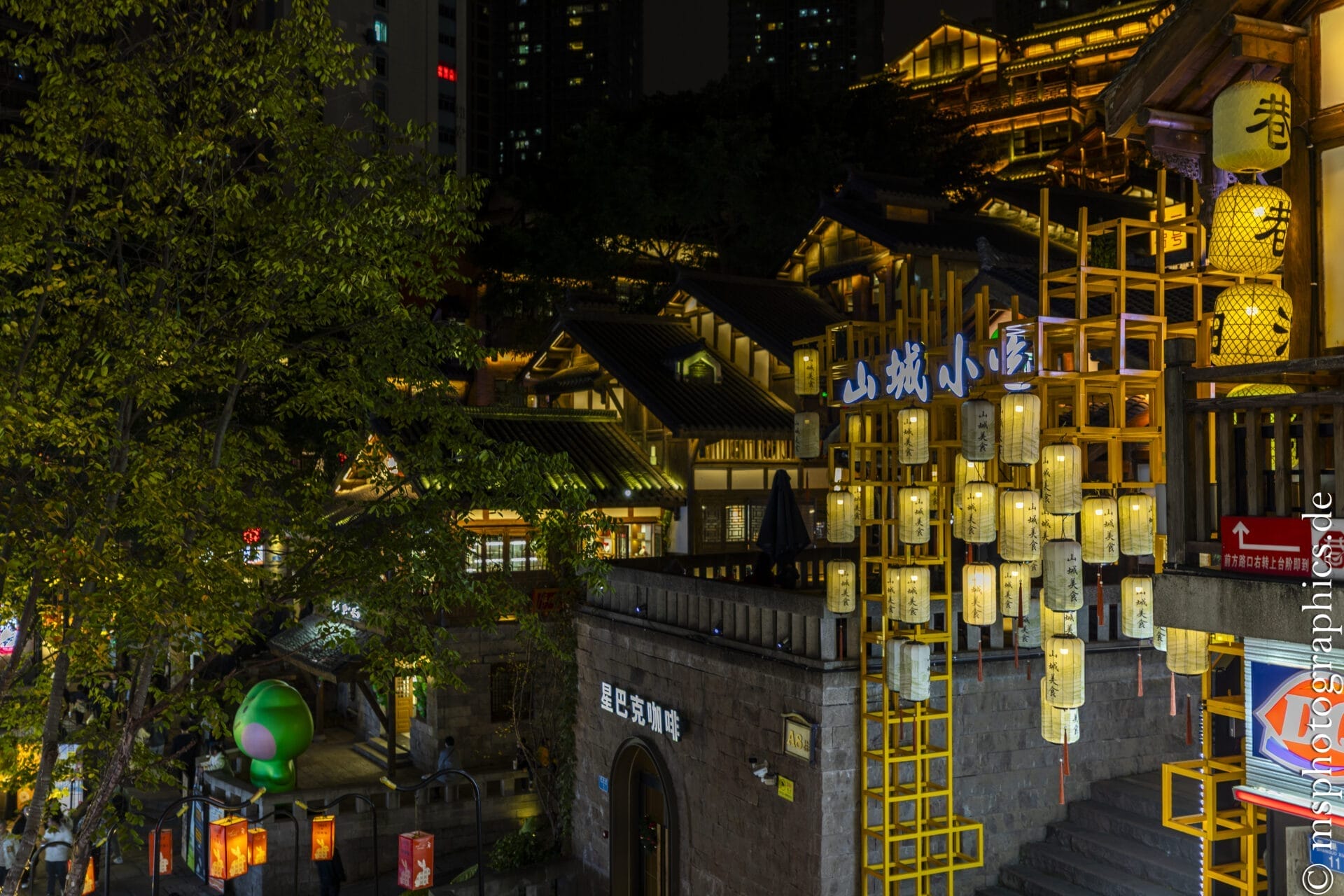
The streets, alleys and pedestrian zones are all stylishly illuminated and give Yuzhong a very special flair at night.
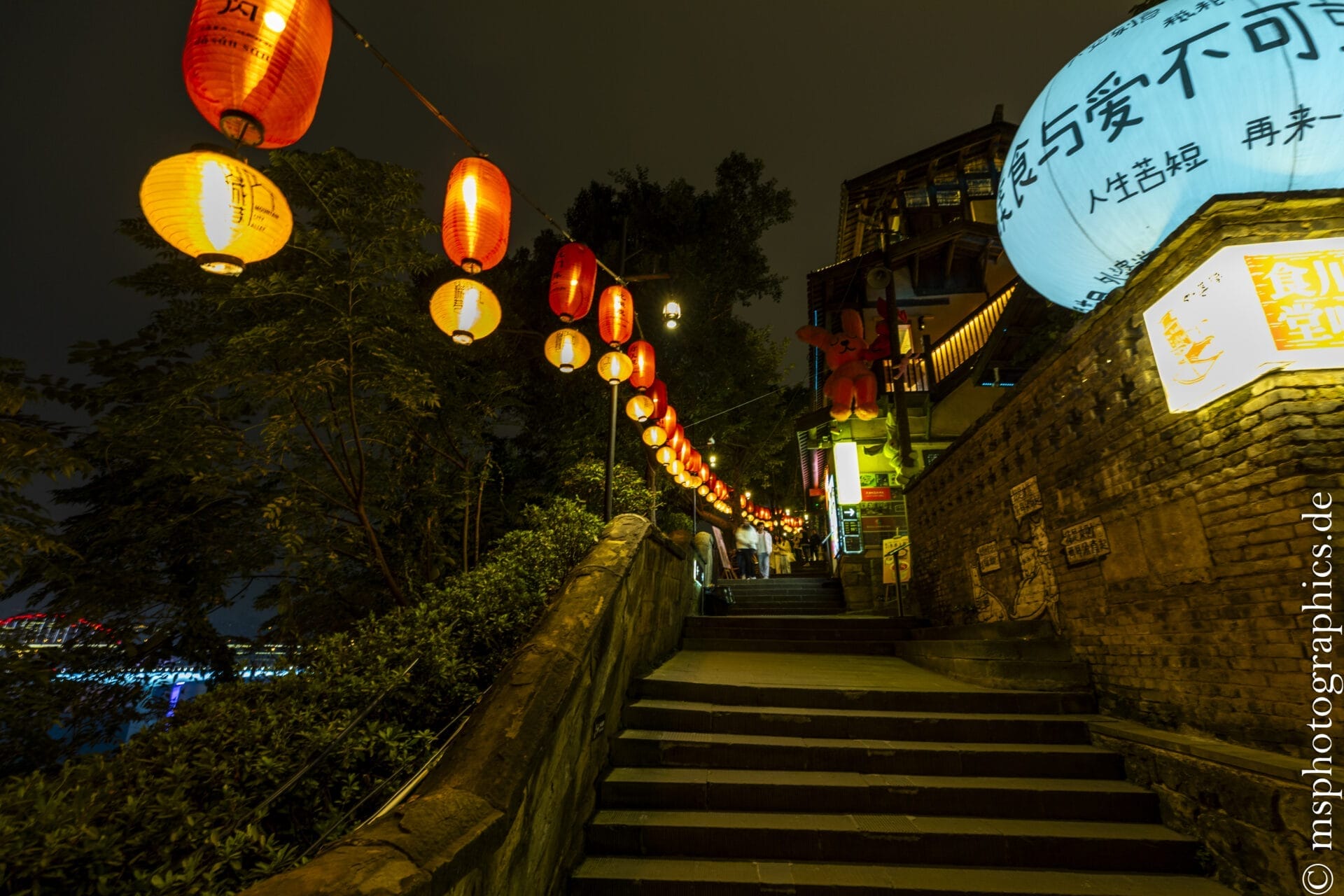
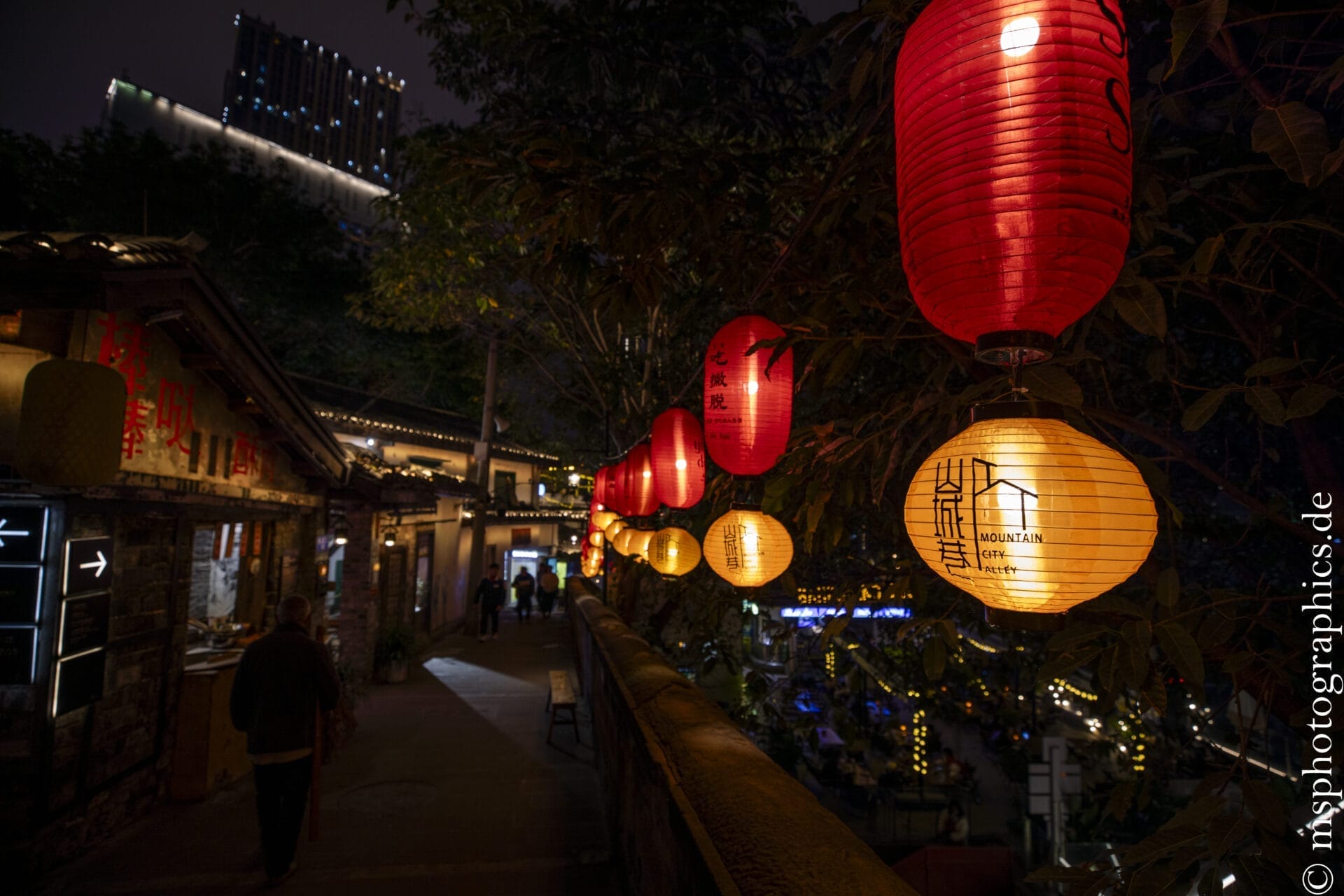
The iconic pedestrian zone goes Jiefangbei to Hongyadong to Chaotianmen. The route leads around the Jiefangbei Monument, continues to the Cliff House Hongyadong, and finally to the riverside Chaotianmen. It is a consistently lively, car-free area full of bars, restaurants, and light art.
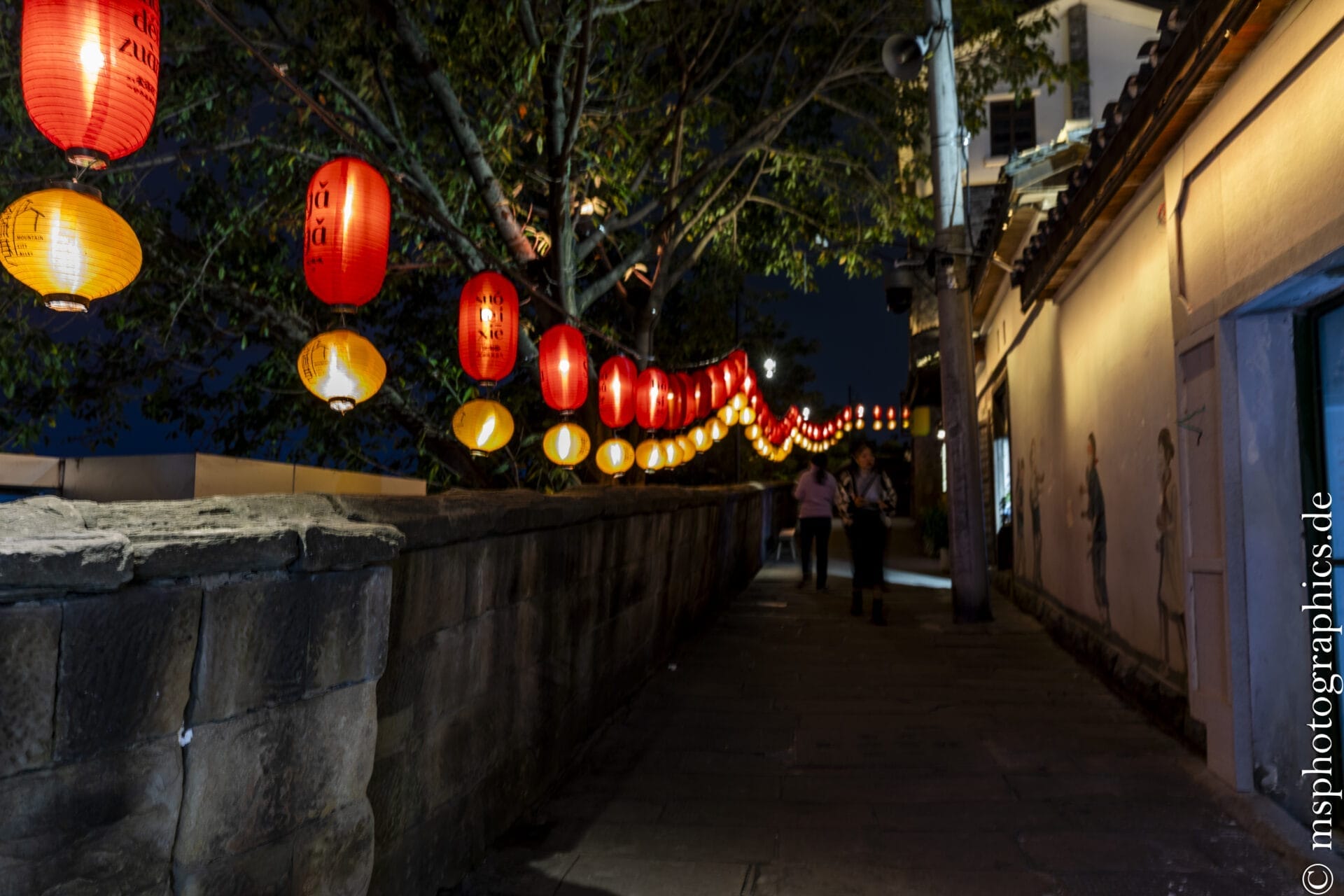
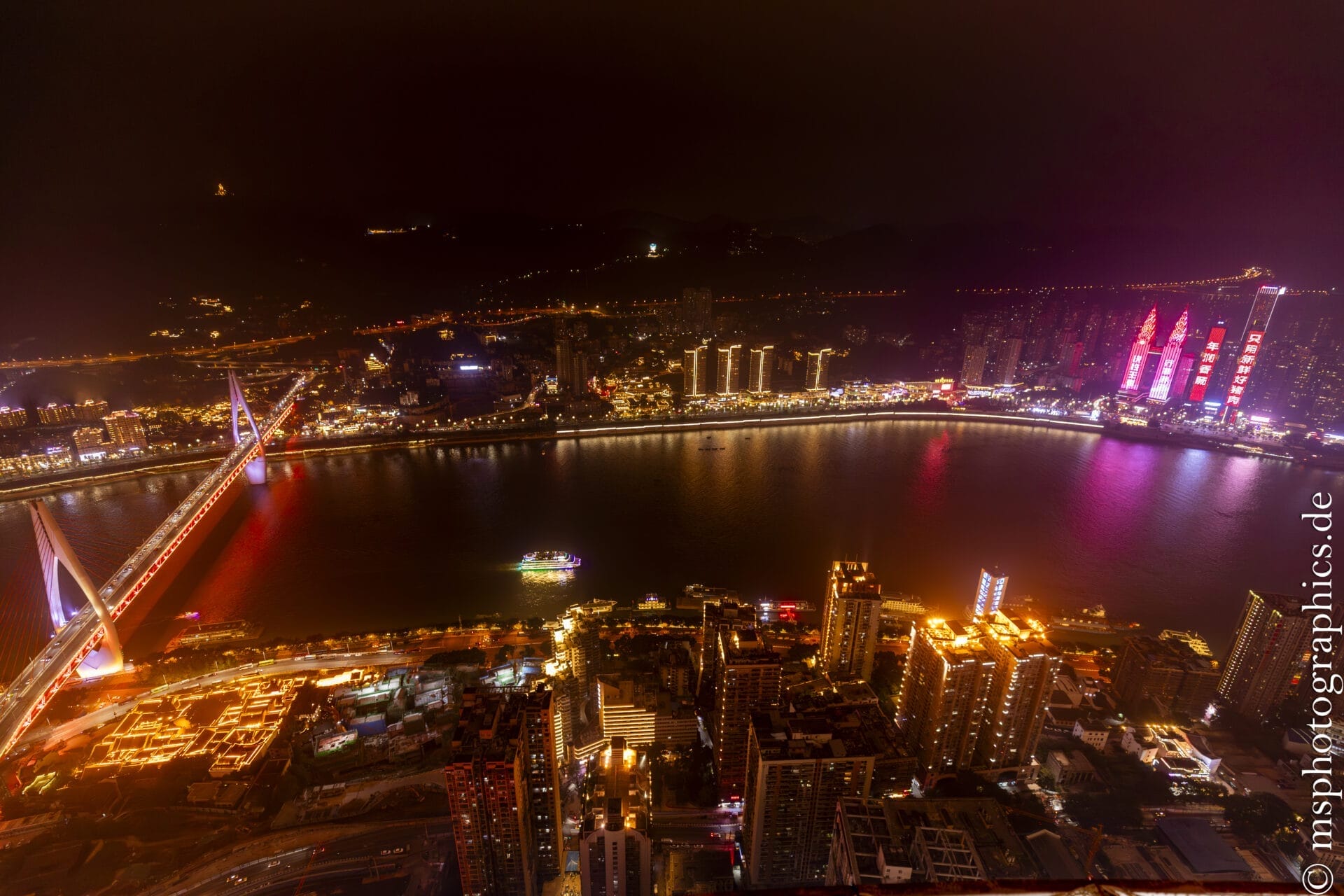
Yuzhong is the urban epicenter of Chongqing's nightlife. An exciting mix of food, light architecture, shopping, culture, and relaxation, nestled within a colonial street network and mountainous landscape.
Whether you sample street food stalls, enjoy rooftop drinks, or immerse yourself in immersive shows, the Sleepless Chongqing atmosphere is truly captivating. Evening tours are a must for travelers. Options include special city spots, festival visits, a photo walk with a night market visit, and much more.
Huguang Guild Hall in Chongqing – A treasure of migrant culture:
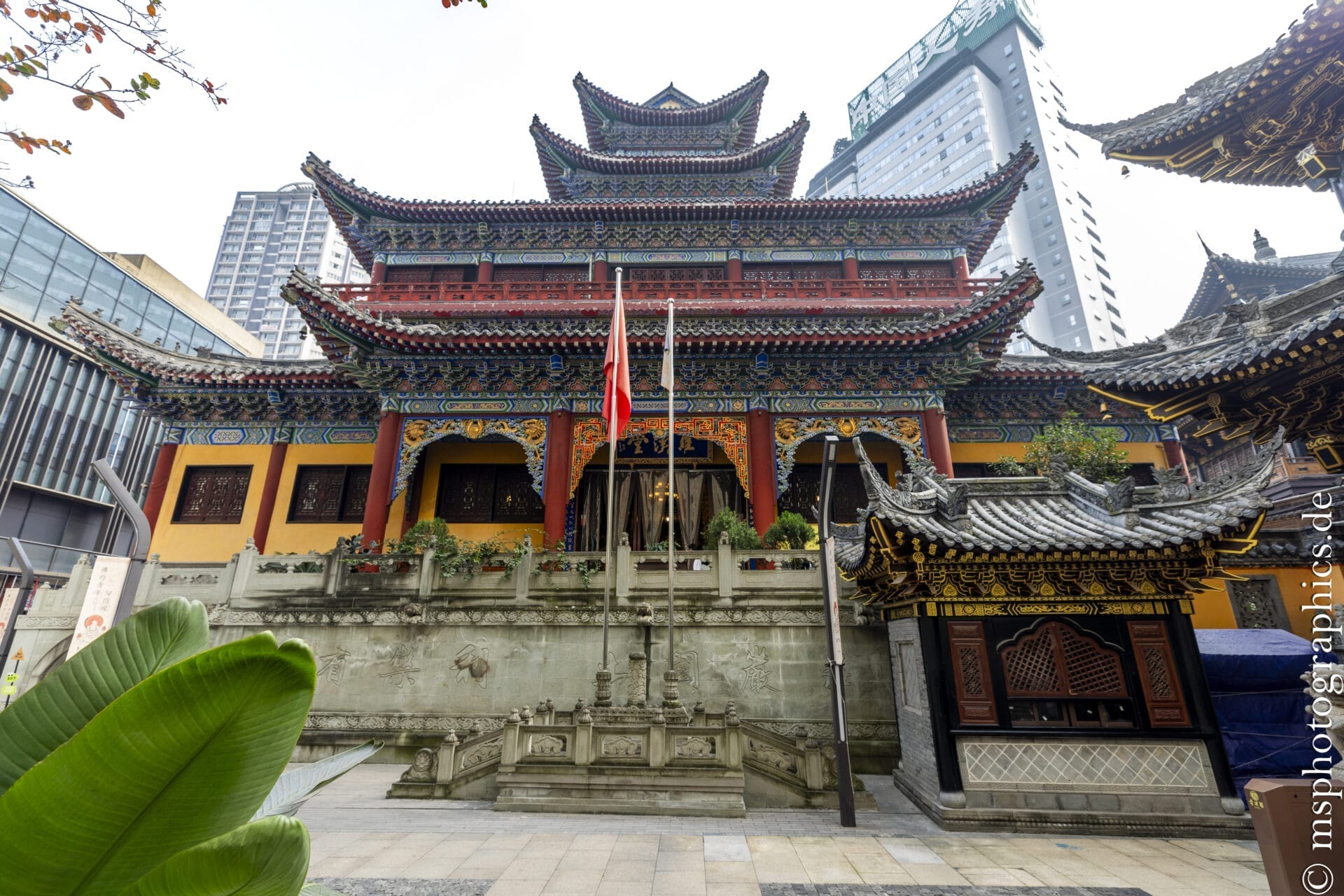
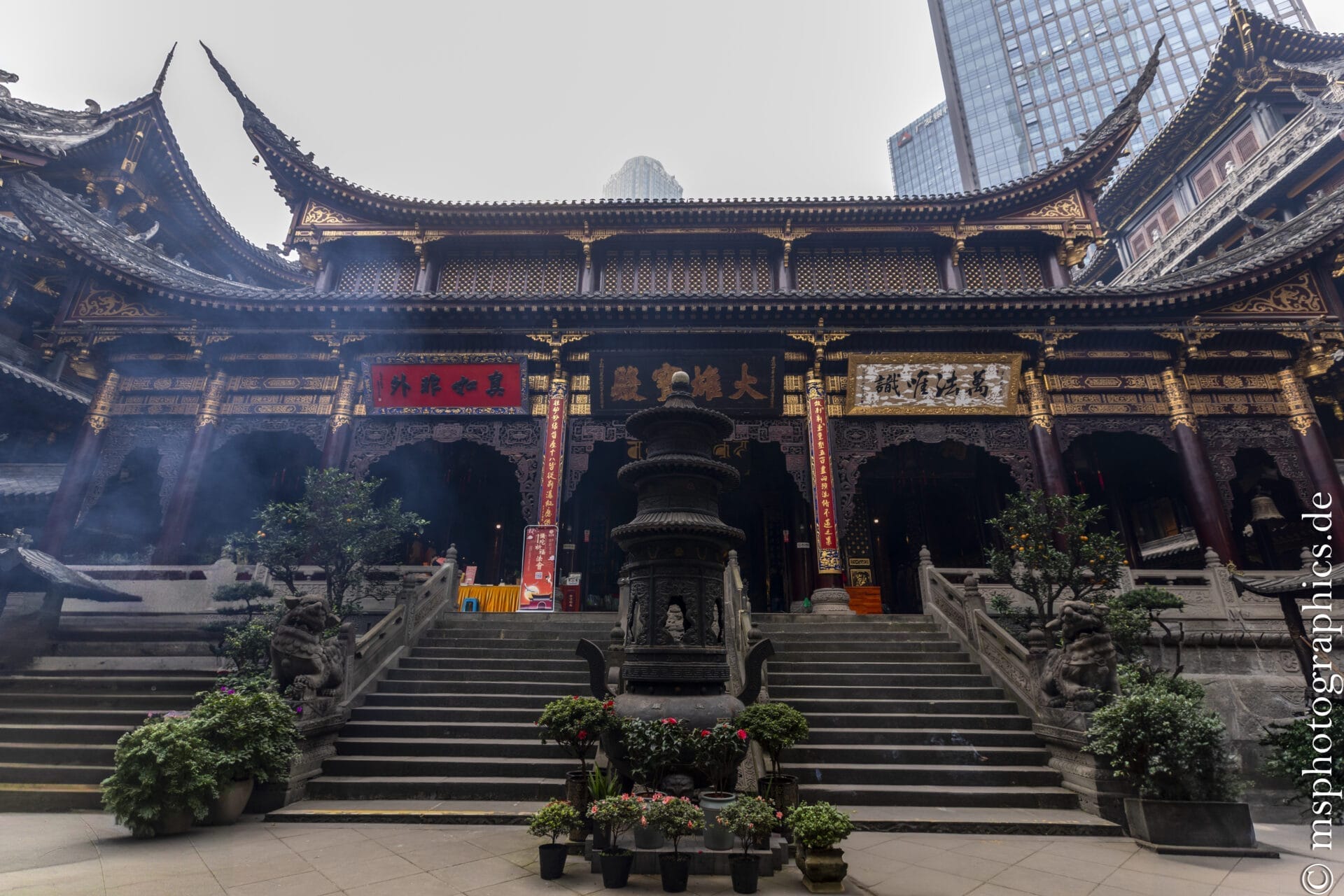
In the heart of Chongqing's Yuzhong District, directly on the banks of the Yangtze River near the historic East Water Gate (Dongshuimen), stands the impressive Huguang Guild Hall. It is an ensemble of magnificent wooden buildings, assembly halls, temples, and theaters, built in 1759 during the Qing Dynasty.
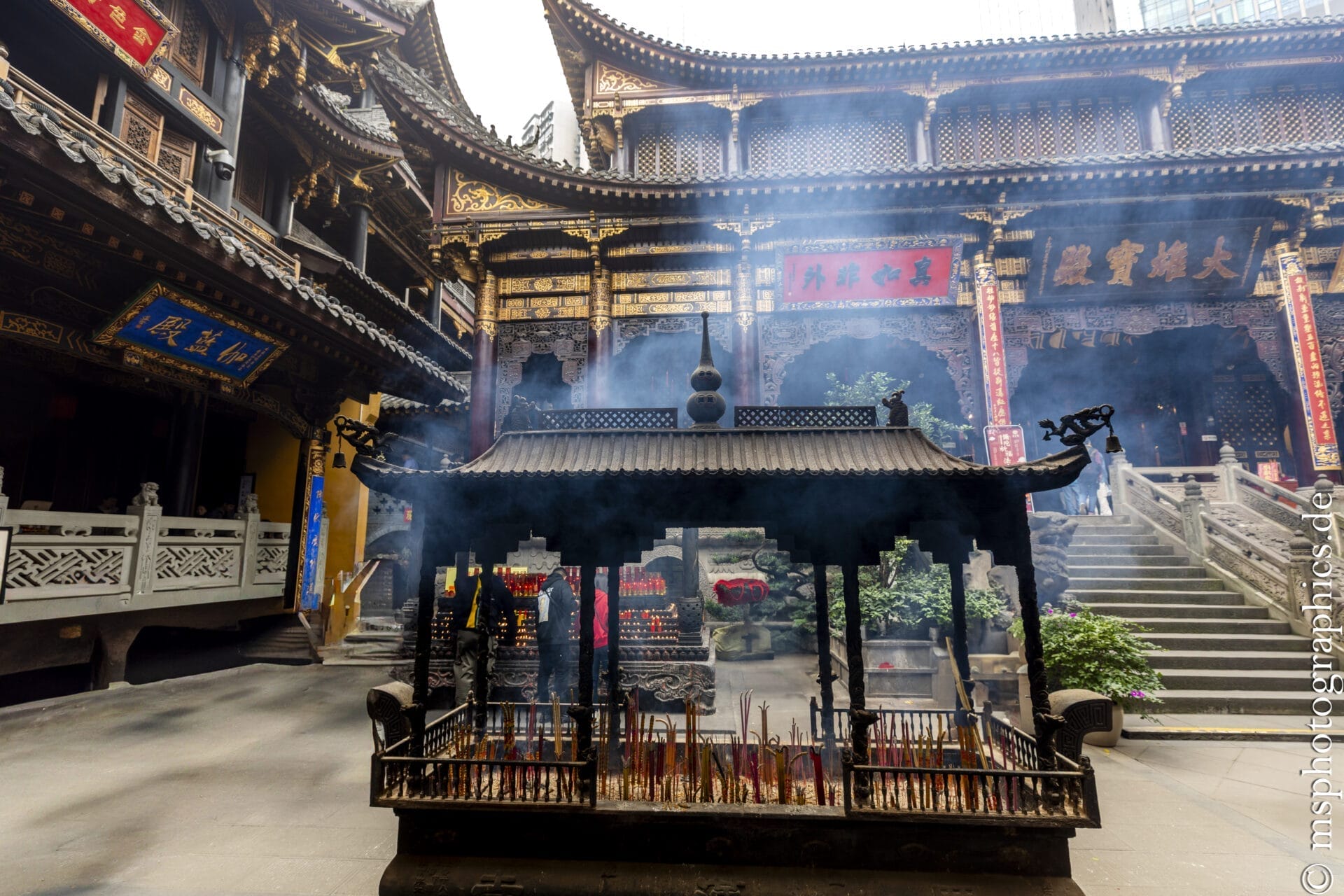

The Huguang Guild Hall is the largest of its kind in urban assembly halls. It was originally built by migrants from Hubei, Hunan, Guangdong, Guangxi, and Jiangxi provinces. These provinces are all places where the ancient "Huguang" region has been lived.
For centuries it served as a place of gathering, trade, religious ceremonies and cultural events during the great repopulation of Sichuan.
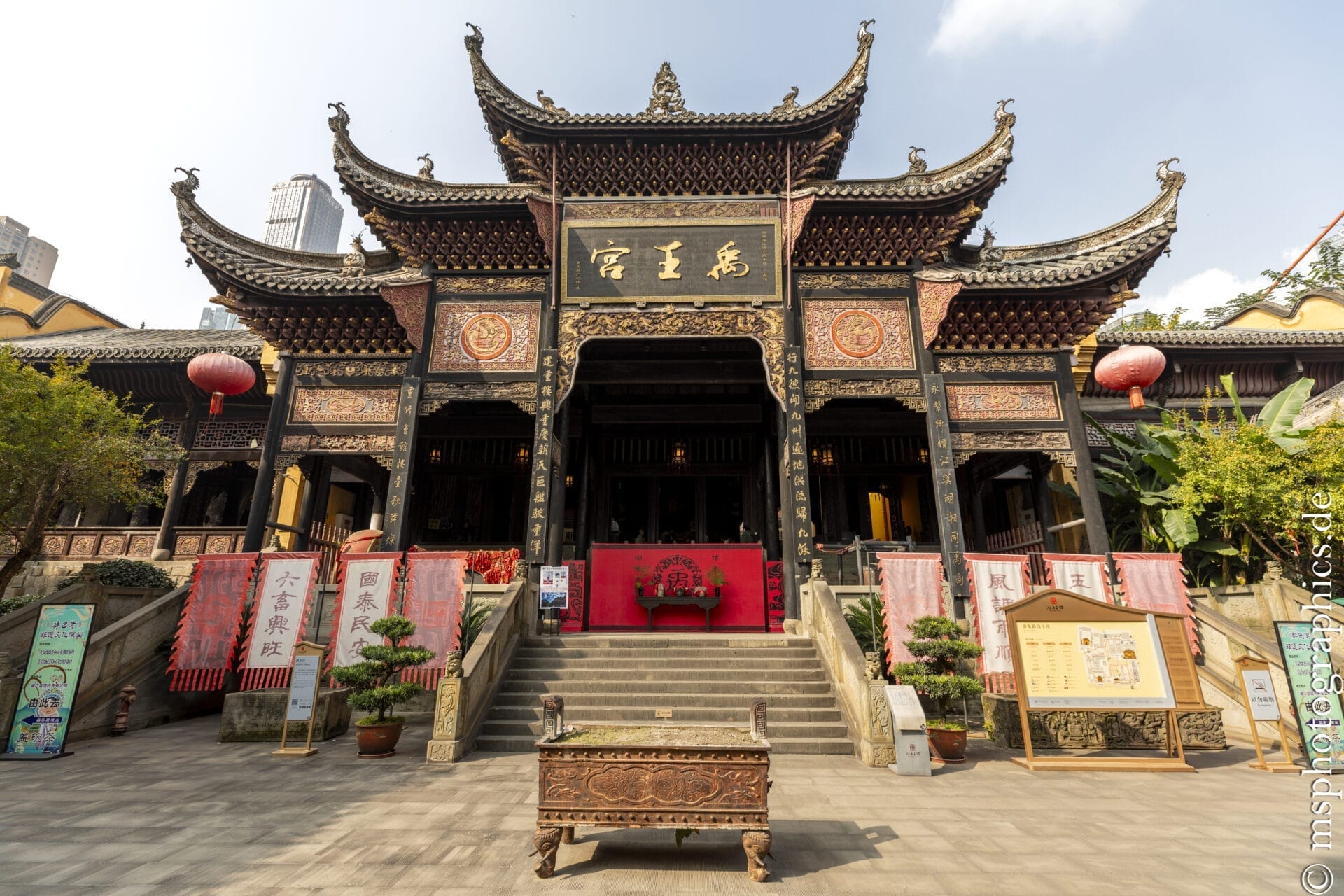
The Huguang Guild Hall is a living link between past and present, a microcosm of migration, community, culture, and architecture. It embodies not only China's historical depth but also the human quest to preserve one's roots.
Traveling along Line 2 – Chongqing’s Monorail:

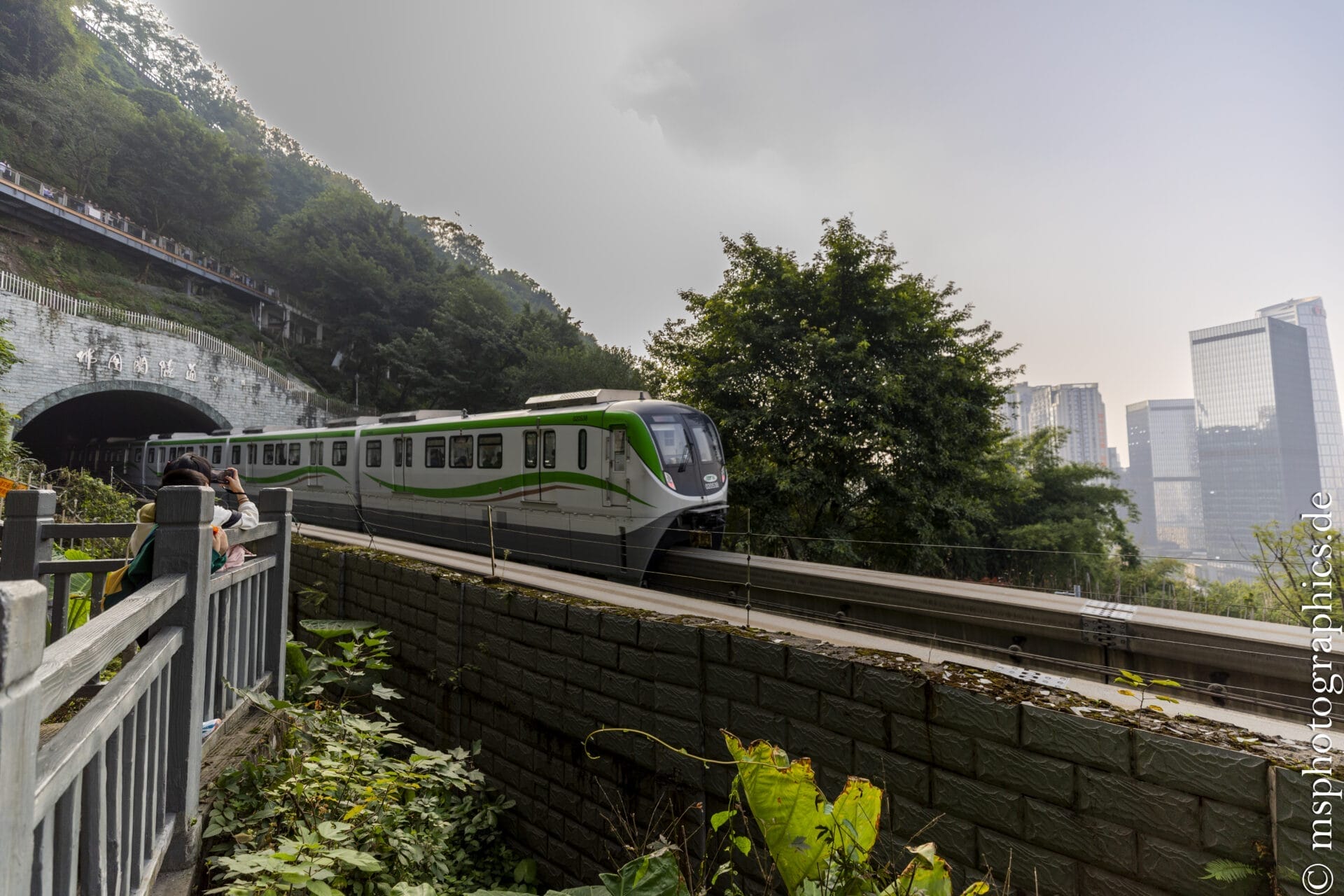
We spend the last morning walking along Line 2, Chongqing's spectacular monorail. Near the most famous station, Liziba, there are beautiful, wooded hiking trails along the monorail route. Here, the balance between culture and modern metropolis is most clearly visible.
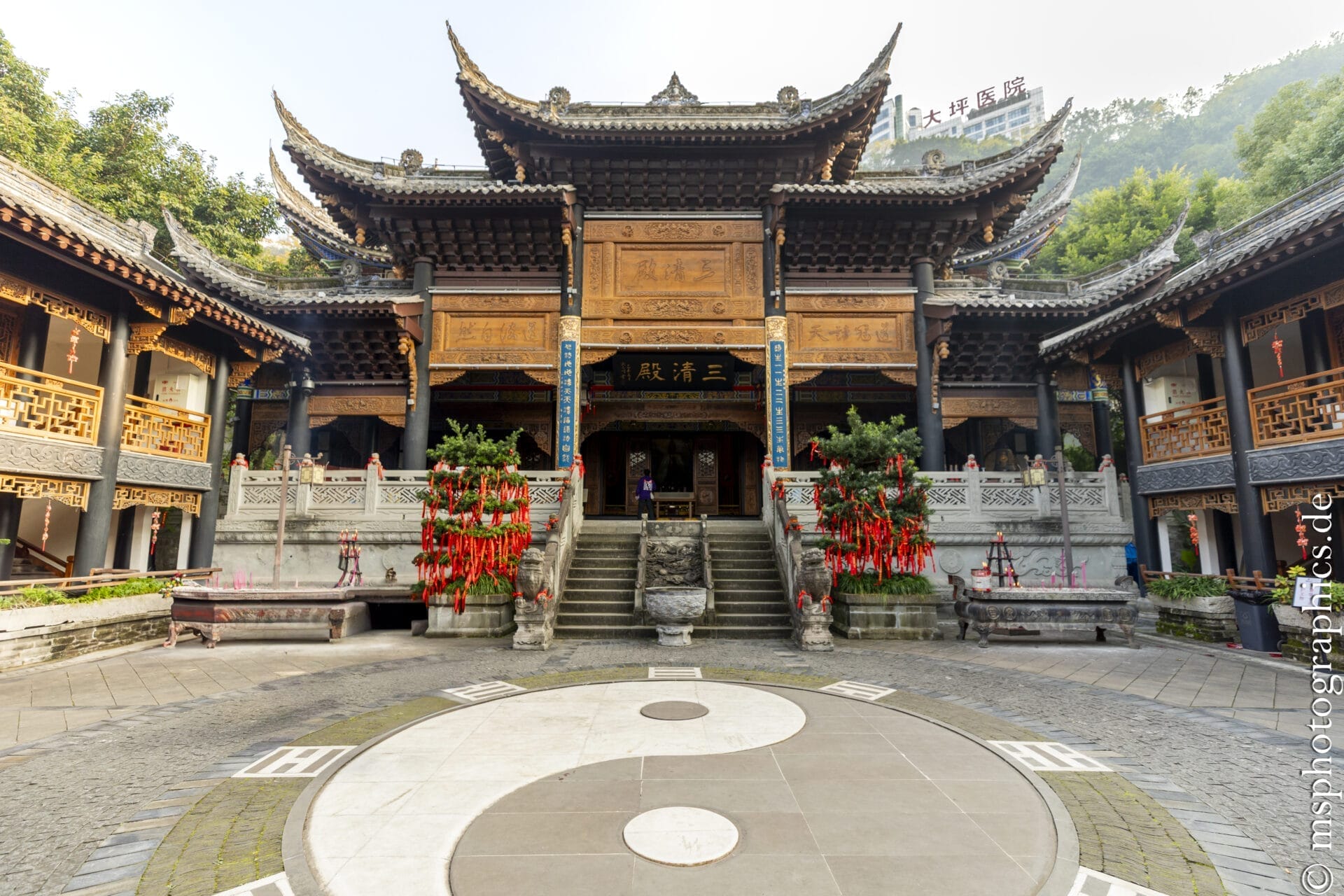
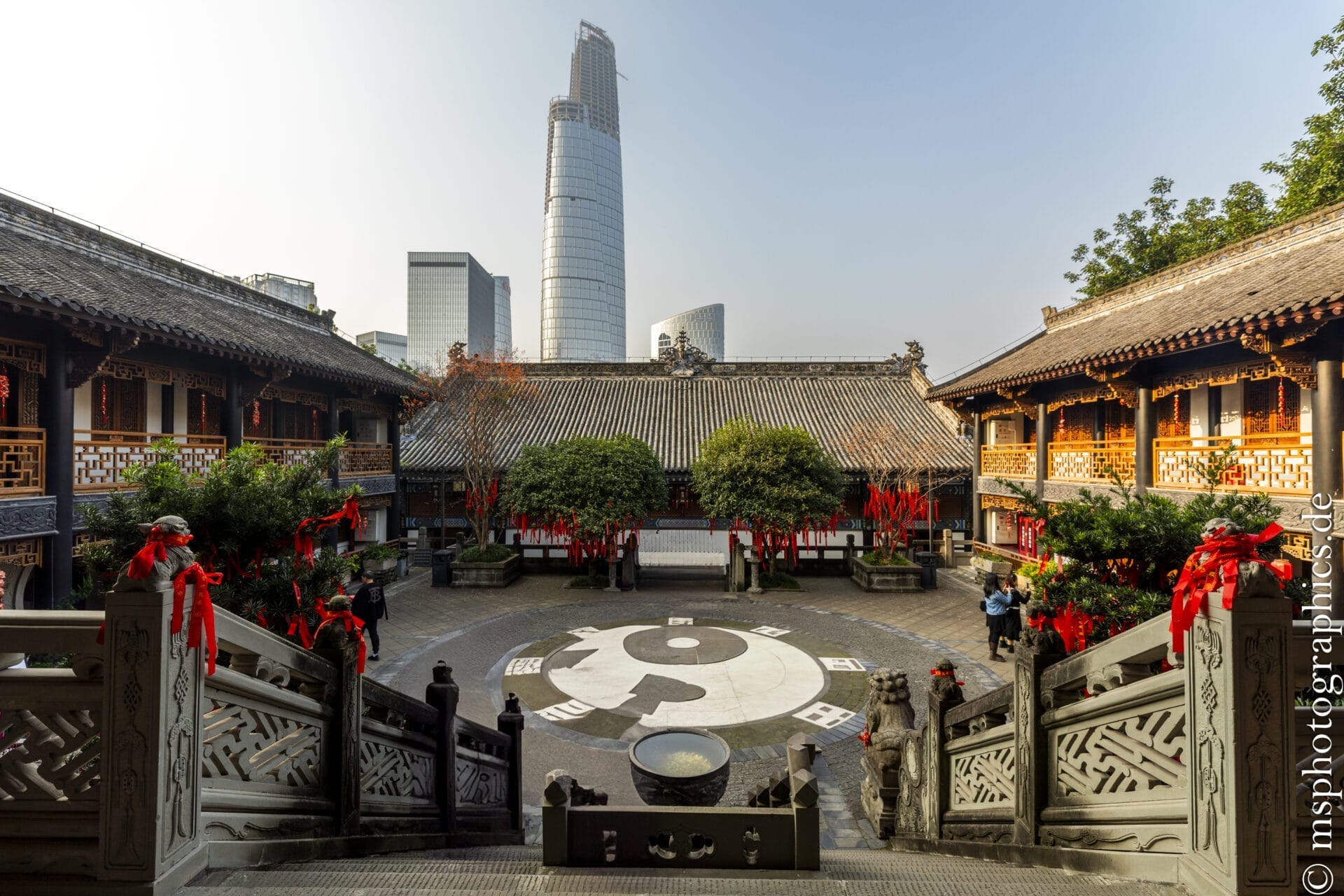
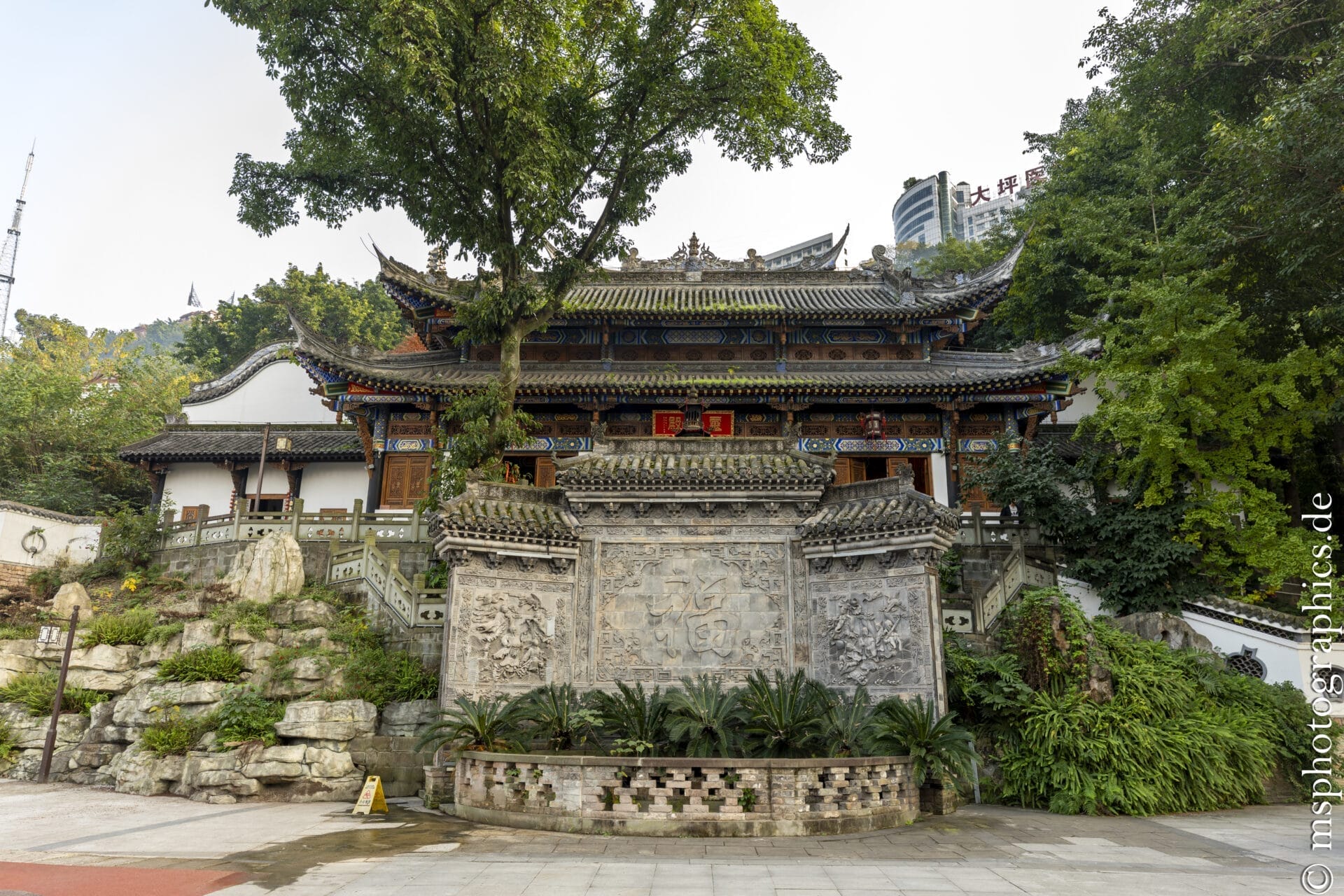
Between the modern high-rise buildings we find a small, quiet temple complex.
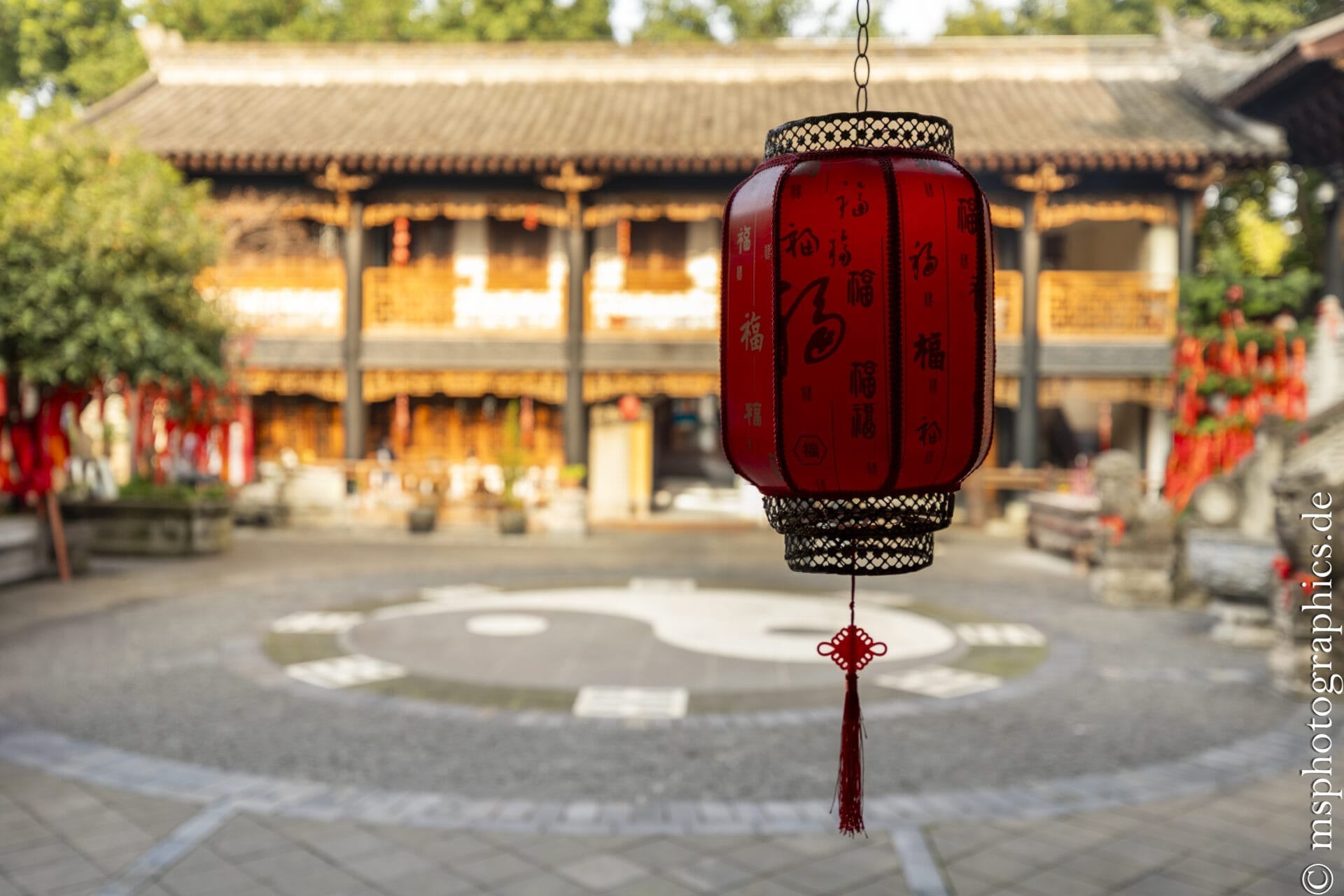
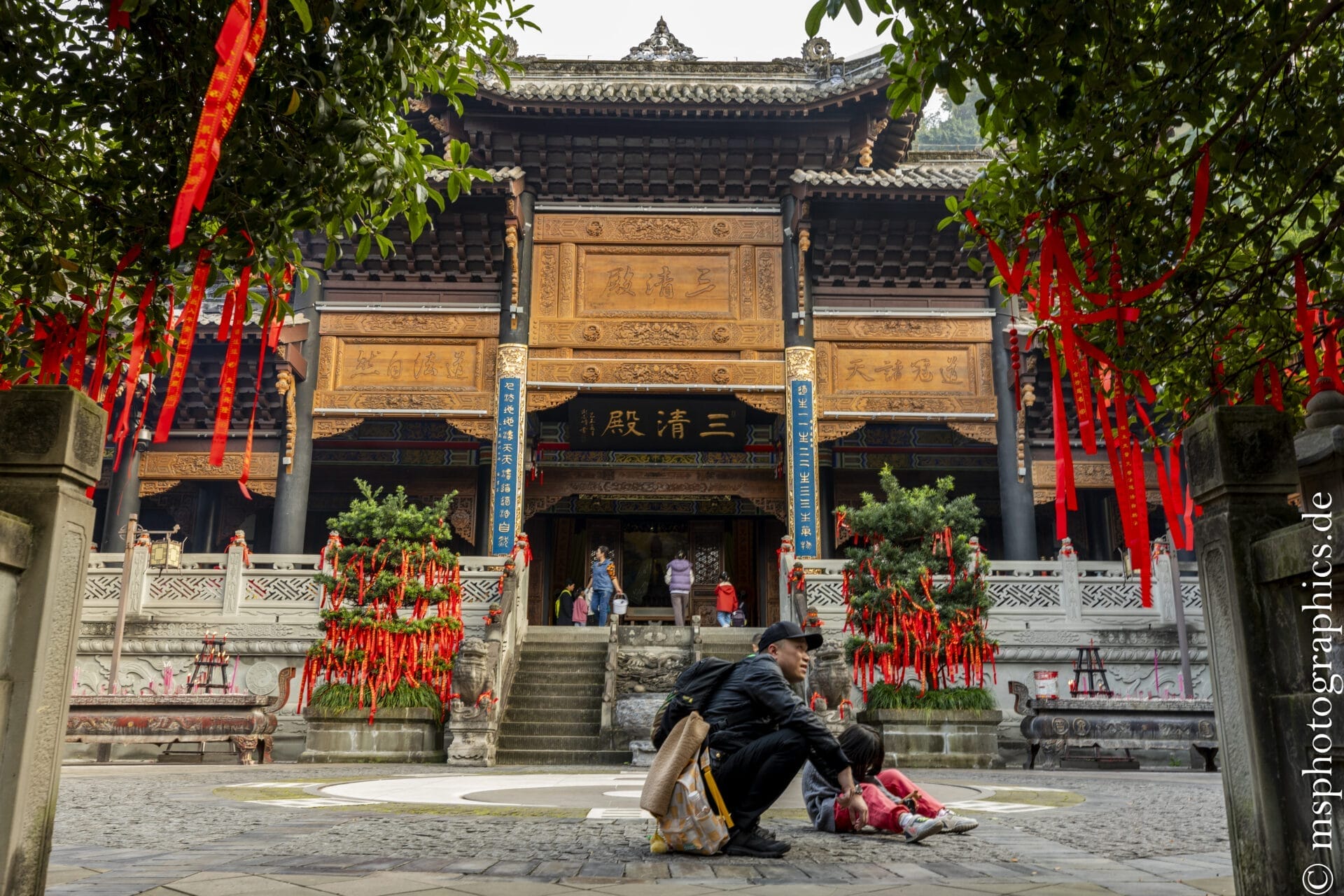
In addition to the opportunity to pray, the courtyard also offers a cozy café where you can enjoy the peace and relaxation even more. It's an ideal place to reflect on the experiences of the past few days.
After a short break and a little refreshment, we head back towards the center and our accommodation.
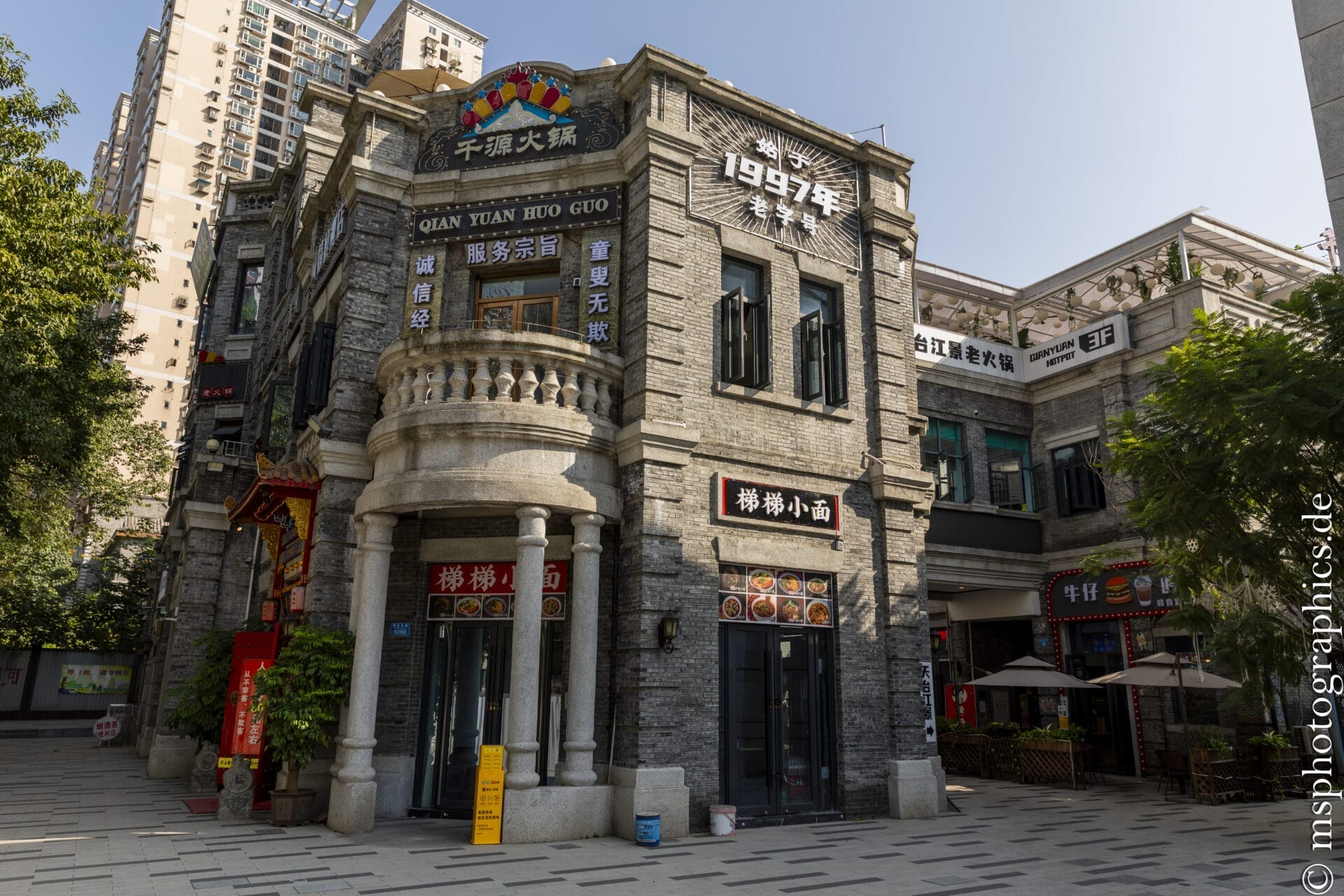
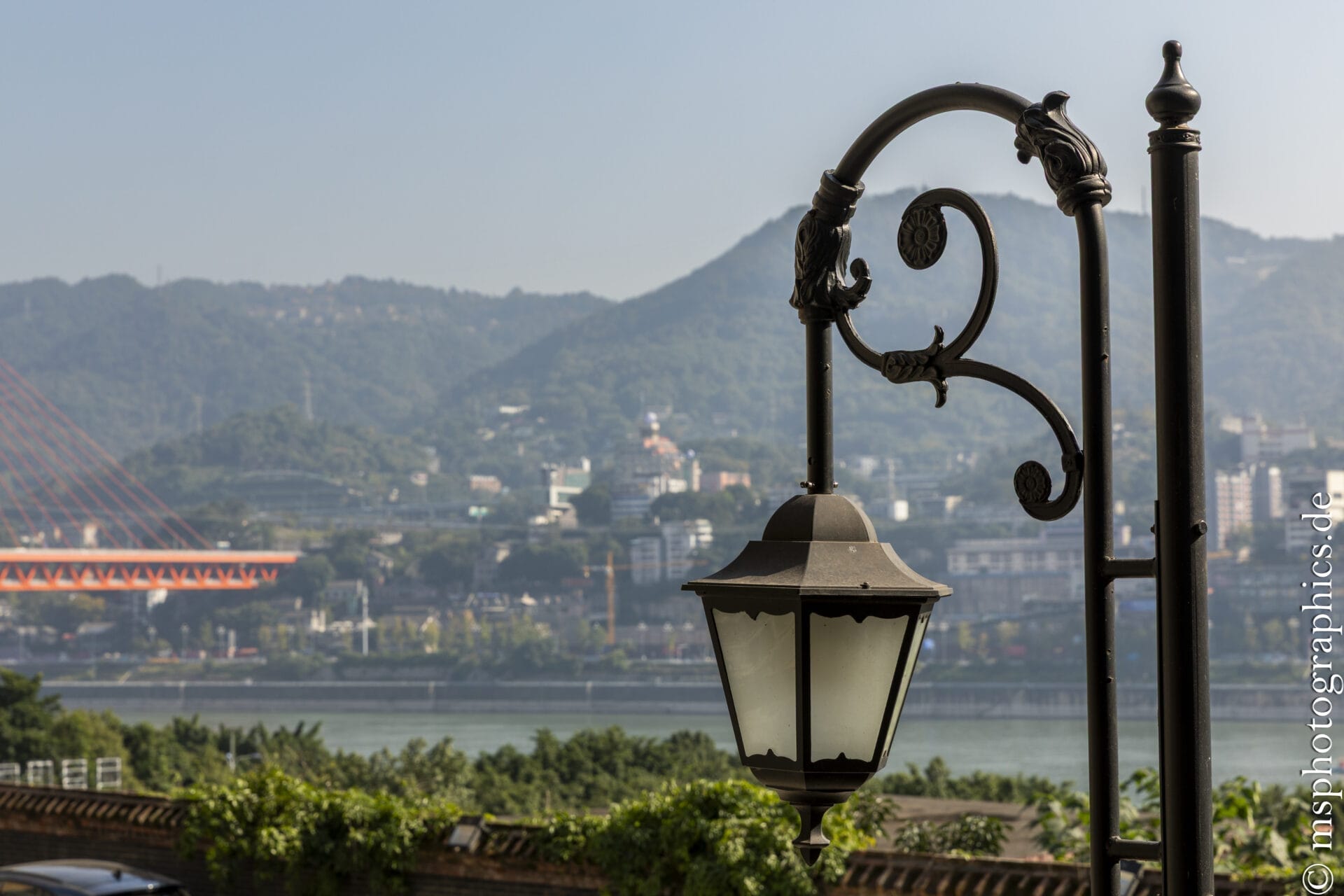
After a final walk through the streets of Chongqing, it's time to pack our bags again and fly back to Beijing.
Conclusion:
After four intense days in Chongqing, the most lasting impression is of a city that not only embraces contrasts, but celebrates them. From the futuristic monorails gliding through skyscrapers to centuries-old temples like the Baolun Temple in Ciqikou, Chongqing combines past and future in a unique way.
The historic alleys of Ciqikou, the bustling nightlife of Yuzhong District, the majestic cable car over the Yangtze River, and the tranquil view of the city from Fotuguan. All of this demonstrates how multifaceted Chongqing is. Particularly impressive is Metro Line 2, which not only serves as a means of transportation but almost feels like a guided tour through the most important sights.
Those who visit Chongqing discover not just a city, but a way of life. Between steaming hotpots , neon lights at night, and steep staircases through a three-dimensional urban landscape, you can sense the energy and authenticity of a region that has remained true to itself while still keeping pace with modernity.
Four days are not enough to see everything, but they are enough to get to know the unique character of the city of Chongqing.
This report is part of my series China travel reports – there you will find an overview of all regions.
0 Comments