

From Qingdao via Yantai and Weihai to Dalian:
For our coastal tour of Shandong and Dalian, we first travel from Beijing to Qingdao by train. The coast of Northeast China is rich in history, culture, and scenic beauty – a mosaic of colonial heritage, maritime atmosphere, and modern dynamism.
This eight-day journey takes you along the picturesque Shandong Peninsula and across the Yellow Sea to the port city of Dalian, a cultural melting pot in the far south of Liaoning Province.
Arrival in Qingdao:

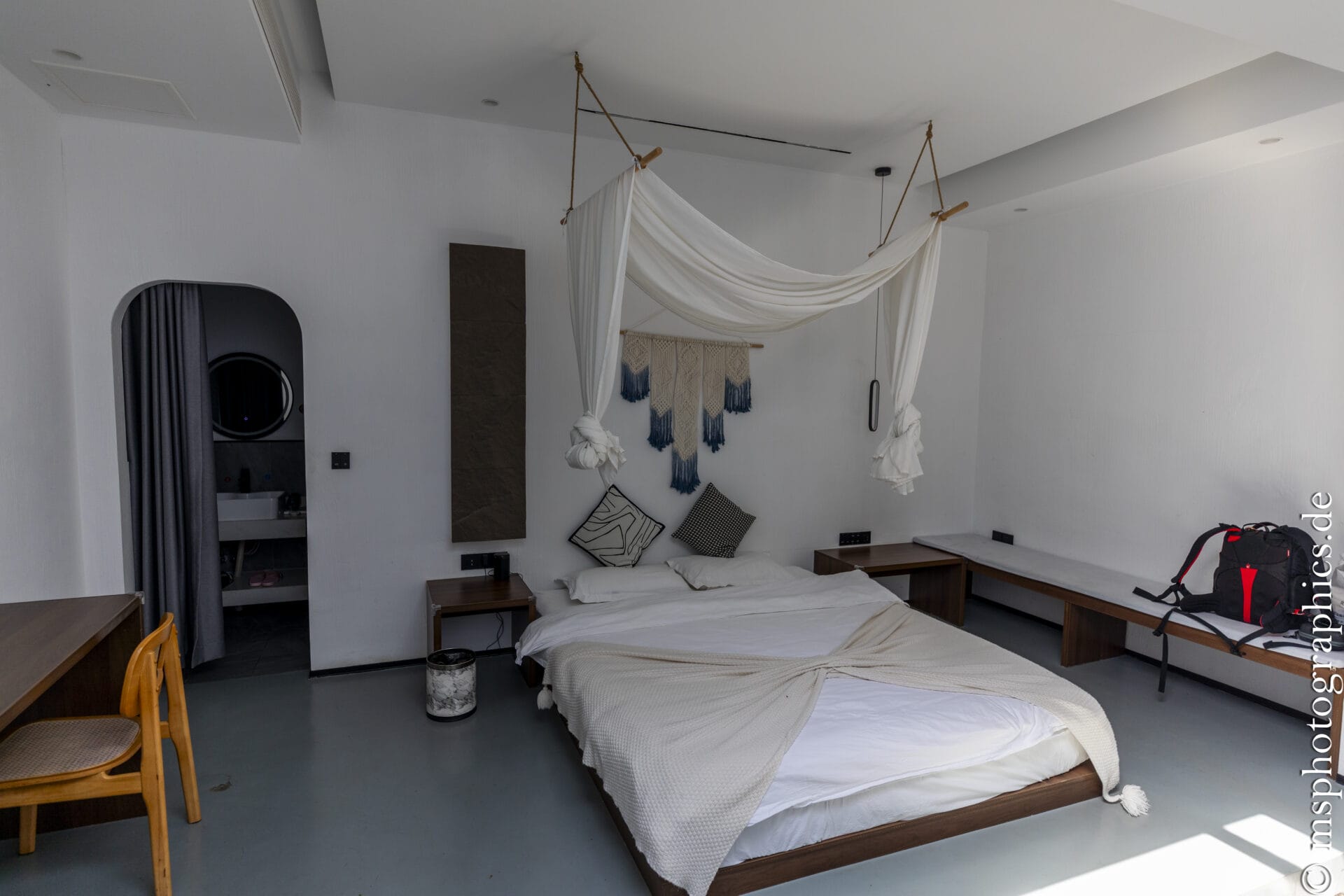
From the train station in Qingdao we take the subway towards LaoShan National Park and then a taxi to our accommodation in the fishing village of Qingshancun.
Qingshancun – The unspoiled fishing village beneath the cliffs of LaoShan:
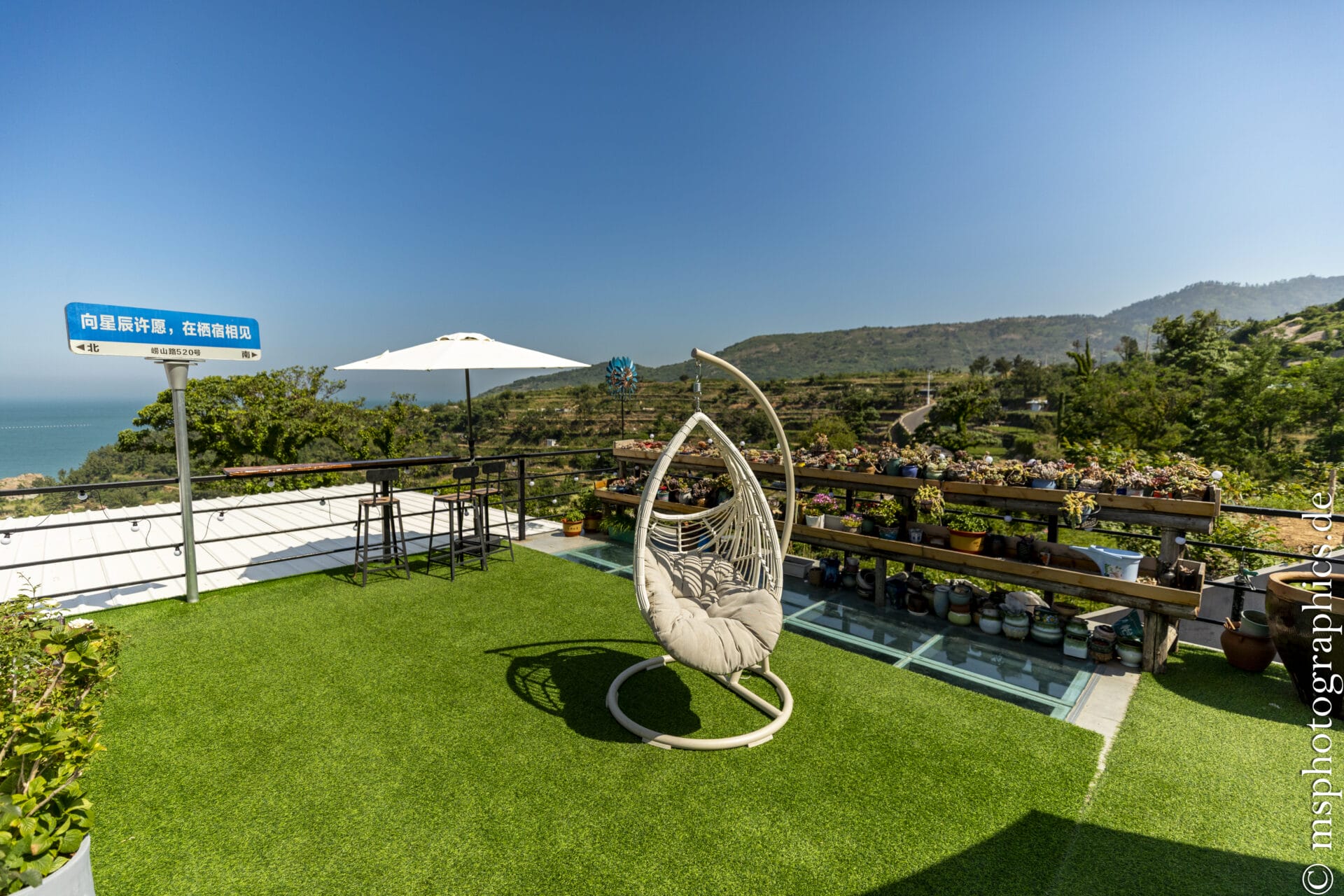
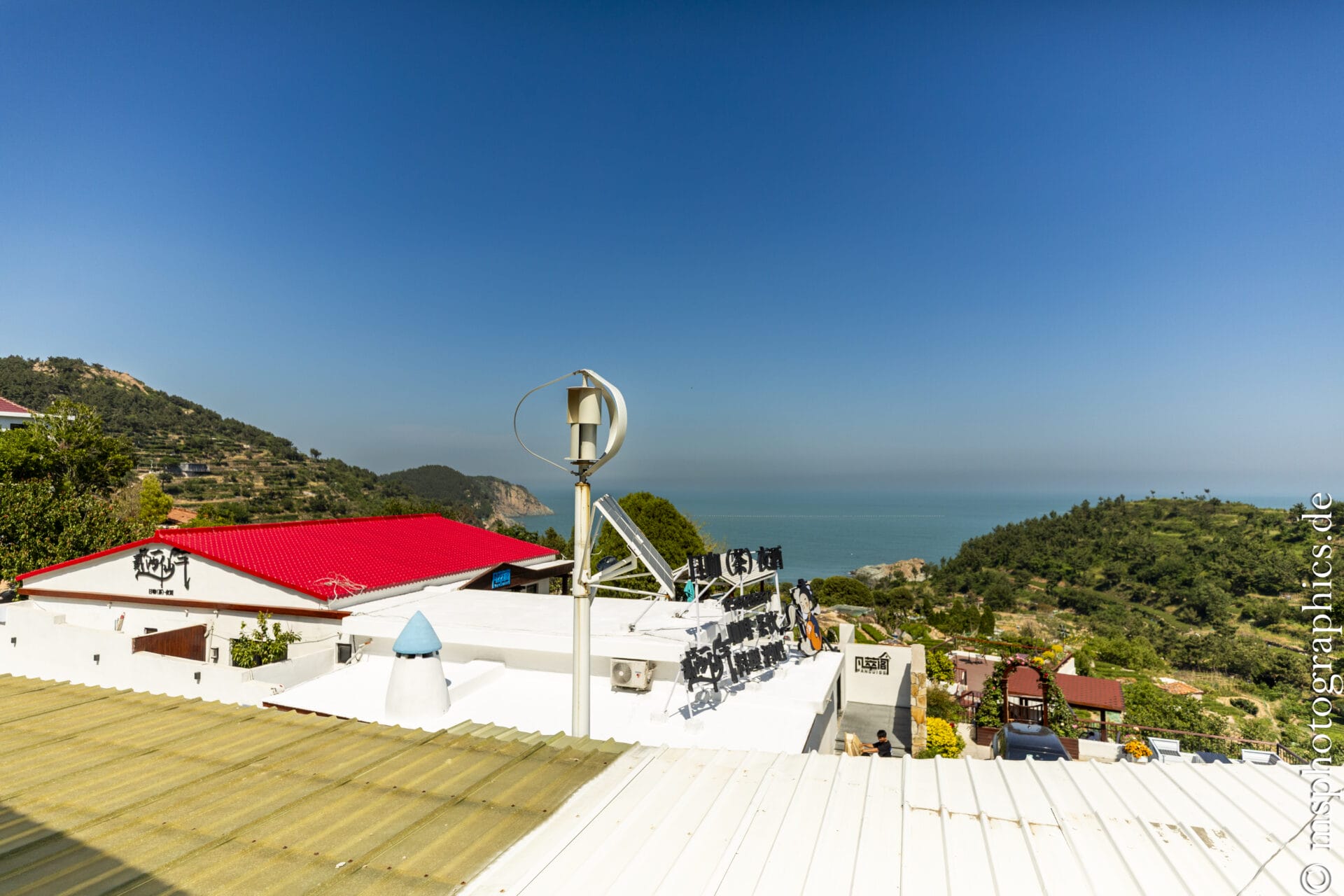
Qingshancun, often referred to as the “Qingshan Fishing Village ”, is picturesquely situated between the green peaks of the LaoShan massif and the blue coast of the Yellow Sea. Nestled in the eastern LaoShan region, about three Kilometers away from the famous Taoist temple Taiqinggong, the village impresses with its idyllic location.
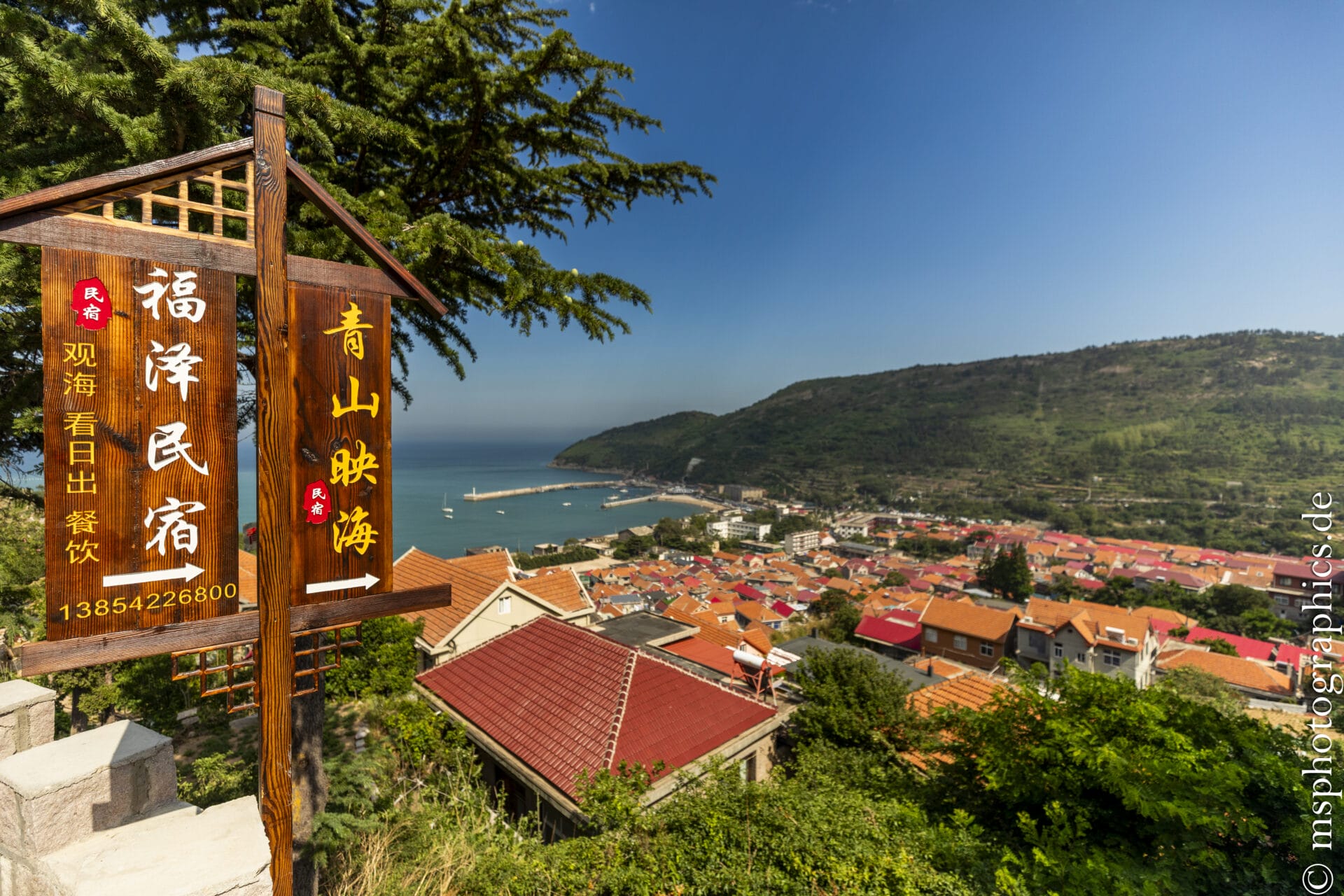
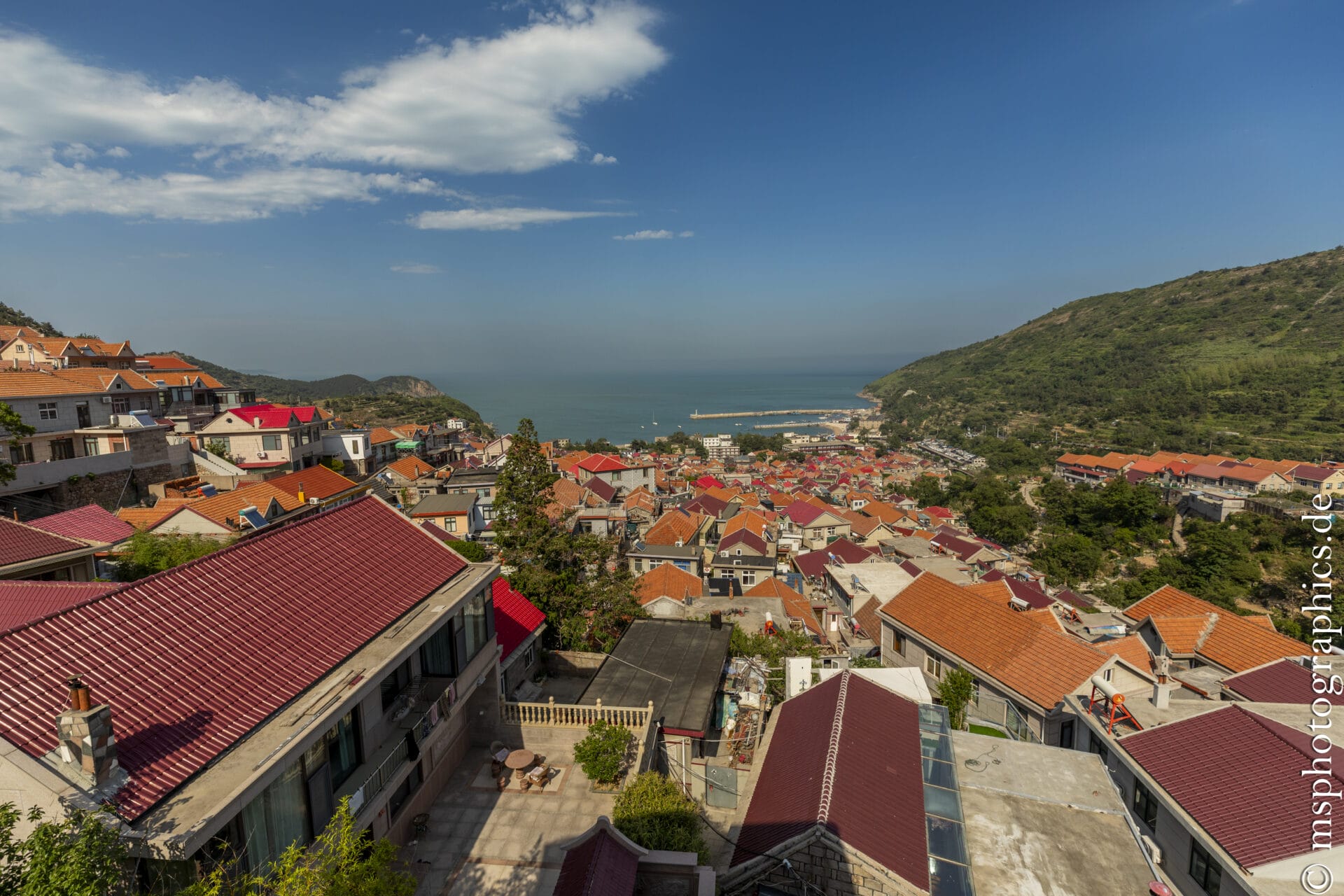
The village was founded in the Ming Dynasty during the reign of Emperor Wanli, when immigrants from southern China established a new settlement here. It now looks back on a history spanning around 600 years.
Qingshancun has been part of China's first association of traditional protected villages since 2012. The stone bridges, historic stone sculptures, and paths along winding alleys provide a direct glimpse into traditional village life.
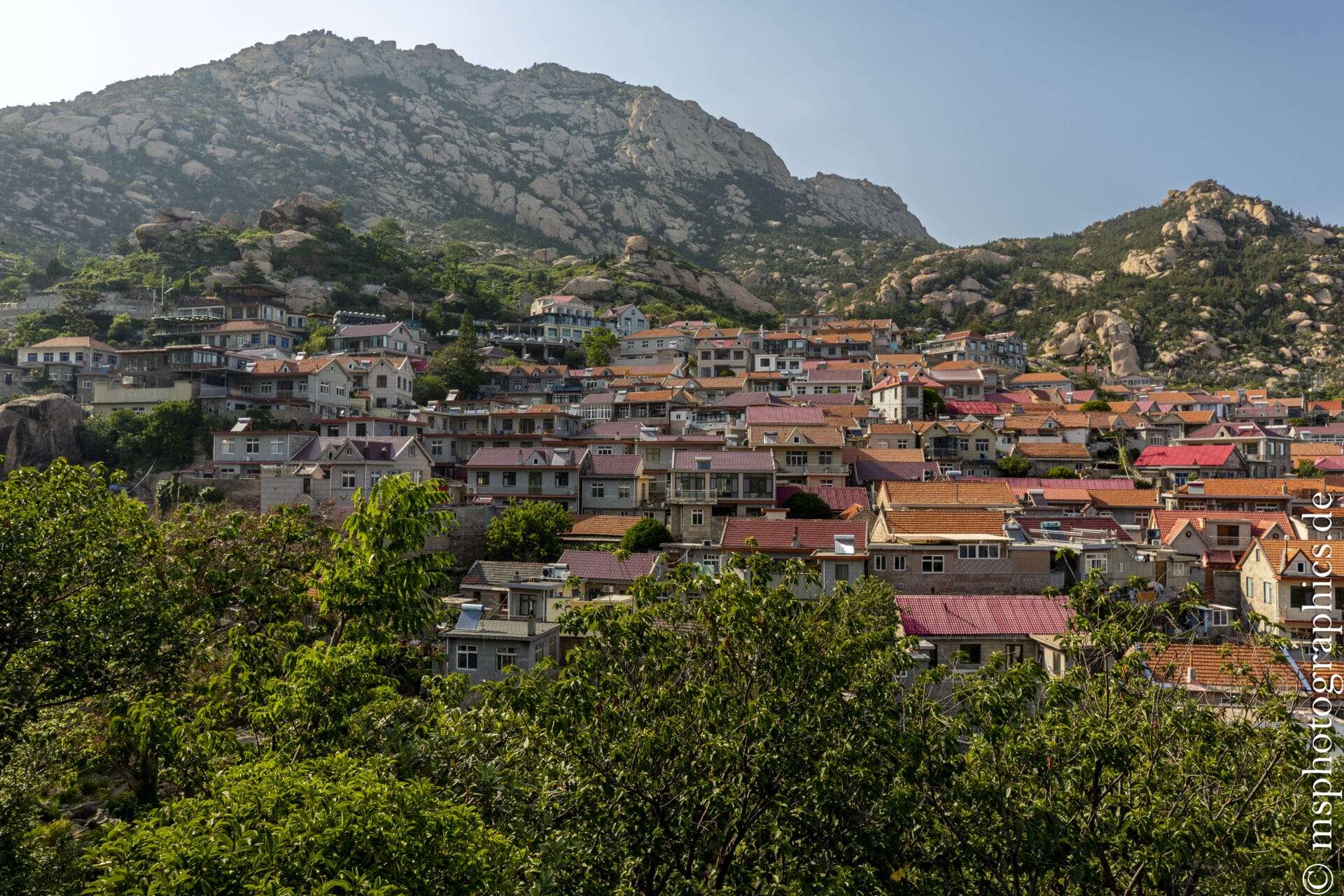
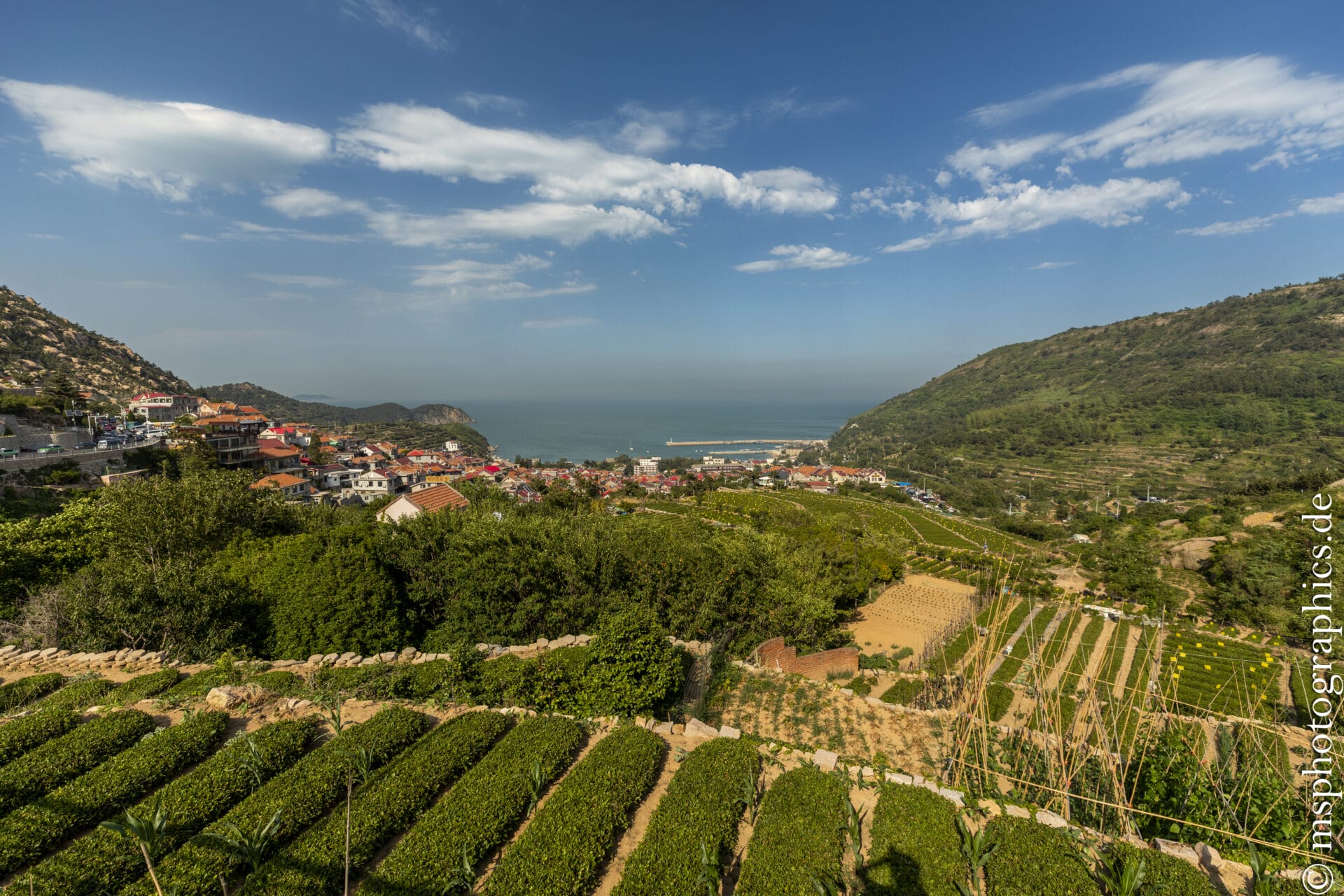
The traditional architecture is characterized by red-tiled roofs and simple stone houses that line the slope down to the sea in terraced lines. Characteristic are the narrow stone paths—in some sections barely wider than a foot—that wind through the village, creating a unique atmosphere.
Green tea fields stretch out all around, while the view of the open sea is a dreamlike experience. Together, these elements create an impressive panorama of mountains, terraces, the village, and the coast. A true landscape composition.
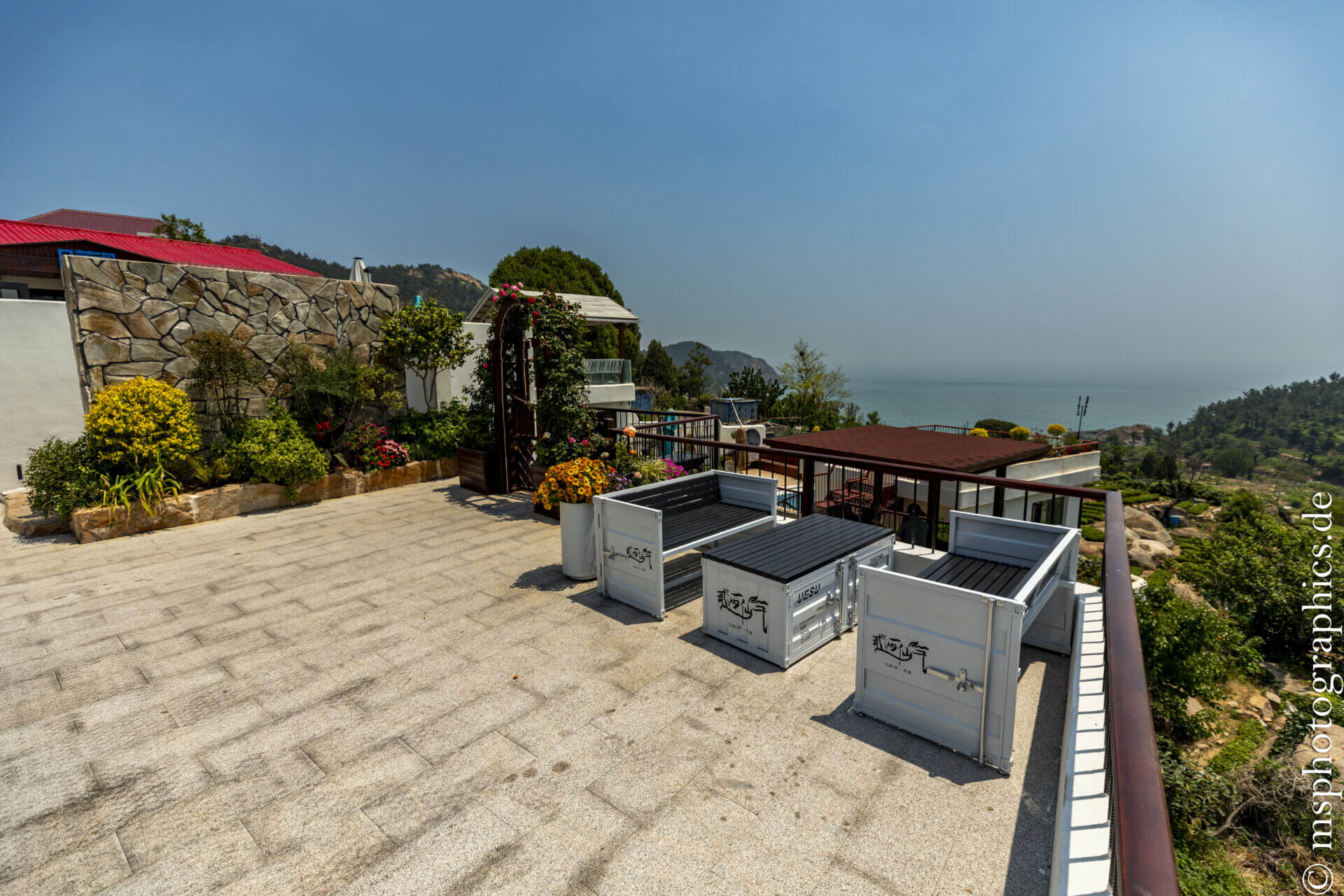
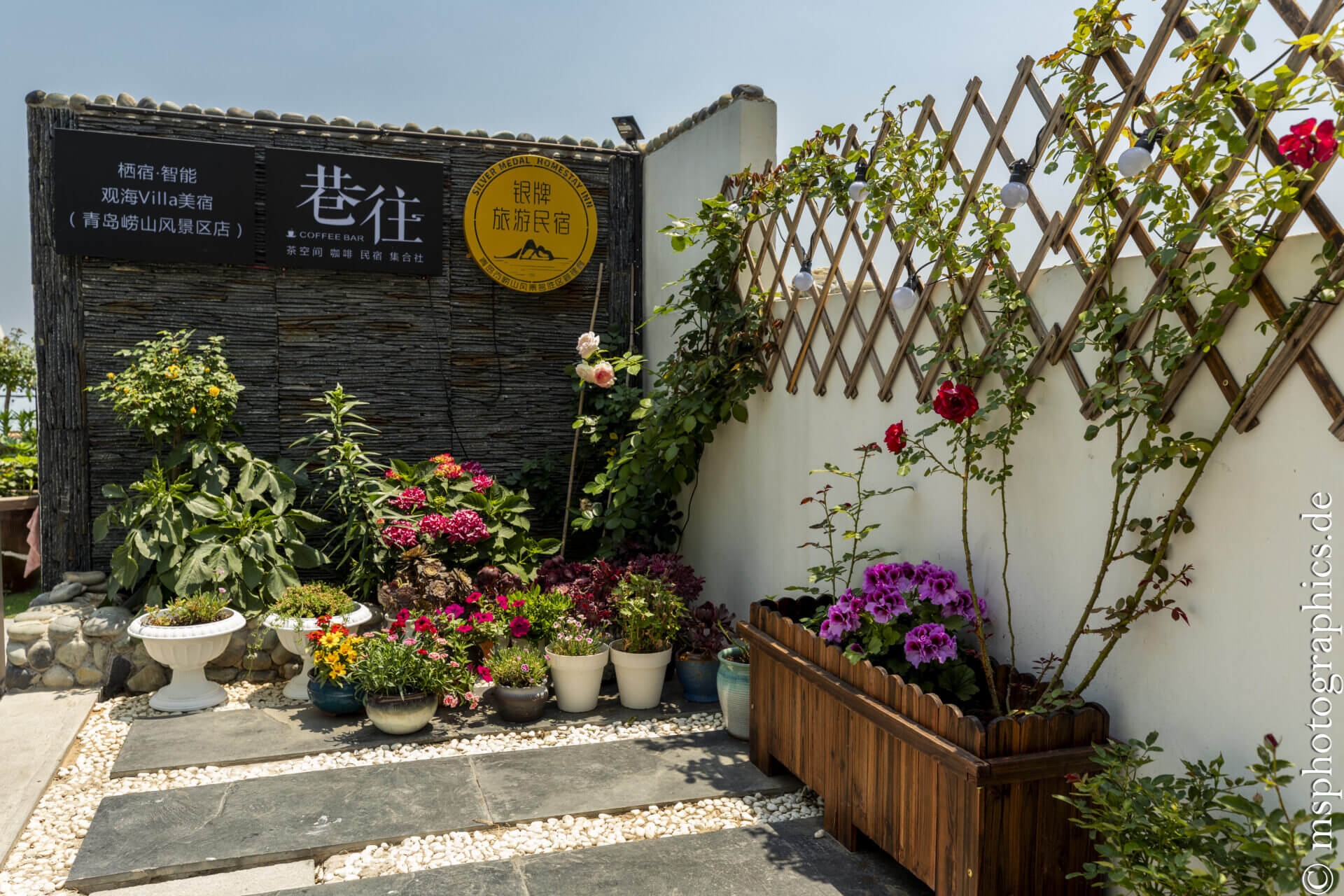
Qingshancun is more than just a pretty photo opportunity. The village is a living testimony to traditional fishing culture and a way of life close to nature.
Nestled in a spectacular landscape of peaks, tea fields, pebble beaches, and fishing boats, it invites you to pause and reflect. Visitors here experience not statistics and concrete settlements, but history, a sense of home, and harmony between people and nature.
Along Teiping Bay in Qingdao:
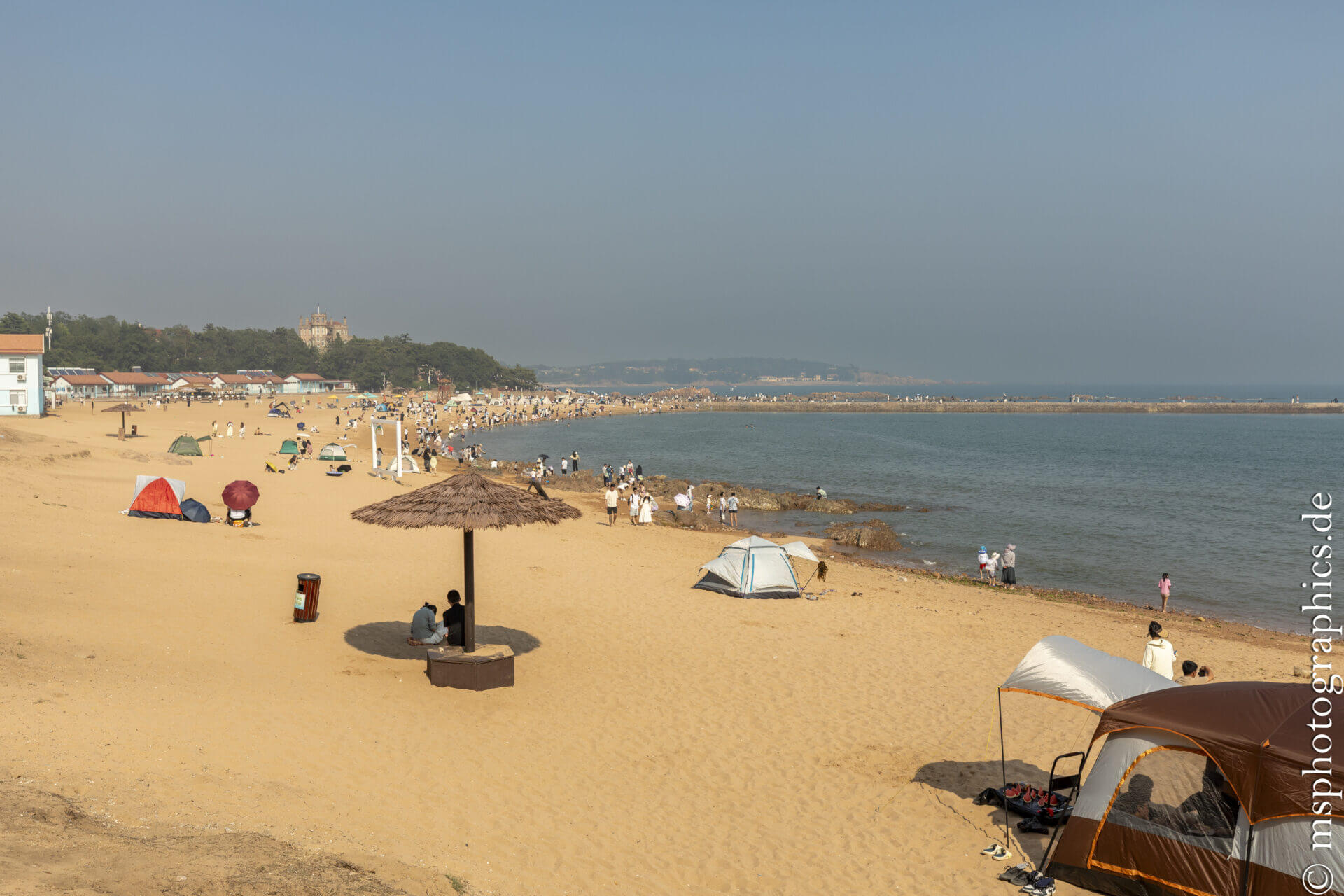
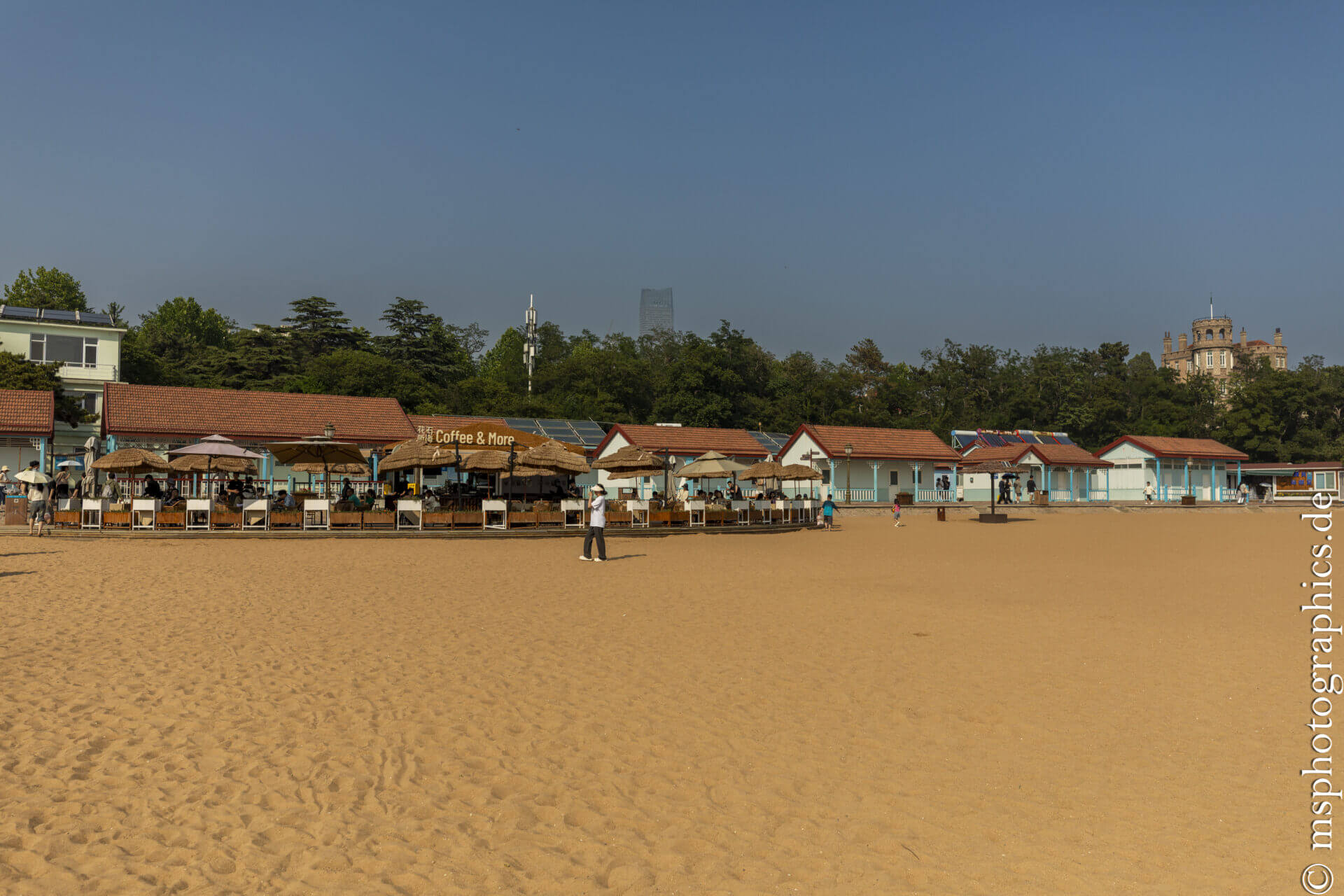
Teiping Bay is located in the southern part of Qingdao near the Taipingjiao Peninsula. It is nestled between striking cliffs, coniferous forests, and historic residential areas.
Originally known as “Ludou Island”, it was formed into a peninsula at the end of the 19th century and was given the name “Taiping” — peace and harmony — after China reclaimed Qingdao.
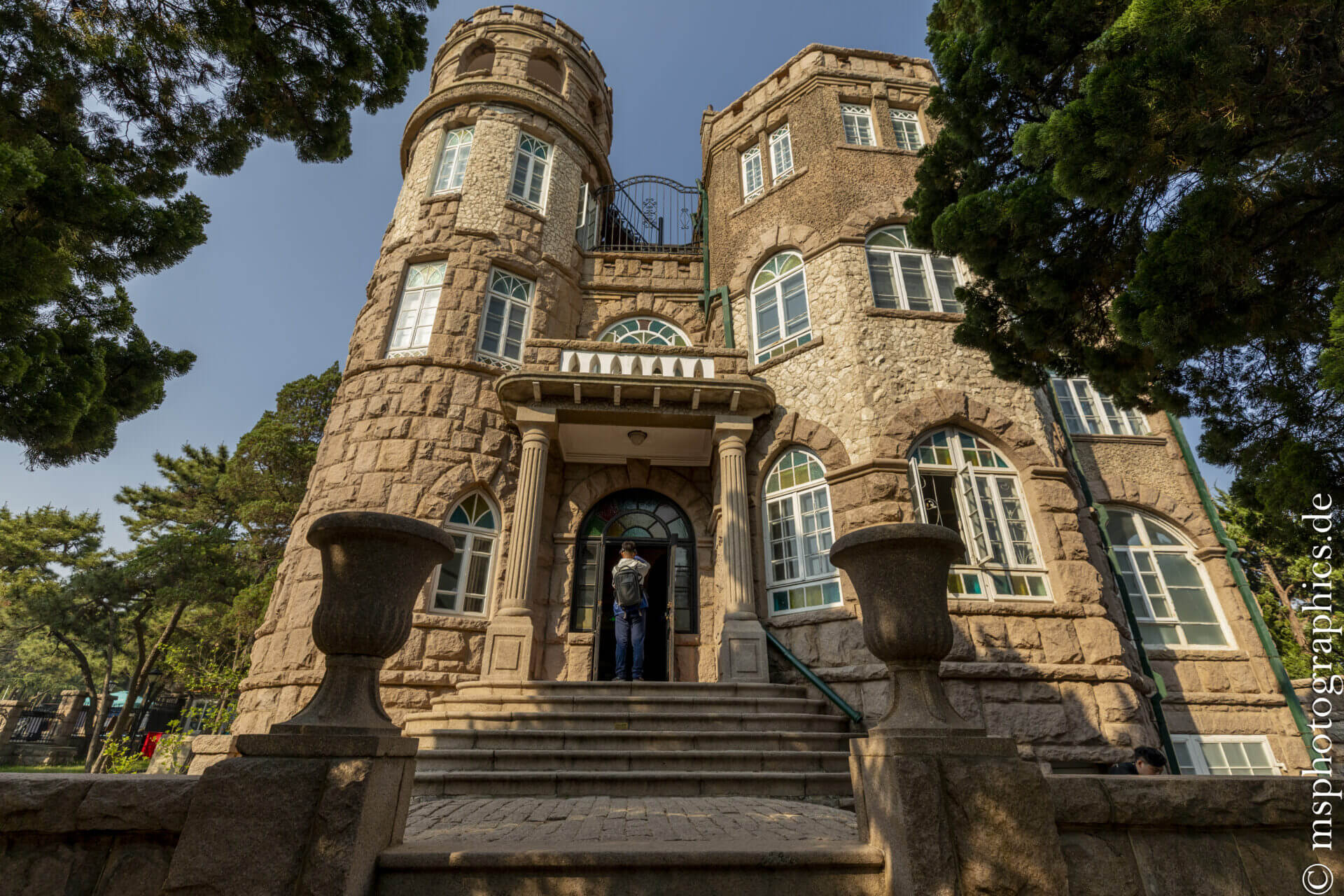
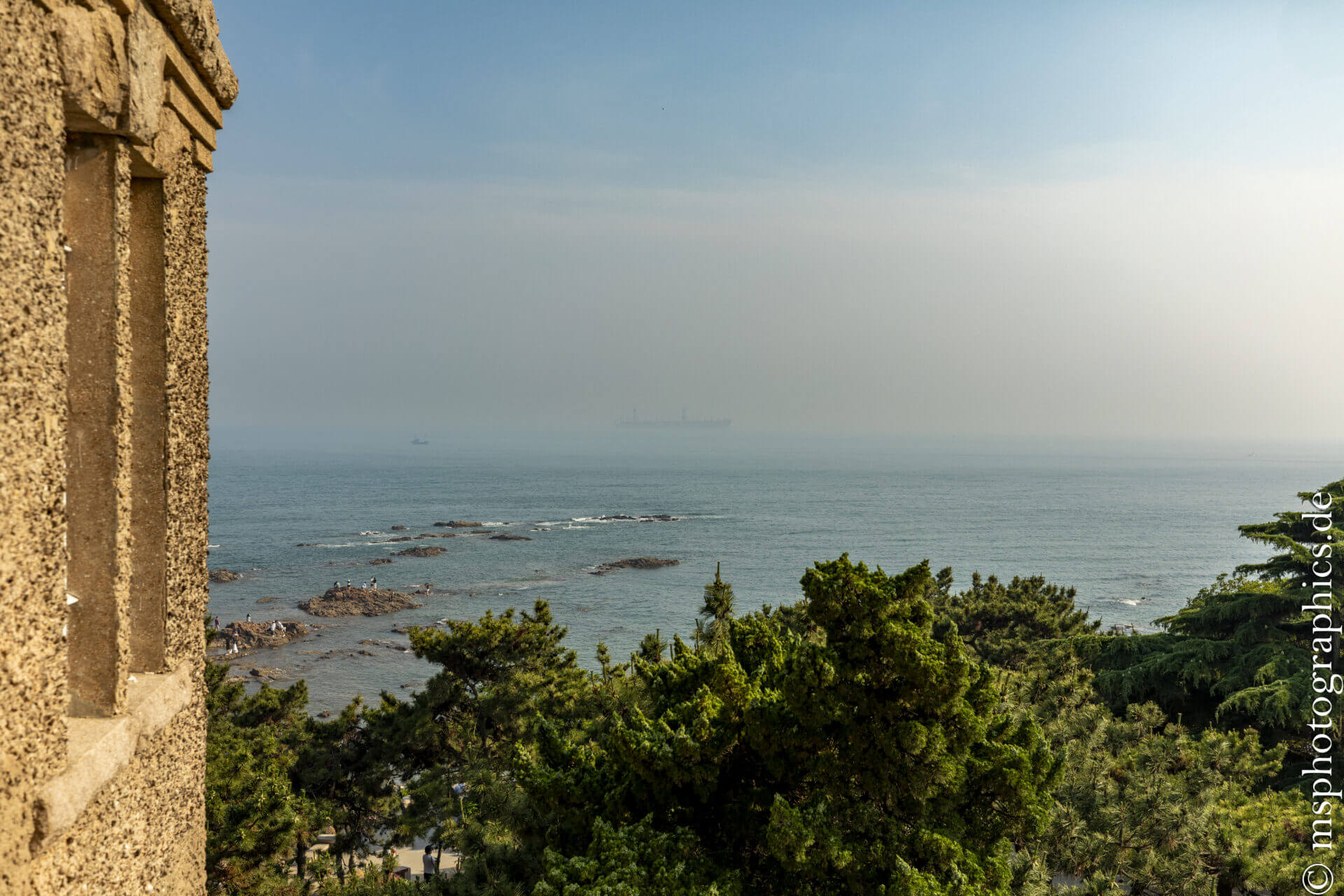
The coastline is characterized by reddish-brown rocks, steep cliffs, and dense black pine vegetation along the shoreline paths. This landscape creates an impressive backdrop. Here, rugged nature meets crystal-clear sea, a paradise for photographers and nature lovers.
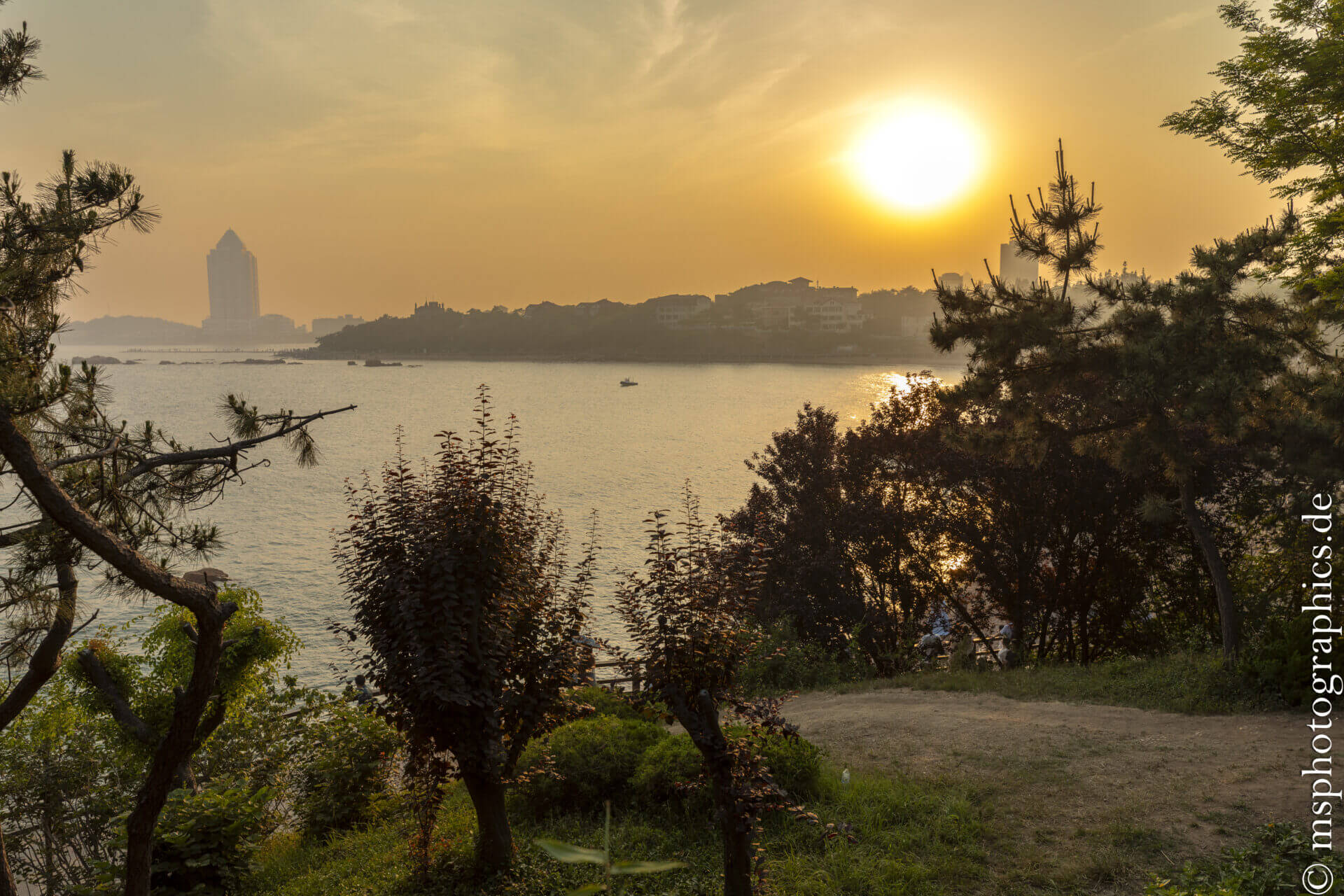
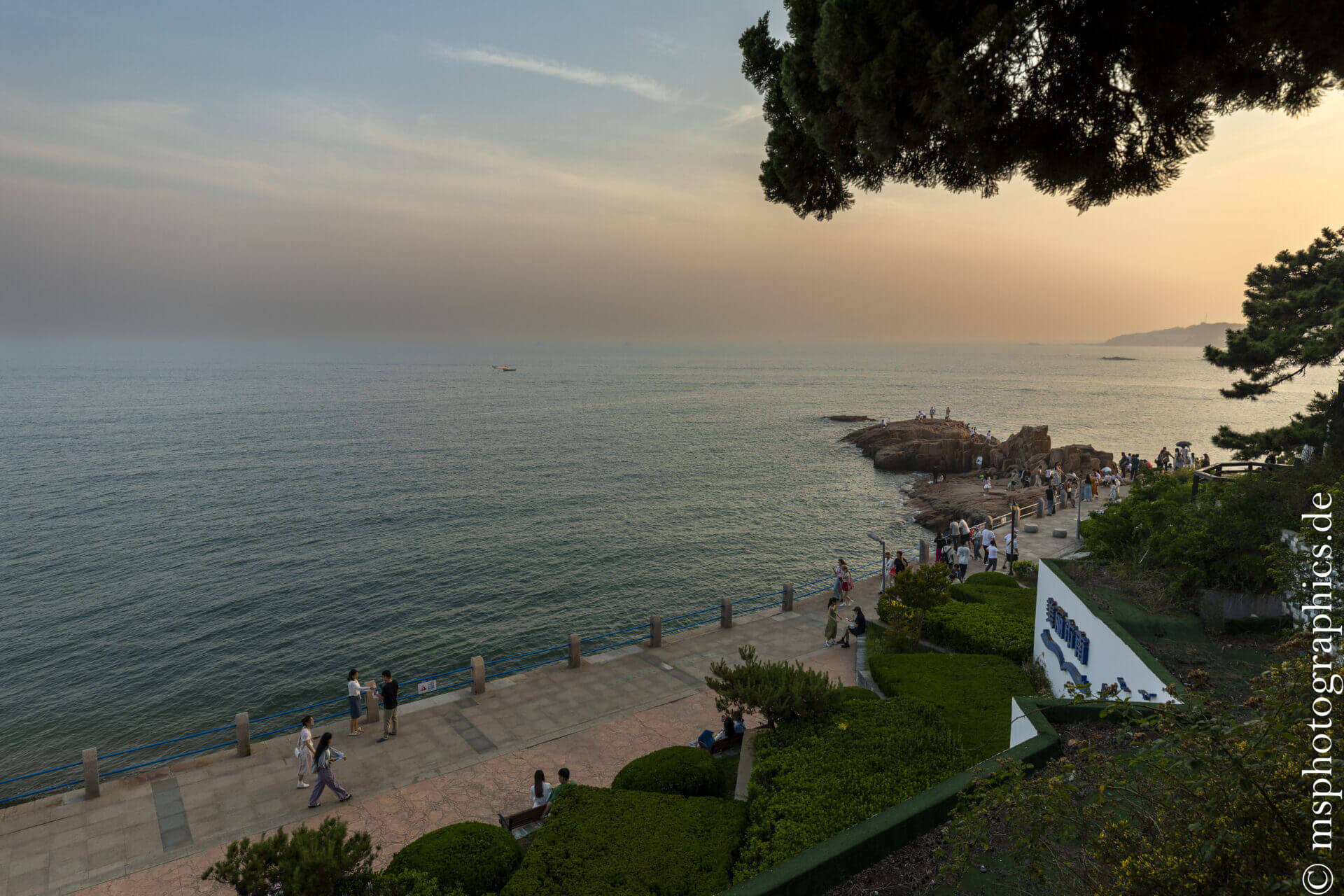
Teiping Bay is more than just a beach; it's a cultural crossroads. Here, nature, history, architecture, and urban lifestyle blend into a unique setting. Whether taking a morning stroll along the shore or watching the sunset among colonial villas, Teiping Bay embodies the gentle, culturally rich side of Qingdao. It offers relaxation, nostalgia, and aesthetics all at once.
Qingdao's colonial heritage:

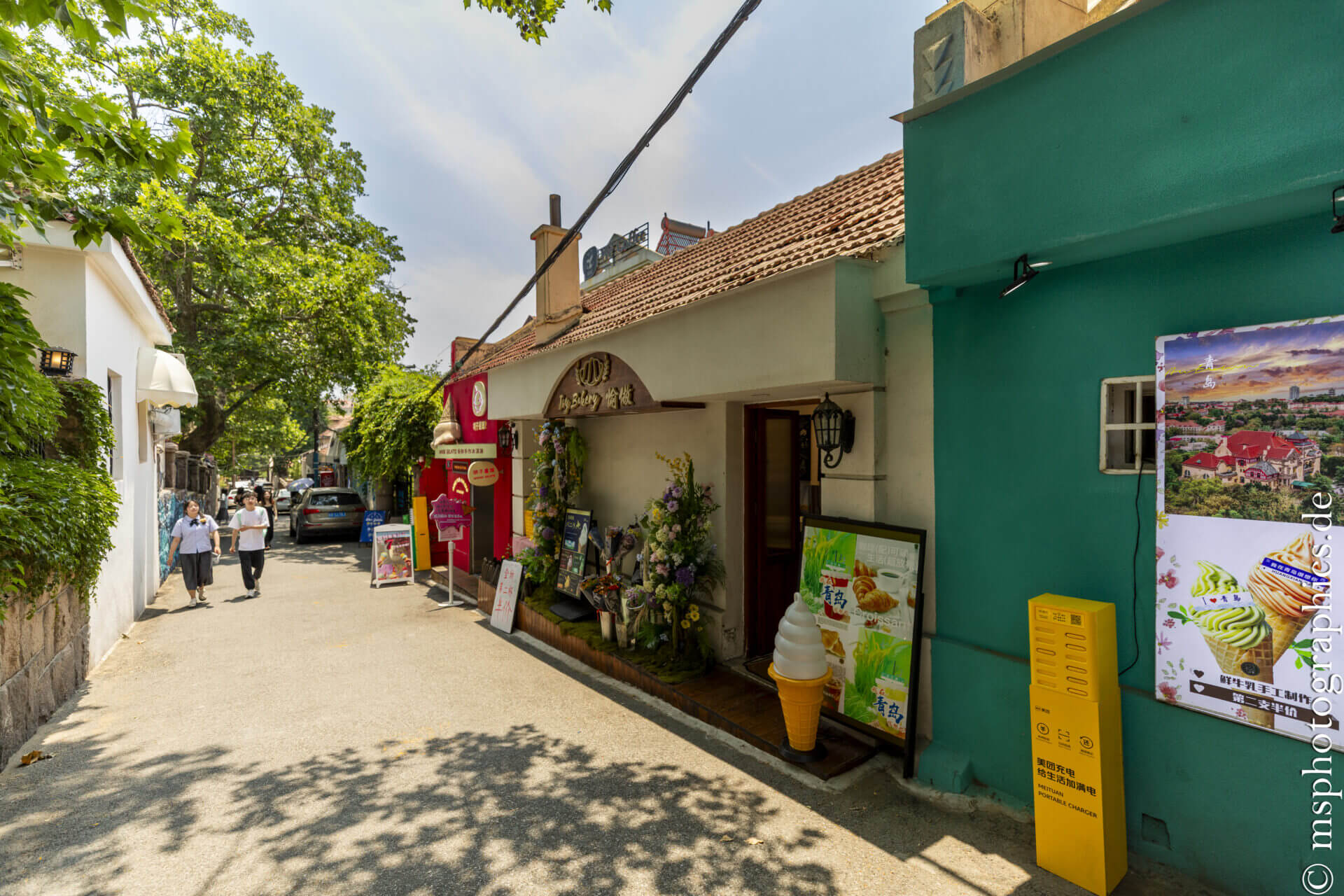
Taiping and Guangxi Streets were once commercial and residential streets. Today, they are ideal for leisurely strolls. Cafes, galleries, and small shops have been integrated into the historic facades, yet retain their old charm. Along the historic streets, you'll find information signs about buildings and anecdotes from the colonial era, making it ideal for a cultural stroll.
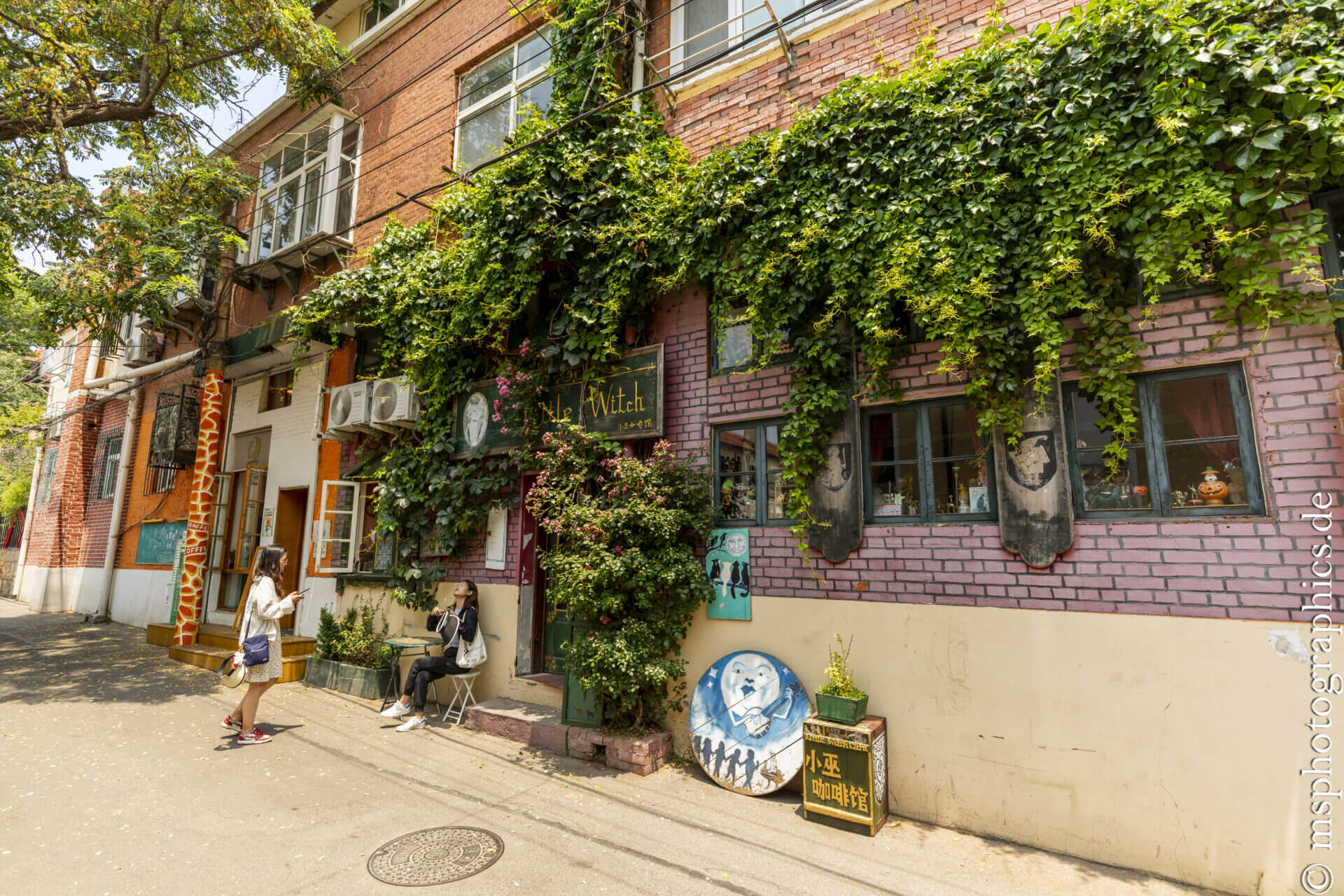
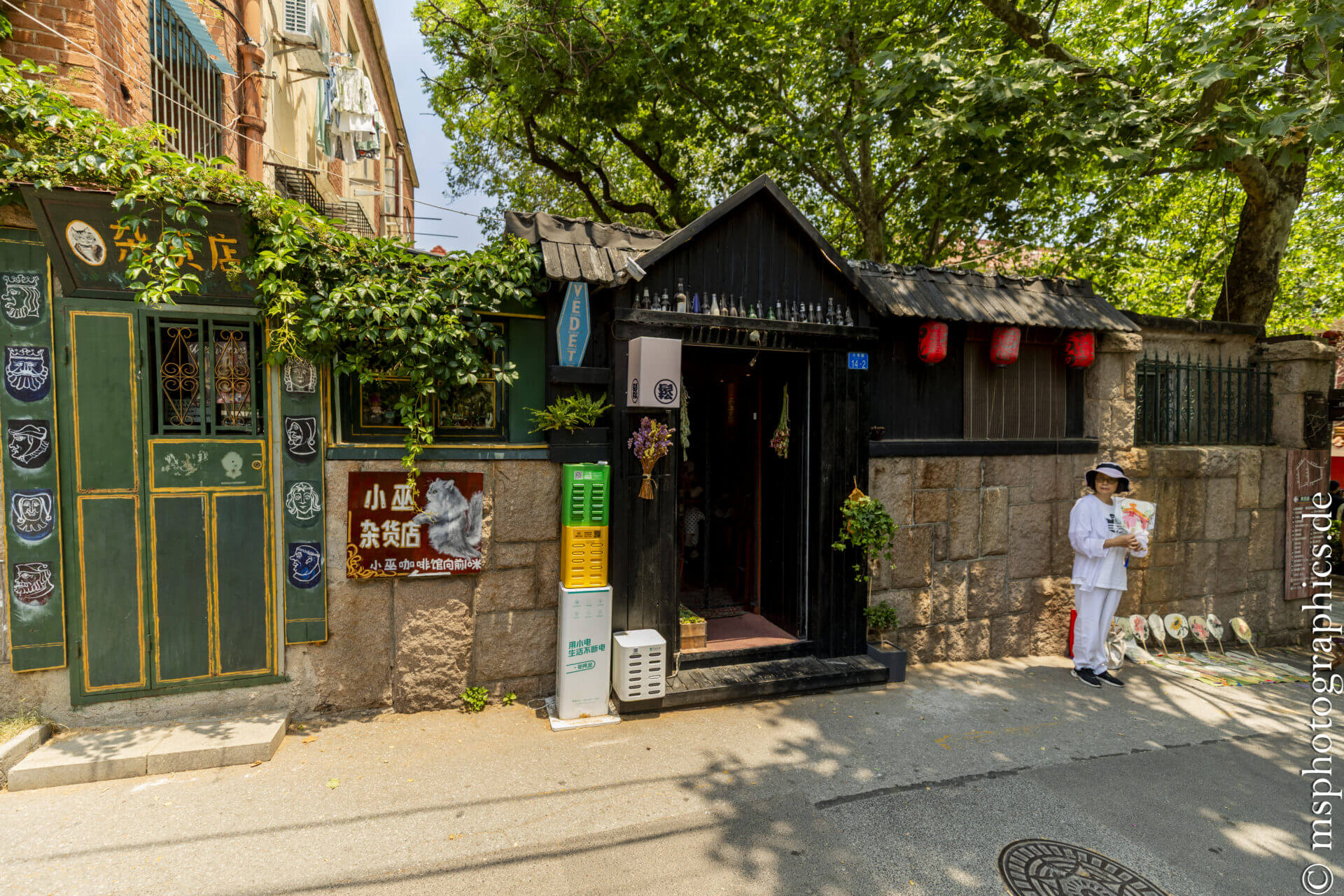
The district symbolizes Qingdao's identity. Thanks to initiatives such as those of the German Embassy and local heritage preservation programs, facades, roofs, and church towers have been expertly restored, keeping the German heritage alive and accessible.
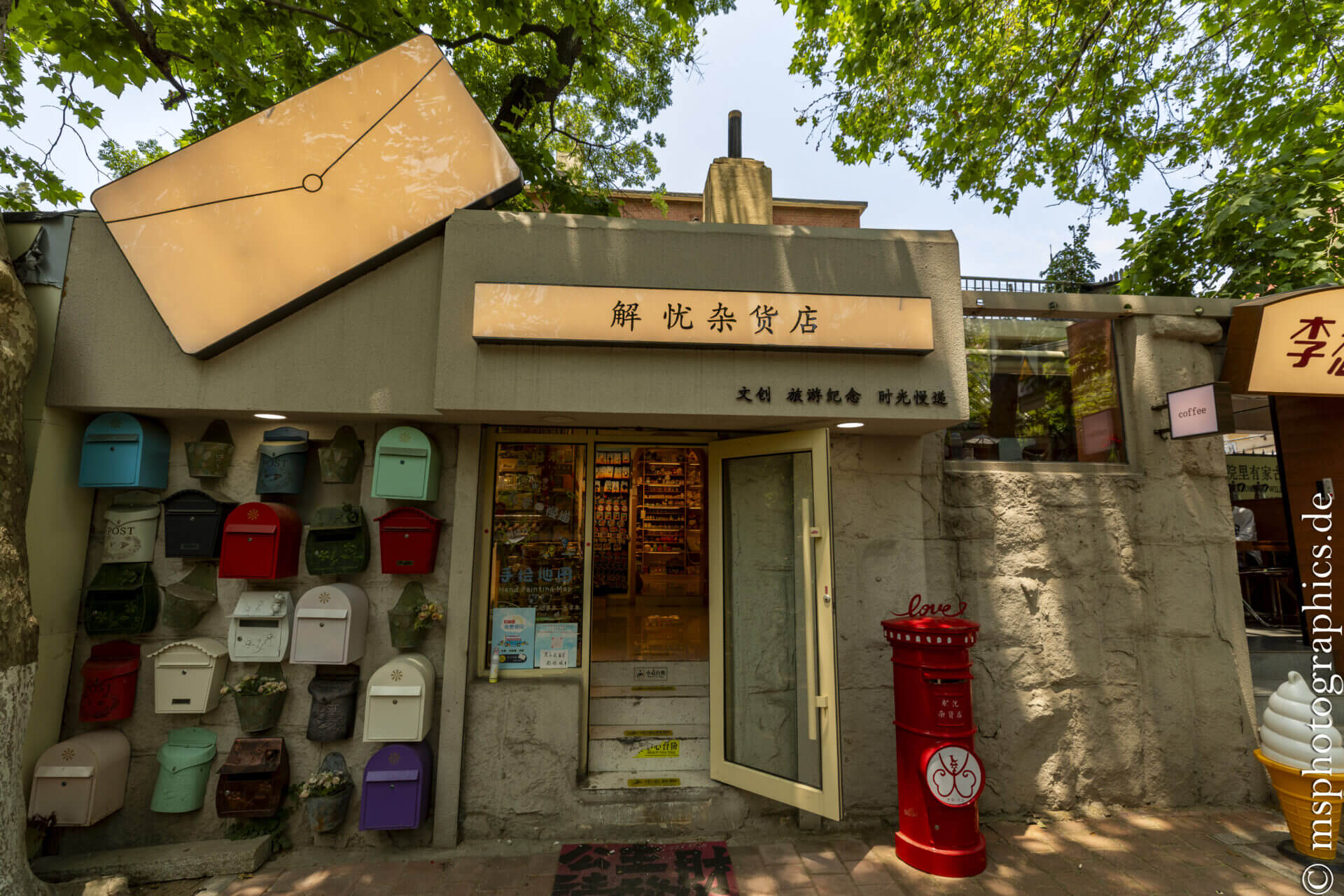
The German Quarter, located between Taiping and Guangxi Streets, is far more than a historical museum. It's a vibrant neighborhood where colonial history and modern urban life merge. Those who combine architecture, history, and a sense of discovery will find a fascinating journey through time in the heart of Qingdao.
The port city of Yantai:
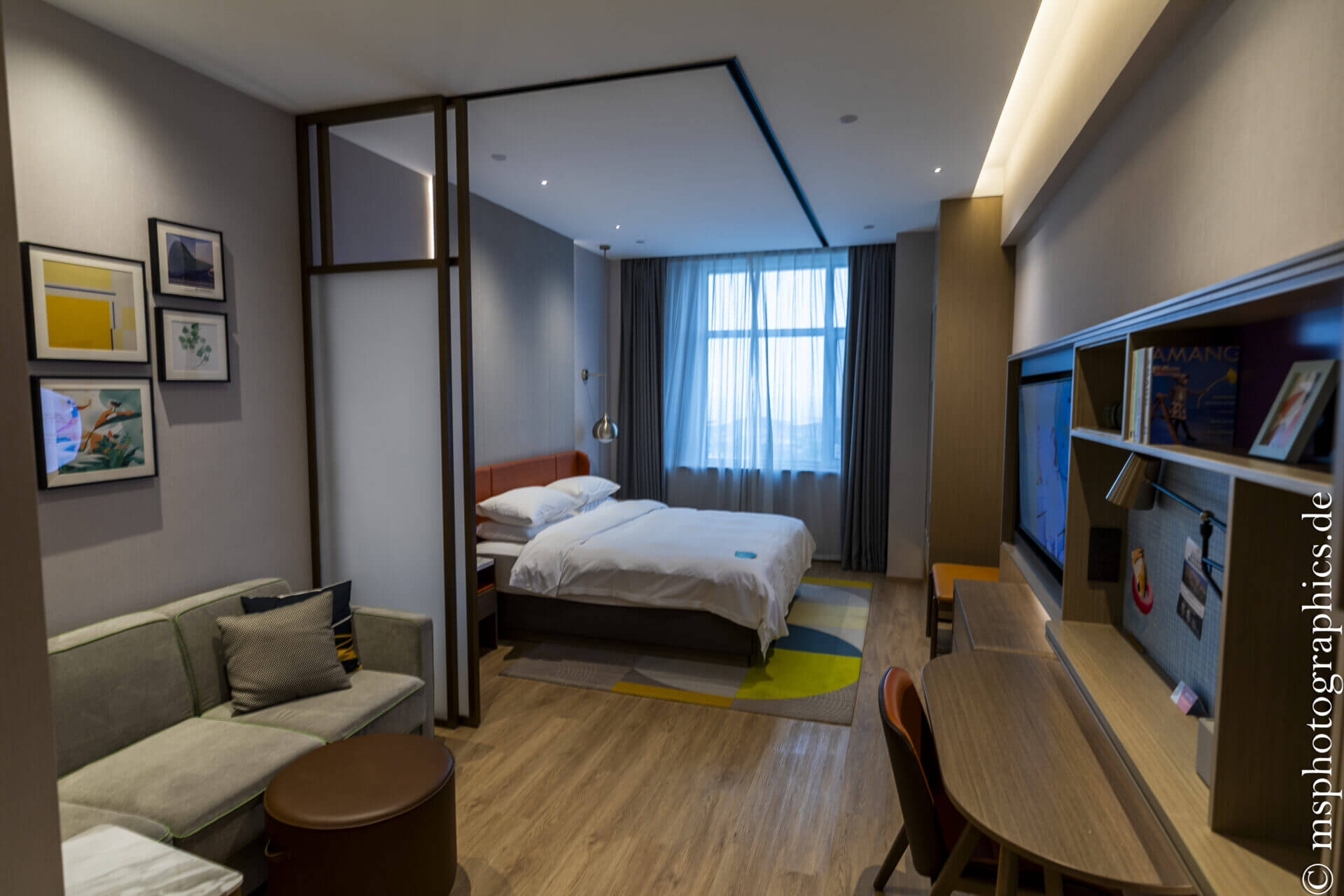
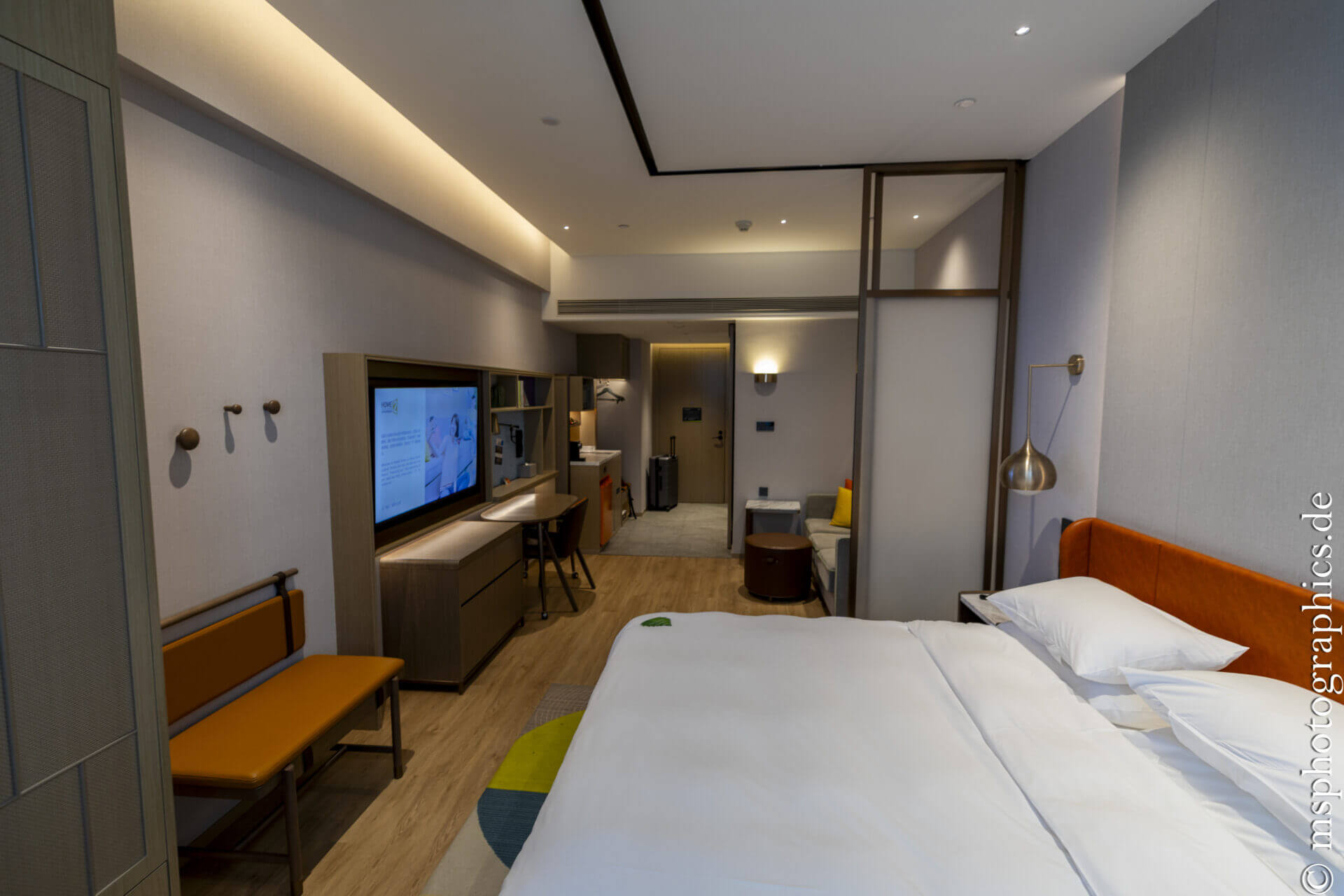
The city of Yantai is located in the northeast of Shandong Province, on the coast of the Yellow Sea and directly opposite Dalian. The city stretches along a roughly 900-kilometer coastline and is an important gateway to the Shandong Peninsula, nestled between Qingdao in the southwest and Weihai in the east. With over 7 million inhabitants in the metropolitan area, Yantai is one of the most important economic centers in Northeast China, combining natural beauty with industrial dynamism and a colonial heritage.
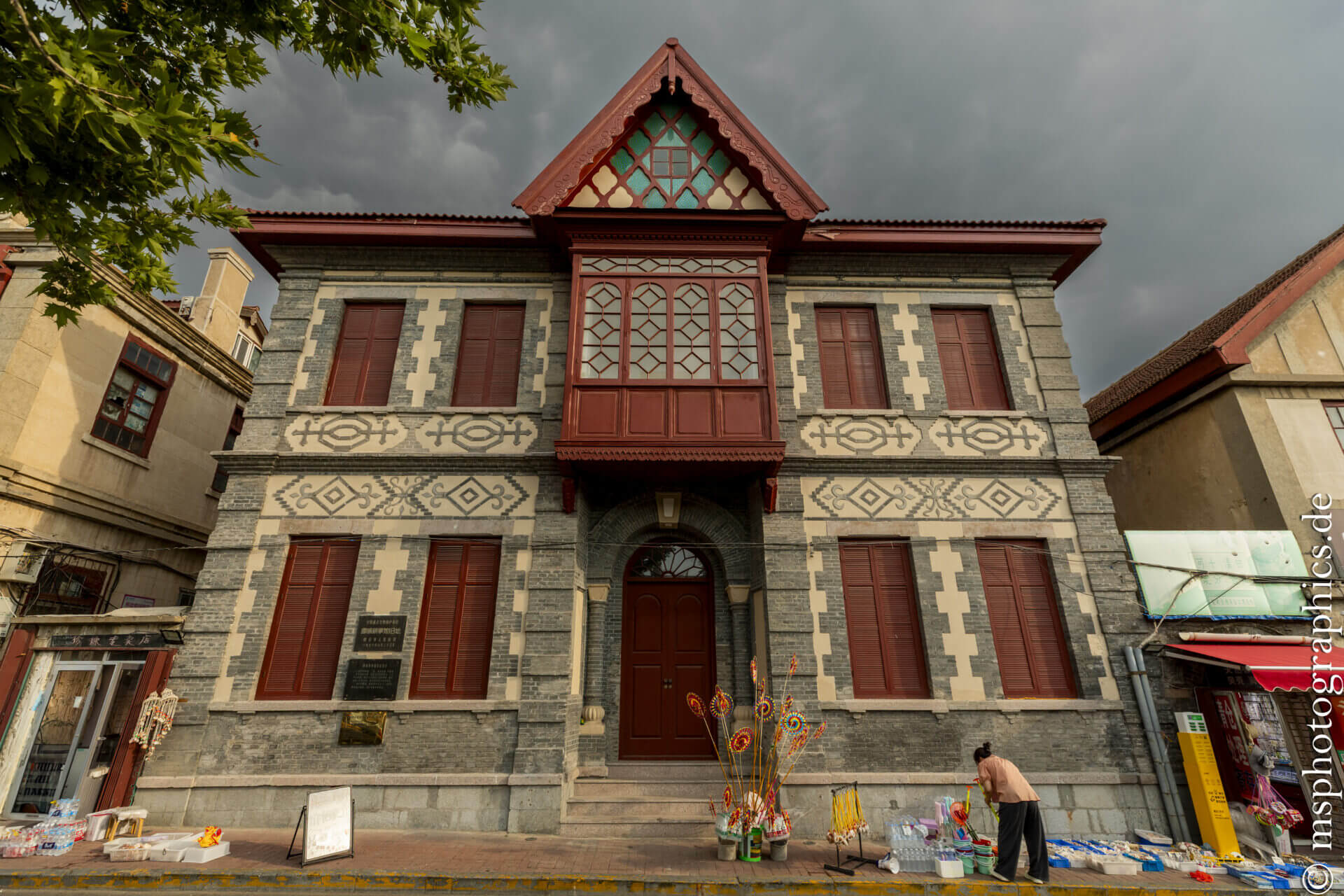
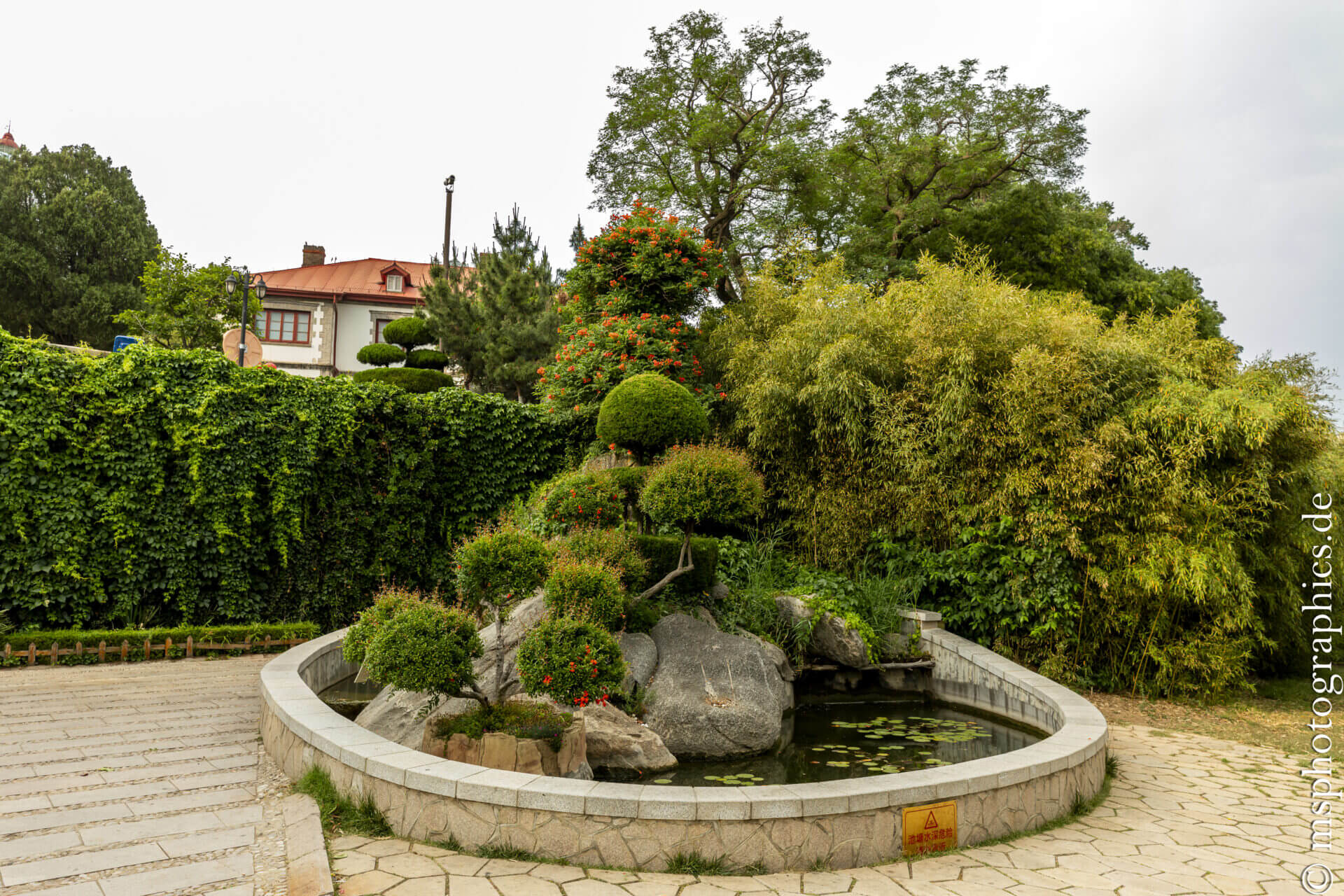
The name "Yantai" literally means "smoke platform" and refers to Ming-era watchtowers from which smoke signals were emitted to ward off pirates. During the Qing Dynasty, Yantai developed into a regional trading center. However, the decisive change came with the opening of the port in 1861. Under the then name Chefoo, Yantai became an international treaty port with British, German, Japanese, and American presence. Missionaries, trade representatives, consulates, and colonial architecture shaped the face of the city, particularly in what is now the Zhifu district.
After 1949, Yantai grew into a modern industrial city, was declared one of the first "open coastal cities" in 1984 as part of Deng Xiaoping's reform policy, and has since developed into an important location for viticulture, mechanical engineering, petrochemicals, and maritime trade.
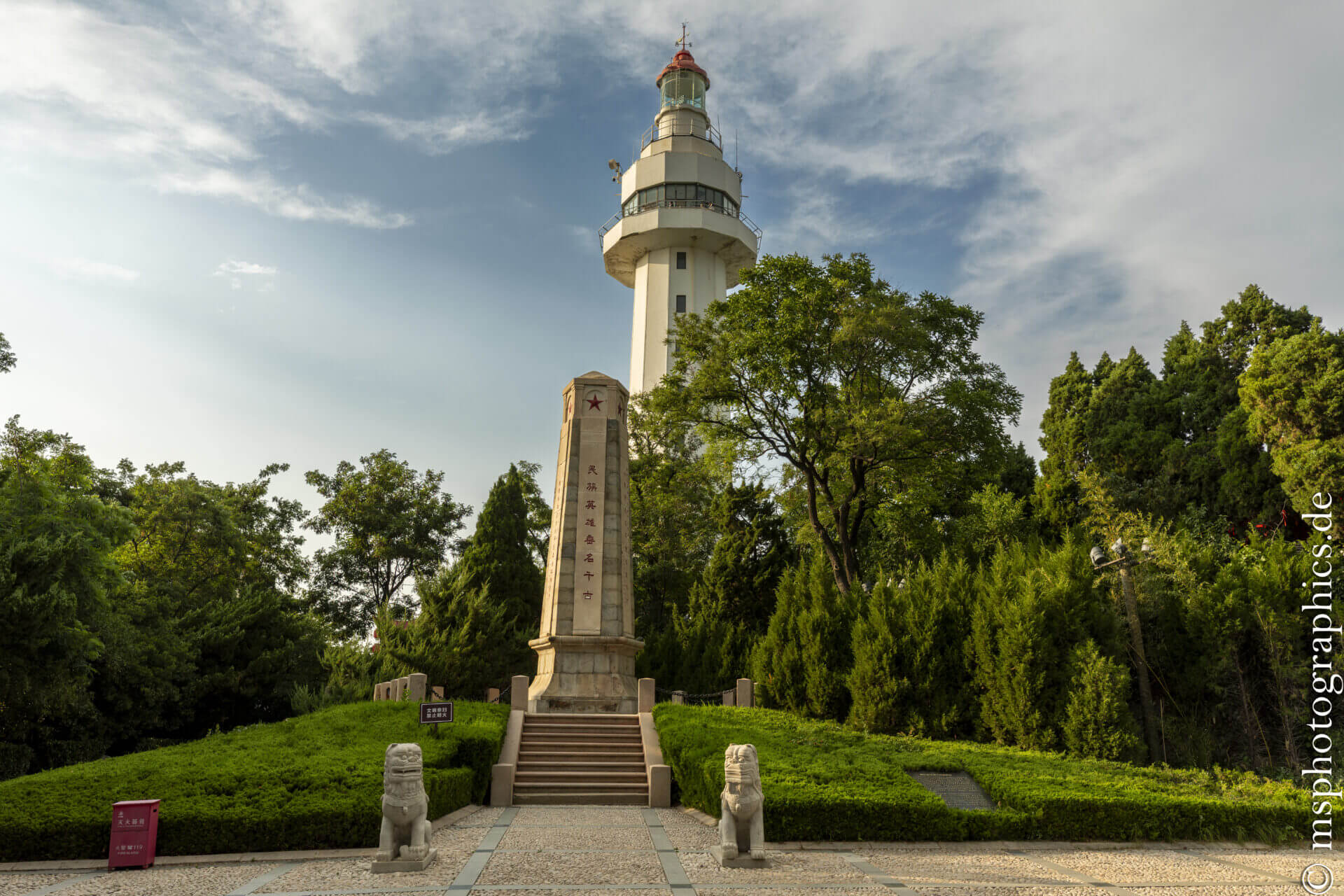

At the center of the old town rises Yantai Hill, a park-like area with spectacular views of the harbor and the city. It features well-preserved 19th-century European villas, consular buildings, and churches.
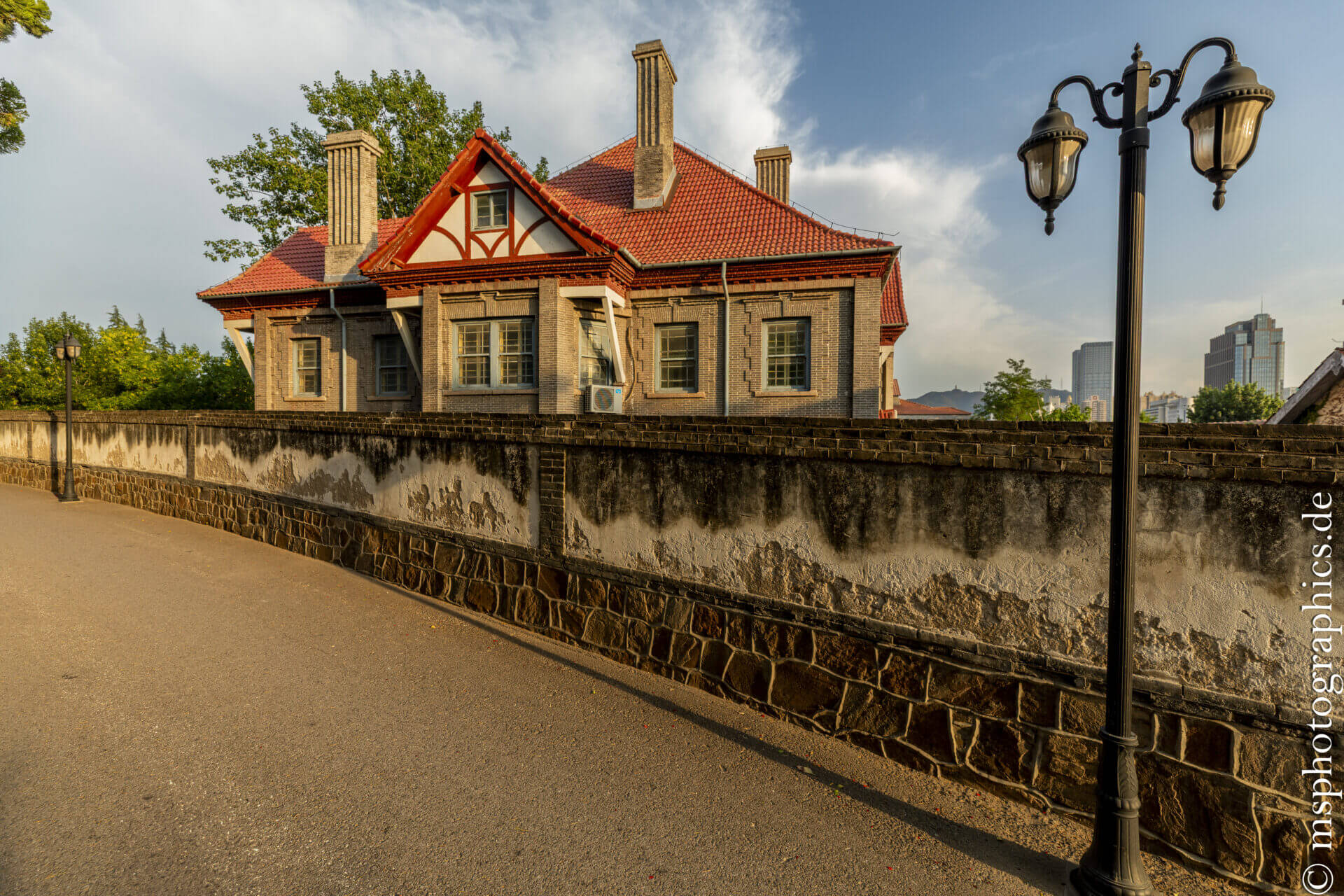
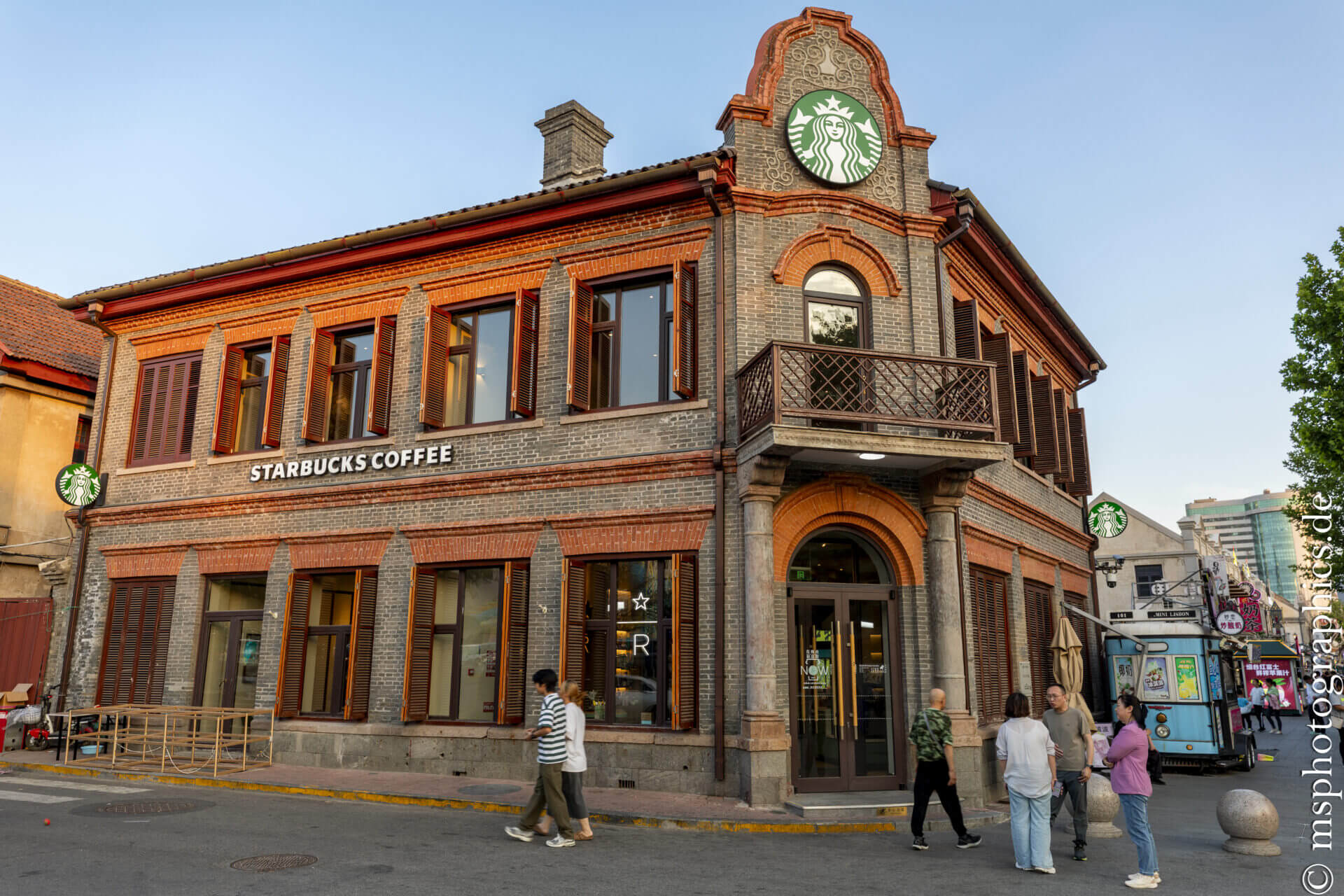
These include the former British consulate, a French lighthouse, and a Japanese tea pavilion. Today, the site is a popular tourist destination and an open-air museum of colonial globalization.
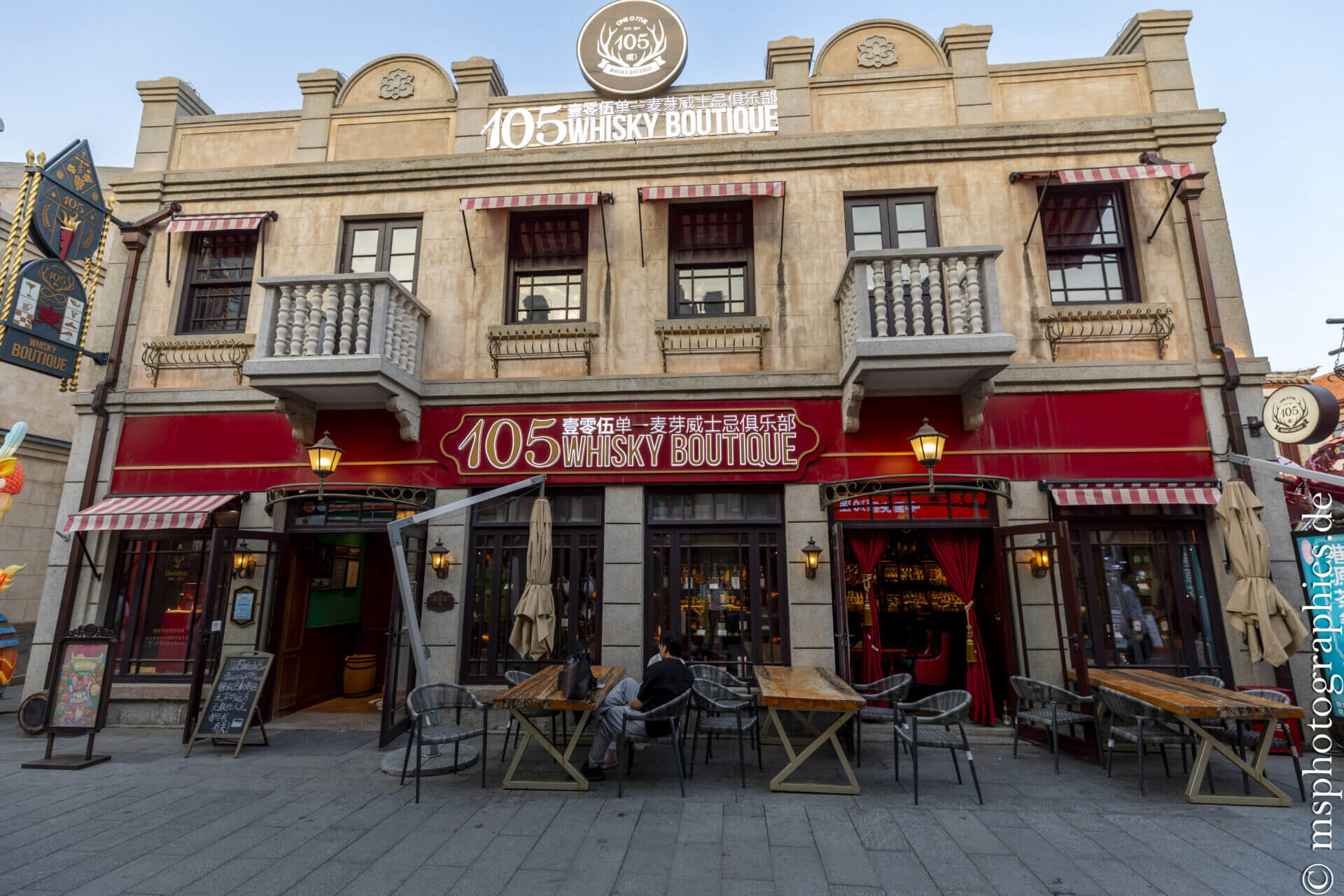
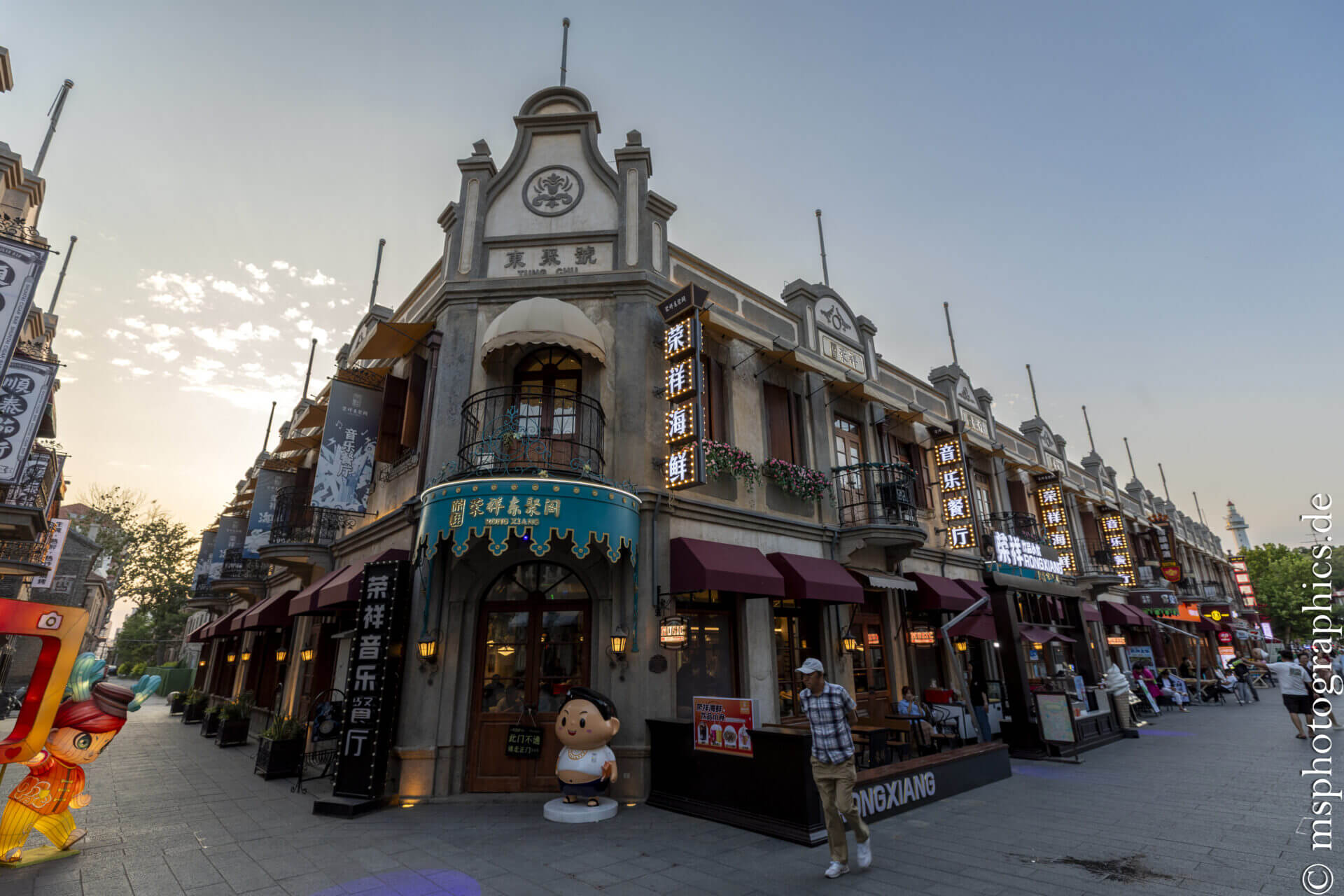
Yantai offers numerous beaches with clean water, such as No. 1 Beach, Golden Beach in the Muping district, and Fisherman's Wharf, which features a modern waterfront promenade with restaurants and nightlife.
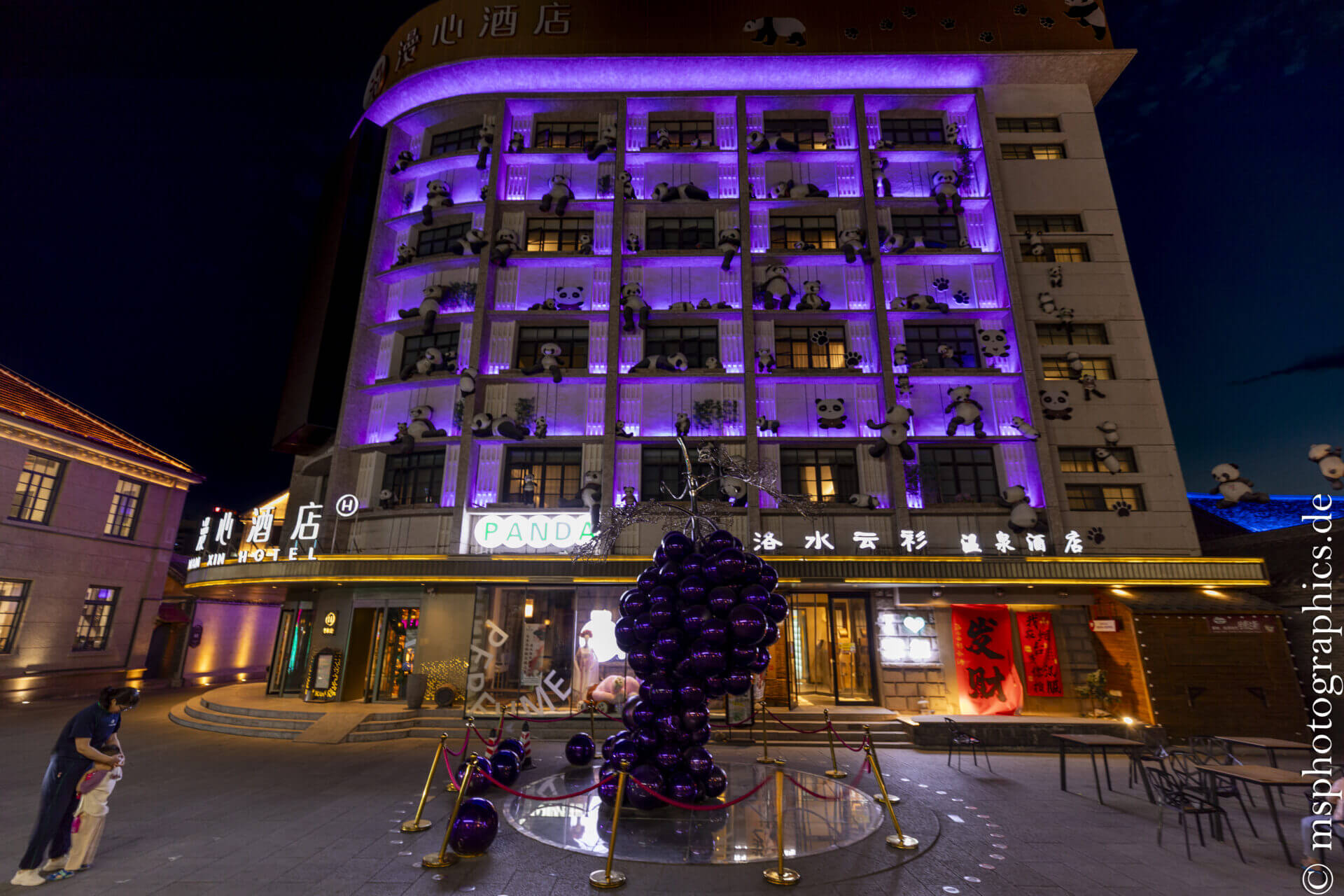
Especially in summer, Yantai is a popular destination for Chinese and Korean tourists.
The Yangma Island near Yantai:
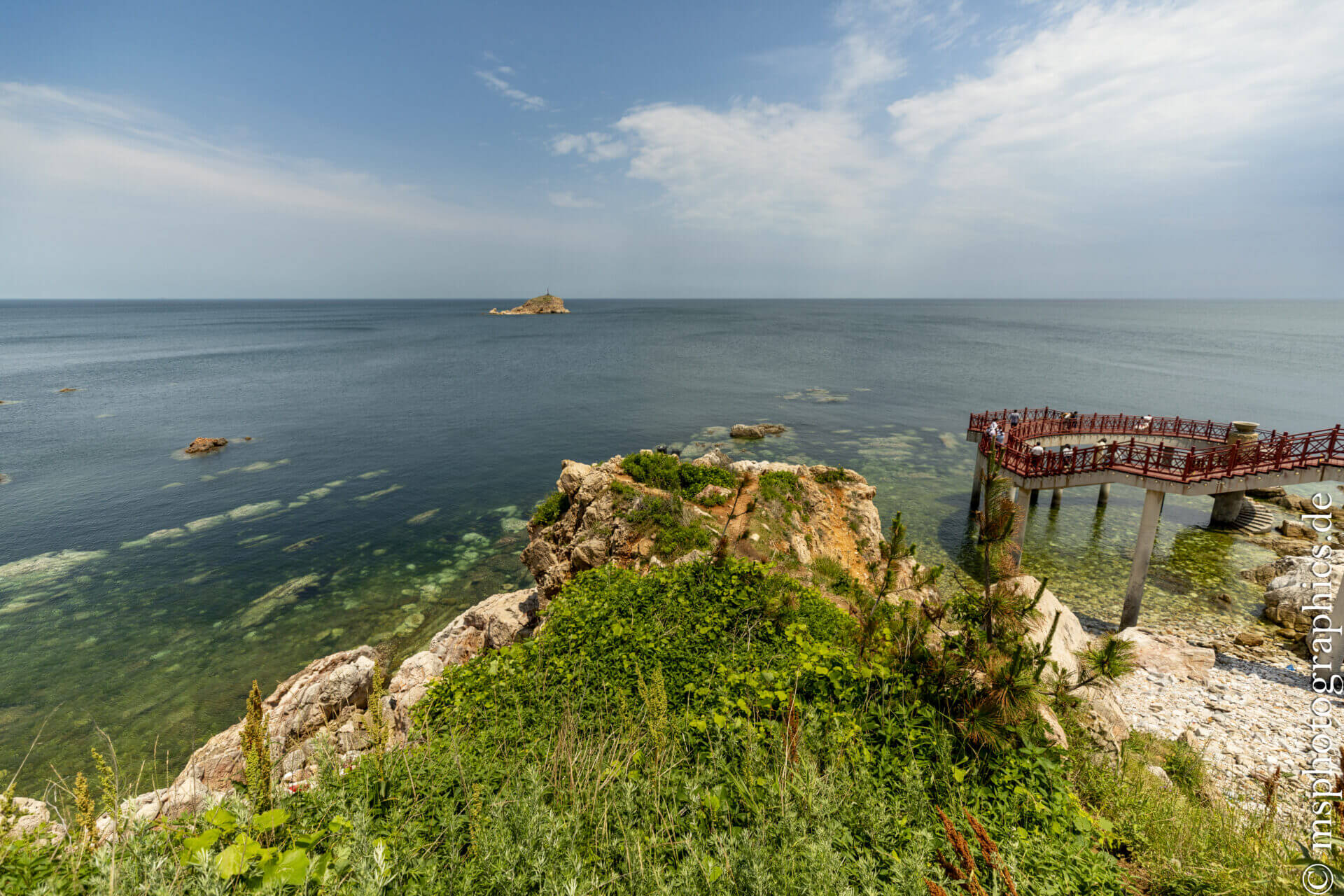
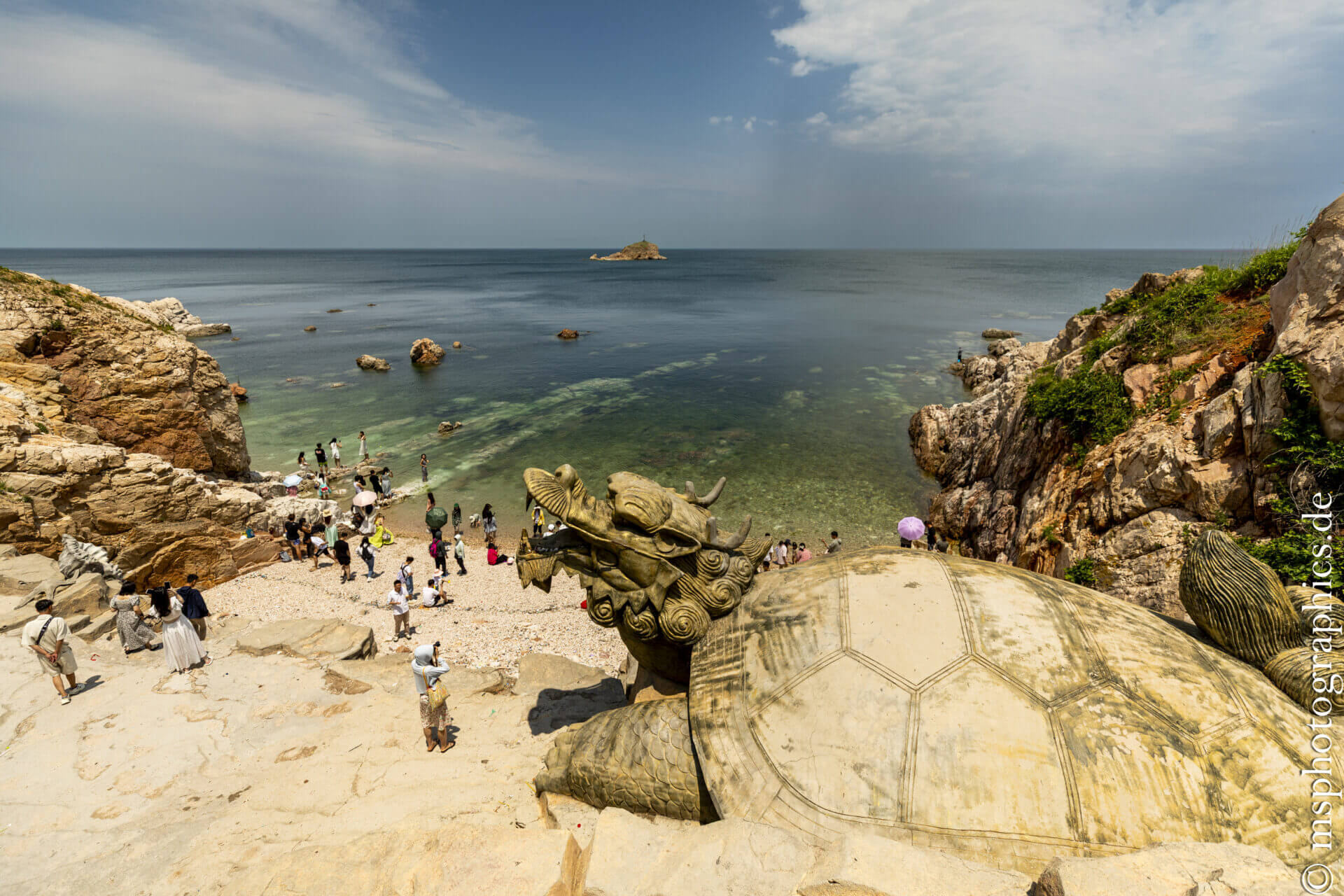
Yangma Island is located in Muping District , about 30 km east of Yantai in the Yellow Sea, and covers an area of approximately 10 square kilometers. The name originates from legend. During his eastern expedition, Emperor Qin Shi Huang is said to have kept magnificent horses there. Hence, the island was named "Horse Keeping" (Yangma).
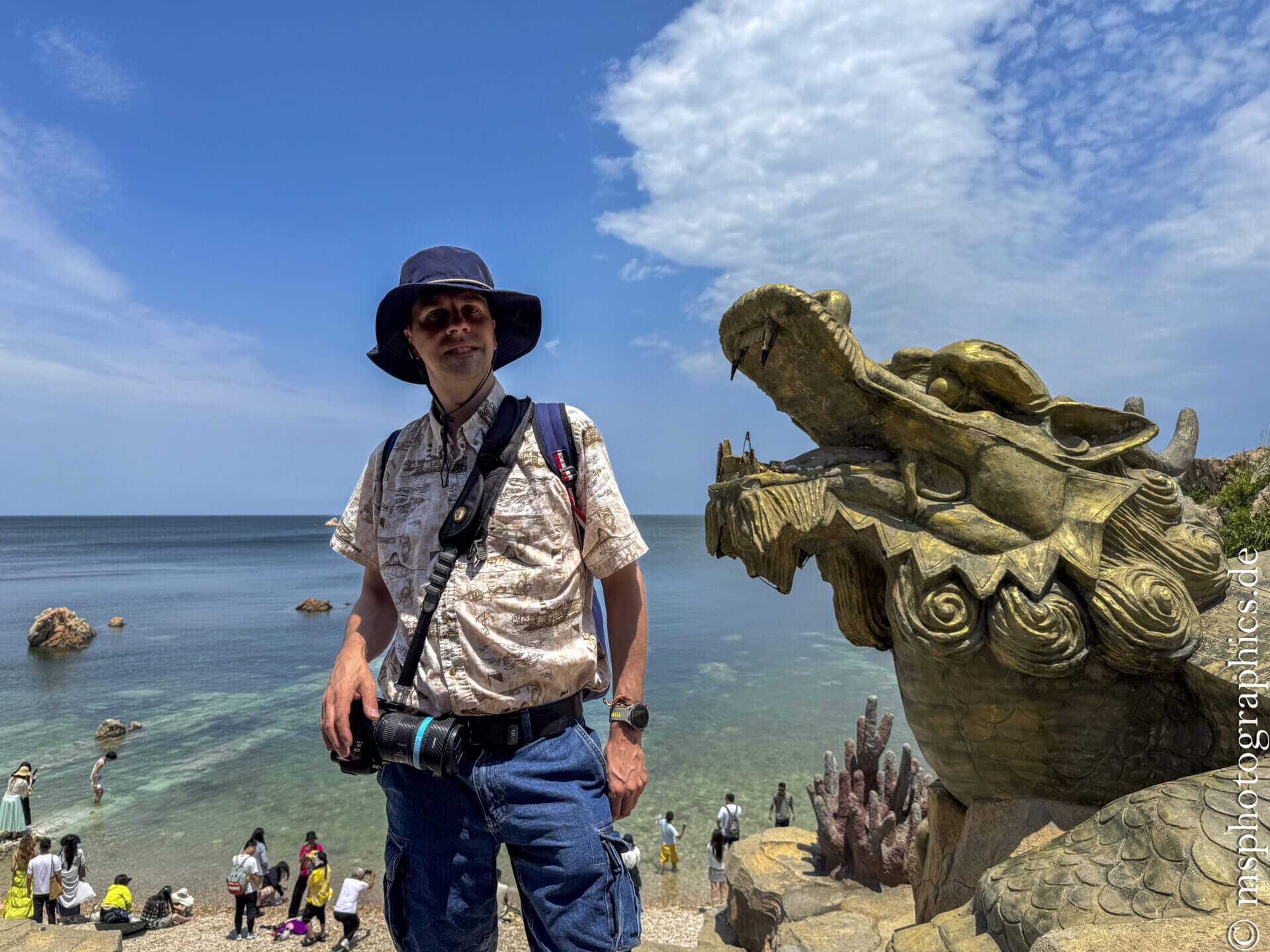

The eastern beaches are characterized by fine sand and calm waters, perfect for swimming and relaxing during the summer season. The western side, on the other hand, is characterized by rocky coastlines, natural caves (e.g., Crescent Moon Cave), and spectacular cliff landscapes at low tide.
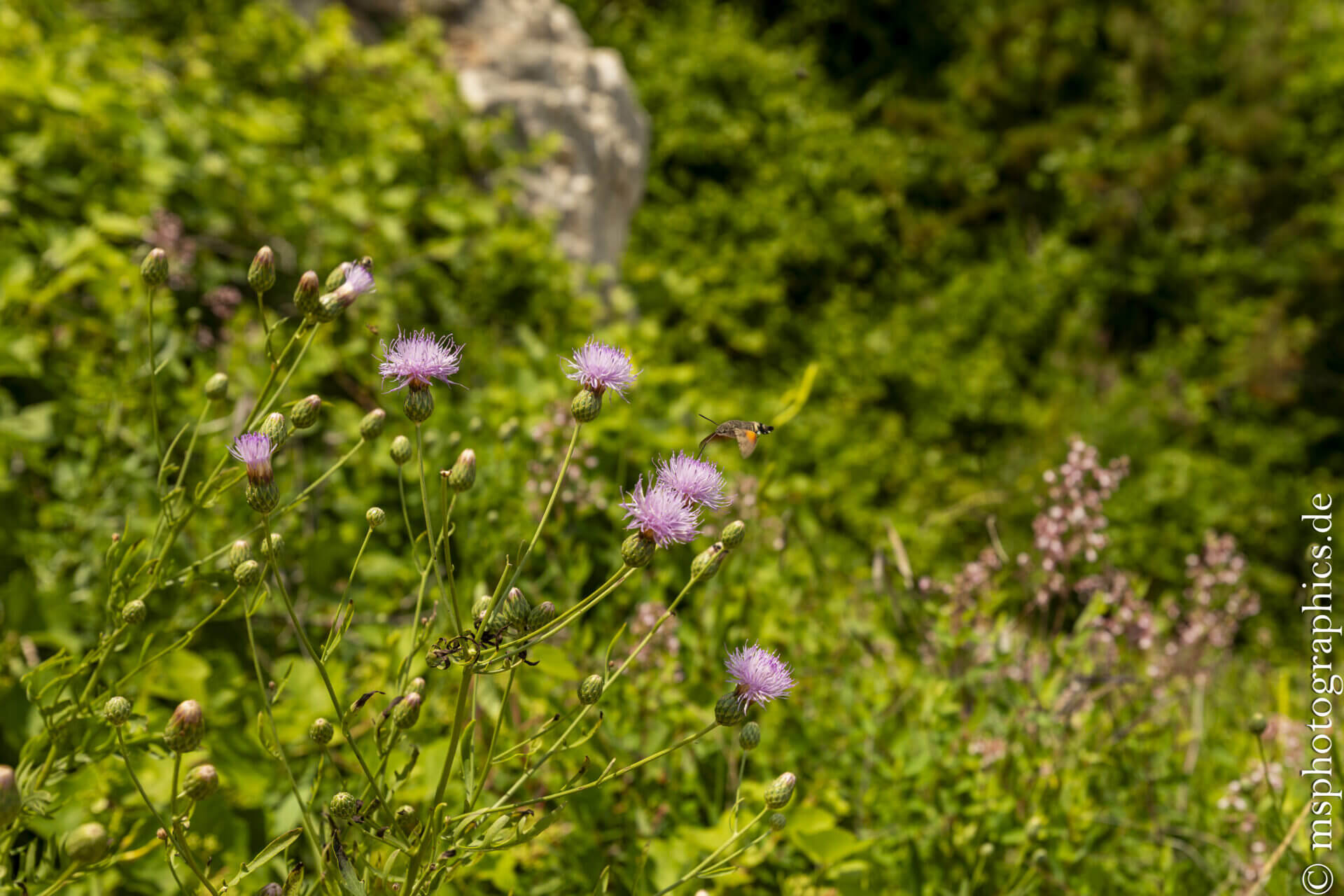
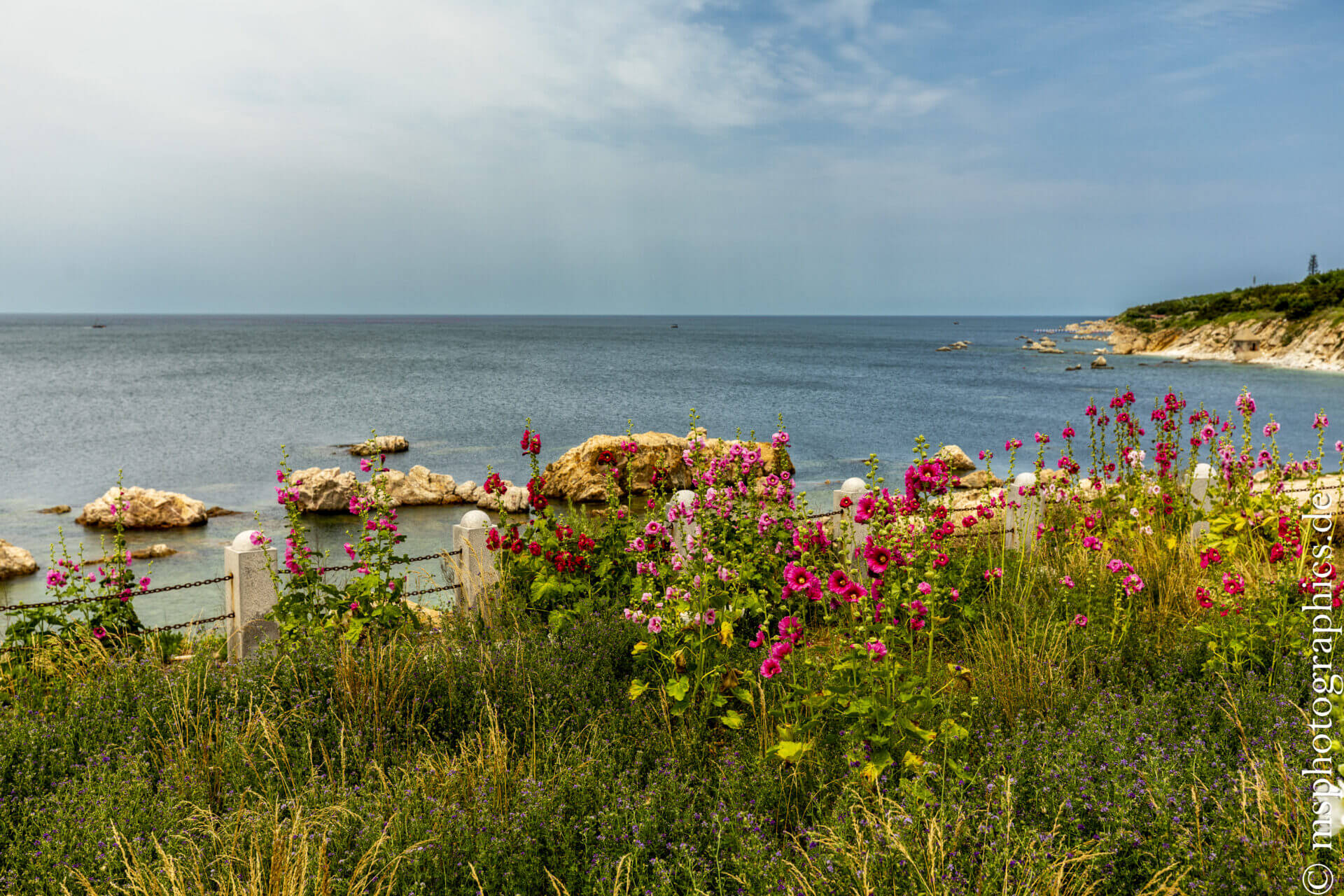
Yangma Island combines picturesque coastal landscapes, fascinating rock formations, rich marine flora, and a diverse range of recreational activities, all nestled in a quiet, relaxed island atmosphere. Yangma Island is ideal for a day trip or a short island vacation.
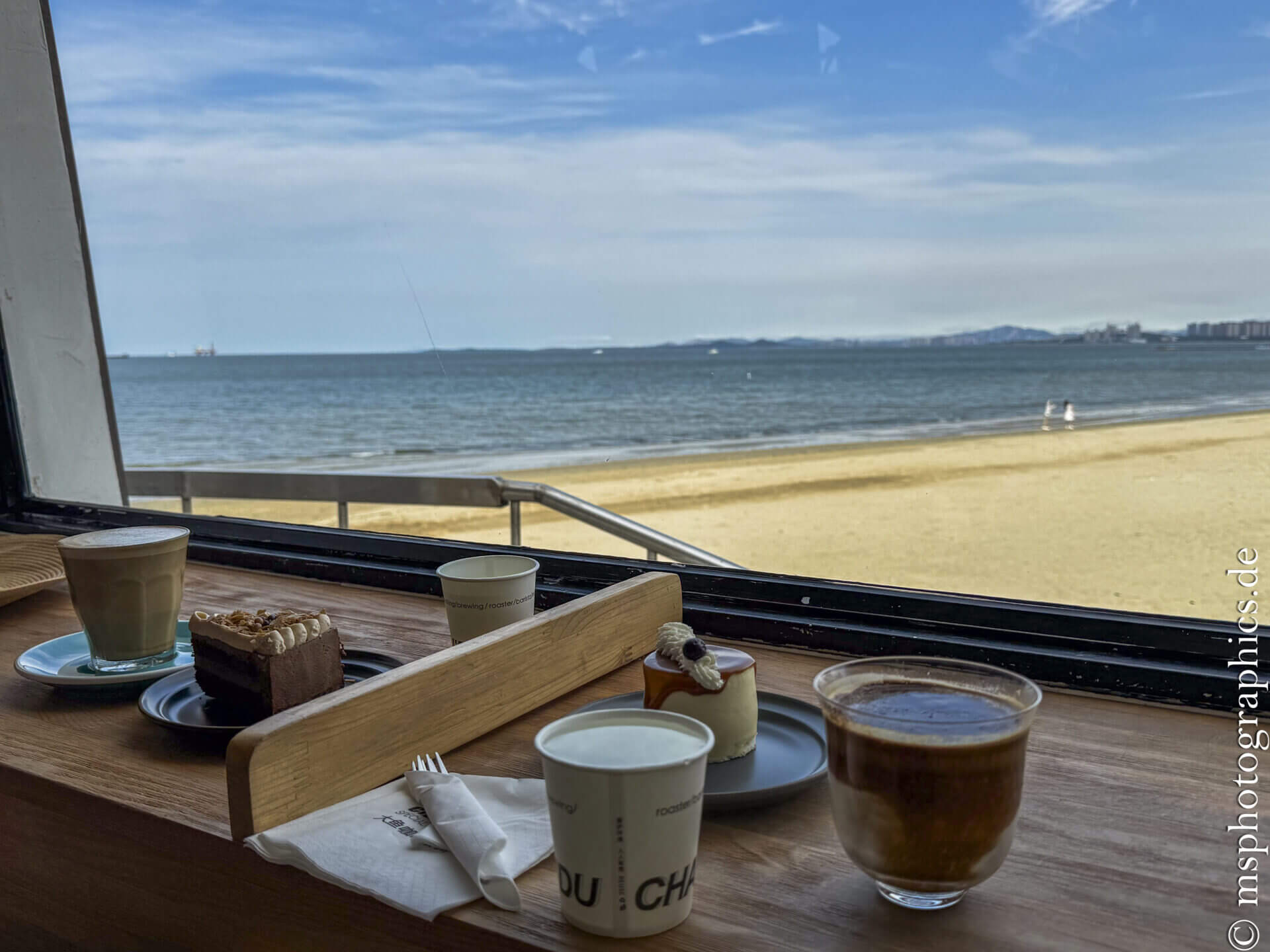
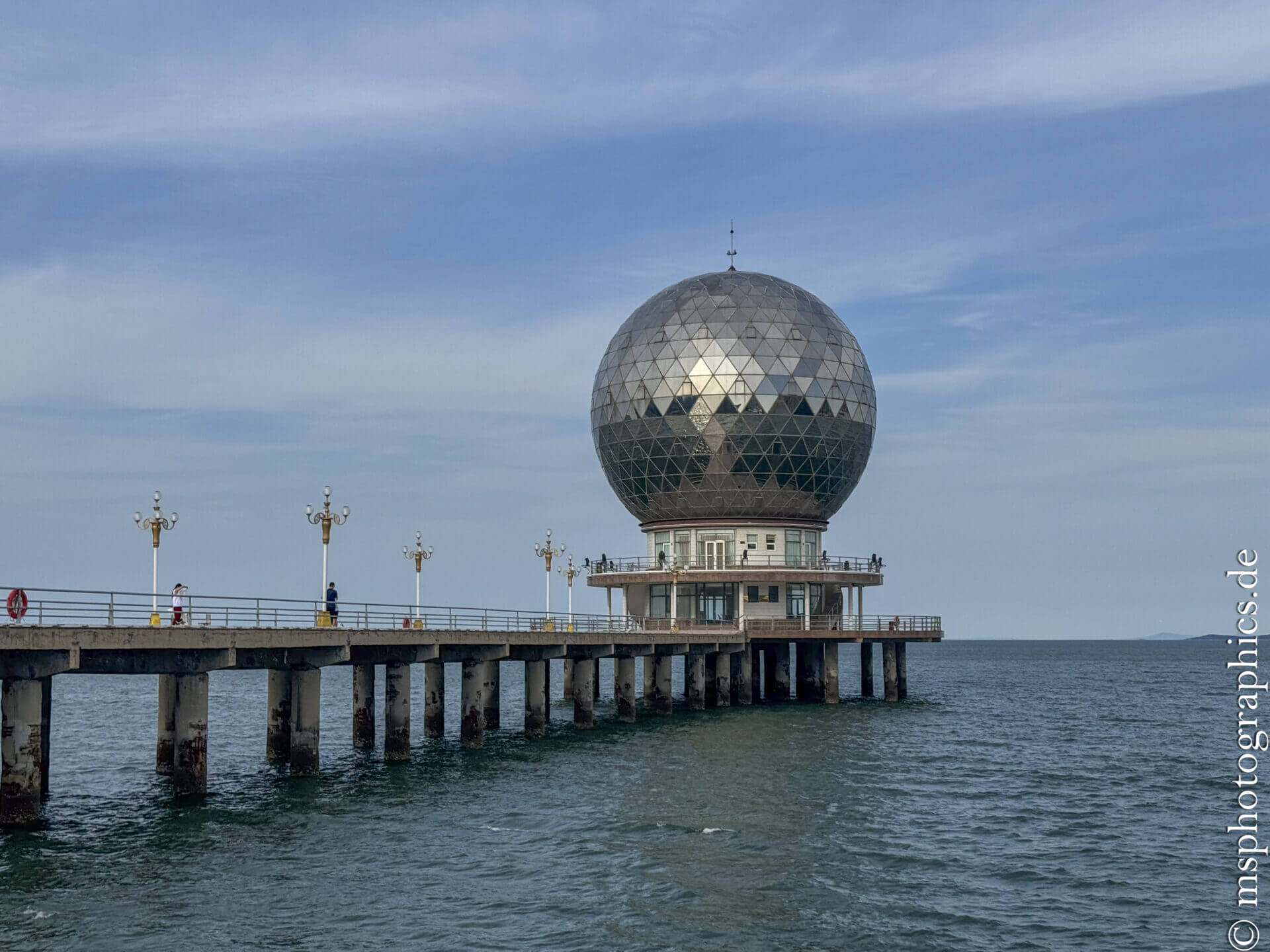
Yantai is often overshadowed by its prominent neighbor Qingdao, but unjustly so. The city combines charming historic flair with modern economic structures, maritime recreation, and a touch of international history. Those looking to explore northern China off the beaten track will find Yantai an authentic, cosmopolitan, and scenic destination.
After a coffee with a view of the sea, we continue by train to Weihai.
Weihai – The port city between sea and mountains:
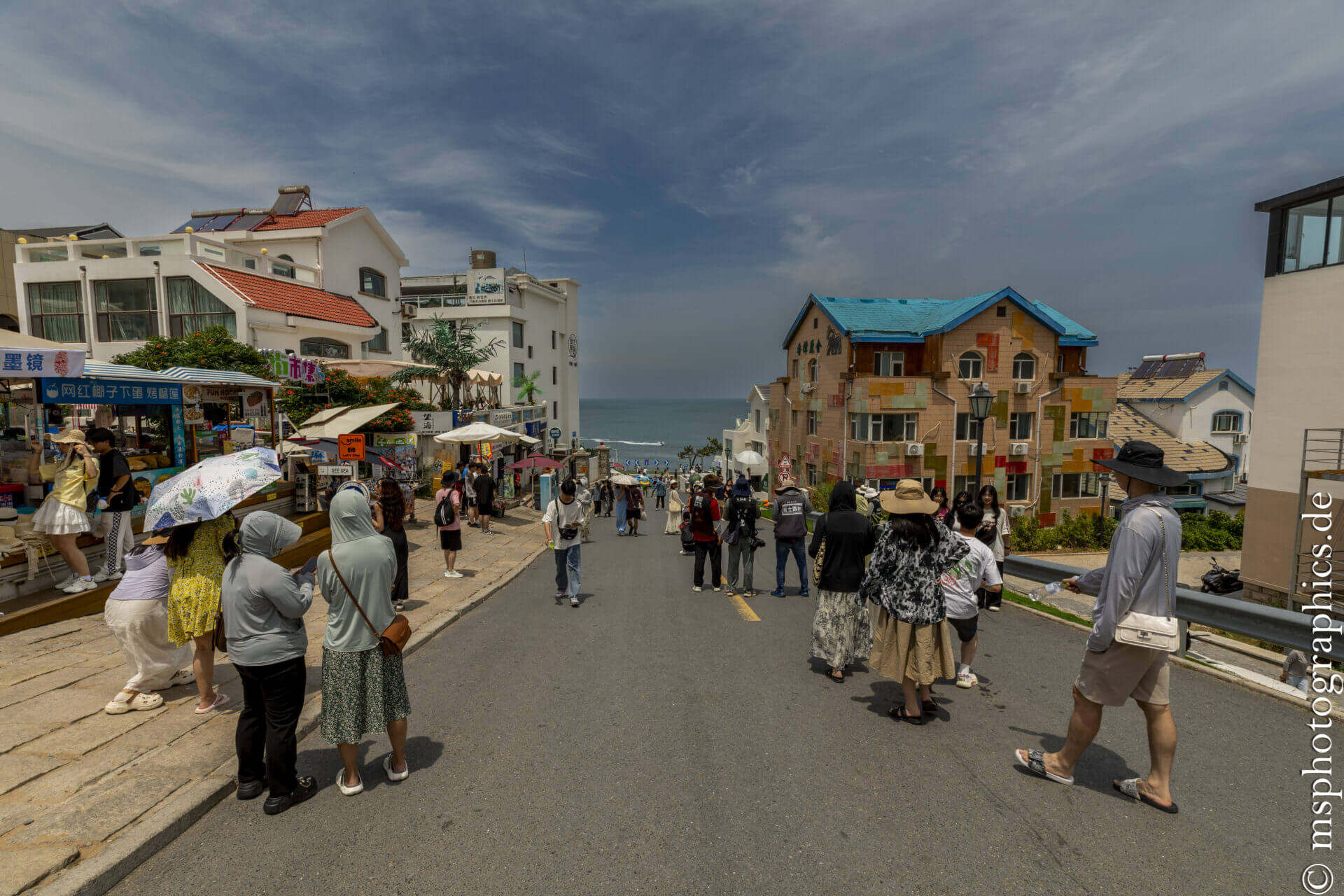
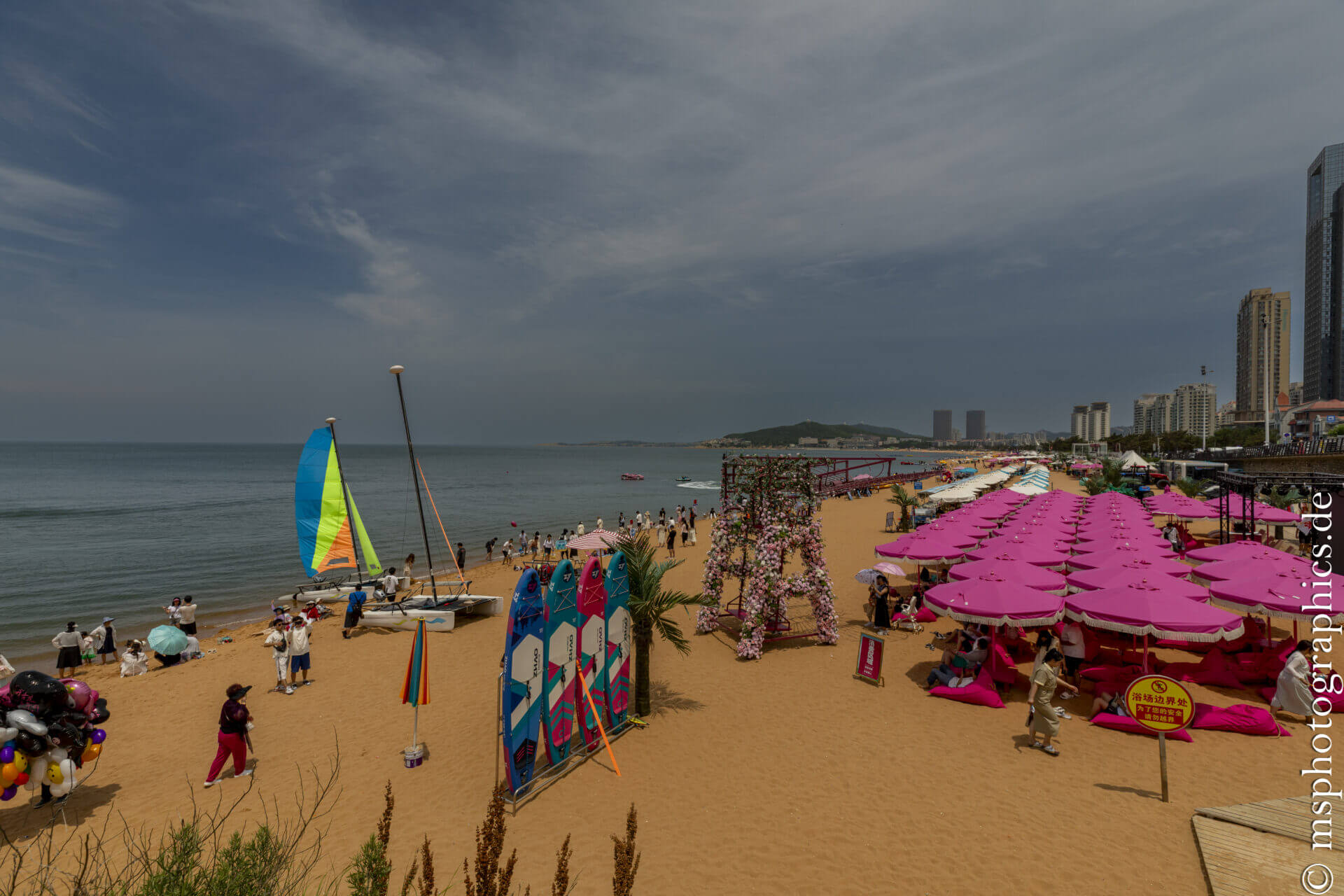
Weihai is located at the easternmost tip of the Shandong Peninsula, bordering Yantai to the north and the Yellow Sea to the east. With almost three million inhabitants and an urban metropolis of just over one million, Weihai is a vibrant city with a maritime flair.
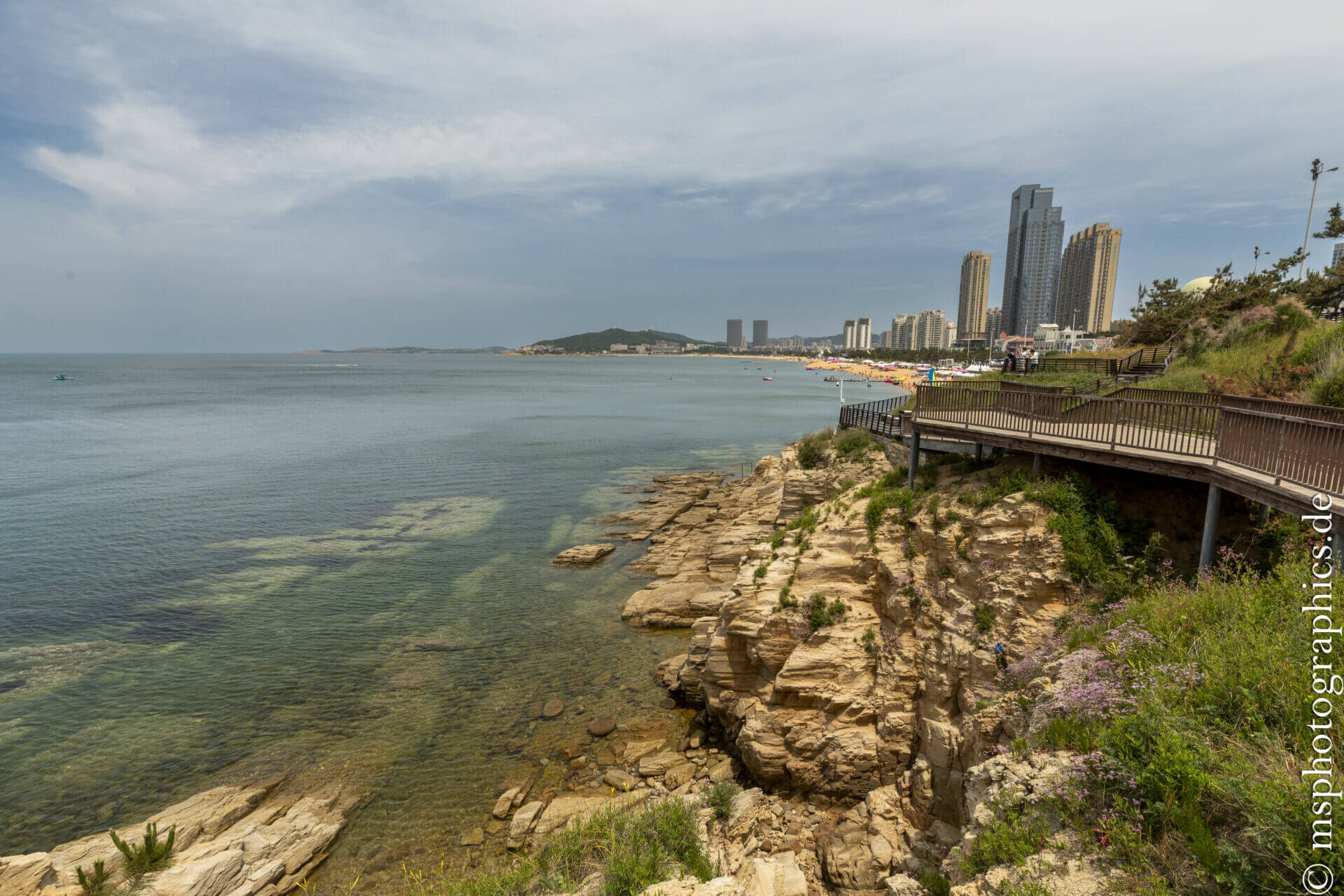
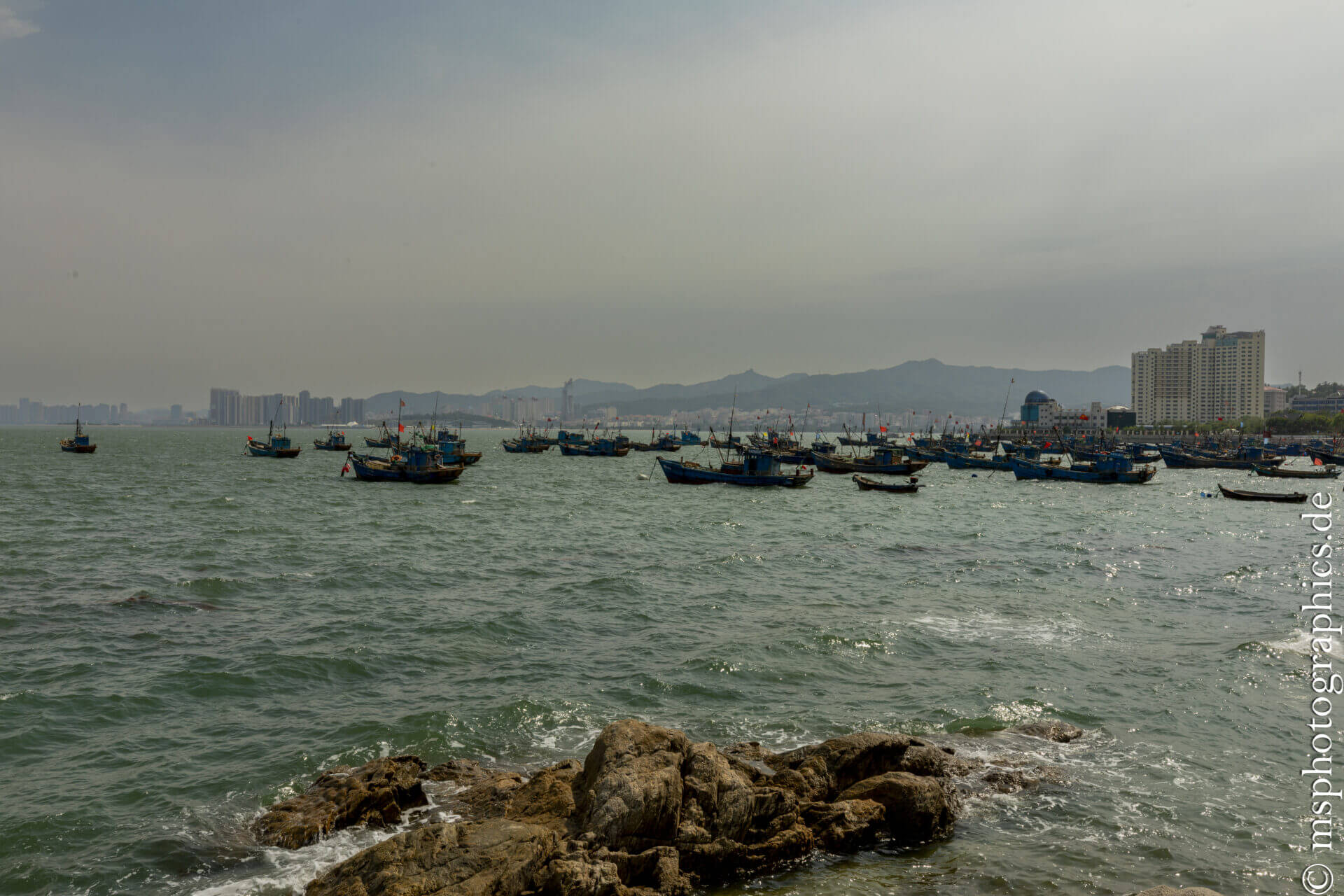
From a small fishing village in the 14th century, Weihai developed into a fortified coastal fortification against pirate raids. Later, Liugong Island became a strategic naval base for the Beiyang Fleet until the Battle of 1895. From 1898 to 1930, Weihai was a British concession known as "Port Edward".
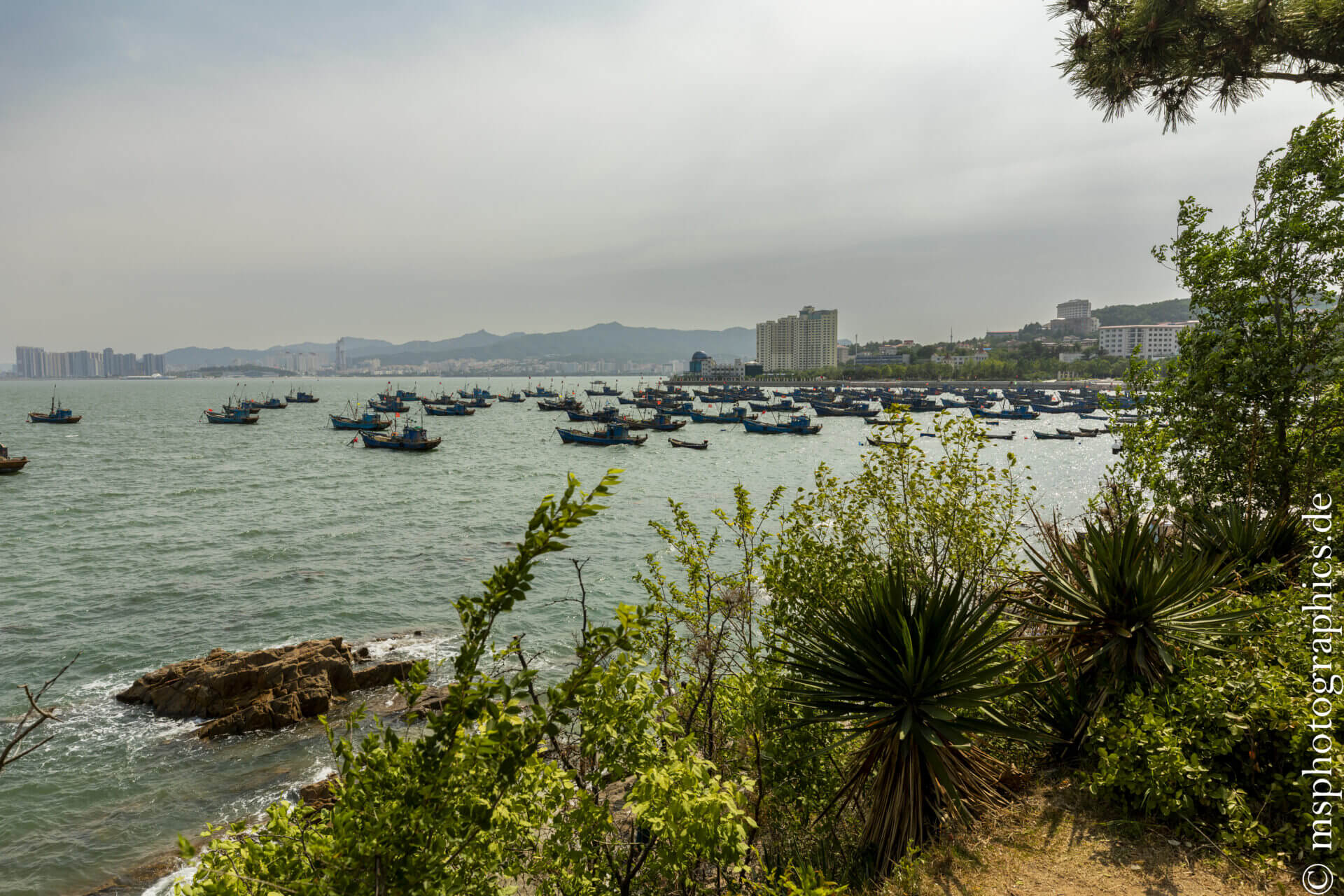
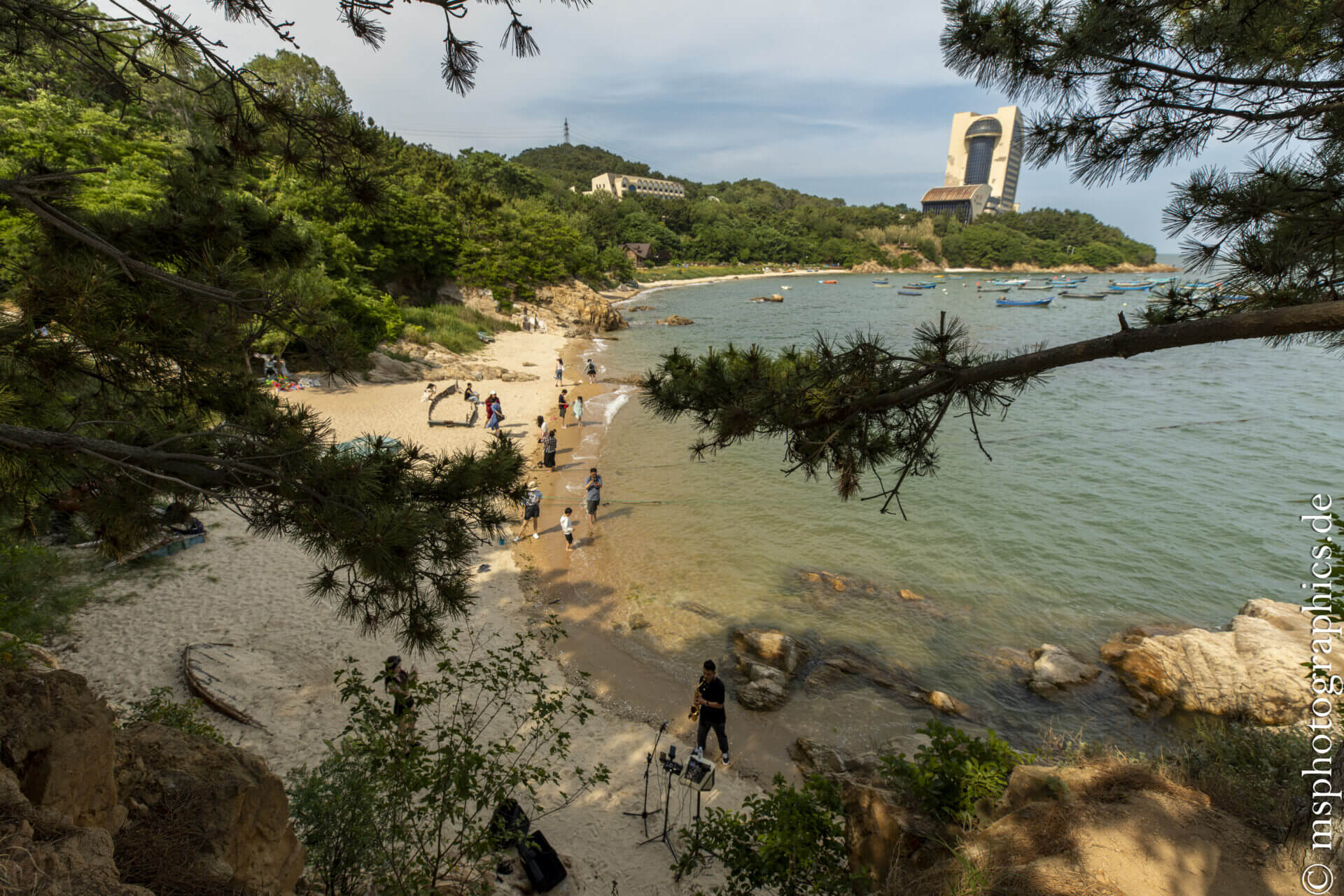
Weihai combines maritime history, economic diversity, first-class environmental quality, and diverse tourism. Its proximity to South Korea and international ferry connections makes the city even more attractive.
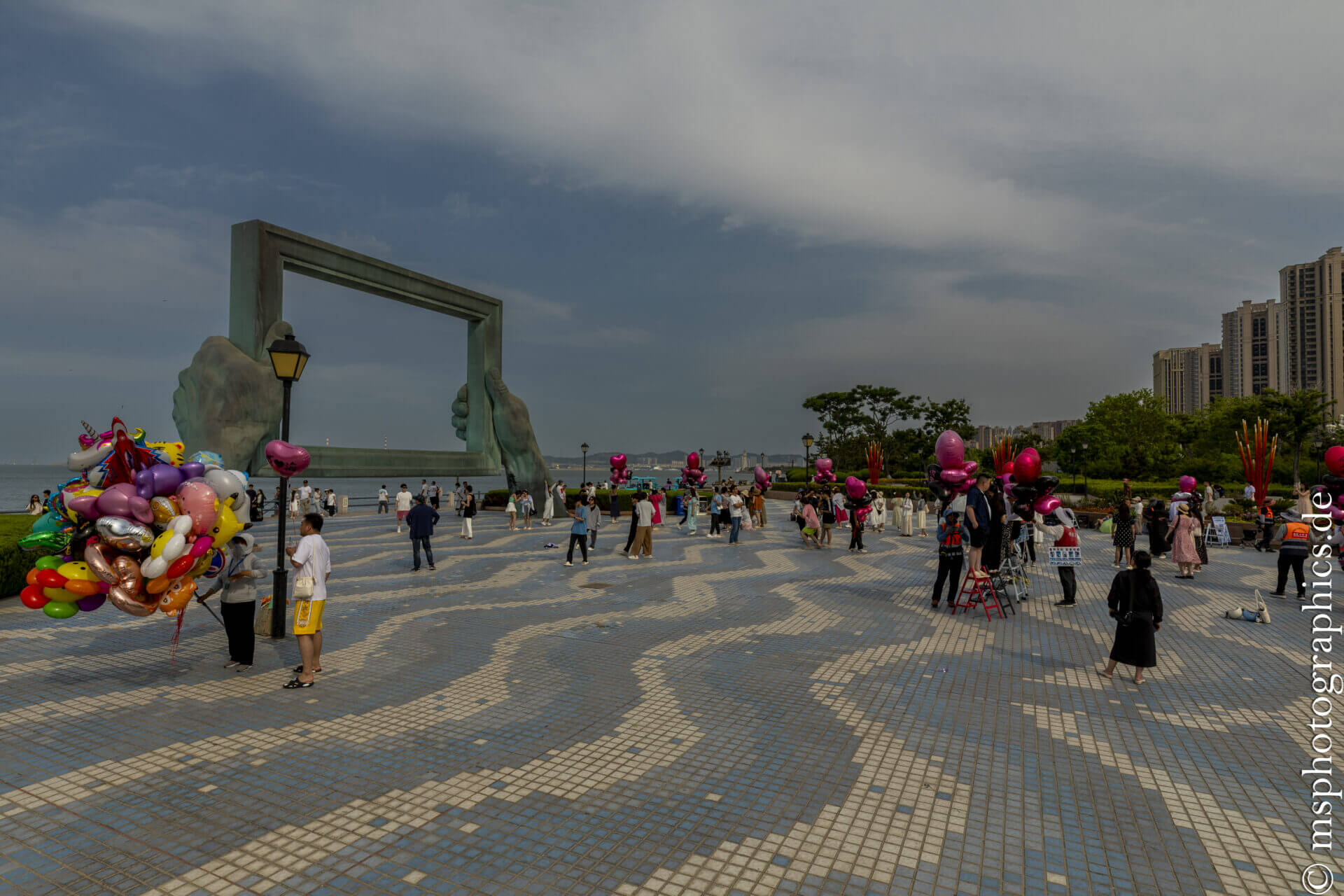
An extremely popular place for meetings, dancing and socializing is located directly on the waterfront promenade.
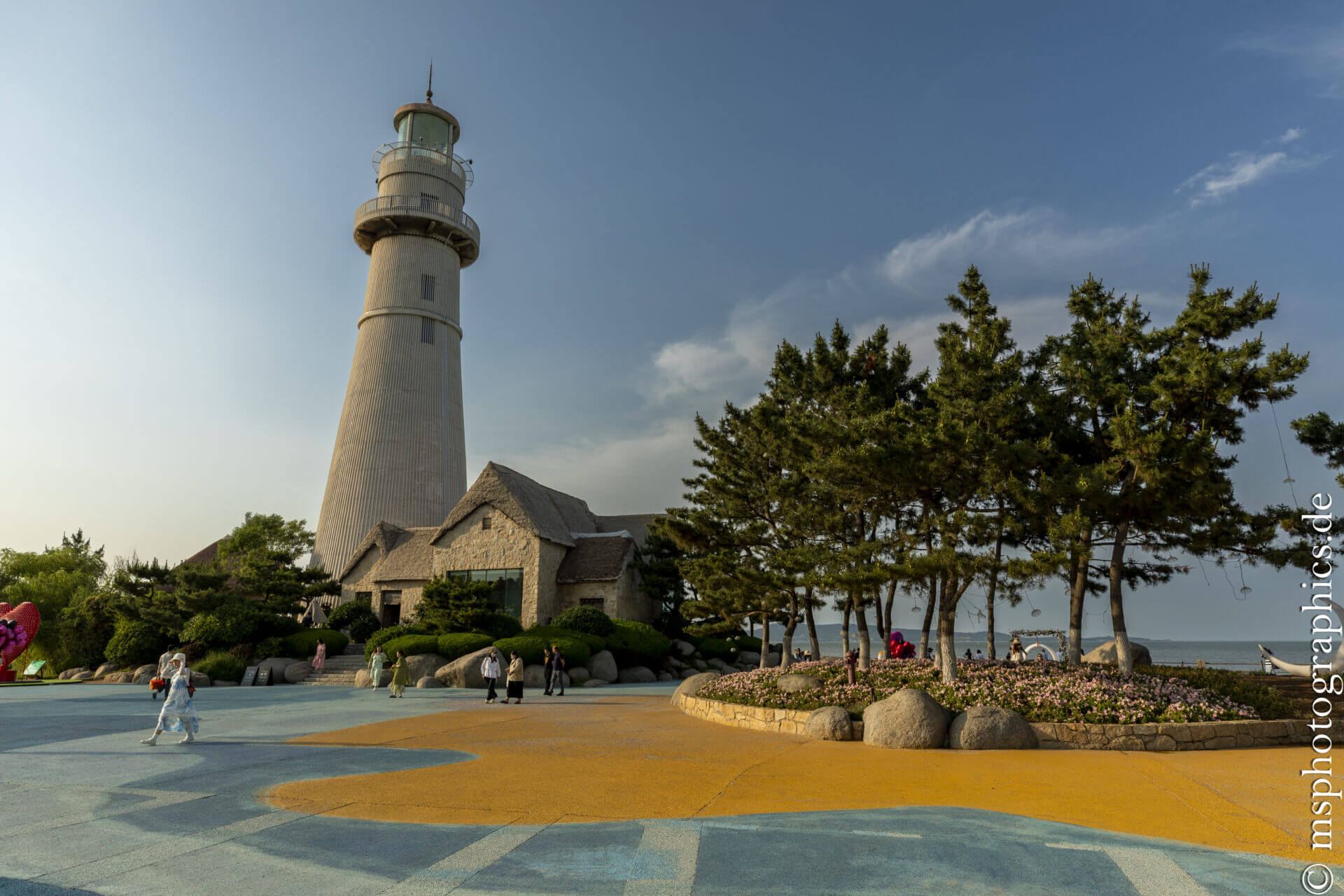
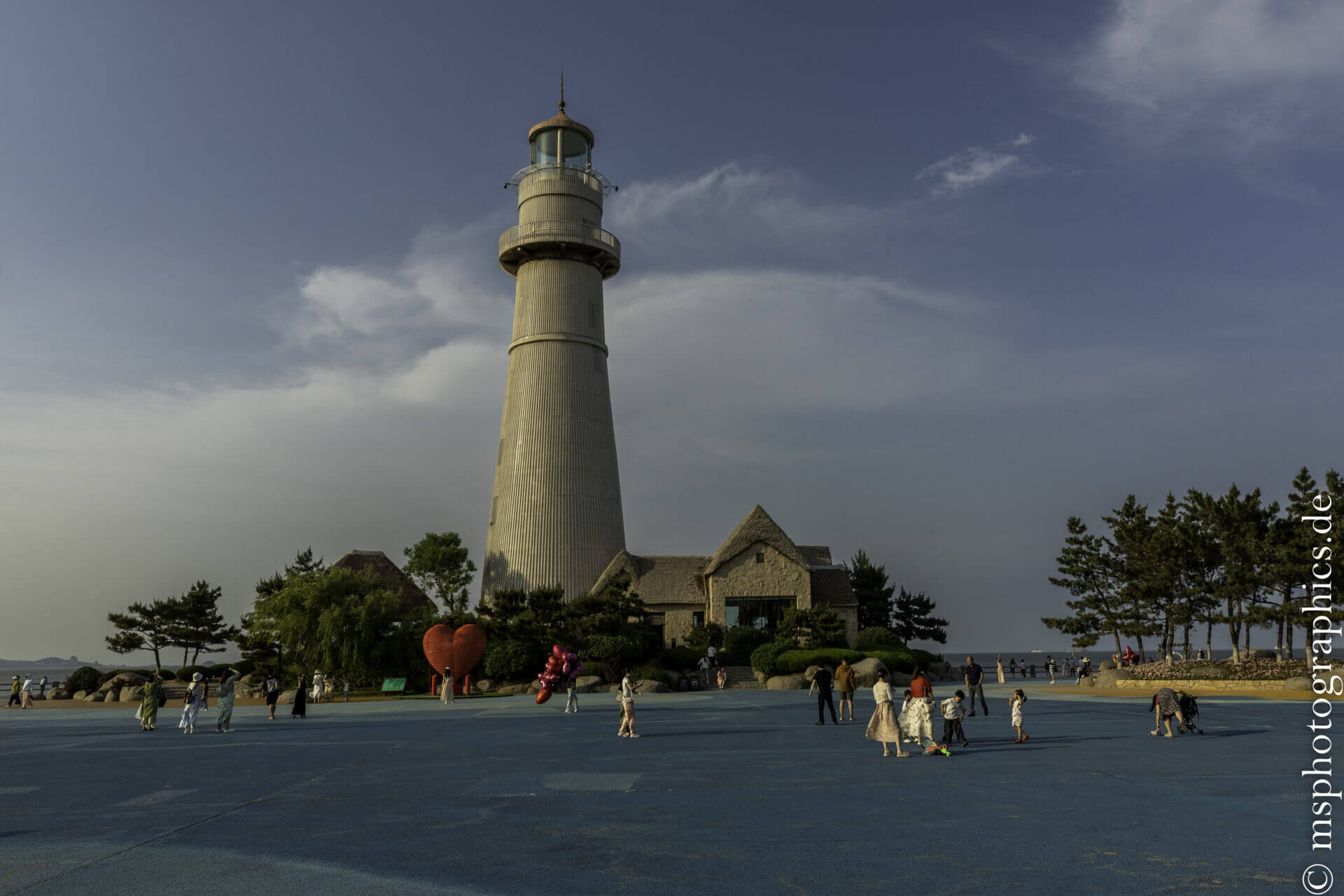
Weihai is a worthwhile destination, whether as a relaxing seaside resort, a maritime historic city or an up-and-coming metropolis full of green energy and cultural diversity.
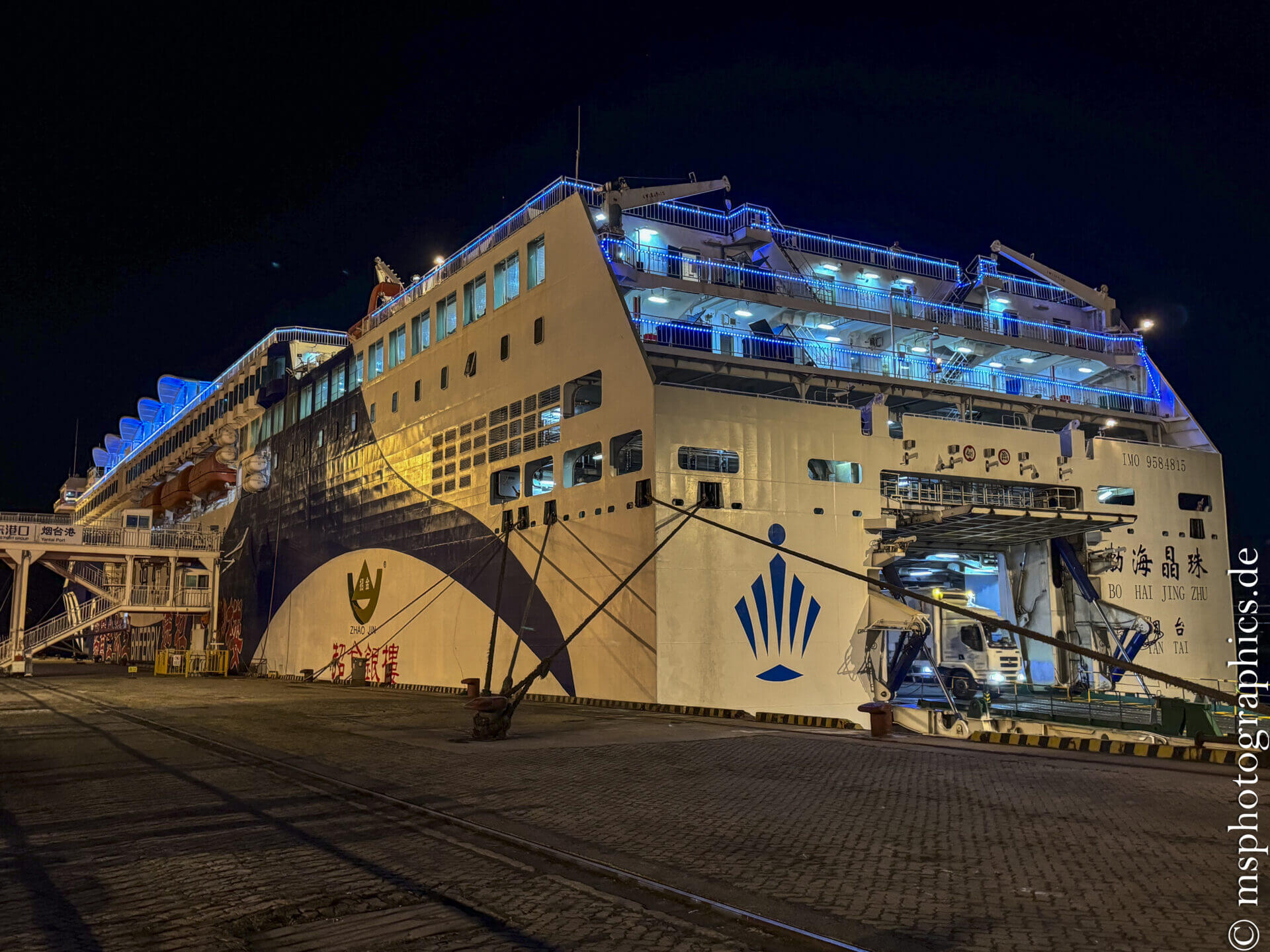
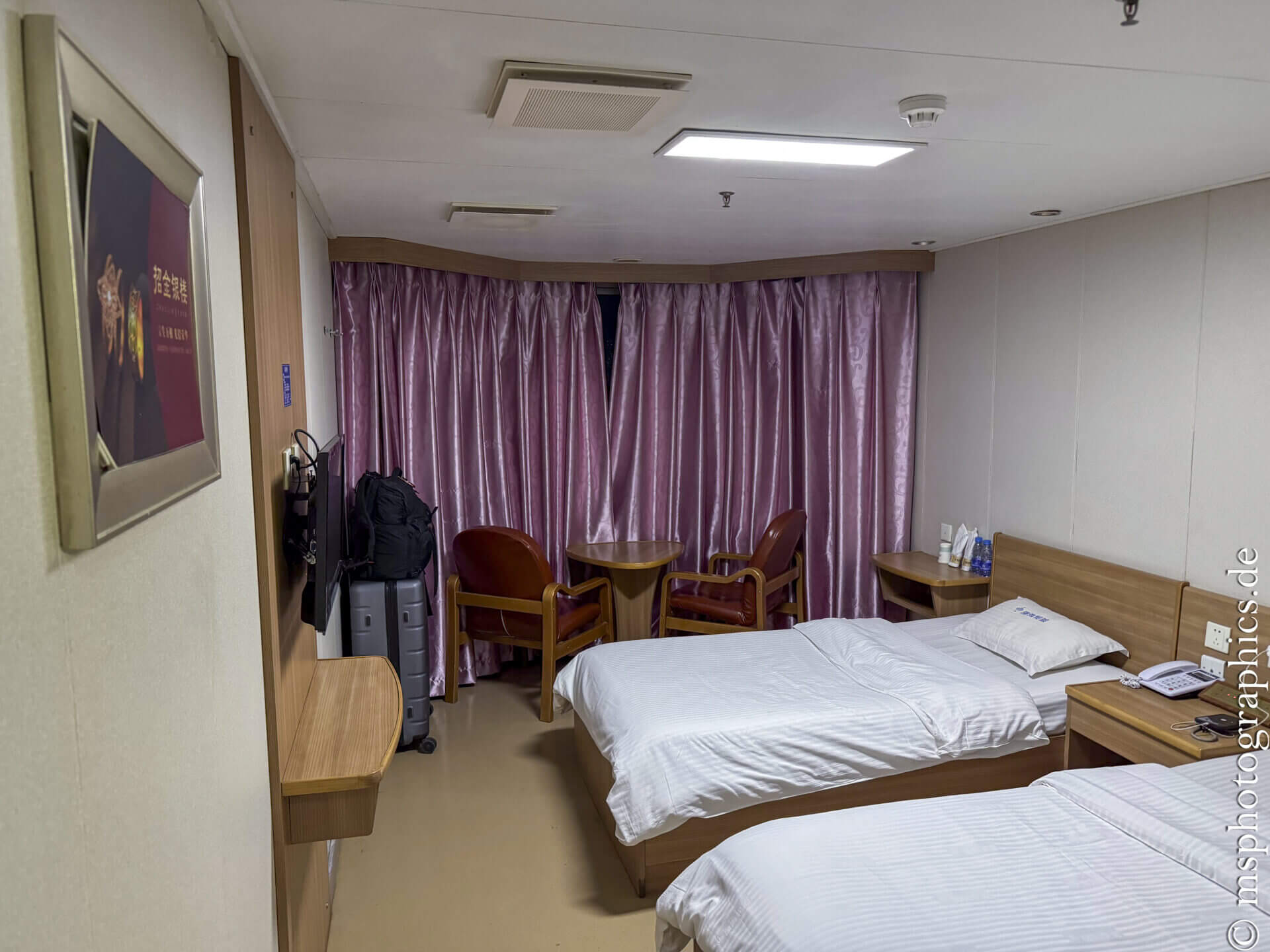
From Weihai we continue overnight by ferry to Dalian.
Arrival in Dalian:

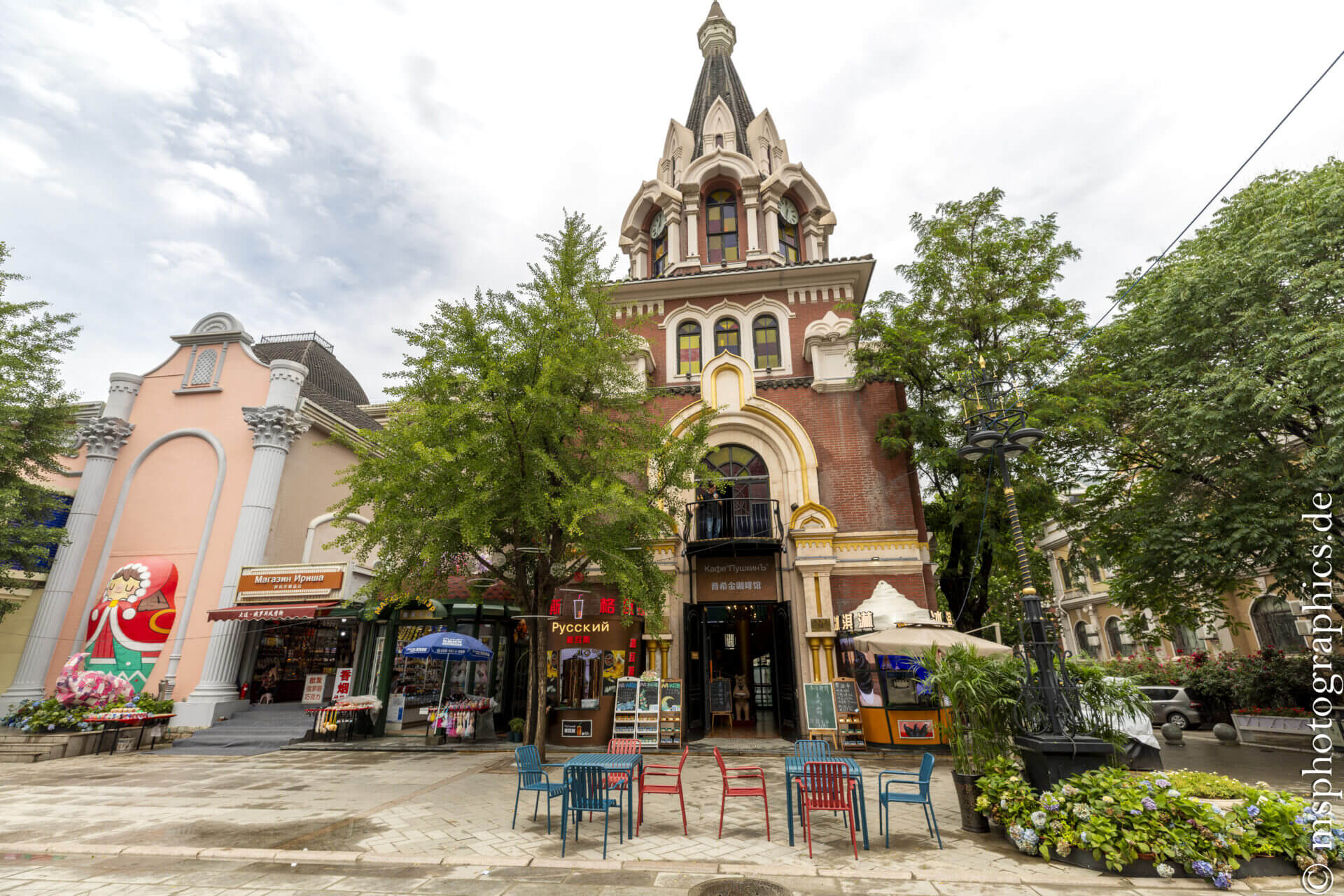
Dalian is located in northeastern China on the Liaodong Peninsula and is China's most important ice-free deep-sea port at the entrance to the Bohai Bay.
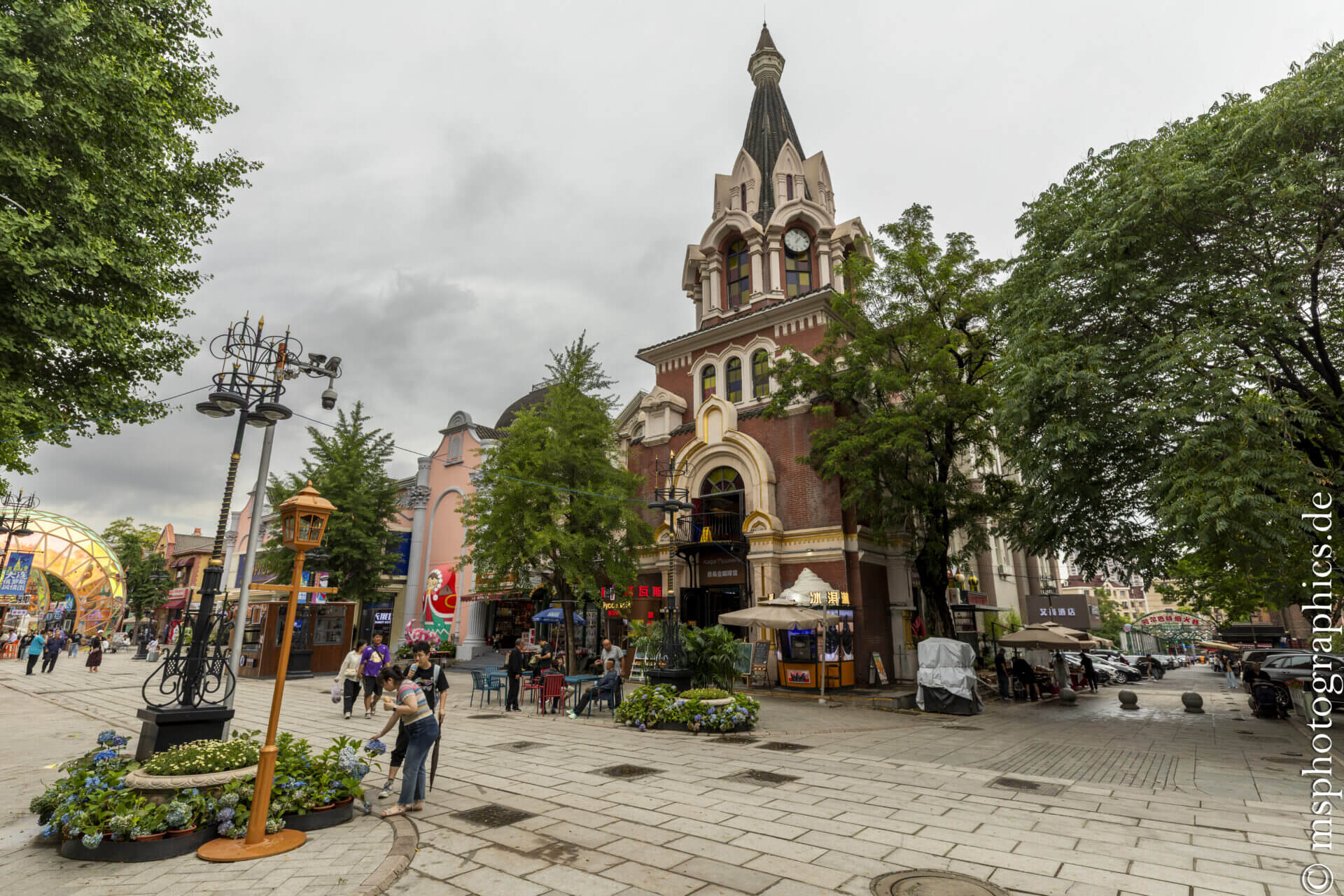
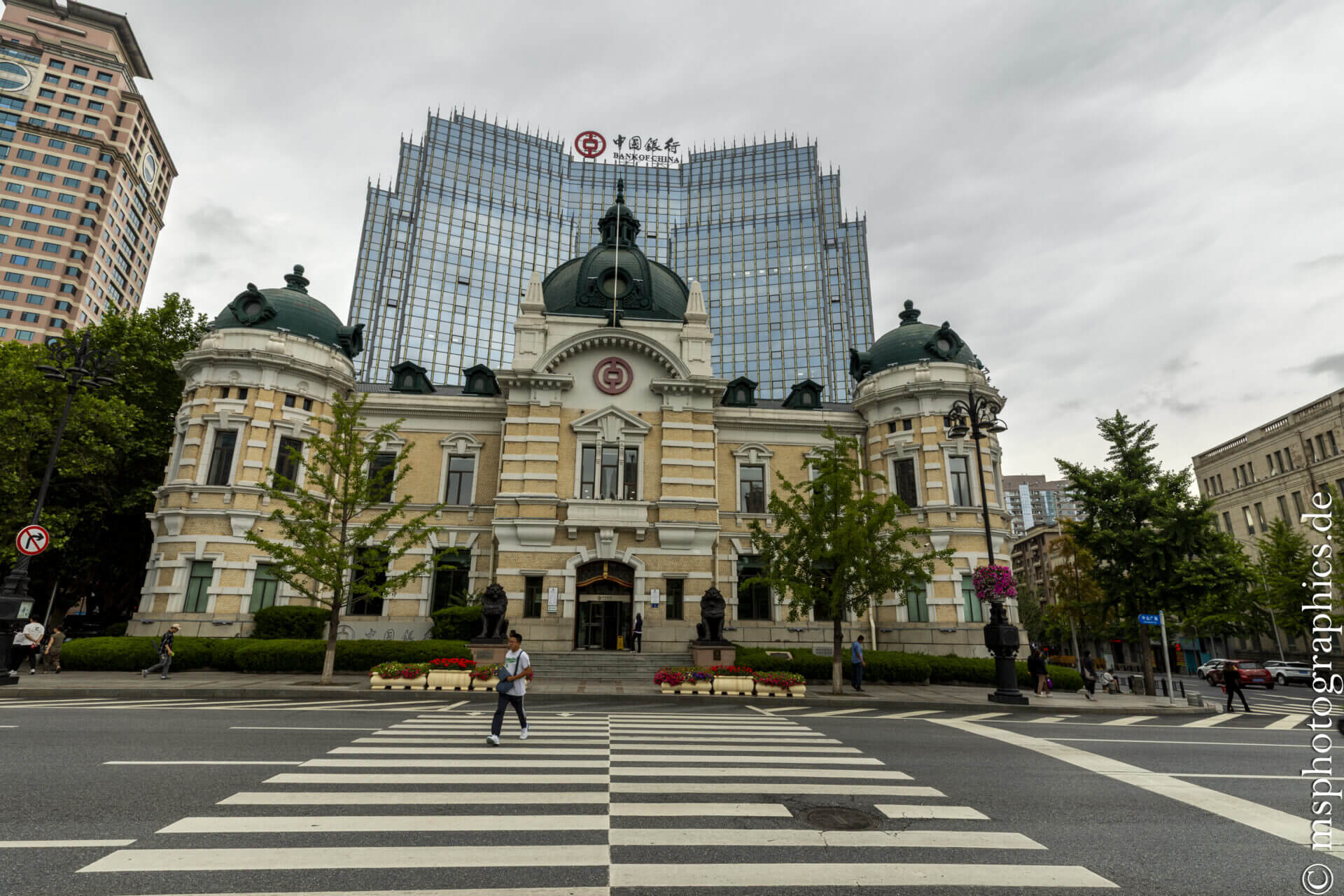
The city encompasses the formerly independent cities of Dalian and Lüshun, which were merged in 1950.
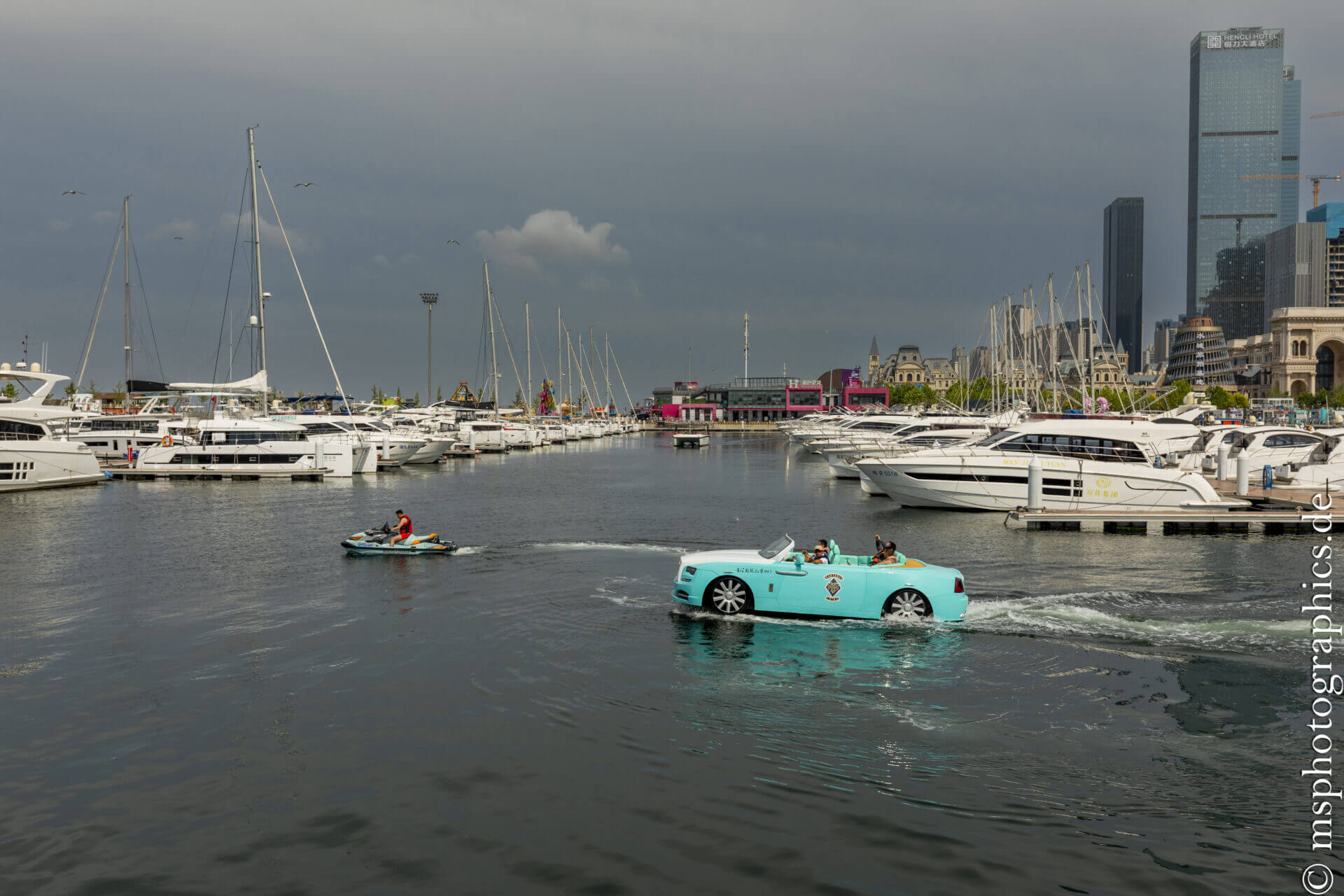
With almost 5 million inhabitants in the urban area and over 7 million in the metropolitan region, Dalian is one of the most prosperous, environmentally friendly, and dynamic coastal cities in northern China.
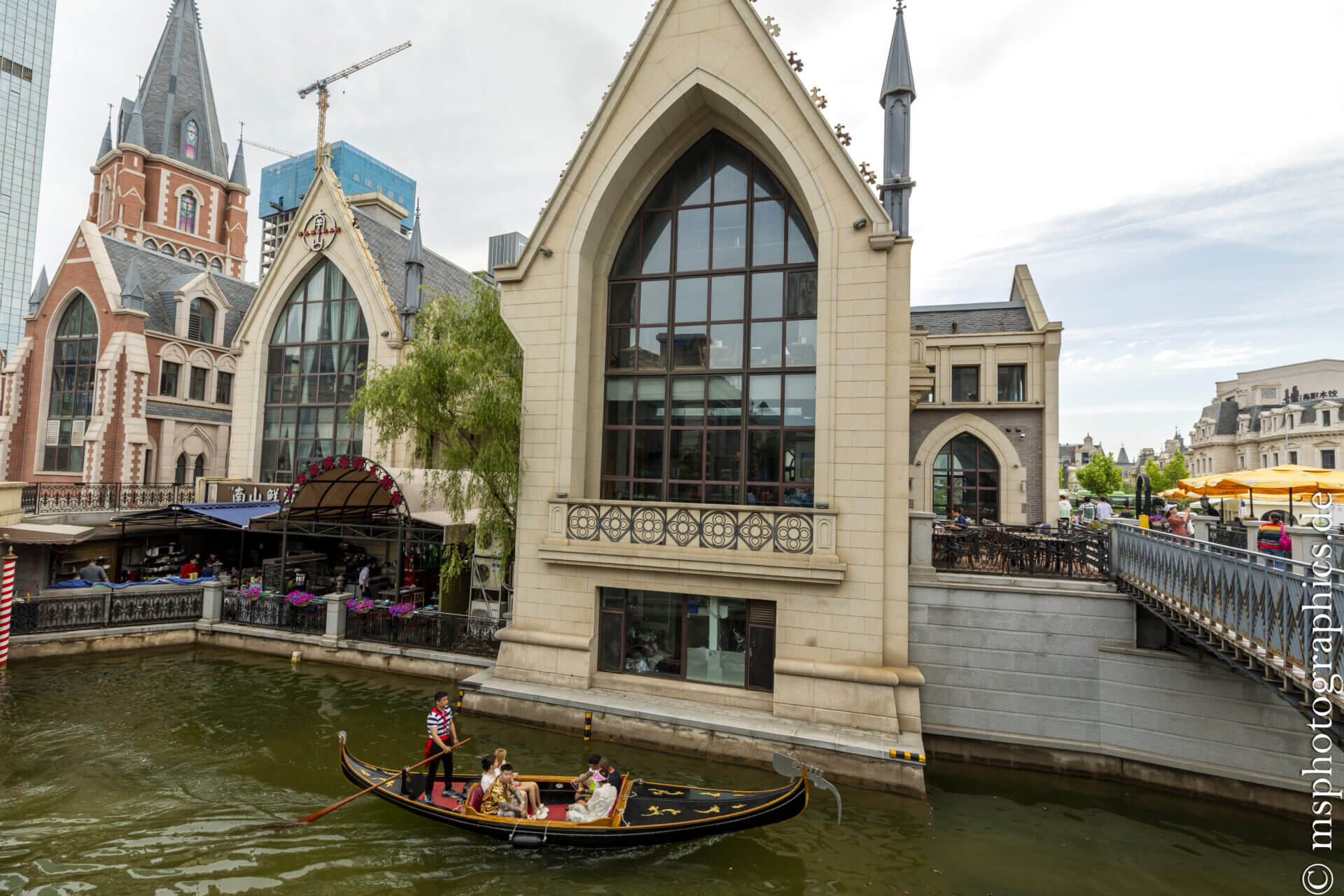

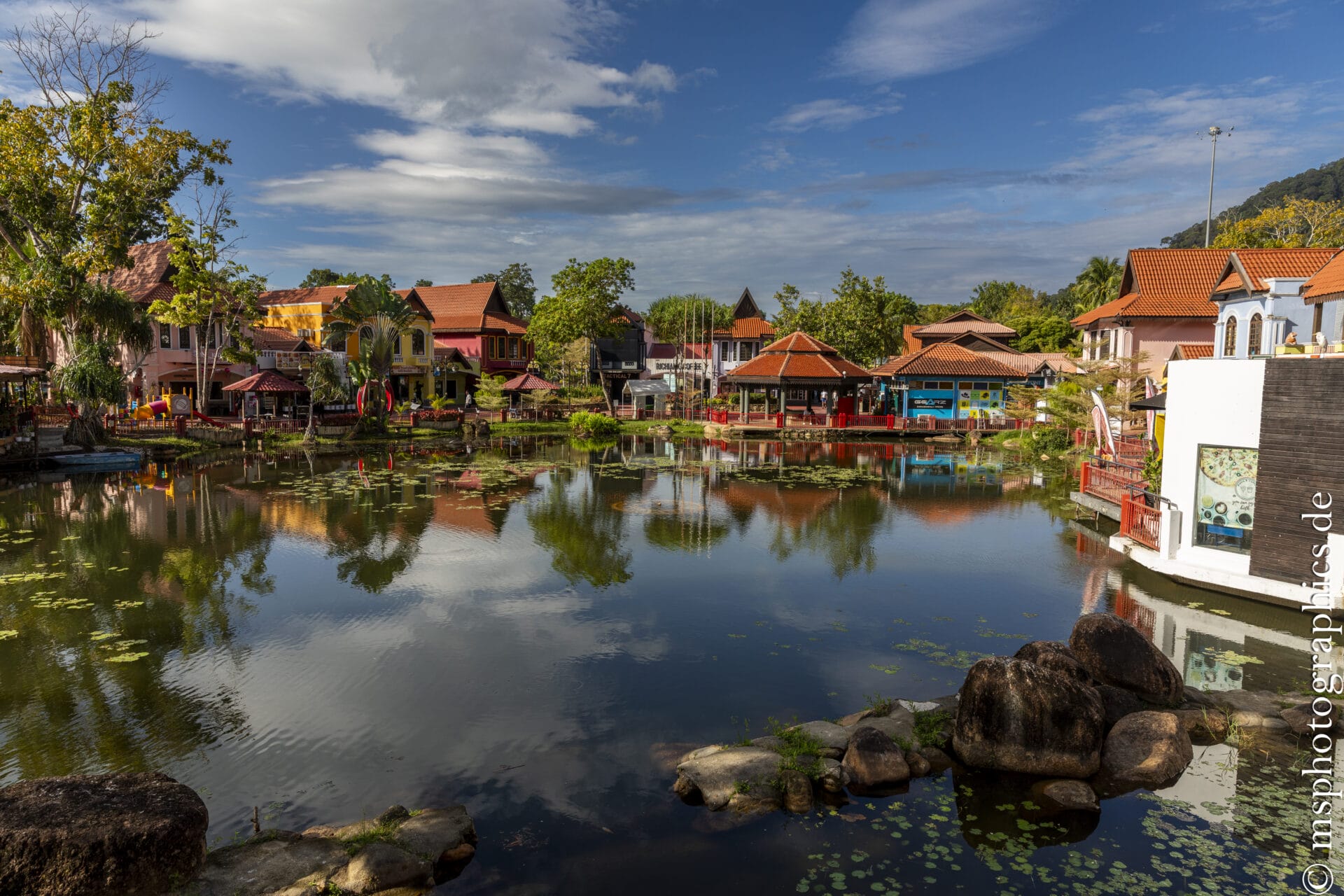
The Oriental Venice Water City is located in the Donggang commercial center in Zhongshan District of Dalian. The park is part of the Jinzhou District investment project and covers an area of around 400,000 square meters, including approximately 300,000 square meters of water surface with a 4 km long artificial canal system.
Inspired by the Italian city of Venice, over 200 European buildings were constructed in Renaissance, Gothic, and Baroque styles. Bridges, town squares, bell towers, the "Bridge of Sighs," and even a replica of St. Mark's Square were included. An artificial water supply brings seawater into the canals—a water city concept that combines aesthetics with ecological water architecture.
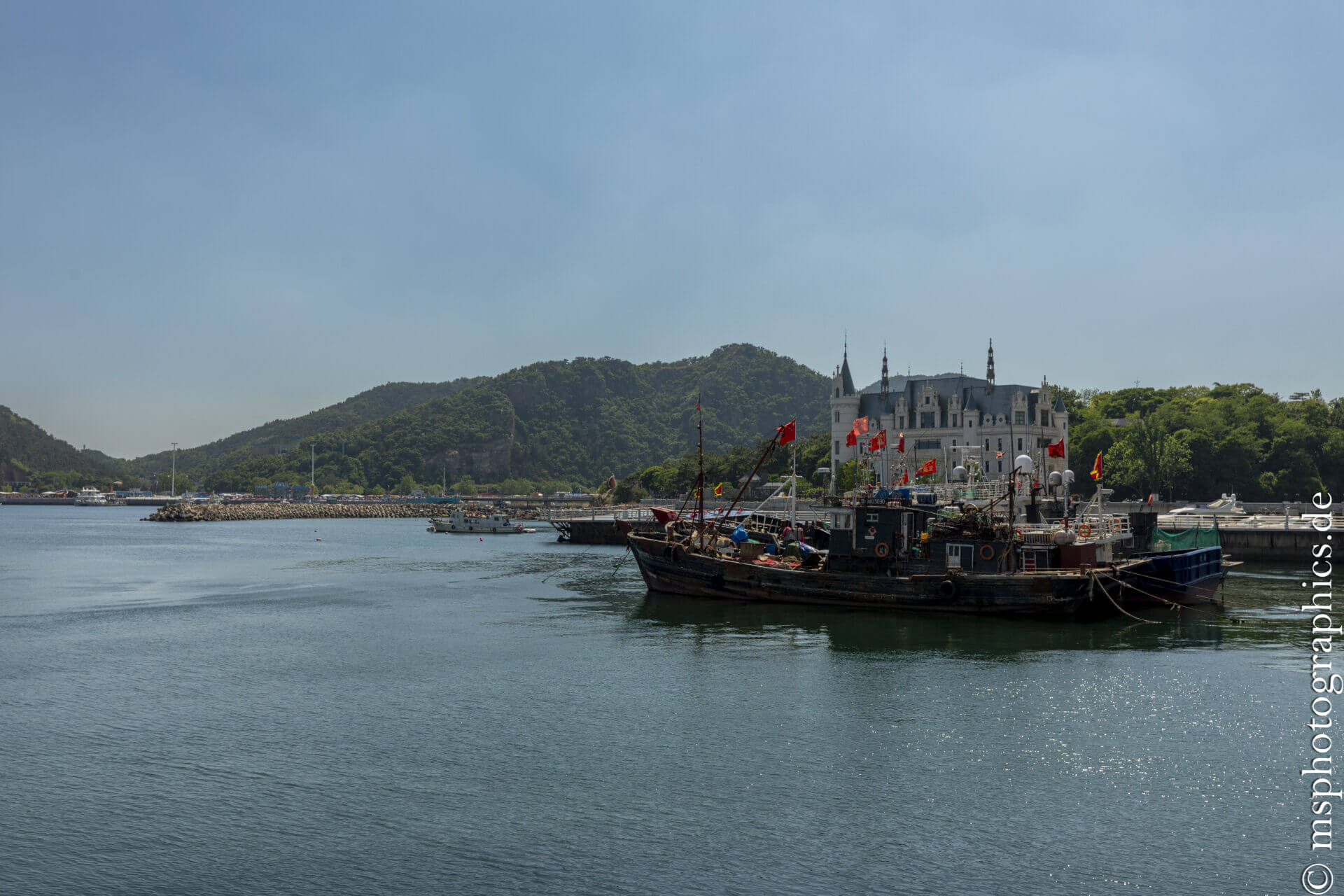
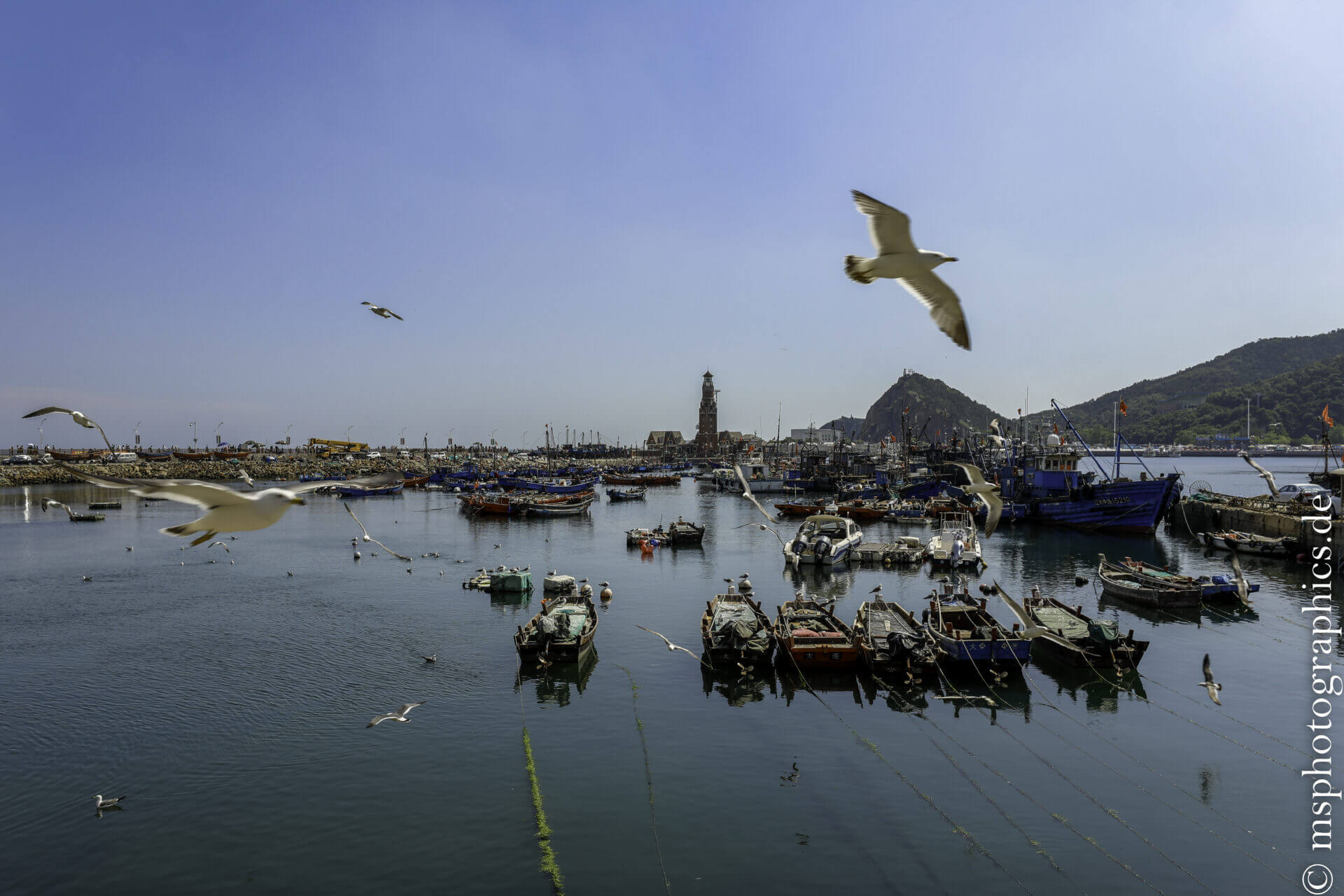
Dalian combines everything that makes China's northern coastal region so unique: picturesque beaches, colonial architecture, a maritime economic power, environmentally friendly urban development, and an excellent quality of life. Whether for families, nature lovers, or business travelers, Dalian offers an attractive mix of relaxation, culture, cuisine, and modern infrastructure.
Conclusion:
The eight-day journey along the coast of northeast China, from Qingdao via Yantai and Weihai to Dalian, offers far more than just beautiful sea views. It's an encounter with a lesser-known, yet all the more diverse part of China. Each place along the route has its own character. Cosmopolitan Qingdao, with its colonial architecture and the flair of German brewing culture; traditional Yantai with its wines and coastal promenades; tranquil Weihai with its clear air and maritime serenity; and finally, cosmopolitan Dalian, where European influences, modern architecture, and urban life blend harmoniously.
The coastal tour of Shandong and Dalian impressively demonstrates how strongly history, nature, and economic development can be intertwined. It invites you to pause, explore coastlines, breathe in the fresh sea air, and discover a different, maritime side of China.
Anyone who wants to understand North China should take this route.
This report is part of my series China travel reports – there you will find an overview of all regions.
0 Comments