City trip Spain by train – Barcelona

City trip Spain by train – travel planning:

A one-week trip was planned for a rail-based city tour of Spain. The journey to Barcelona—the tour's starting point—was made by plane from Germany.

After a two-day stay in Barcelona, ​​the journey continues by train via Granada and Córdoba to Seville.

The Spanish Railways offers special passes for city breaks, which can be used to combine multiple journeys on different types of trains. This makes a trip pleasant and less expensive.

Arrival in Barcelona:

As we arrived in Barcelona it was already dark. From the airport you can easily take the subway to the city center. For city travelers, Barcelona offers cheap multi-day tickets for using public transport.

Colorful lights illuminate a stadium at night, while cars speed by and the city comes alive.

The former bullfighting arena, Arenas de Barcelona, which meanwhile is used as a shopping mall, was already illuminated. A visit to the shopping center during the day is worthwhile, because you have a fantastic view over Barcelona from the terrace of the arena.

A modern lounge with light-colored walls, elegant furniture, and a large screen displaying information.
A modern bedroom with a large bed, soft colors, and a window with sheer curtains that let in diffused light.

I booked the Barceló Sants hotel for the duration of my stay. It is practically integrated into the train station and is particularly suitable for train travelers. But the accommodation can also be easily reached from the airport by subway.

The somehow futuristic-looking accommodation is based on a space station and you will find small, hidden details on the subject of space everywhere.

The included breakfast buffet is rich, fresh and delicious.

Two striking towers with domes stand in a green park, surrounded by trees and gentle clouds in the sky.

The view from the hotel at sunset. Despite the central location, right next to the train station, the rooms are pleasantly quiet.

The Hospital de la Santa Creu i Sant Pau:

An impressive, historic-looking facade with colorful details and a central statue set against a clear blue sky.
A historic red brick building with ornate decorations and a clear blue sky in the background.

The Hospital de la Santa Creu i Sant Pau, which has been a UNESCO World Heritage Site since 1997, is just one of Barcelona's many attractions. The hospital with its 48 independent pavilions was built in two phases, from 1902-1911 and from 1912-1939.

In the foreground are green trees and a bright plaza; in the background stands the impressive, historically styled building with golden domes.

The colorfully decorated buildings are integrated into a magnificent, large garden. Since 2009, the complex is no longer used as a hospital.

Fascinating, historic architecture with red bricks and a colorful tower, surrounded by trees and a clear, blue sky.
A historic building with a red-brick facade, large windows, and a striking dome, surrounded by greenery and a blue sky.

A walk through the garden of the former hospital is a real treat. Chairs and benches invite you to linger and relax. A visit should not be missed when you are in Barcelona.

Walking through Barcelona:

Impressive, historic-looking architecture with towers and red roofs, surrounded by green trees and a blue sky.
A sunny street lined with trees, with a monumental statue in the background and modern buildings on both sides.

Despite the well-developed subway network, it is still worth exploring the city on foot. If you walk from the Hospital de la Santa Creu i Sant Pau along the boulevards of Barcelona, you will pass the Casa de les Punxes.

This fascinating building was constructed in 1905 and has been open to the public again since 2017.

Casa Milà:

The undulating facade of Casa Milà in Barcelona glistens under a bright blue sky with just a few clouds.

The Casa Milà is one of the buildings of Barcelona's most famous architect, Antonio Gaudí. The house was built from 1906-1912. Casa Milà has been part of the UNESCO World Heritage since 1983.

Parts of the building are now used as offices or are still inhabited. In the other rooms there are exhibitions that can be visited.

The courtyard of a historic building with high walls, large windows, and a green corner, softly illuminated by natural light.
On the roof of a building in Barcelona, two people are standing between sculptural chimneys under a bright blue sky.
Three artistically designed chimneys with mosaic-like tiles stand beneath a blue sky in front of a row of light-colored buildings.

The typical features of the architect Gaudí can be found throughout the building. The idiosyncratic shapes, asymmetrical lines and ornaments on the chimneys are just examples.

Casa Batlló:

Colorful facades in the city center, featuring both historic and modern architectural elements, under a bright blue sky.
Fascinating, colorful facade details featuring curved balconies and mosaic-like tiles in an urban setting.
The facade of an artistically designed building featuring colorful mosaics, curved lines, and stylized windows bathed in sunlight.

Not far from Casa Milà is Casa Batlló, another work by Antonio Gaudí. The house was built in 1877 and remodeled in 1904-1906. The building has been a listed building since 1962 and was declared a UNESCO World Heritage Site in 2005. The Casa Batlló is another example of Gaudí's idiosyncratic but fascinating and detailed architectural style.

Through the old town to the beach:

A narrow alley lined with historic buildings, where people stroll while sunlight streams through tall windows.
A green meadow filled with people, with historic architecture and palm trees in the background under a blue sky.
Palm trees line a bright square overlooking the harbor, beneath a brilliant blue sky and bright sunshine.

If you walk south from Casa Batlló, you come through the alleys of the old town and along the promenade La Rambla in the direction of the sea. There are enough places to relax and enjoy the view.

A lopsided, modern building with glass windows stands on the beach, while people relax in the sun and the sky is bright blue.
A crooked tree stands in a bright square, surrounded by palm trees and people, under a clear sky.
A gentle sunset colors the sky above a beach where people are relaxing and playing volleyball.

The Platja de Sant Miquel, one of Barcelona's city beaches, is a great place to end the day and enjoy the sunset before returning to the accommodation.

The Park Güell:

A bright, sunny scene featuring lush greenery, a historic building, and a striking, spiral-shaped tower in the background.
Two round, colorful mosaic panels featuring intricate patterns are mounted on a rough, earthy wall.
An artistic sculpture featuring colorful mosaics and an animal's head, surrounded by green plants and a clear sky.

Like Casa Milà and Casa Batlló, Park Güell is another project of Antonio Gaudí. It was built from 1900-1914. The site was left in its natural state and the buildings were integrated into the hilly landscape accordingly.

The park has been part of the UNESCO World Heritage since 1984.

A sunny landscape with tall palm trees and green trees, surrounded by ancient stone arches and a clear blue sky.
A historic, reddish-brown facade with a curved roof and a large window, surrounded by green trees and shrubs.

On an area of about 17 hectares, you can go for a pleasant walk and discover the countless details of Antonio Gaudí's buildings.

A stylish building with a gleaming dome, surrounded by greenery and a bright blue sky.
In Barcelona's Park Güell, people can be seen on a staircase amid palm trees and colorful mosaics under a bright blue sky.

Because of the immense number of visitors, the park has been subject to a fee since 2013 and only a part is still open to the public. A visit is definitely worth it due to the fascinating architecture and the spectacular view.

Colorful, imaginative architecture with curved shapes and a tall, spiral-shaped tower against a clear, blue sky.
Barcelona City Break by Train
A colorful, mosaic-adorned sculpture of a salamander spouts water as tourists in summer clothes walk by.

The Park Güell is my personal highlight in Barcelona, due to its location and the unique landscape.

The Sagrada Família:

Green trees are in the foreground, while the impressive Sagrada Família, with its scaffolding and clear sky, stands out in the background.
A view of the intricately designed ceiling with delicate columns and golden ornamentation in a light-filled room.
Colorful stained-glass windows with vibrant hues in an architecturally impressive church; soft light streams in.
The impressive interior of a cathedral, with tall, slender columns and colorful light streaming through the windows.

The Sagrada Família is Antonio Gaudí's most important building. Construction began in 1882 and was originally scheduled to be completed in 2026. Due to the corona pandemic, however, completion will be further delayed.

Modern architecture shapes the city's skyline, while the ocean sparkles in the background and the sky is clear.
A view of a sprawling cityscape with numerous buildings, the ocean, and a cruise ship in the background.
A view over the rooftops of a city with historic buildings and churches, under a blue sky and in bright sunlight.

From the towers of the Sagrada Família you also have an excellent view over the city. Even if the cathedral is not yet finished, you should definitely plan a visit.

Two dogs are standing on a gray cobblestone street; one is lying there relaxed, while the other is looking around curiously.
A red double-decker bus drives down a bustling street, surrounded by people and market stalls on a sunny day.

If the distances in Barcelona are too long and strenuous to walk, you can also easily reach the sights by subway or on a city tour by bus.

Conclusion:

Barcelona is not only one of the largest cities in Europe, but also has a lot to offer culturally and architecturally. The buildings by Antonio Gaudí in particular characterize the cityscape and are among the most important sights of the metropolis.

For some of the popular buildings and sights, tickets are limited due to the high number of visitors and it is important to make reservations in advance.

If you are interested in unusual architecture and Mediterranean flair, you will certainly not be disappointed in Barcelona. Two days isn't much, but it's just enough to explore the most important sights of the Catalonian capital.

This report is part of my series Europe travel reports – there you will find an overview of all countries.
You may also be interested in the following articles:

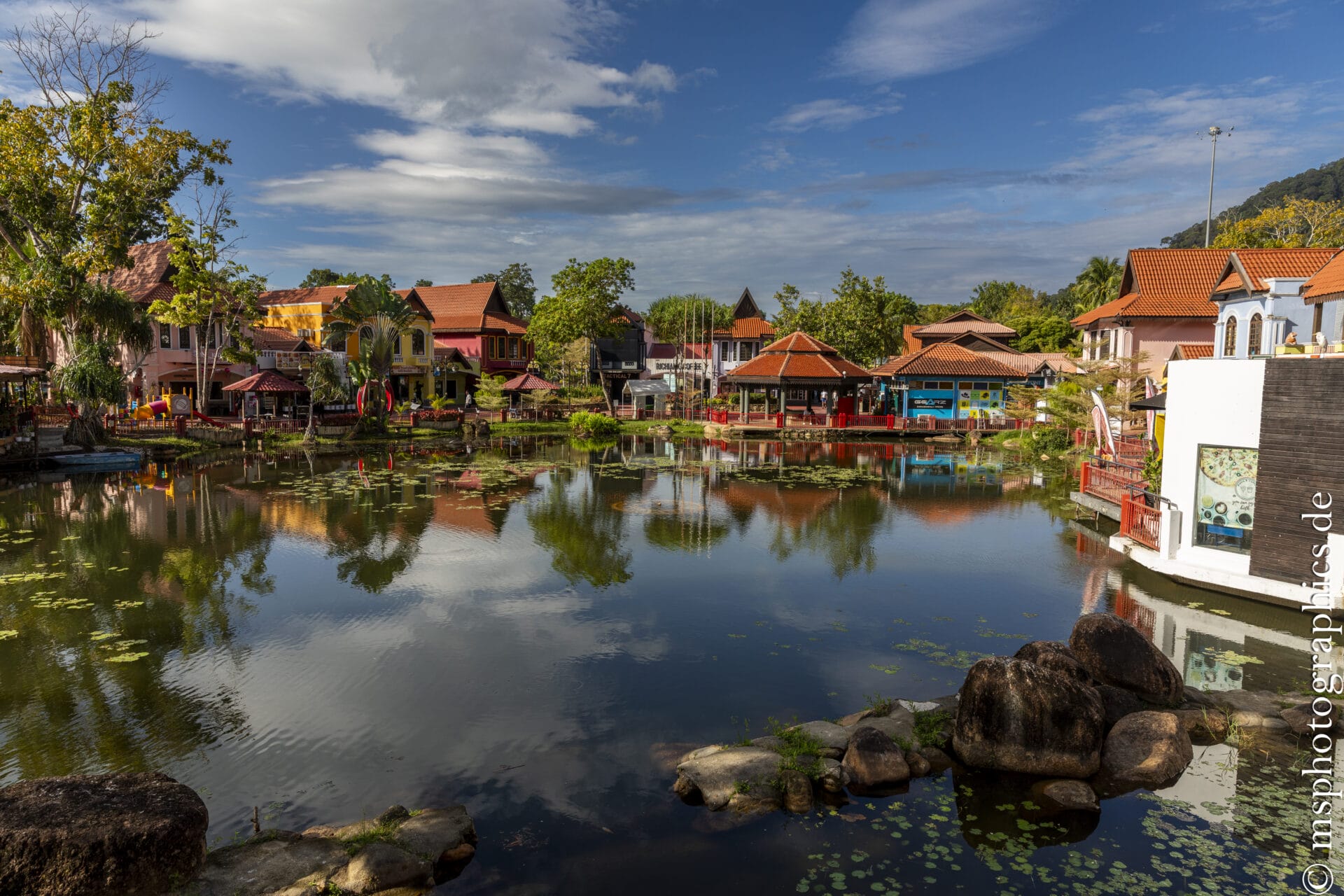
Langkawi-Kuala Lumpur Round-Trip Tour

Langkawi, Koh Lipe & Kuala Lumpur

A round trip from Langkawi via Koh Lipe to Kuala Lumpur. Eight days amidst mangroves, wildlife, and a vibrant metropolis—featuring the Sky Bridge, a sunset cruise, and snorkeling highlights.

read more...
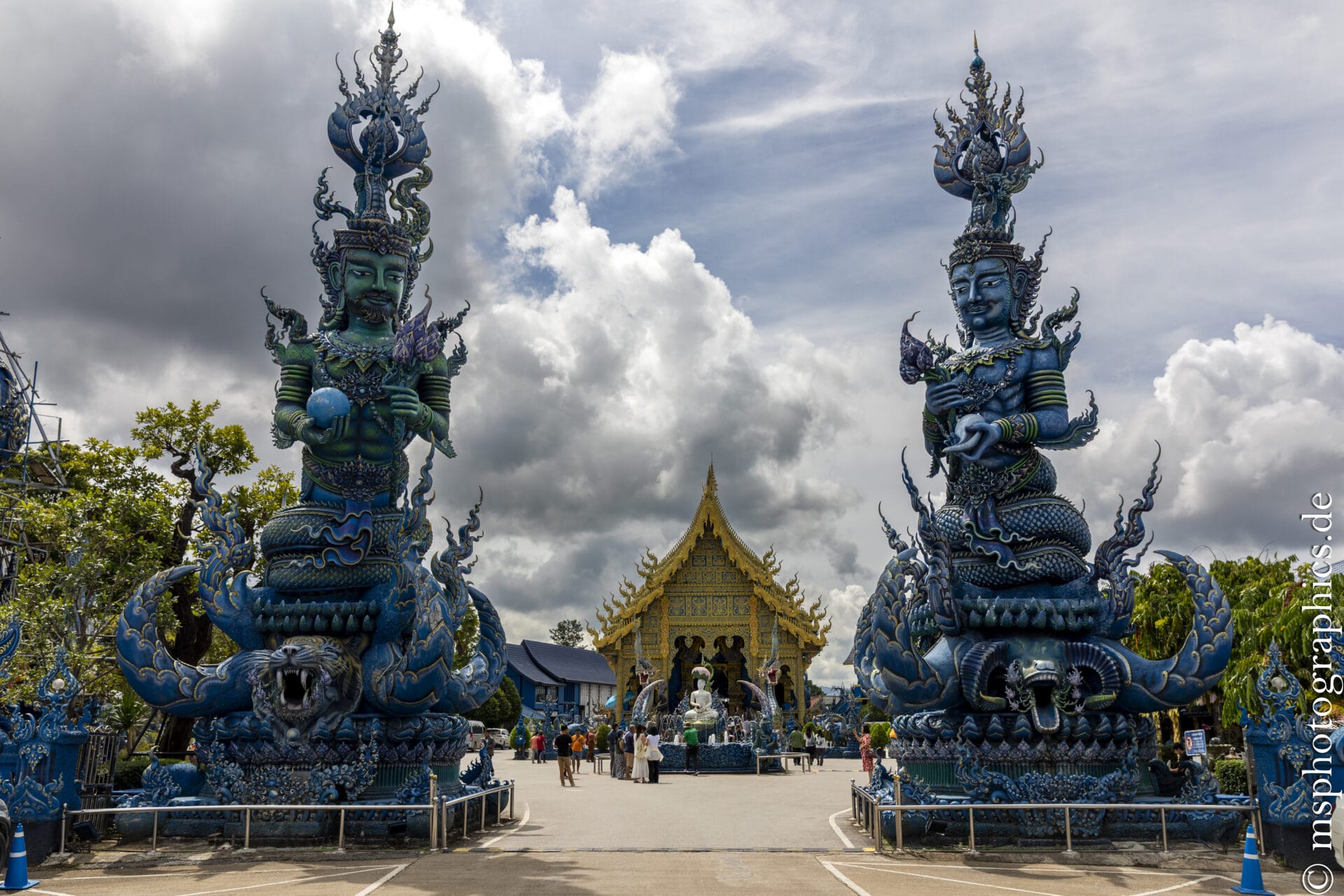
Northern Thailand Tour - Chiang Mai & Bangkok

Northern Thailand, Chiang Mai & Bangkok

Thailands Norden, Chiang Mai & Bangkok - Reiseplanung: Für die Rundreise Nordthailand - Chiang Mai & Bangkok waren acht Tage geplant. Von Peking flogen wir mit einem fünfstündigen Flug über Bangkok nach Chiang Mai. Nach sechs Tagen Aufenthalt in Chiang Mai flogen wir...

read more...
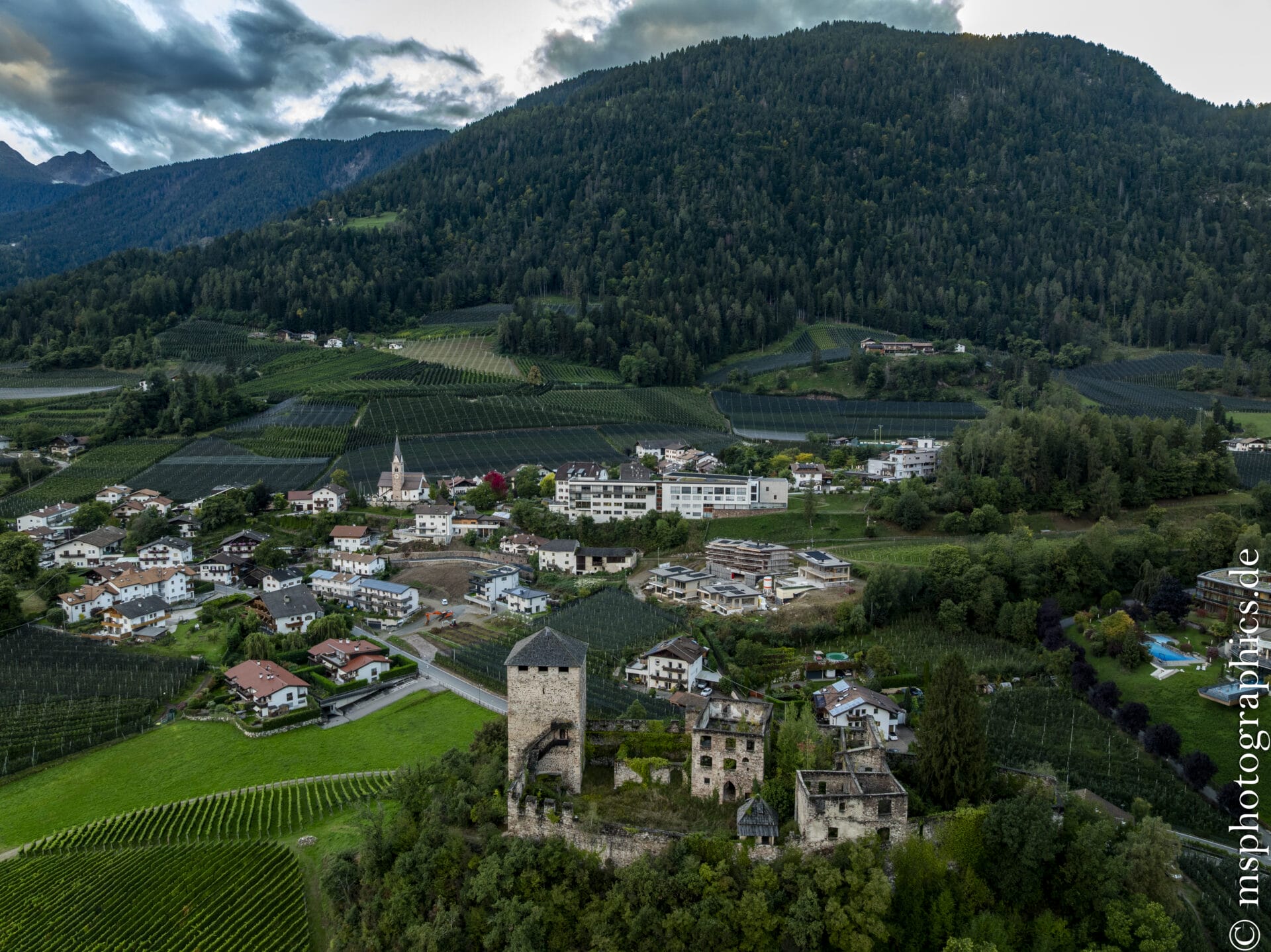
South Tyrol Tour: Bolzano and Merano

South Tyrol between Bolzano and Merano

South Tyrol in autumn and winter: South Tyrol, located in northern Italy, is a region that captivates with its breathtaking nature and cultural diversity. Nestled between the mighty Dolomites and gentle alpine slopes, South Tyrol offers a unique...

read more...

0 Comments

Submit a Comment

Your email address will not be published. Required fields are marked *

This site uses Akismet to reduce spam. Learn how your comment data is processed.