


A weekend in Lisbon – Travel planning:
Lisbon, the capital of Portugal, is located on a bay in the Tagus estuary in the very south-west of Europe at the Atlantic coast of the Iberian Peninsula. Due to the location, the summers are not too hot and the winters are correspondingly mild.
Arriving by plane is possible within Europe from almost all major airports. A weekend was planned for the visit.


Arrival in Lisbon:


For the duration of my stay, I reserved the Hotel Principe Lisboa for two nights. From the airport, the accommodation can be reached by subway in about 25 minutes without changing trains. To the city you either walk or go as well by subway. The station São Sebastião is right next to the property.
The rooms are pleasantly furnished and some have a balcony. A rich continental breakfast buffet is included in the price.
The city center of Lisbon:

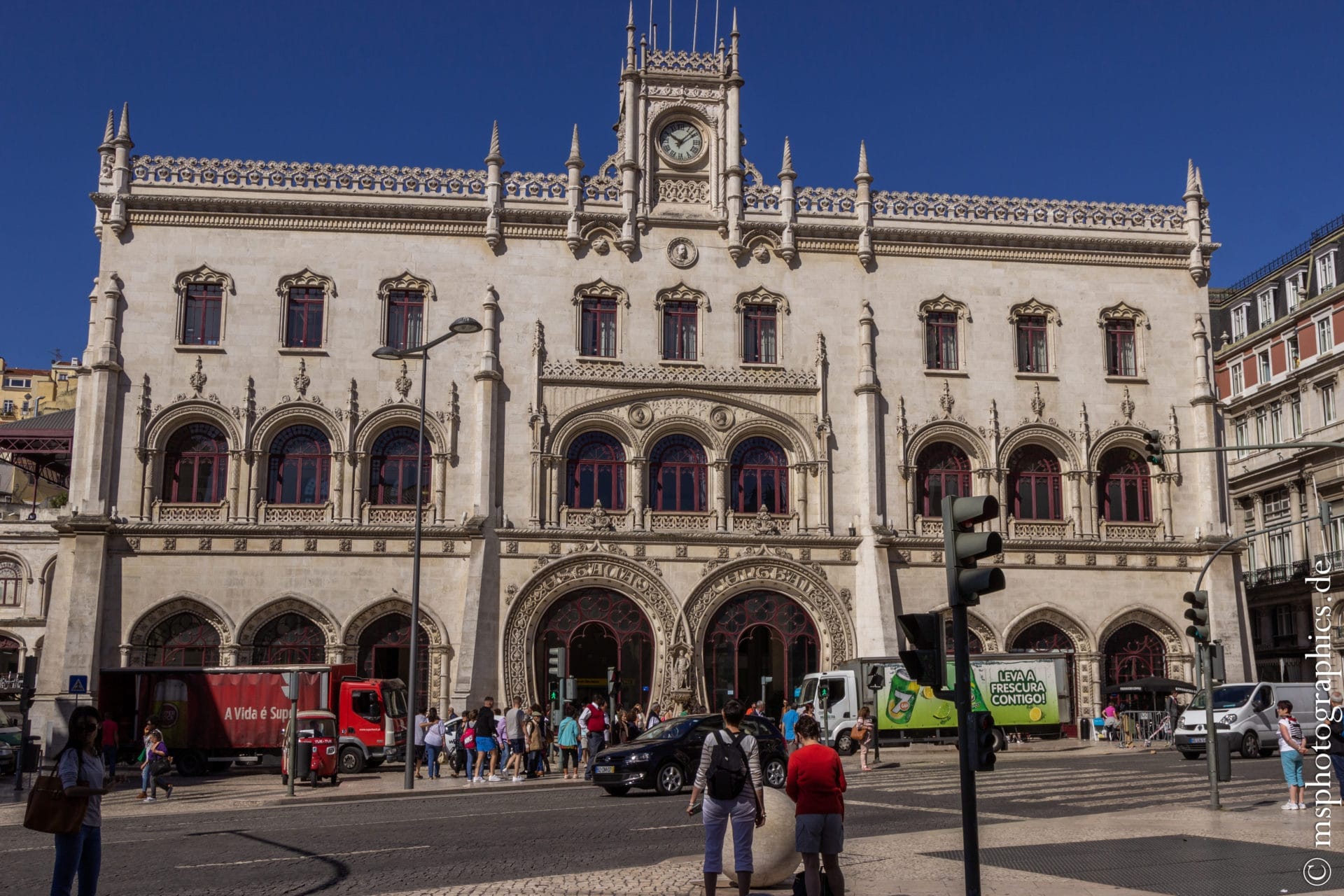
If you walk from the accommodation towards the city center, you first pass the Praça dos Restauradores with the Obelisk Monumento dos Restauradores. A monument commemorating Portugal's independence from Spain in 1640.
The path continues past the historic Lisbon Rossio train station. The station was opened in 1890 and Lisbon regional trains still run here today.
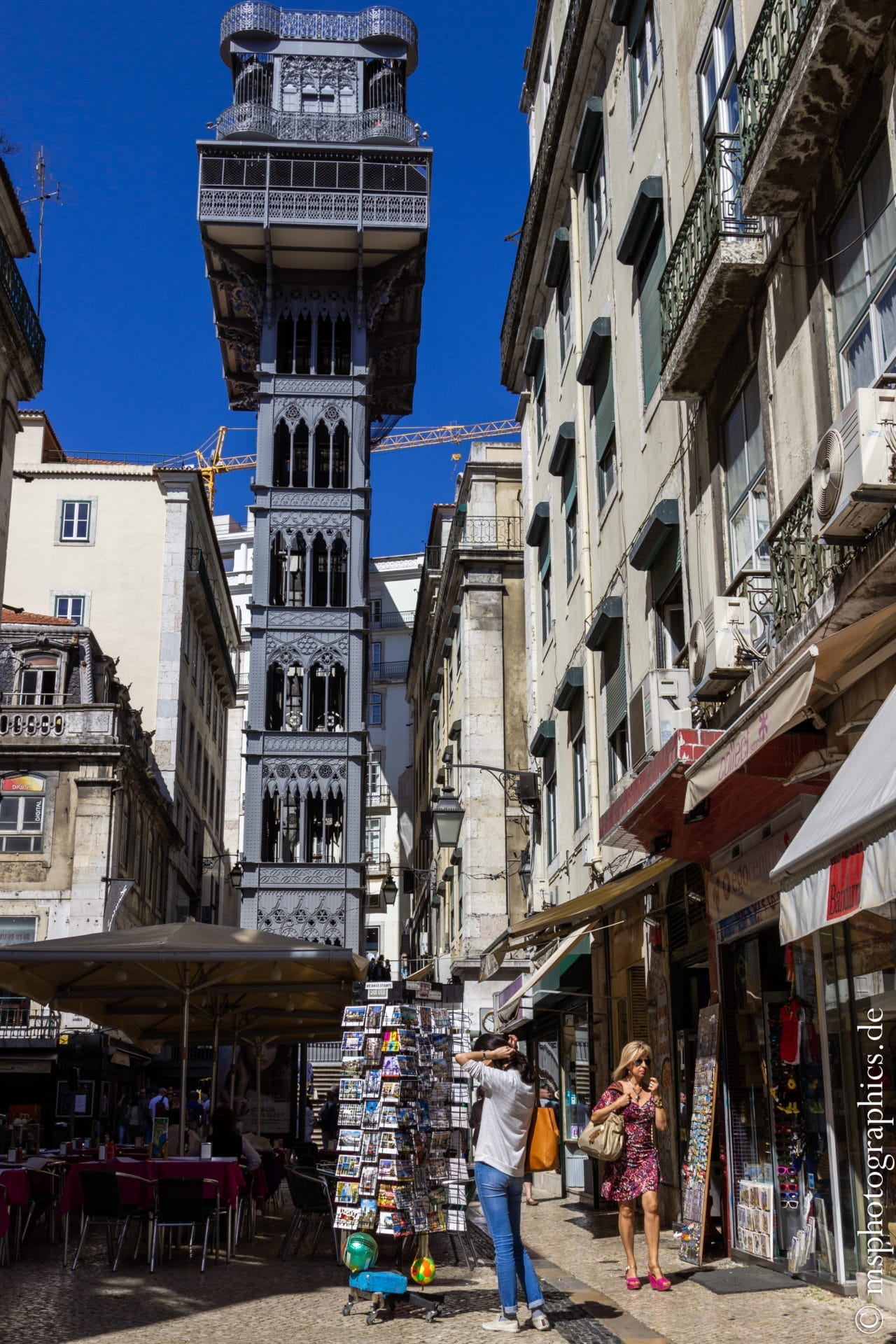
Because of the hilly terrain on which the city is built, elevators are used in the center. These connect the different parts of the city with each other. The famous elevator Elevador de Santa Justa allows pedestrians to get from the Baixa district to the higher Chiado district.
The historic tram of Lisbon:

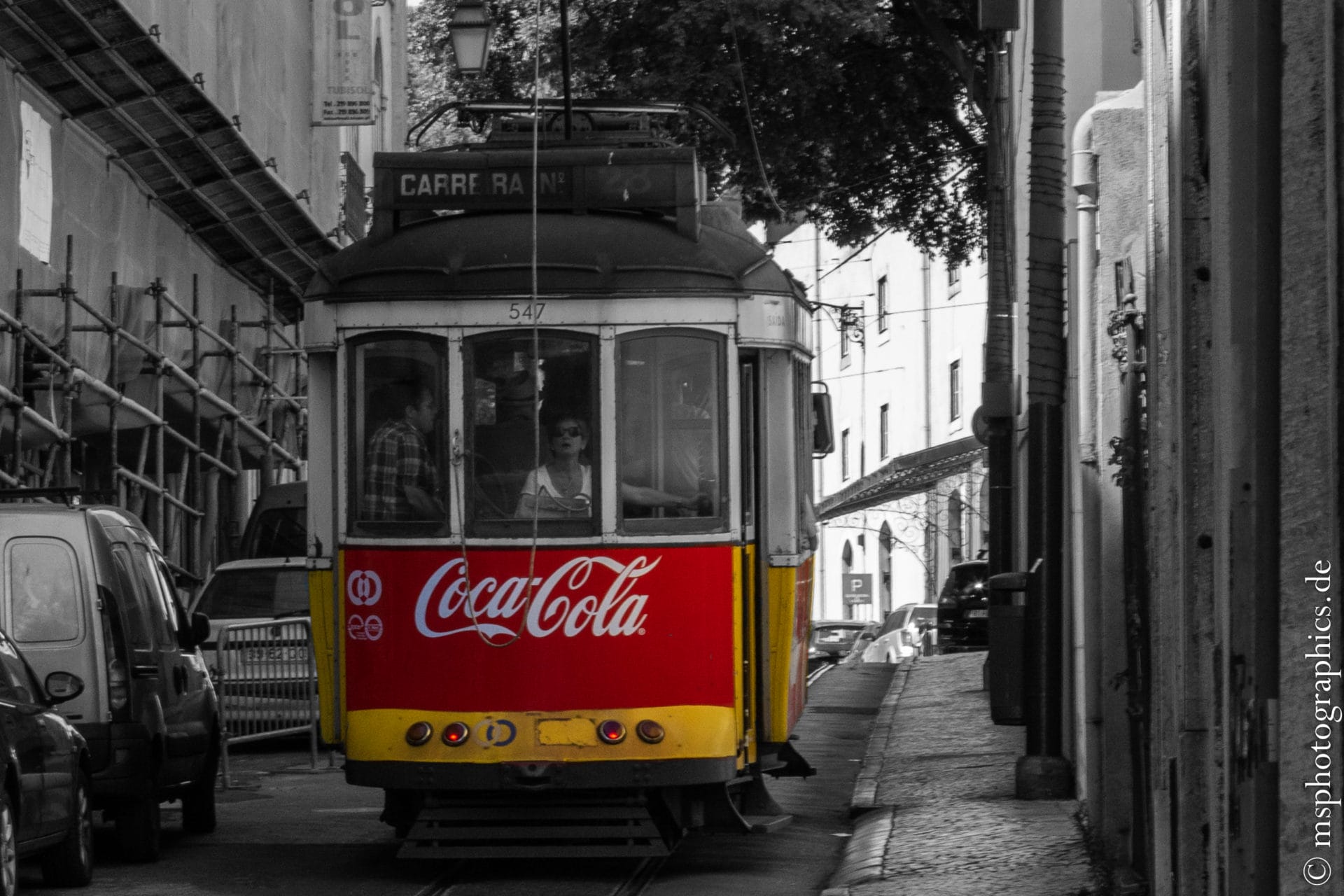

The Lisbon Tram is the oldest tram in Europe. The historic-looking Eléctricos de Lisboa are still used on some routes today operated. The vehicles, which are still in regular service, are perfect for a special kind of city tour.
A drive through the winding, narrow and mountainous streets of the old town is a special experience that should definitely be part of a visit to Lisbon.

After an entertaining and varied tour by tram, we continued the sightseeing of the city by walking.
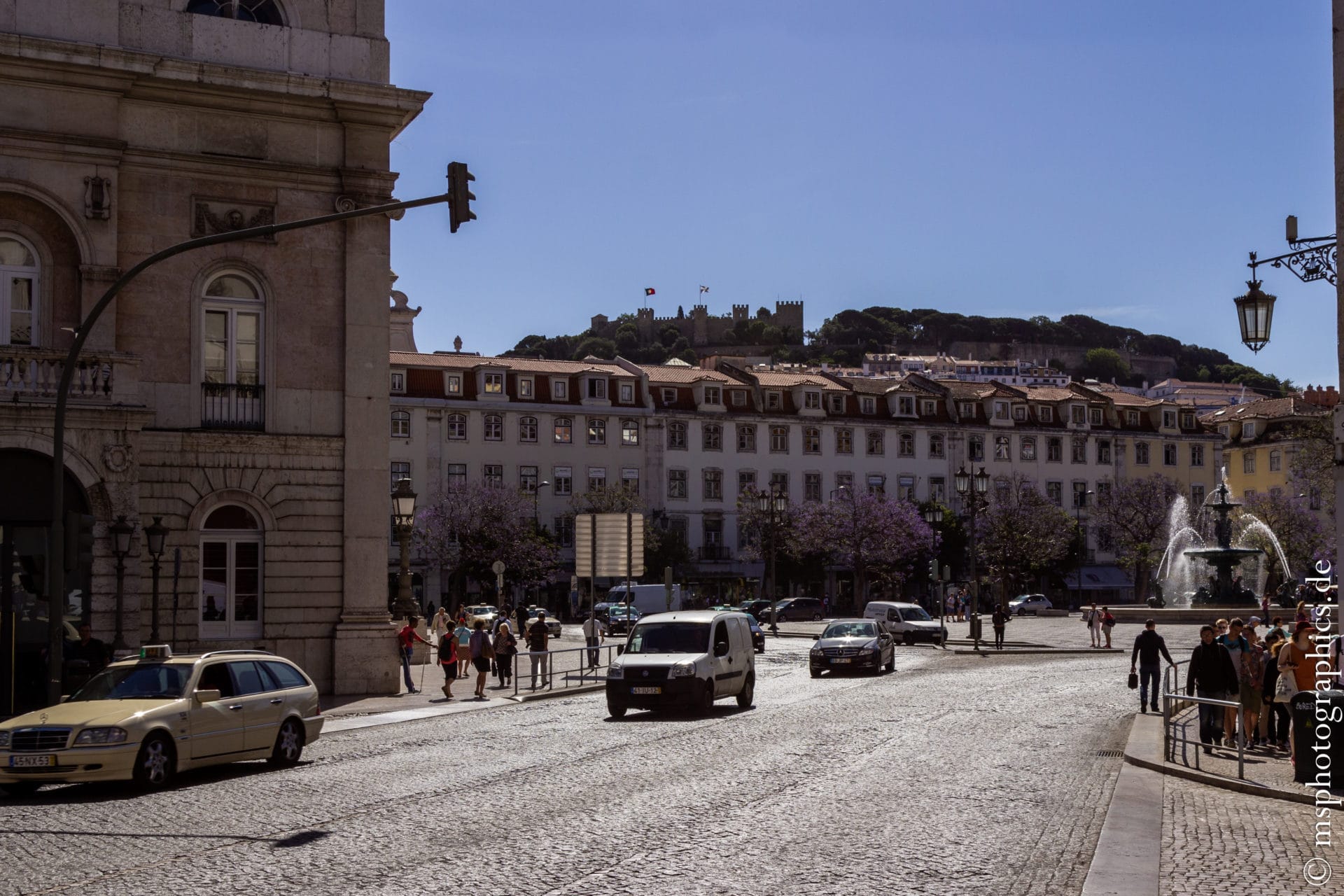
North of the Elevador de Santa Justa the city square Rossio is located. The Rossio, or Praça de Dom Pedro IV, is one of the three most important inner-city squares in Lisbon along with the Praça da Figueira and the Praça do Comércio and has been the main center of the city center since the Middle Ages.
From here you have a great view towards the Castelo de São Jorge, a historic fortress in the city.
The Castelo de São Jorge:


Located on a hill, the Castelo de São Jorge is an excellent place to enjoy the view over the city. A walk on the old walls should not be missed.
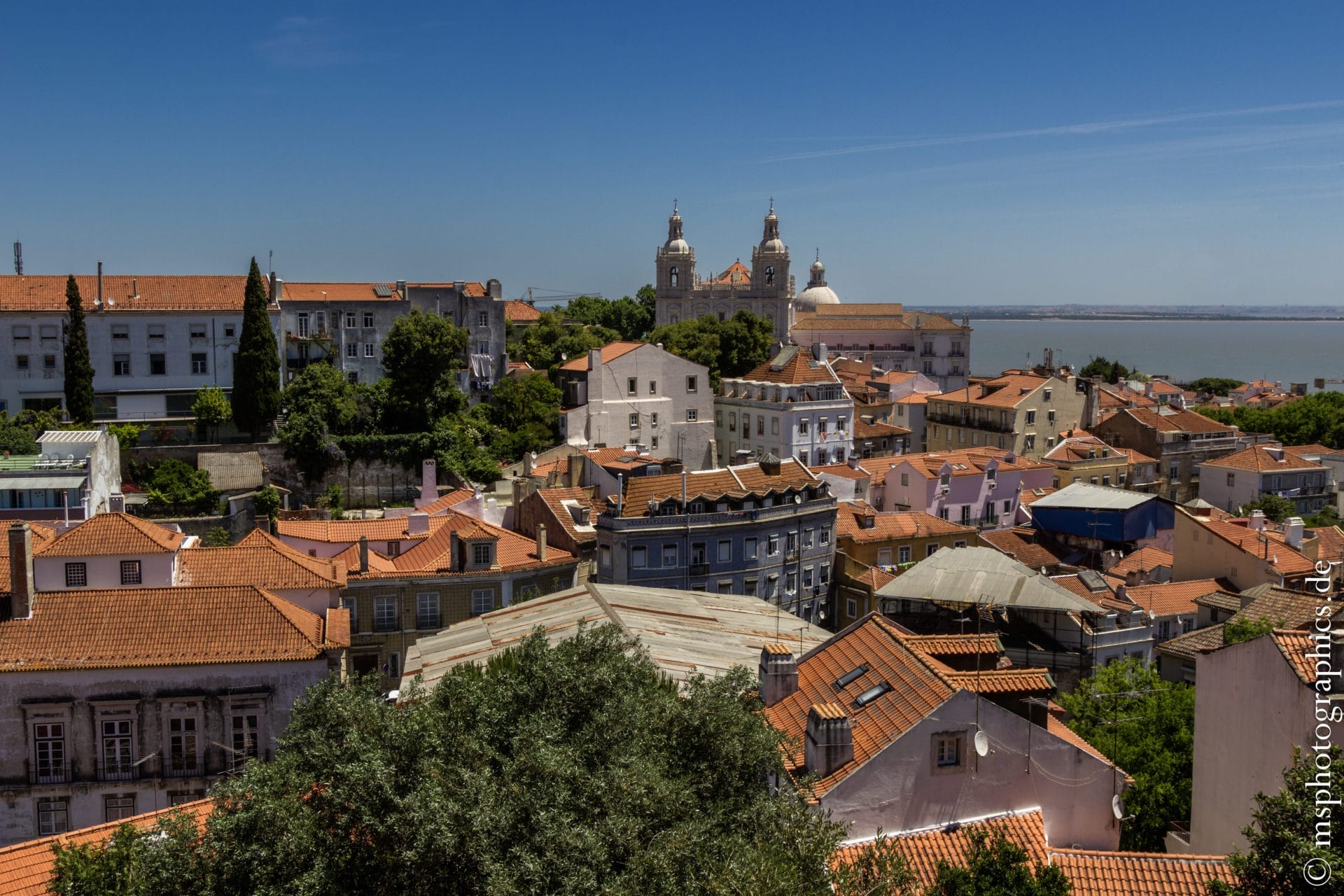
The sights of Lisbon, such as the Basílica da Estrela, can be easily discovered over the rooftops.
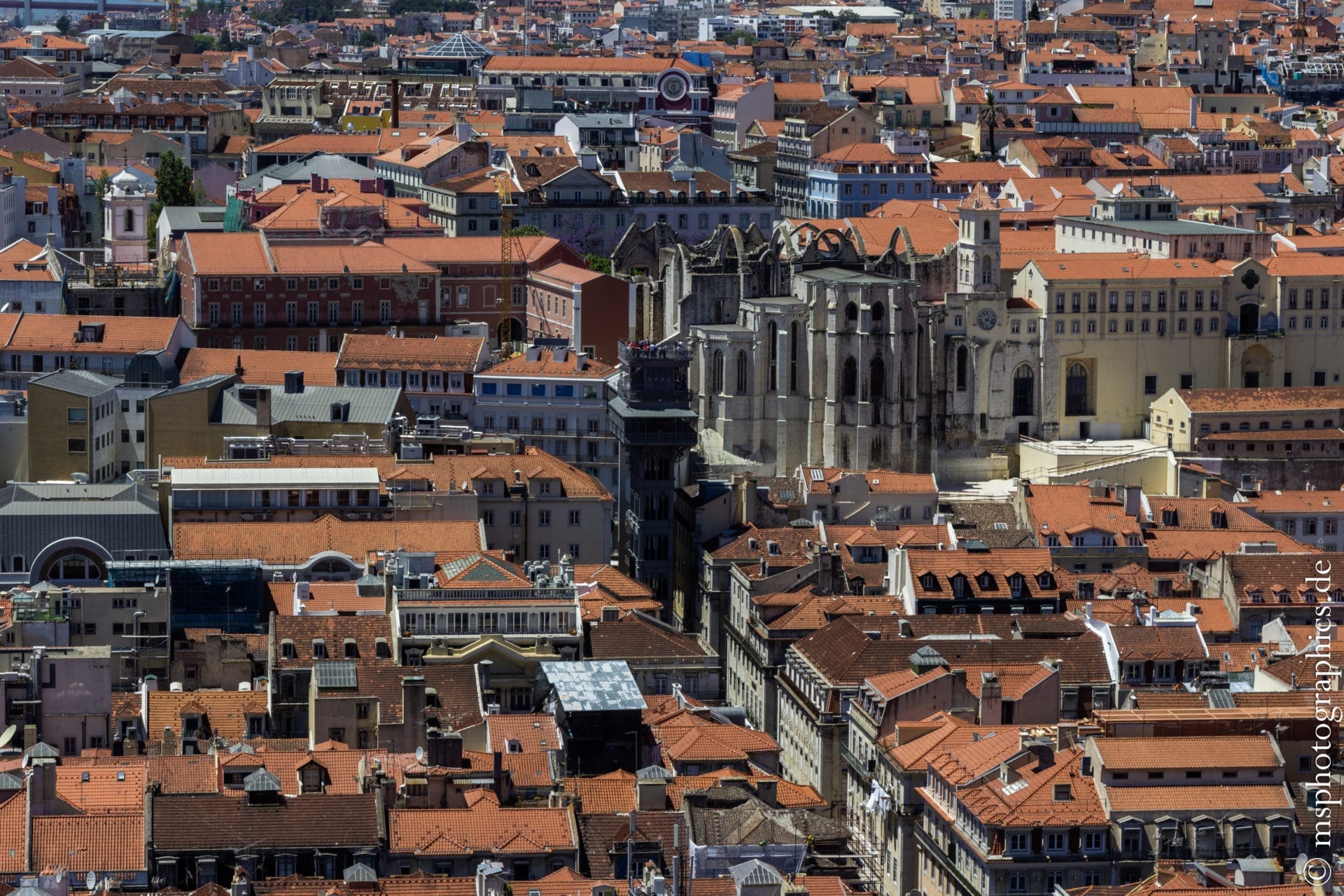

The Elevador de Santa Justa also rises up from the urban canyons. If you look across the river Tagus, you can see the Ponte 25 de Abril, one of the most imposing bridges in Lisbon.
The Praça do Comércio:

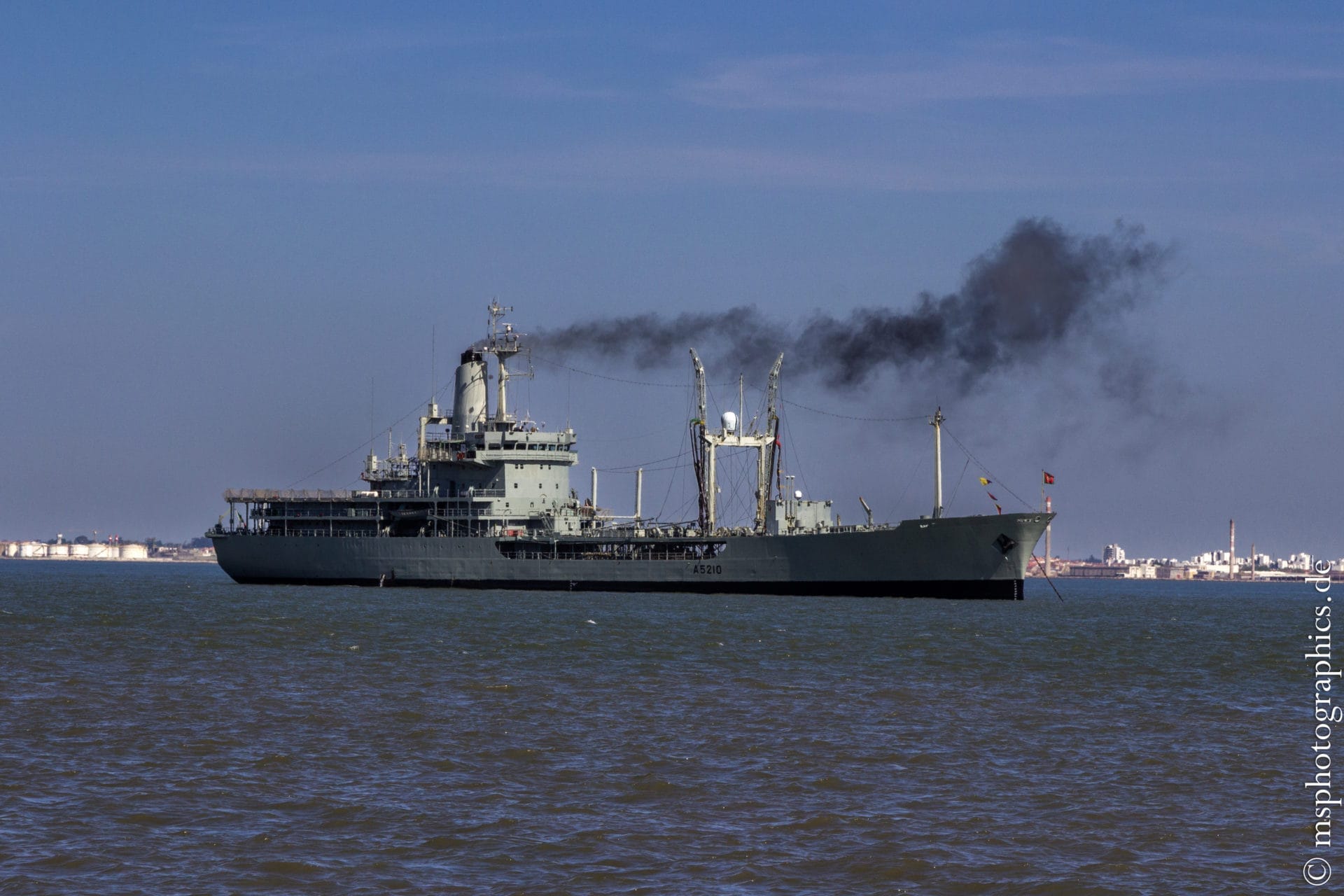
The Praça do Comércio is the former commercial center of Lisbon. Located directly on the banks of the Tagus, it is, like the Rossio, one of the most important squares in the city.
Lisbon in the evening:
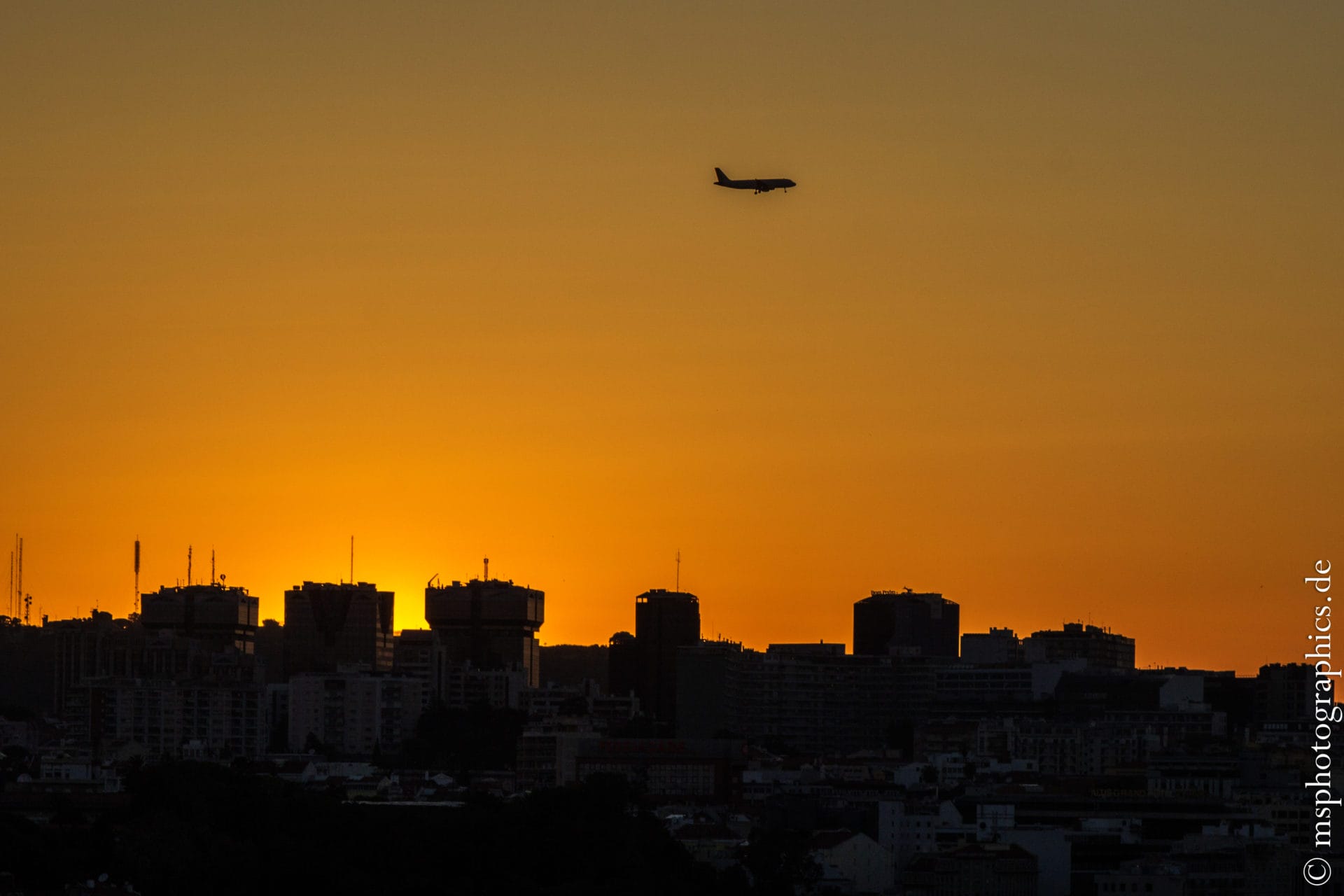

When the weather is nice, it is a good idea to go to the Castelo de São Jorge in the late afternoon to watch the sunset from there.
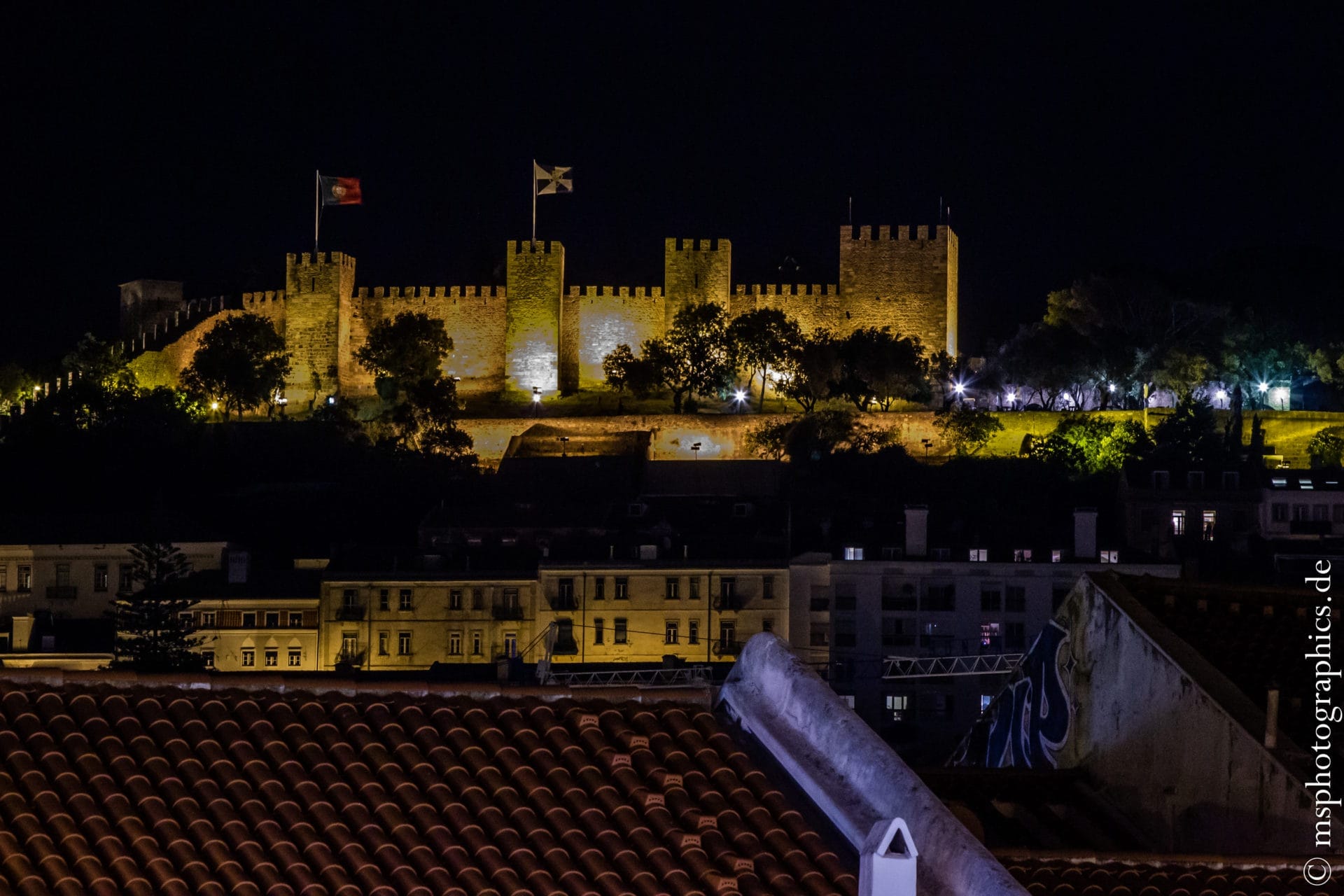
Afterwards you can enjoy an excellent dinner on the way down from the fortress in the circus school Chapitô à Mesa and end the day.
The second day:
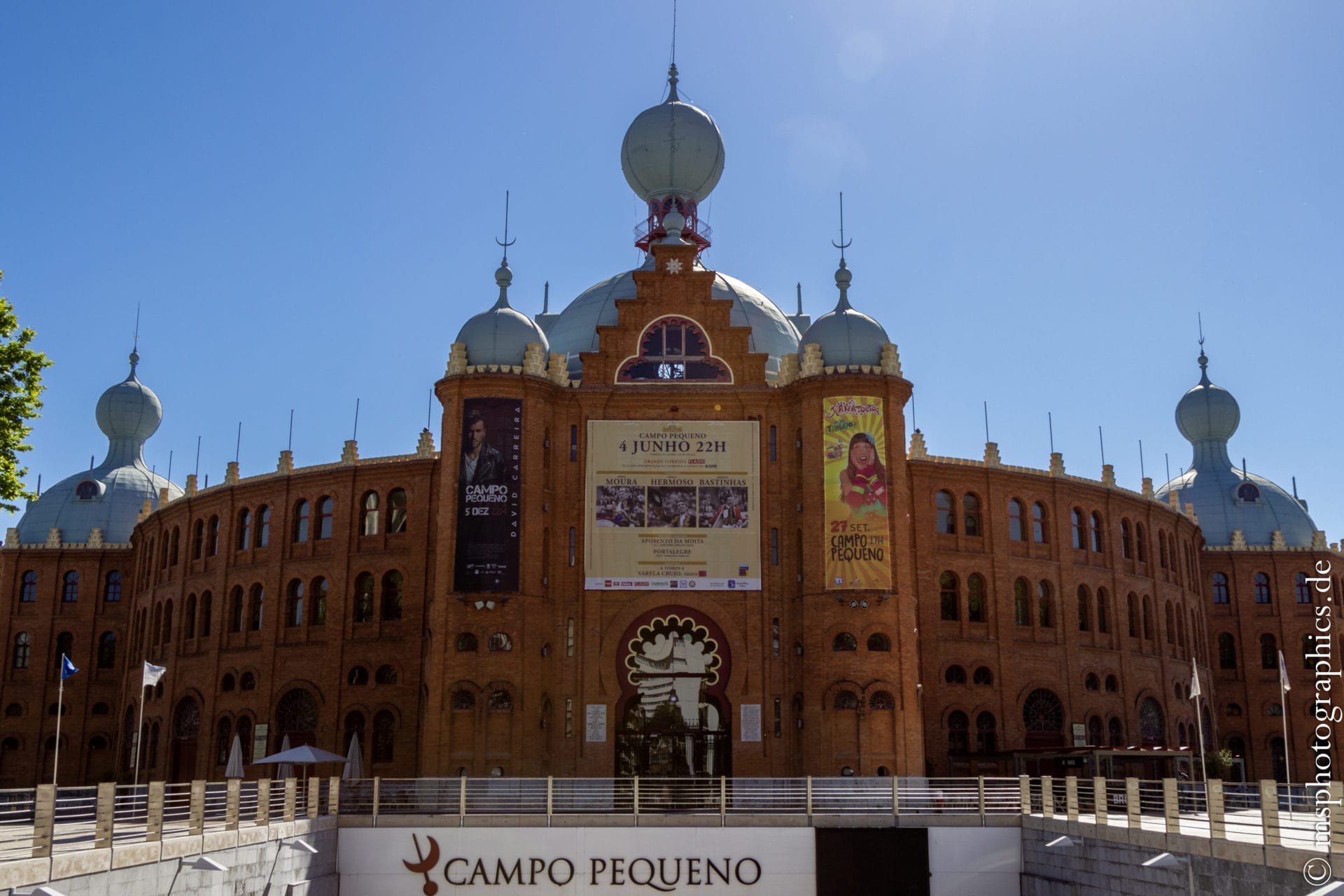

The Campo Pequeno is a small square north of central Lisbon. On it, you find the impressive Praça de Touros do Campo Pequeno, the bullring in the small square, which opened in 1892. Nowadays the arena serves as a multifunctional event hall.
The district of Belém:

The Belém district is located west of the center of Lisbon on the banks of the Tagus. Until 1885, Belém was an independent place and was then incorporated into Lisbon.
Belém offers enough sights to fill a good half day or more.


In addition to visiting sights such as the monument to sailors and explorers, Padrão dos Descobrimentos, boat trips on the Tagus can also be done from Belém.
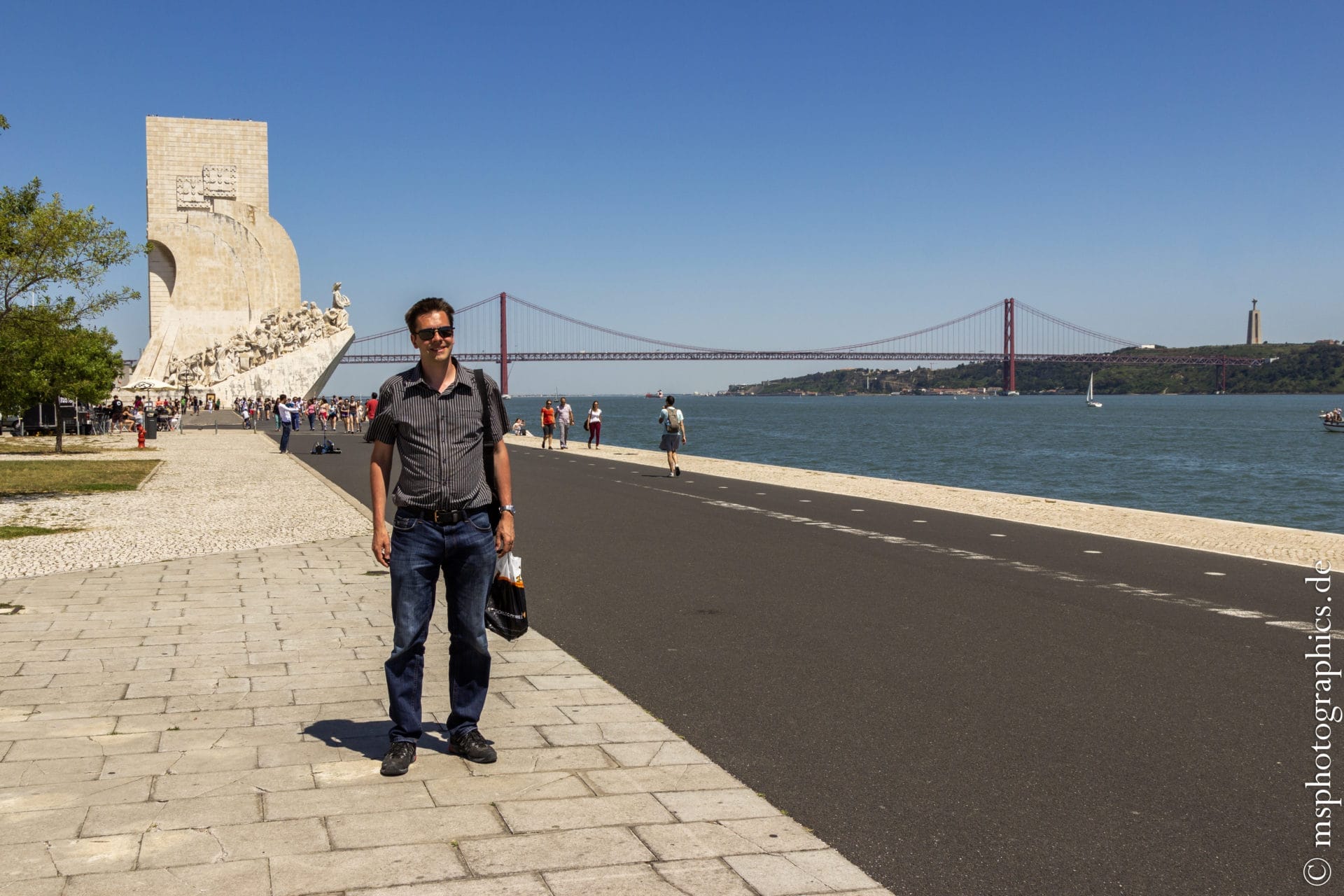
Almost like the Golden Gate Bridge in San Francisco, the Ponte 25 de Abril spans the Tagus. Both bridges were designed by the same architect and the Golden Gate Bridge served as a model.

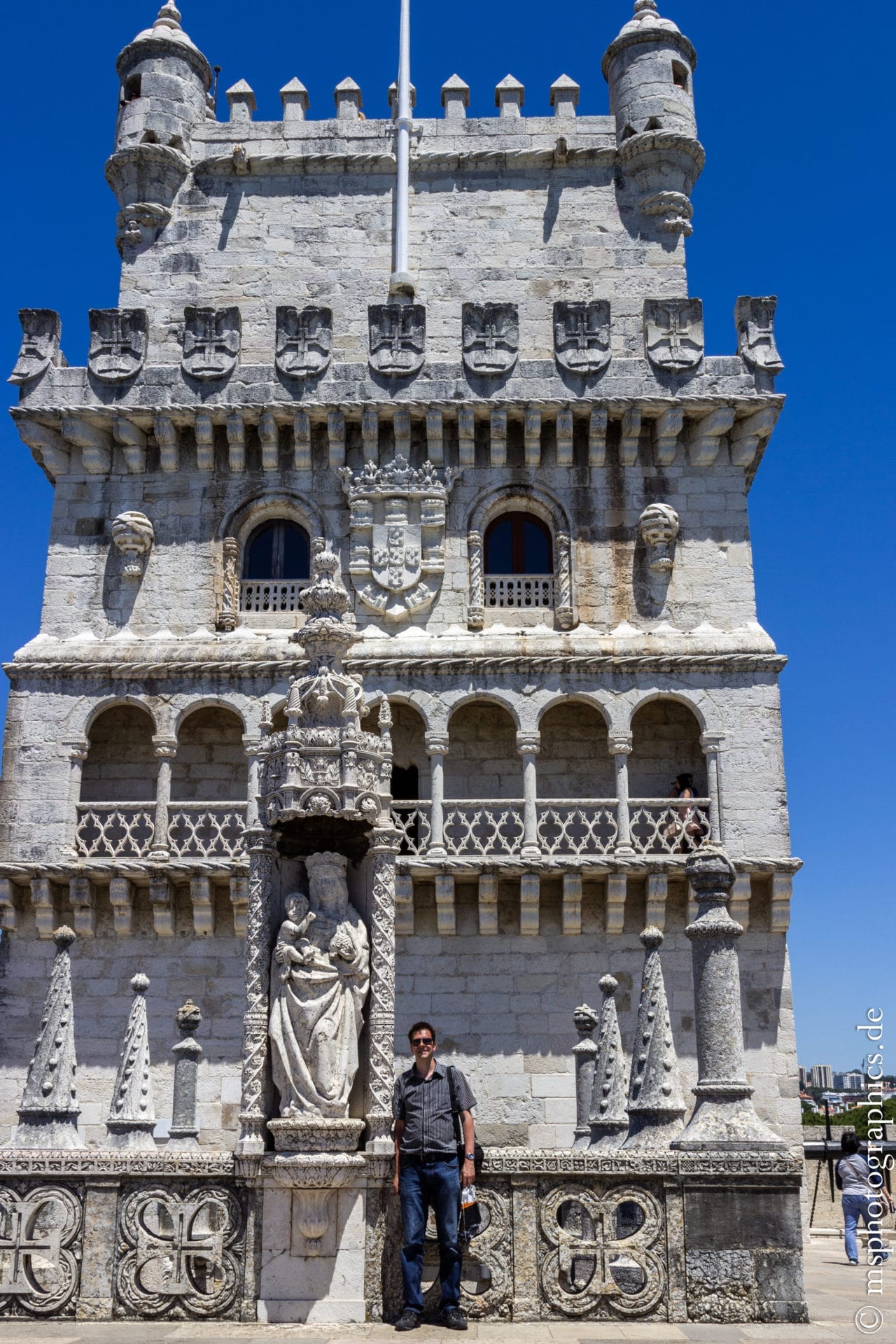
In 1521 the Torre de Belém was completed. The tower served both as a lighthouse for incoming ships and for defense. In 1983, the Torre de Belém was included in the UNESCO World Heritage List.

From the viewing platform you can go back to the time of sailors and explorers and imagine what it was like to sail up the Tagus to Lisbon.
Lisbon Oriente train station:
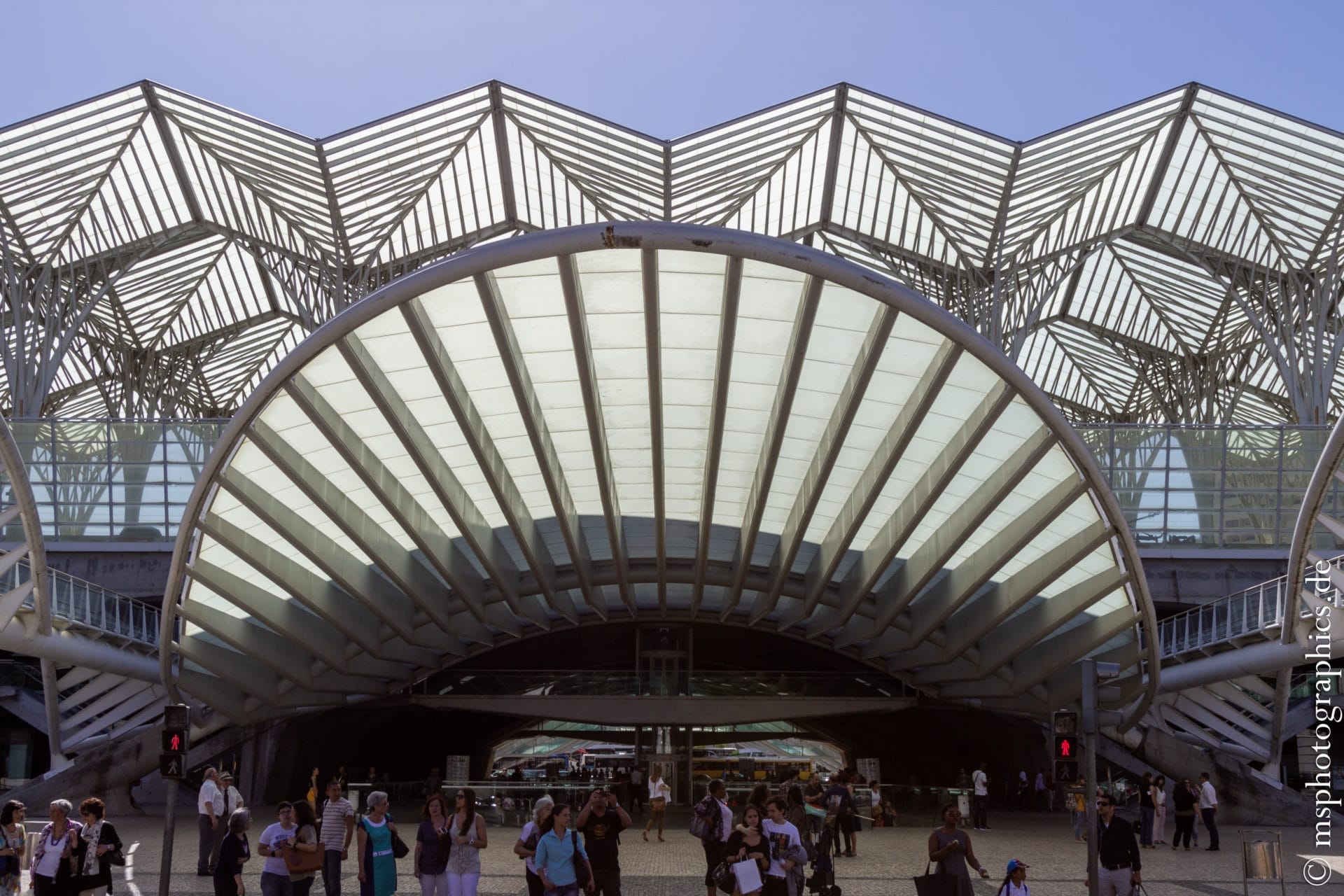
Less historical, but just as worth seeing as the Torre de Belém, is the Lisbon Oriente train station. The station is built on the site of the 1998 World Expo and is connected to local and long-distance traffic, as well as being conveniently located for the airport.
Conclusion:
Lisbon is an absolutely fascinating city and there is so much to discover. A weekend is not nearly enough to fully explore the capital of Portugal.
Nevertheless, one or two days are great to experience the versatility of the metropolis. Both the city center itself and the district of Belém offer more than enough for an exciting and eventful city trip.
This report is part of my series Europe travel reports – there you will find an overview of all countries.
0 Comments